• Cardiology
  • Dentistry
  • Elderly Care
gizmocrunchs.com
  • Gynecology
  • Urology
  • Blog
    • Pain Management
    • Podiatry
    • Nutrition
    • Women’s Health
    • Internal Medicine
    • Primary Care
Author

Richard

Richard

Blog

How to Improve Overall Health Naturally

by Richard March 26, 2026
written by Richard

Improving your overall health naturally is one of the best ways to achieve long-term well-being. Instead of relying only on medications, natural methods focus on lifestyle changes that support the body’s natural healing process.

What Does Natural Health Mean?

Natural health means taking care of your body using healthy habits, proper nutrition, and a balanced lifestyle. It focuses on prevention rather than treatment.

Natural Ways to Improve Health

1. Eat Whole Foods

Choose natural, unprocessed foods such as fruits, vegetables, nuts, and whole grains. These foods are rich in vitamins and minerals.

2. Stay Physically Active

Regular exercise improves heart health, strengthens muscles, and boosts mood. Even light activities like walking can have great benefits.

3. Drink Plenty of Water

Hydration supports digestion, detoxification, and overall body function.

4. Get Quality Sleep

Sleep allows your body to repair and recover. Poor sleep can weaken your immune system and affect mental health.

5. Reduce Stress Naturally

Stress affects both physical and mental health. Natural ways to reduce stress include:

  • Meditation
  • Yoga
  • Spending time in nature

6. Maintain a Healthy Weight

Balanced diet and regular exercise help maintain a healthy weight, reducing the risk of chronic diseases.

7. Strengthen Your Immune System

Boost immunity by:

  • Eating nutrient-rich foods
  • Getting enough sleep
  • Staying active

8. Limit Toxins

Avoid exposure to harmful substances such as smoking, pollution, and processed foods.

9. Practice Mindfulness

Being mindful helps you stay present and reduces anxiety. It improves emotional well-being.

10. Build Healthy Relationships

Strong social connections improve mental health and overall happiness.

Benefits of Natural Health Improvement

  • Fewer side effects
  • Long-term health benefits
  • Better physical and mental balance
  • Improved energy and productivity

Common Natural Remedies

  • Herbal teas
  • Natural supplements
  • Home remedies

However, always consult a professional before trying new treatments.

Conclusion

Improving your health naturally is about making simple and consistent lifestyle changes. By focusing on diet, exercise, sleep, and stress management, you can achieve better health without relying heavily on medications. Start today and take small steps toward a healthier and happier life.

March 26, 2026 0 comments
0 FacebookTwitterPinterestEmail
Blog

What Are the Best Health Tips for Daily Life

by Richard March 26, 2026
written by Richard

Why Daily Health Habits Matter

Your daily routine directly affects your physical and mental health. Small changes in lifestyle can prevent serious diseases and improve energy levels. Consistency is the key to long-term health.

Top Health Tips for Daily Life

1. Eat a Balanced Diet

A healthy diet provides essential nutrients your body needs. Include:

  • Fruits and vegetables
  • Whole grains
  • Lean proteins
  • Healthy fats

Avoid processed foods and excess sugar.

2. Stay Hydrated

Drinking enough water is essential for proper body function. It helps with digestion, circulation, and temperature control. Aim for 6–8 glasses of water daily.

3. Exercise Regularly

Physical activity keeps your body strong and active. You don’t need intense workouts—simple activities like walking, jogging, or cycling are enough.

4. Get Enough Sleep

Sleep is important for recovery and mental health. Lack of sleep can lead to fatigue, stress, and health problems. Aim for 7–8 hours of sleep each night.

5. Manage Stress

Stress can negatively affect your health. Practice stress management techniques such as:

  • Meditation
  • Deep breathing
  • Spending time with loved ones

6. Maintain Hygiene

Good hygiene helps prevent infections and diseases. Wash your hands regularly and maintain personal cleanliness.

7. Avoid Harmful Habits

Avoid smoking, excessive alcohol consumption, and unhealthy eating habits. These can increase the risk of serious diseases.

8. Take Regular Breaks

If you work long hours, take short breaks to relax your mind and body. This improves productivity and reduces stress.

9. Stay Mentally Active

Keep your brain active by reading, learning new skills, or solving puzzles.

10. Regular Health Checkups

Routine checkups help detect health problems early and keep you informed about your condition.

Benefits of Healthy Living

Following daily health tips can:

  • Boost energy levels
  • Improve mood
  • Strengthen the immune system
  • Reduce the risk of diseases

Common Mistakes to Avoid

  • Skipping meals
  • Ignoring sleep
  • Overeating junk food
  • Not exercising

Avoiding these mistakes is essential for maintaining good health.

Conclusion

Living a healthy life is all about making smart daily choices. By following simple health tips consistently, you can improve your quality of life and prevent many health problems. Start small, stay consistent, and enjoy the benefits of a healthier lifestyle.

March 26, 2026 0 comments
0 FacebookTwitterPinterestEmail
Urology

When to See a Urologist

by Richard March 26, 2026
written by Richard

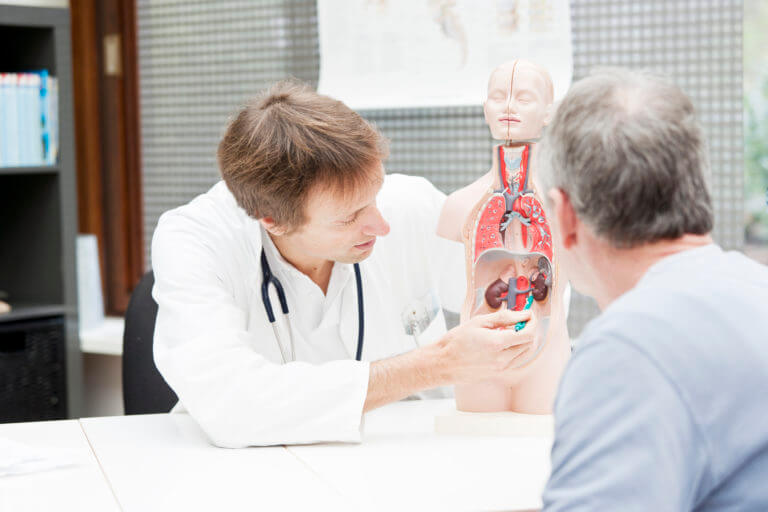
A urologist is a medical specialist who diagnoses and treats conditions related to the urinary tract and male reproductive system. Knowing when to see a urologist is important for maintaining your health and preventing serious complications.

Who Is a Urologist?

A urologist is trained to treat problems related to:

  • Kidneys
  • Bladder
  • Ureters
  • Urethra
  • Male reproductive organs

They provide both medical and surgical treatments.

Why You May Need a Urologist

Many urinary and reproductive issues require specialized care. A urologist has the expertise to diagnose and treat these conditions effectively.

Signs You Should See a Urologist

1. Pain During Urination

Burning or pain while urinating may indicate an infection or other condition.

2. Frequent Urination

If you feel the need to urinate often, especially at night, it could be a sign of a problem.

3. Blood in Urine

This is a serious symptom that requires immediate medical attention.

4. Difficulty Urinating

Weak urine flow or difficulty starting urination may indicate prostate or bladder issues.

5. Kidney Stones

Severe pain in the lower back or side may be caused by kidney stones.

6. Urinary Incontinence

Loss of bladder control should be evaluated by a specialist.

7. Male Health Issues

Problems such as erectile dysfunction or infertility may require a urologist’s care.

Conditions Treated by Urologists

  • Urinary tract infections
  • Kidney stones
  • Bladder problems
  • Prostate disorders
  • Male reproductive issues

Importance of Early Consultation

Visiting a urologist early can:

  • Prevent complications
  • Improve treatment outcomes
  • Provide accurate diagnosis

What to Expect During a Visit

A urologist may:

  • Review your medical history
  • Perform a physical exam
  • Recommend tests such as urine analysis or imaging

Tips Before Visiting a Urologist

  • Note your symptoms
  • Bring medical records
  • Stay hydrated
  • Be honest about your condition

Preventive Measures

  • Drink enough water
  • Maintain hygiene
  • Avoid holding urine
  • Follow a healthy lifestyle

Conclusion

Knowing when to see a urologist can help you take control of your health. If you notice unusual urinary symptoms or discomfort, do not ignore them. Early consultation can lead to better treatment and improved quality of life.

March 26, 2026 0 comments
0 FacebookTwitterPinterestEmail
Urology

What Are Common Urinary Problems

by Richard March 26, 2026
written by Richard

Urinary problems are common health issues that can affect people of all ages. These problems involve the urinary system, which includes the kidneys, bladder, ureters, and urethra. Understanding common urinary problems can help in early detection and proper treatment.

What Is the Urinary System?

The urinary system is responsible for removing waste and excess fluids from the body through urine. When any part of this system does not function properly, it can lead to urinary problems.

Common Urinary Problems

1. Urinary Tract Infection (UTI)

UTIs are one of the most common urinary problems. They occur when bacteria enter the urinary tract and cause infection.

Symptoms:

  • Burning sensation during urination
  • Frequent urge to urinate
  • Cloudy or strong-smelling urine

2. Kidney Stones

Kidney stones are hard deposits formed from minerals in the urine. They can cause severe pain when passing through the urinary tract.

Symptoms:

  • Sharp pain in the back or side
  • Blood in urine
  • Nausea or vomiting

3. Urinary Incontinence

This condition involves the loss of bladder control, leading to accidental urine leakage.

Types:

  • Stress incontinence
  • Urge incontinence

4. Overactive Bladder

An overactive bladder causes a sudden and frequent urge to urinate, even when the bladder is not full.

5. Enlarged Prostate (in Men)

An enlarged prostate can block urine flow and cause difficulty in urination.

6. Interstitial Cystitis

A chronic condition that causes bladder pressure and pelvic pain.

Causes of Urinary Problems

Urinary issues can be caused by:

  • Bacterial infections
  • Poor hygiene
  • Dehydration
  • Kidney disorders
  • Hormonal changes
  • Aging

Risk Factors

Certain factors increase the risk of urinary problems:

  • Being female (higher risk of UTIs)
  • Older age
  • Diabetes
  • Weak immune system
  • Poor fluid intake

Symptoms to Watch For

  • Pain or burning during urination
  • Frequent urination
  • Blood in urine
  • Lower abdominal pain
  • Difficulty urinating

If these symptoms persist, medical attention is necessary.

Prevention Tips

You can reduce the risk of urinary problems by:

  • Drinking plenty of water
  • Maintaining proper hygiene
  • Avoiding holding urine for long periods
  • Eating a healthy diet
  • Practicing safe habits

When to See a Doctor

Seek medical help if you experience:

  • Severe pain
  • Blood in urine
  • Fever with urinary symptoms
  • Frequent infections

Early diagnosis helps prevent complications.

Treatment Options

Treatment depends on the condition and may include:

  • Antibiotics (for infections)
  • Medications
  • Lifestyle changes
  • Surgery (in severe cases)

Conclusion

Urinary problems are common but manageable with proper care and awareness. Understanding symptoms and seeking timely treatment can help maintain a healthy urinary system. Staying hydrated and maintaining good hygiene are simple yet effective ways to prevent many urinary issues.

March 26, 2026 0 comments
0 FacebookTwitterPinterestEmail
Gynecology

What Does a Gynecologist Treat & When Should You Visit a Gynecologist

by Richard March 26, 2026
written by Richard

A gynecologist is a medical specialist who focuses on women’s reproductive health. Regular visits to a gynecologist are important for maintaining overall health and detecting potential issues early.

What Does a Gynecologist Treat?

Gynecologists diagnose and treat a wide range of conditions related to the female reproductive system.

Common Conditions Treated:

1. Menstrual Problems

Irregular periods, heavy bleeding, or painful cycles are common issues treated by gynecologists.

2. Pregnancy and Prenatal Care

Gynecologists provide care during pregnancy, ensuring the health of both mother and baby.

3. Hormonal Imbalances

They help manage conditions caused by hormonal changes, such as PCOS.

4. Infections

Treatment of vaginal infections, urinary infections, and sexually transmitted infections.

5. Fertility Issues

Gynecologists assist women who are facing difficulty in conceiving.

6. Menopause Management

They help manage symptoms like hot flashes, mood changes, and hormonal shifts.

When Should You Visit a Gynecologist?

Regular checkups are important, but certain situations require immediate attention.

Recommended Visits:

  • Annual health checkups
  • Routine screenings (Pap smear)

Visit Immediately If You Experience:

  • Severe abdominal or pelvic pain
  • Irregular or missed periods
  • Unusual discharge
  • Pain during intercourse
  • Signs of infection

Importance of Regular Visits

1. Early Detection

Helps identify health issues before they become serious.

2. Preventive Care

Screenings and tests can prevent diseases like cervical cancer.

3. Better Reproductive Health

Regular monitoring ensures proper reproductive function.

Tips for Women’s Health

  • Maintain a healthy diet
  • Exercise regularly
  • Practice safe hygiene
  • Manage stress
  • Follow medical advice

Overcoming Hesitation

Many women feel uncomfortable visiting a gynecologist, but it is an important step for long-term health. Professional doctors ensure privacy and comfort during consultations.

Conclusion

Gynecologists play a vital role in women’s health by diagnosing, treating, and preventing various conditions. Regular visits and awareness can help women stay healthy and confident at every stage of life.

March 26, 2026 0 comments
0 FacebookTwitterPinterestEmail
Gynecology

What Are Gynecologist Services?

by Richard March 26, 2026
written by Richard

Gynecologist services include medical care, diagnosis, and treatment of conditions affecting women’s reproductive health. These services also focus on preventive care and regular health screenings.

Importance of Gynecologist Services

Regular gynecological care helps detect health issues early and ensures proper treatment. It also supports overall physical and emotional well-being.

Key Benefits:

  • Early detection of diseases
  • Preventive health care
  • Improved reproductive health
  • Better pregnancy outcomes

Common Gynecologist Services

1. Routine Checkups

Regular visits help monitor reproductive health and detect potential problems.

2. Pap Smear Tests

Used to screen for cervical cancer and other abnormalities.

3. Pregnancy Care

Gynecologists provide prenatal and postnatal care for mothers and babies.

4. Treatment of Infections

They diagnose and treat infections such as UTIs and vaginal infections.

5. Hormonal Treatments

Help manage conditions like PCOS and menopause symptoms.

6. Family Planning

Advice on contraception and fertility options.

When Should You Use Gynecologist Services?

You should consider visiting a gynecologist if you experience:

  • Irregular periods
  • Severe menstrual pain
  • Unusual discharge
  • Fertility issues
  • Symptoms of infection

Regular visits are recommended even if no symptoms are present.

Preventive Care Tips

  • Maintain proper hygiene
  • Eat a balanced diet
  • Exercise regularly
  • Avoid stress
  • Follow medical advice

Modern Advancements in Gynecology

Today, gynecological services have become more advanced with improved diagnostic tools and minimally invasive procedures. This ensures faster recovery and better outcomes.

Overcoming Common Concerns

Many women hesitate to seek gynecological care due to discomfort or lack of awareness. However, professional doctors ensure privacy, comfort, and proper guidance.

Conclusion

Gynecologist services are essential for maintaining women’s health and well-being. Regular checkups, early diagnosis, and proper treatment can help prevent serious conditions and ensure a healthy life.

March 26, 2026 0 comments
0 FacebookTwitterPinterestEmail
Elderly Care

What Is Elderly Medical Support?

by Richard March 26, 2026
written by Richard

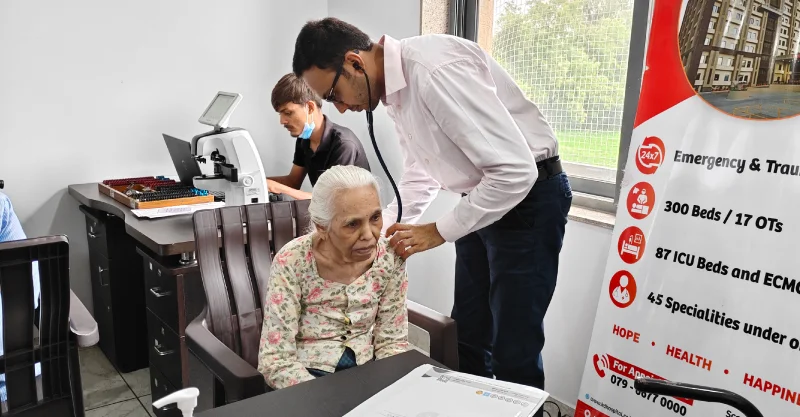
Elderly medical support includes healthcare services specifically designed for senior citizens. It focuses on managing chronic conditions, providing regular health monitoring, and ensuring overall well-being.

Why Elderly Medical Support Is Important

Aging brings physical and mental changes that require specialized care. Proper medical support helps seniors maintain independence and improves their quality of life.

Key Benefits:

  • Better management of chronic diseases
  • Reduced risk of complications
  • Improved mobility and comfort
  • Enhanced emotional well-being

Common Health Issues in the Elderly

Older adults are more likely to experience:

  • High blood pressure
  • Diabetes
  • Arthritis
  • Heart disease
  • Memory-related conditions

Regular medical care helps manage these conditions effectively.

Types of Elderly Medical Support

1. Regular Health Checkups

Routine checkups help detect health issues early and ensure proper treatment.

2. Medication Management

Many seniors take multiple medications. Proper management prevents errors and side effects.

3. Home Healthcare Services

Doctors and nurses provide care at home, making it easier for seniors to receive treatment.

4. Rehabilitation Services

Physical therapy and rehabilitation help improve mobility and strength.

5. Mental Health Support

Emotional care is important to prevent depression and anxiety in older adults.

Role of Caregivers

Caregivers play a crucial role in elderly medical support. They assist with daily activities, monitor health conditions, and provide companionship.

How to Improve Elderly Medical Care

  • Maintain a balanced diet
  • Encourage light exercise
  • Ensure regular doctor visits
  • Keep a safe living environment
  • Provide emotional support

When Is Medical Support Needed?

Elderly medical support is necessary when:

  • There are multiple health conditions
  • Daily activities become difficult
  • Frequent medical attention is required
  • There is a risk of falls or injuries

Challenges in Elderly Care

Providing medical support to seniors can be challenging due to:

  • Limited mobility
  • Memory issues
  • Financial constraints
  • Lack of awareness

Proper planning and support systems can help overcome these challenges.

Conclusion

Elderly medical support is vital for ensuring that seniors live with dignity, comfort, and proper care. With the right medical attention and support, older adults can maintain a better quality of life and stay active for longer.

March 26, 2026 0 comments
0 FacebookTwitterPinterestEmail
Elderly Care

What Is Elderly Care and Why Is It Important

by Richard March 26, 2026
written by Richard

Elderly care refers to the support and services provided to older adults to help them live healthy, safe, and comfortable lives. As people age, their physical and mental needs change, making proper care essential for maintaining their quality of life.

What Is Elderly Care?

Elderly care includes a wide range of services designed to meet the needs of seniors. These services can be provided at home, in hospitals, or in specialized care centers. The goal is to support older individuals in their daily activities and overall well-being.

Types of Elderly Care

1. Personal Care

This includes assistance with daily activities such as bathing, dressing, eating, and mobility.

2. Medical Care

Regular health checkups, medication management, and treatment of chronic conditions are part of elderly care.

3. Emotional Support

Older adults may experience loneliness or depression. Emotional support helps improve mental well-being.

4. Home Care Services

Caregivers provide support at home, allowing seniors to stay in a familiar environment.

5. Assisted Living

Facilities that offer housing, meals, and medical support for seniors who need help with daily tasks.

Why Is Elderly Care Important?

1. Improves Quality of Life

Proper care ensures that seniors live comfortably and maintain their independence as much as possible.

2. Prevents Health Issues

Regular monitoring helps detect health problems early and prevents complications.

3. Provides Safety

Elderly individuals are more prone to falls and injuries. Proper care reduces these risks.

4. Emotional Well-Being

Social interaction and support reduce feelings of loneliness and improve mental health.

5. Supports Families

Elderly care services also help family members manage responsibilities and reduce stress.

Common Challenges Faced by Seniors

  • Chronic illnesses
  • Mobility issues
  • Memory problems
  • Social isolation

Understanding these challenges helps in providing better care.

How to Provide Good Elderly Care

  • Ensure regular medical checkups
  • Provide a balanced diet
  • Encourage light physical activity
  • Maintain a safe living environment
  • Offer emotional support and companionship

When Is Elderly Care Needed?

Elderly care becomes necessary when a person:

  • Has difficulty performing daily tasks
  • Suffers from chronic illnesses
  • Needs constant medical attention
  • Feels isolated or depressed

Conclusion

Elderly care is essential for ensuring that older adults live with dignity, comfort, and safety. By providing proper physical, medical, and emotional support, we can greatly improve their quality of life. Caring for the elderly is not just a responsibility but a way to show respect and compassion.

March 26, 2026 0 comments
0 FacebookTwitterPinterestEmail
Dentistry

How Often Should You Visit a Dentist

by Richard March 26, 2026
written by Richard

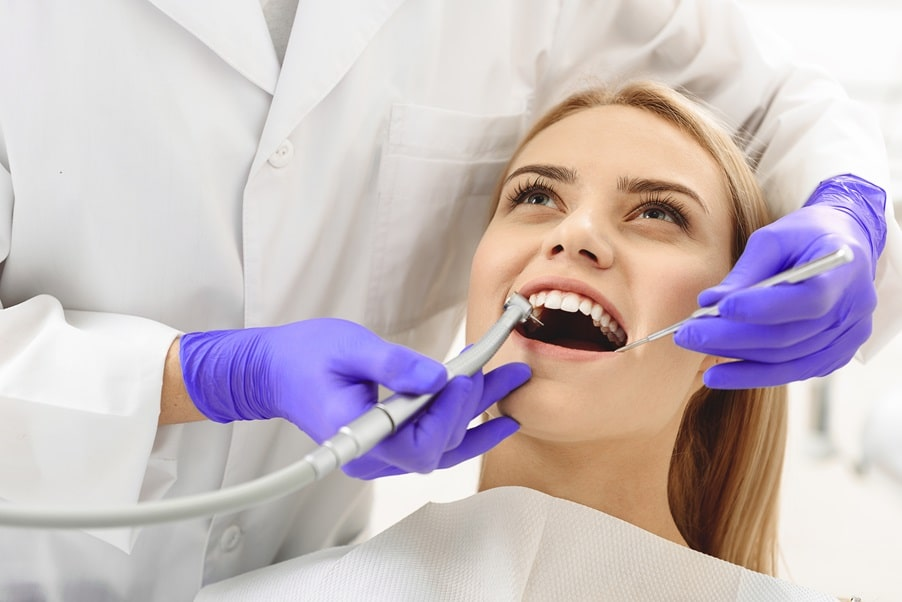
Regular dental visits are essential for maintaining good oral health. Many people only visit a dentist when they have pain, but routine checkups can prevent serious problems before they start.

Why Dental Visits Are Important

Dentists do more than just fix problems. They help prevent them. Regular checkups allow early detection of cavities, gum disease, and other oral health issues.

General Recommendation

Most dentists recommend visiting every 6 months for a routine checkup and cleaning. However, this may vary depending on individual needs.

When You May Need More Frequent Visits

Some people may need to visit the dentist more often, such as:

  • People with gum disease
  • Smokers
  • Diabetic patients
  • Individuals with weak immune systems

In such cases, visits every 3–4 months may be recommended.

What Happens During a Dental Visit

A typical dental checkup includes:

  • Examination of teeth and gums
  • Professional cleaning
  • X-rays (if needed)
  • Advice on oral hygiene

These steps help maintain healthy teeth and prevent future issues.

Benefits of Regular Dental Visits

1. Early Problem Detection

Cavities and gum disease can be treated early before they become serious.

2. Professional Cleaning

Removes plaque and tartar that cannot be removed by brushing alone.

3. Better Oral Hygiene

Dentists provide guidance on proper brushing and flossing techniques.

4. Fresh Breath

Regular cleaning helps eliminate bad breath caused by bacteria.

Signs You Should Visit a Dentist Immediately

Do not wait for your next appointment if you experience:

  • Tooth pain
  • Bleeding gums
  • Swelling
  • Sensitivity to hot or cold

These may indicate serious dental issues.

Tips to Maintain Oral Health Between Visits

  • Brush twice daily
  • Floss regularly
  • Limit sugary foods
  • Drink plenty of water

These habits help reduce the need for frequent dental treatments.

Overcoming Dental Anxiety

Many people avoid dentists due to fear. However, modern dental clinics use advanced techniques to ensure comfort and minimize pain. Talking to your dentist about your concerns can also help.

Conclusion

Visiting a dentist regularly is one of the best ways to maintain healthy teeth and gums. While a 6-month schedule works for most people, your dentist may recommend a different plan based on your needs. Preventive care is always better than treatment.

March 26, 2026 0 comments
0 FacebookTwitterPinterestEmail
Dentistry

What Is the Best Way to Care for Teeth

by Richard March 26, 2026
written by Richard

Taking care of your teeth is an important part of maintaining overall health. Good oral hygiene not only keeps your smile bright but also prevents serious dental problems such as cavities, gum disease, and infections.

Why Dental Care Is Important

Healthy teeth allow you to eat, speak, and smile confidently. Poor dental care can lead to pain, tooth loss, and even affect your general health. Bacteria from the mouth can spread and cause other health issues if not properly managed.

Daily Oral Hygiene Routine

1. Brush Your Teeth Properly

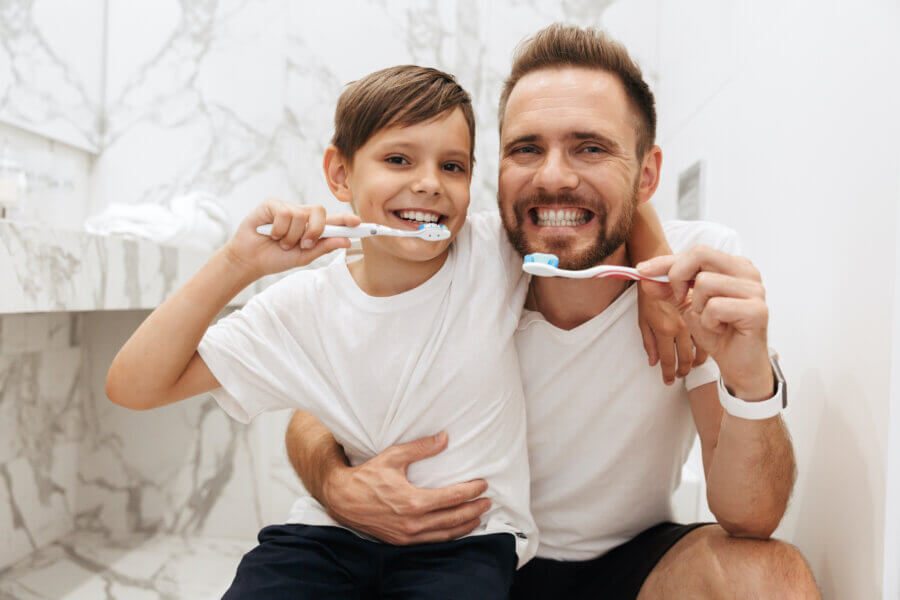
Brushing your teeth at least twice a day is essential. Use a soft-bristled toothbrush and fluoride toothpaste. Brush for at least two minutes, making sure to clean all surfaces of your teeth.

2. Floss Daily

Flossing removes food particles and plaque between teeth where a toothbrush cannot reach. It helps prevent cavities and gum disease.

3. Use Mouthwash

Mouthwash helps kill bacteria and freshens breath. It also adds an extra layer of protection against plaque buildup.

Healthy Eating for Strong Teeth

What you eat plays a big role in dental health.

Foods That Help:

  • Dairy products like milk and cheese
  • Crunchy fruits and vegetables
  • Foods rich in calcium

Foods to Limit:

  • Sugary snacks and drinks
  • Sticky foods
  • Acidic beverages

Reducing sugar intake helps prevent tooth decay.

Regular Dental Visits

Visiting a dentist regularly is one of the best ways to care for your teeth. Dentists can detect problems early and provide professional cleaning.

Recommended:

  • Visit every 6 months
  • Get professional cleaning
  • Check for cavities or gum issues

Avoid Harmful Habits

Certain habits can damage your teeth:

  • Smoking
  • Nail biting
  • Using teeth to open objects

Avoiding these habits helps protect your teeth from damage.

Replace Your Toothbrush

A worn-out toothbrush is less effective. Replace your toothbrush every 3–4 months or sooner if the bristles are frayed.

Protect Your Teeth

If you play sports, use a mouthguard to prevent injury. Night guards can also help if you grind your teeth while sleeping.

Signs of Dental Problems

Watch for warning signs such as:

  • Tooth pain
  • Bleeding gums
  • Bad breath
  • Sensitivity

If you notice any of these, consult a dentist immediately.

Conclusion

The best way to care for your teeth is by following a consistent daily routine, eating healthy foods, and visiting your dentist regularly. Good dental habits not only protect your teeth but also improve your overall health and confidence.

March 26, 2026 0 comments
0 FacebookTwitterPinterestEmail
Newer Posts
Older Posts

Recent Posts

  • How to Improve Overall Health Naturally
  • What Are the Best Health Tips for Daily Life
  • When to See a Urologist
  • What Are Common Urinary Problems
  • What Does a Gynecologist Treat & When Should You Visit a Gynecologist

Recent Comments

No comments to show.

Keep in touch

Facebook Twitter Instagram Pinterest Linkedin Youtube

Recent Posts

  • How to Improve Overall Health Naturally

  • What Are the Best Health Tips for Daily Life

  • When to See a Urologist

  • What Are Common Urinary Problems

  • What Does a Gynecologist Treat & When Should You Visit a Gynecologist

  • What Are Gynecologist Services?

Newsletter

Categories

  • Blog (2)
  • Cardiology (2)
  • Dentistry (2)
  • Elderly Care (2)
  • Gynecology (2)
  • Urology (2)
Gizmocrunch.com
  • Gizmocrunch.com
  • About Us
  • Privacy Policy
  • Contact Us
Ryantylerofficial91@gmail.com
  • Categories
    • Cardiology
    • Dentistry
    • Elderly Care
    • Gynecology
    • Urology
    • Blog HOT
    • Podiatry hot
Editors' Picks
How to Improve Overall Health Naturally
What Are the Best Health Tips for Daily Life

@2026 – All Right Reserved. Gizmocrunchs.com

Facebook-f Twitter Youtube Tiktok Linkedin-in
gizmocrunchs.com
  • Cardiology
  • Dentistry
  • Elderly Care
gizmocrunchs.com
  • Gynecology
  • Urology
  • Blog
    • Pain Management
    • Podiatry
    • Nutrition
    • Women’s Health
    • Internal Medicine
    • Primary Care