• Cardiology
  • Dentistry
  • Elderly Care
gizmocrunchs.com
  • Gynecology
  • Urology
  • Blog
    • Pain Management
    • Podiatry
    • Nutrition
    • Women’s Health
    • Internal Medicine
    • Primary Care
Category:

Podiatry

Exploring Innovative Treatments in Podiatry
Podiatry

Exploring Innovative Treatments in Podiatry

by Richard August 31, 2026
written by Richard

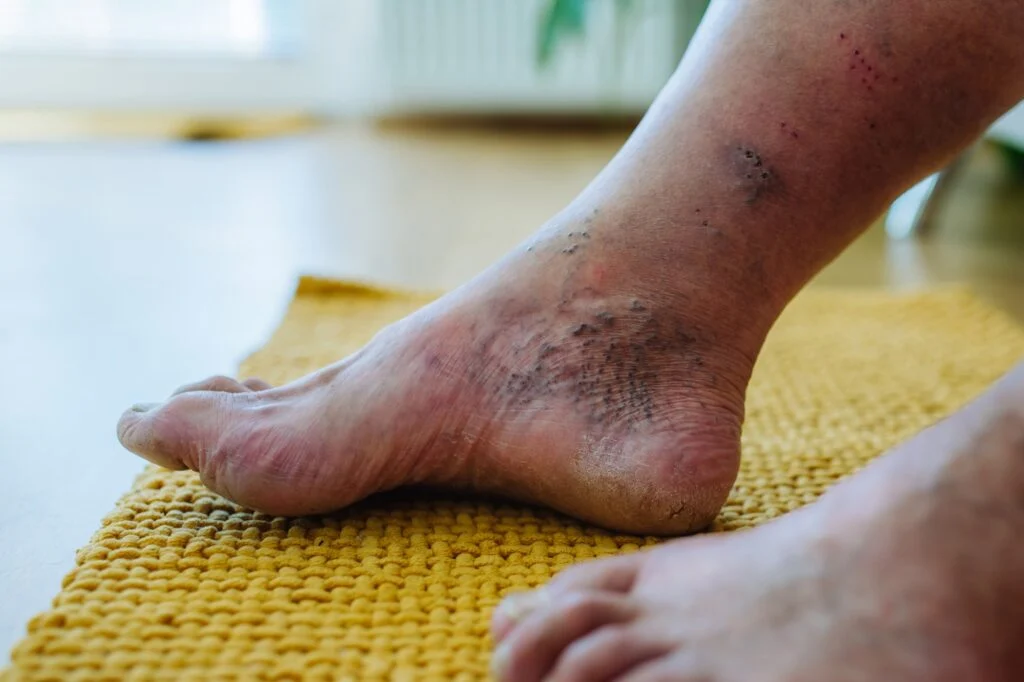
Foot pain can affect walking, exercise, work, and other activities that depend on comfortable movement. Modern podiatry uses diagnostic tools and treatment approaches to evaluate conditions affecting the feet and ankles. Understanding available podiatric care options can help patients discuss their symptoms and treatment needs with a qualified provider. Here is more information about innovative treatments in podiatry: 

Diagnosing With Advanced Technology

Diagnostic technology plays a role in podiatry by helping providers evaluate pain and identify conditions affecting the feet and ankles. Imaging provides detailed information about internal structures, while a physical examination offers additional insight into symptoms. Together, these findings help podiatrists determine which treatment approaches may fit each patient’s needs.

Gait analysis examines how the feet, ankles, and lower limbs move while a patient walks. During the assessment, specialized technology is able to record movement patterns that place added stress on certain areas. Providers can use these observations alongside other findings to develop an individualized treatment plan.

Correcting With Custom Orthotics

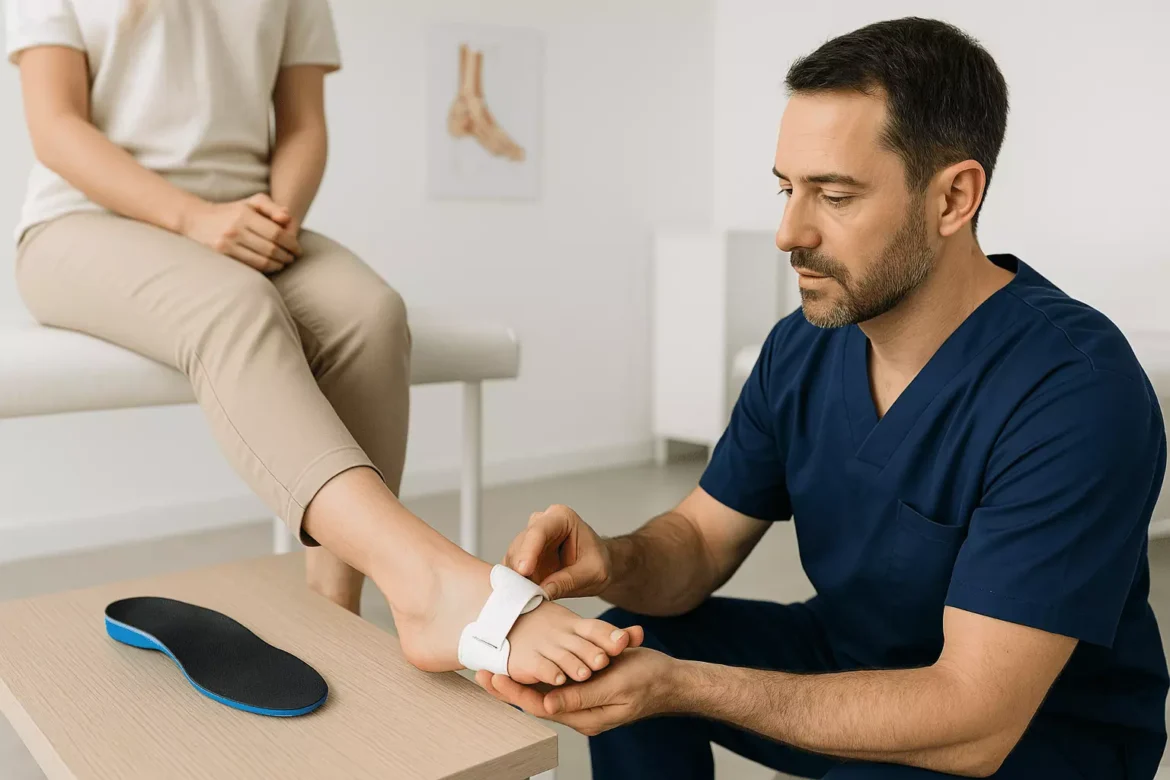
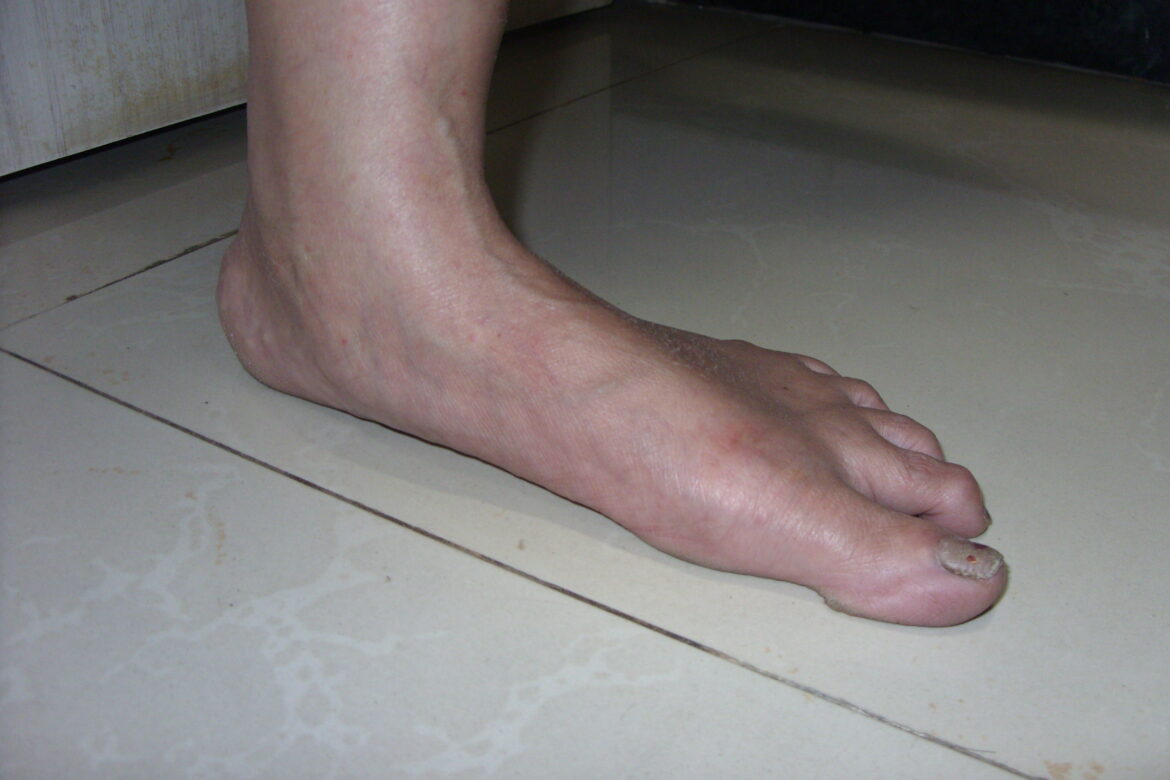
Custom orthotics provide personalized support based on the shape, structure, and movement of an individual’s feet. Providers may use detailed measurements to create devices that distribute pressure and support alignment during walking. Orthotics help manage conditions such as flat feet, plantar fasciitis, and heel spurs by reducing strain on affected areas. Patients can wear these devices inside compatible everyday shoes as part of an ongoing podiatric treatment plan.

Treating With Conservative Methods

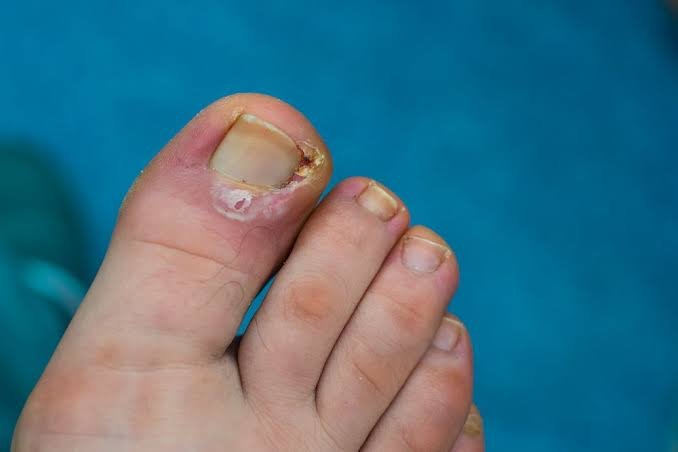
Conservative podiatric care may provide a nonsurgical starting point for many foot and ankle concerns. Podiatrists are able to recommend these approaches for conditions such as tendonitis, arthritis, and ingrown toenails. Treatment selection depends on the condition, symptoms, activity level, and findings from the patient’s evaluation.

Conservative treatments are able to include supportive care and other methods that allow the body time to recover. Providers can explain available options, expected recovery, and how each approach relates to the patient’s goals. Ongoing communication also allows patients to understand their treatment plan and participate in decisions about their care.

Restoring With Modern Surgery

Surgery are able to become an option when conservative treatments do not adequately address a foot or ankle condition. Podiatric surgeons are able to perform procedures using approaches selected according to the patient’s diagnosis and treatment needs. Surgical planning may also account for symptoms, mobility, and the structures involved.

Minimally invasive techniques use smaller incisions to address certain foot and ankle conditions. Traditional open surgery may remain appropriate when a condition requires greater access to the affected area. The surgical approach varies based on the condition, its severity, and the patient’s individual circumstances.

Conditions such as bunions, hammertoes, and foot or ankle fractures may require surgical treatment in some cases. Surgery is able to address structural problems that affect movement, alignment, or everyday activities. Patients can discuss surgical options, recovery expectations, and activity guidelines with their podiatric surgeon.

Book Your Podiatry Appointment Today

Foot and ankle concerns can affect mobility, comfort, and participation in everyday activities. A podiatry appointment provides an opportunity to evaluate symptoms and identify possible sources of discomfort. Your provider is able to discuss available treatment options based on your condition, needs, and activity goals. Schedule a podiatry appointment today to learn more about your foot and ankle care options.

  • The Effects of Varicose Veins
  • How Primary Care Providers Can Improve Your Health Outcomes
  • The Connection Between Neck Pain and Spinal Stenosis
  • The Role of Allergy Testing in Personalized Treatment Plans
  • The Benefits of Combining Botox with Other Non-Surgical Treatments
August 31, 2026 0 comments
0 FacebookTwitterPinterestEmail
Recognizing the Symptoms of Ankle Sprains
Podiatry

Recognizing the Symptoms of Ankle Sprains

by Richard August 31, 2026
written by Richard

A single misstep or an awkward landing after a jump can stretch or damage the tissues that hold the ankle together. Many sprains heal with proper care at home, but some involve more serious damage that benefits from a professional evaluation. Knowing what an ankle sprain is, as well as how to recognize one, can help you respond wisely if you experience this injury.

What Is an Ankle Sprain?

An ankle sprain occurs when the ligaments that support the joint are stretched beyond their normal limits or torn. Ligaments refer to strong bands of tissue that connect bones, and they keep the joint stable during movement. When the ankle rolls, twists, or bends in an unnatural direction, these bands can suffer partial or complete tears.

Most sprains affect the ligaments on the outer side of the ankle. The severity ranges from mild overstretching to a full tear, which leaves the joint unstable. Certain factors raise the likelihood of a sprain. People who have injured an ankle before face a greater chance of hurting it again; limited strength or flexibility in the joint, footwear that fits poorly or lacks support, and participation in sports that involve jumping or quick direction changes also add to the risk.

What Are the Symptoms?

The signs of an ankle sprain vary with the extent of the damage. A mild injury may cause only slight discomfort; a more serious tear will produce noticeable swelling and difficulty moving the joint. There are some common symptoms associated with sprains, including:

  • Pain
  • Swelling around the joint
  • Bruising or discoloration
  • Popping sensation or sound at the moment the injury happens
  • Sense that the ankle is unstable or may give way
  • Range of motion reduction
  • Tenderness when the area is touched

Some symptoms overlap with those of a fracture, which is one reason a medical assessment can be worthwhile.

How Is One Treated?

Treatment depends on how serious the sprain is. The aim of treatment is to reduce pain and swelling, and restoring movement, strength, and stability to the joint is the goal afterward. For the first few days, people may follow the R.I.C.E. method:

  • Rest: Avoid activities that trigger pain or worsen swelling.
  • Ice: Apply a cold pack for roughly 15 to 20 minutes at a time, with a thin cloth between the ice and the skin.
  • Compression: Wrap the ankle with a bandage to limit swelling.
  • Elevation: Raise the ankle above the level of the heart when possible to help fluid drain away.

Over-the-counter pain relievers can help manage discomfort during early recovery. Depending on the injury, an elastic bandage, brace, or athletic tape may stabilize the joint. A more serious sprain can call for a walking boot or a short period on crutches; these help keep pressure off the ankle while it heals.

Once pain and swelling ease, a healthcare professional or physical therapist may recommend exercises that rebuild strength, flexibility, and balance. Imaging tests can be used to check for fractures or ligament damage. Surgery is rarely needed, and it is generally reserved for cases where the ankle remains unstable after an extended period of rehabilitation.

Seek Professional Sports Medicine Care

A sprain that seems minor at first may develop into a lasting problem when it goes unaddressed. A sports medicine evaluation can identify the true extent of the damage, and it is able to distinguish a simple sprain from a more complex injury that requires targeted care. If your ankle pain, swelling, or instability does not improve with home care, reaching out to a sports medicine provider is a sound next step.

  • The Effects of Varicose Veins
  • How Primary Care Providers Can Improve Your Health Outcomes
  • The Connection Between Neck Pain and Spinal Stenosis
  • The Role of Allergy Testing in Personalized Treatment Plans
  • The Benefits of Combining Botox with Other Non-Surgical Treatments
August 31, 2026 0 comments
0 FacebookTwitterPinterestEmail
Tips for Partnering With a Podiatrist for Foot Health
Podiatry

Tips for Partnering With a Podiatrist for Foot Health

by Richard August 31, 2026
written by Richard

Healthy feet are fundamental to quality of life; they can also indicate overall health. A podiatrist is a physician and surgeon who treats the foot and ankle, and this specialist receives focused medical training. Feet are complex structures that support movement. Because podiatrists treat a wide range of conditions, their role covers many forms of care, and understanding that role can clarify how foot and ankle treatment is provided.

Understanding a Podiatrist’s Training

Podiatrists are Doctors of Podiatric Medicine, or DPMs. They are physicians, surgeons, and specialists, and their training focuses on the foot and ankle. A podiatrist completes four years of undergraduate education, four years of podiatric medical school, and three years of hospital-based surgical residency training; their education is similar to that of other physicians. Podiatrists can also focus on areas such as surgery, sports medicine, wound care, pediatrics, and diabetic care. Although state laws can affect a podiatrist’s scope of practice, all states permit podiatrists to treat the foot; the scope can vary by state.

Knowing What Podiatrists Treat

A podiatrist treats foot and ankle conditions across every stage of life. Common concerns include bunions, ingrown toenails, foot fungus, plantar fasciitis, hammertoe, corns, calluses, bone deformities, and diabetic foot problems; the practice also treats sports injuries and pediatric foot problems. Podiatrists treat arthritis, Achilles tendinitis, fractures, strains, and sprains, and they also address other foot and ankle injuries while treating patients across areas such as sports medicine and pediatrics. These conditions vary in type. When conditions vary, podiatrists can also treat patients with chronic illnesses such as diabetes, arthritis, obesity, heart disease, and peripheral arterial disease.

They use conservative treatments when possible; surgical care is also available for foot and ankle conditions. Conservative treatments include taping, splinting, bracing, medication, custom-fitted orthotics, physical therapy, and wound care. The practice provides foot and ankle surgery. When surgery is part of care, the practice provides foot and ankle surgery, and in-house X-rays are available. Modern technology supports podiatry care, and the practice uses it as part of its treatment approach.

Recognizing When Pain Signals a Problem

Foot pain is never normal. Persistent pain can indicate a foot or ankle condition, and doctors evaluate the source of leg, heel, foot, and ankle pain. The practice focuses on finding the root cause of foot and ankle problems; it personalizes treatment based on patient needs. Podiatrists treat patients with chronic illnesses. When conditions such as diabetes affect the feet, podiatric care can be part of a broader health-care team, and treatment addresses foot and ankle problems.

Schedule a Podiatry Evaluation

A clinic provides medical and surgical care for the foot and ankle. Foot health relates to overall health; they can treat conditions that affect the foot and ankle. Podiatrists also provide care for people with chronic illnesses, and their role can extend across specialties such as surgery, sports medicine, wound care, pediatrics, and diabetic care. When a foot or ankle concern requires evaluation, scheduling an appointment with a podiatrist provides an opportunity to discuss the condition and available treatment options.

  • The Effects of Varicose Veins
  • How Primary Care Providers Can Improve Your Health Outcomes
  • The Connection Between Neck Pain and Spinal Stenosis
  • The Role of Allergy Testing in Personalized Treatment Plans
  • The Benefits of Combining Botox with Other Non-Surgical Treatments

August 31, 2026 0 comments
0 FacebookTwitterPinterestEmail

Recent Posts

  • The Effects of Varicose Veins
  • How Primary Care Providers Can Improve Your Health Outcomes
  • The Connection Between Neck Pain and Spinal Stenosis
  • The Role of Allergy Testing in Personalized Treatment Plans
  • The Benefits of Combining Botox with Other Non-Surgical Treatments

Recent Comments

No comments to show.

Keep in touch

Facebook Twitter Instagram Pinterest Linkedin Youtube

Recent Posts

  • The Effects of Varicose Veins

  • How Primary Care Providers Can Improve Your Health Outcomes

  • The Connection Between Neck Pain and Spinal Stenosis

  • The Role of Allergy Testing in Personalized Treatment Plans

  • The Benefits of Combining Botox with Other Non-Surgical Treatments

  • Exploring Innovative Treatments in Podiatry

Newsletter

Categories

  • Allergy & Immunology (1)
  • Blog (6)
  • Cardiology (2)
  • Dentistry (2)
  • Elderly Care (2)
  • Gynecology (2)
  • Podiatry (3)
  • Primary Care (1)
  • Sleep Health (1)
  • Urology (2)
Gizmocrunch.com
  • Gizmocrunch.com
  • About Us
  • Privacy Policy
  • Contact Us
Ryantylerofficial91@gmail.com
  • Categories
    • Cardiology
    • Dentistry
    • Elderly Care
    • Gynecology
    • Urology
    • Blog HOT
    • Podiatry hot
Editors' Picks
The Effects of Varicose Veins
How Primary Care Providers Can Improve Your Health Outcomes

@2026 – All Right Reserved. Gizmocrunchs.com

Facebook-f Twitter Youtube Tiktok Linkedin-in
gizmocrunchs.com
  • Cardiology
  • Dentistry
  • Elderly Care
gizmocrunchs.com
  • Gynecology
  • Urology
  • Blog
    • Pain Management
    • Podiatry
    • Nutrition
    • Women’s Health
    • Internal Medicine
    • Primary Care