• Cardiology
  • Dentistry
  • Elderly Care
gizmocrunchs.com
  • Gynecology
  • Urology
  • Blog
    • Pain Management
    • Podiatry
    • Nutrition
    • Women’s Health
    • Internal Medicine
    • Primary Care
Author

Richard

Richard

The Effects of Varicose Veins
Blog

The Effects of Varicose Veins

by Richard September 1, 2026
written by Richard

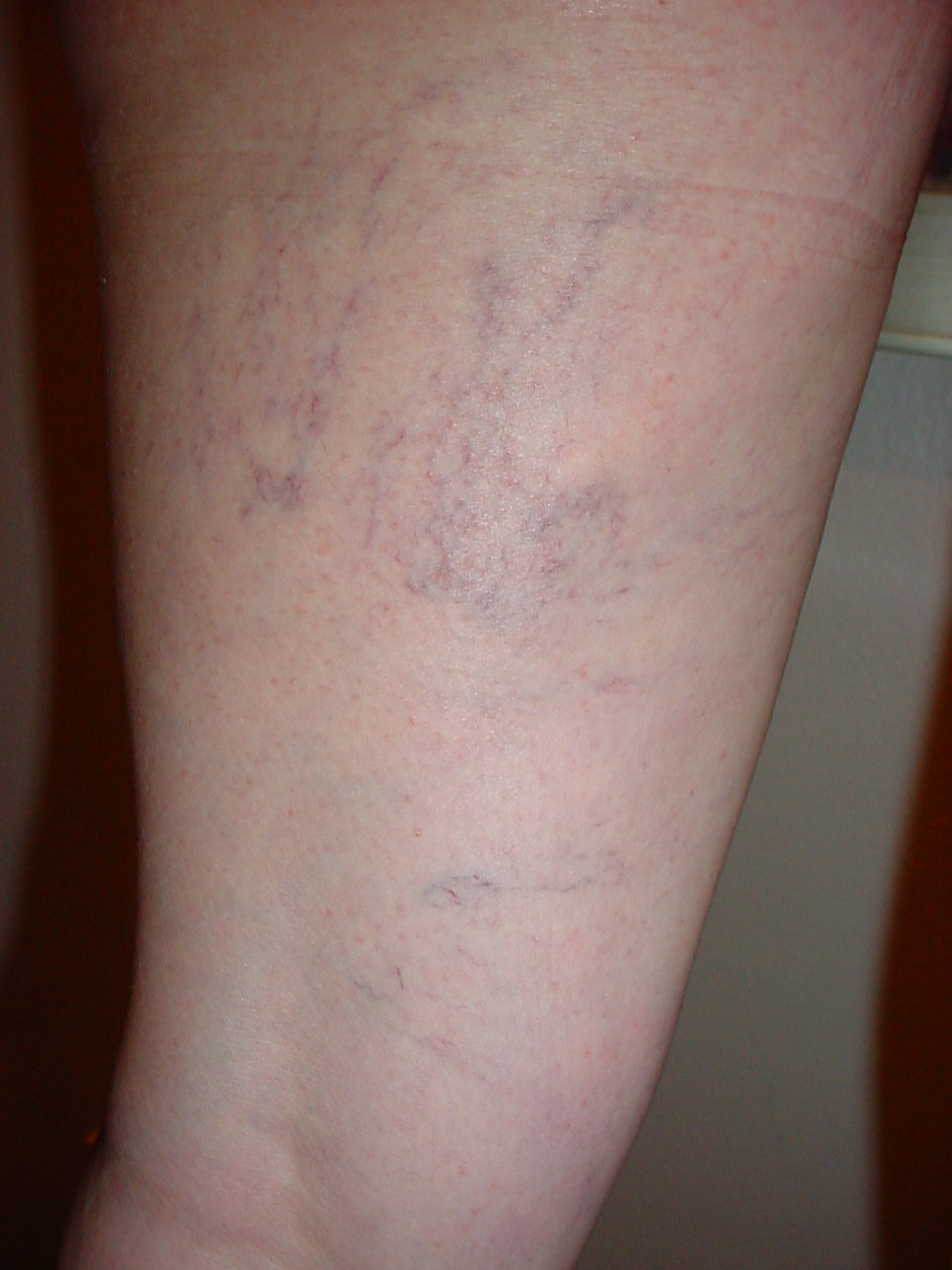
Varicose veins are a common condition that adults may notice at some point in their lives. These enlarged, twisted veins often appear on the legs and feet, and they can range from a minor cosmetic concern to a source of physical discomfort. Because they develop gradually, people may live with them for years before seeking guidance.

What Are Varicose Veins?

Veins carry blood back toward the heart, and they rely on small one-way valves to keep blood moving in the correct direction. When these valves weaken or stop working properly, blood can pool inside the vein rather than flowing upward. This pooling causes the vein to stretch and bulge. This produces the swollen, rope-like appearance associated with varicose veins.

They most often develop in the legs because standing and walking place added pressure on the lower body. The veins may look blue, purple, or dark red, and they protrude visibly beneath the skin. Smaller clusters called spider veins can appear nearby, though these are typically flatter and thinner.

Several factors are linked to their development. Vein walls and valves naturally lose some elasticity over time, so age plays a role. Family history is another common factor, as the tendency toward weakened valves can be inherited. Pregnancy, prolonged periods of standing, and increased body weight may also contribute.

What Effects Do They Cause?

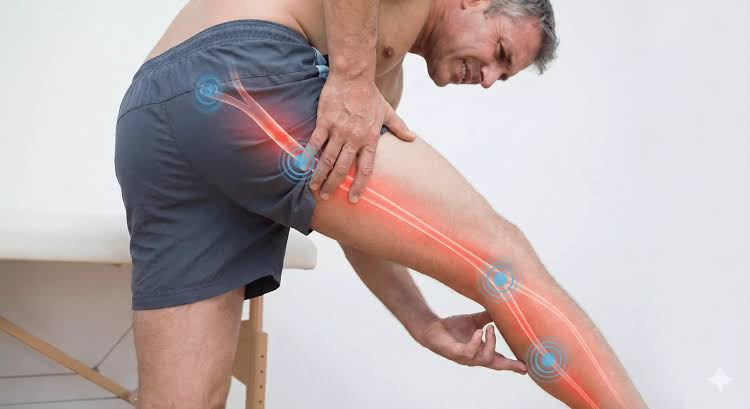
For some people, varicose veins remain primarily a visible change with little physical sensation. For others, the veins produce noticeable discomfort that affects daily activities. Common experiences reported by those with the condition include aching or heaviness in the legs. Swelling around the ankles and lower legs is another effect that people may describe; some notice throbbing, cramping, or a burning sensation near the affected veins. 

The skin surrounding a varicose vein can change in appearance or texture in certain cases. It may become dry, itchy, or discolored. When the condition progresses without attention, more pronounced changes can occur, and this is why monitoring any shifts in comfort or appearance is worthwhile. Keeping track of these signs allows you to share details with a medical professional, helping them evaluate your situation.

How Are They Treated?

A range of approaches exists for managing varicose veins, and the right path depends on the severity of the condition and the goals of the individual. People may begin with conservative measures. Lifestyle adjustments, such as regular movement, weight management, and elevating the legs during rest, are often suggested as supportive steps.

When further intervention is appropriate, several minimally invasive options are available. Sclerotherapy involves injecting a solution into the vein. This causes it to close and gradually fade. Laser and radiofrequency techniques use targeted energy to seal the affected vein, redirecting blood flow to healthier vessels nearby. These procedures are commonly performed on an outpatient basis, and they generally allow a relatively quick return to daily routines.

Consult a Vein Specialist

Varicose veins are a manageable condition, and understanding your options allows you to address them with clarity. A vein specialist can examine the affected area, identify the underlying cause, and outline suitable treatment paths based on your circumstances. Taking the step to speak with a specialist supports long-term leg health, facilitating care that allows you to move toward the results you seek.

  • The Effects of Varicose Veins
  • How Primary Care Providers Can Improve Your Health Outcomes
  • The Connection Between Neck Pain and Spinal Stenosis
  • The Role of Allergy Testing in Personalized Treatment Plans
  • The Benefits of Combining Botox with Other Non-Surgical Treatments
September 1, 2026 0 comments
0 FacebookTwitterPinterestEmail
How Primary Care Providers Can Improve Your Health Outcomes
Primary Care

How Primary Care Providers Can Improve Your Health Outcomes

by Richard September 1, 2026
written by Richard

Primary care is your main form of health care. Your provider guides diagnosis, treatment, and coordination, and they help you stay well. Many people delay care, but small issues can grow when ignored, and a trusted provider keeps you on track.

Prevention and Early Detection

Regular primary care checkups catch problems early, and early action keeps conditions from worsening. Your provider offers flu shots, COVID shots, and immunizations. These services protect you, and lab work reveals issues before symptoms appear. Screenings like STD testing add another layer of protection. Preventive care also gives your provider a clearer picture of your overall health. When lab results are reviewed regularly, patterns become visible, and those patterns guide better care decisions.

Your provider can identify risk factors before they become diagnoses, and addressing risk early is far easier than managing a condition later. On-site services make this process straightforward, since you can complete labs and screenings in one visit. Flu shots and immunizations are quick steps, but they carry real weight in protecting your long-term health. Each preventive service you complete adds to a more complete health profile, and that profile works in your favor over time. 

Management of Ongoing Conditions

Your provider handles chronic disease management, since consistent monitoring keeps conditions stable. An EKG can check your heart, weight loss programs support your goals, and a diet plan with a nutritionist reinforces daily habits that last. These tools work together for steady progress. Your provider tracks key indicators over time, and that tracking reveals whether your current treatment is working. When results shift, your provider adjusts the plan, and those adjustments keep your care from falling behind. Consistent monitoring is what keeps your health moving in the right direction. Supportive services play a meaningful role in this process. Your provider coordinates these resources so they work together, and that coordination reduces gaps. When your care team communicates and your services align, you spend less time managing logistics.

  • Regular monitoring tracks key health indicators and flags shifts in your condition early.
  • Coordinated services, including weight loss support, nutritionist-guided diet plans, and lab work, address the specific factors that drive chronic conditions.
  • EKG and diagnostic tools provide a closer look at heart health and other measurable risks.
  • Consistent follow-ups allow your provider to adjust your treatment plan before small changes become larger problems.

Access and Convenience

Access removes common barriers to care. Walk-in visits meet urgent needs without requiring a scheduled appointment. Telemedicine connects you from home when traveling or managing a busy schedule. Your provider treats colds and flu, strep throat, and minor injuries, and pre-op physicals prepare you for scheduled procedures without added stress. Convenient options make consistent care realistic. Telemedicine has expanded what access looks like for most people. You can connect with your provider from work, from home, or while traveling. That flexibility removes one of the most common reasons people skip care. When a concern comes up a lingering cough, a question about medication, or an unfamiliar symptom you do not have to wait for an available appointment slot. Virtual visits make it practical to address issues early, and early attention prevents minor problems from escalating. Walk-in visits serve a similar purpose for in-person needs.

Book Primary Care Today

Choose a provider you trust. Regular care leads to better outcomes, and a strong partnership keeps you informed at every stage. Schedule your first visit today, since you can start building a relationship that supports your long-term health. Your provider is ready to help you begin.

  • The Effects of Varicose Veins
  • How Primary Care Providers Can Improve Your Health Outcomes
  • The Connection Between Neck Pain and Spinal Stenosis
  • The Role of Allergy Testing in Personalized Treatment Plans
  • The Benefits of Combining Botox with Other Non-Surgical Treatments
September 1, 2026 0 comments
0 FacebookTwitterPinterestEmail
The Connection Between Neck Pain and Spinal Stenosis
Blog

The Connection Between Neck Pain and Spinal Stenosis

by Richard September 1, 2026
written by Richard

Neck pain results from several conditions, including spinal stenosis, which occurs when spaces within the spine narrow and press on nearby nerves. When spinal stenosis affects the cervical spine, it may cause stiffness, discomfort, numbness, or weakness. Here is a closer look at the connection between neck pain and spinal stenosis:

Understanding Spinal Narrowing

The cervical spine has seven bones stacked in the neck, and each one surrounds a central canal that protects the spinal cord. When this canal narrows, the surrounding tissues have less room, and pressure can build against sensitive structures. This pressure often shows up as neck pain, stiffness, or a general sense of tightness that does not resolve with rest.

Narrowing can develop slowly as the spine changes with age, though it may also occur after an injury or an existing spinal condition. Changes in the discs, joints, or ligaments reduce the open space, and the nerves that travel through the neck respond to that crowding. The result is discomfort that some people first notice as a dull neck pain.

Recognizing Symptoms Beyond Neck Discomfort

Spinal stenosis in the neck rarely stays contained to one area. The nerves affected by narrowing branch out to the shoulders, arms, and hands, so symptoms can travel far from their source. Here are some of the symptoms that may accompany neck pain:

  • Tingling or numbness: Compressed nerves can send pins-and-needles sensations into the arms, hands, or fingers.
  • Weakness in the arms or hands: Reduced nerve signals may make it harder to grip objects, and tasks like buttoning a shirt can become clumsy.
  • Balance changes: Pressure on the spinal cord can affect coordination, so walking may become unsteady.
  • Radiating pain: Discomfort may spread from the neck into the shoulder blades or down one arm, following the path of an irritated nerve.
  • Stiffness after rest: The neck may feel especially tight in the morning or after long periods of stillness.

Identifying Triggers

Certain daily habits can add strain to an already narrowed neck, and posture is one of them. Long hours spent looking down at a phone or leaning toward a screen keep the cervical spine bent, increasing pressure on the joints. Posture corrections can ease some of that daily load.

Past injuries also play a role in how neck pain develops. A car accident, a fall, or a sports collision can damage neck structures, and the effects surface after some time. People with earlier spinal conditions may find that these old injuries make current symptoms harder to manage.

Reviewing Treatments and Warning Signs

Care for neck pain linked to spinal stenosis ranges from gentle at-home strategies to hands-on medical support. The right approach depends on symptom severity and how long they have lasted. The following areas outline what to expect.

Treatment Approaches

Some people begin with conservative options that focus on movement and support. Physical therapy, targeted exercises, and posture adjustments often form the first stage of care. These methods aim to reduce pressure on the nerves. A provider may also suggest activity changes that align with your daily routine.

Signs That Require Prompt Attention

Some symptoms suggest a need for immediate action. Sudden weakness in the arms or legs, loss of coordination, or changes in bladder or bowel control are signals to take seriously. These signs may point to greater pressure on the spinal cord, and a professional evaluation becomes key at that stage.

Schedule Your Neck Pain Evaluation

Neck discomfort can arise from various causes, including muscle strain and serious underlying conditions. Recognizing common symptoms and monitoring warning signs is fundamental for addressing the problem early. If discomfort persists or you experience sudden weakness or loss of coordination, seek a professional evaluation. Contact a qualified orthopedic surgeon in your area to schedule your neck pain evaluation today.

  • The Effects of Varicose Veins
  • How Primary Care Providers Can Improve Your Health Outcomes
  • The Connection Between Neck Pain and Spinal Stenosis
  • The Role of Allergy Testing in Personalized Treatment Plans
  • The Benefits of Combining Botox with Other Non-Surgical Treatments

September 1, 2026 0 comments
0 FacebookTwitterPinterestEmail
The Role of Allergy Testing in Personalized Treatment Plans
Allergy & Immunology

The Role of Allergy Testing in Personalized Treatment Plans

by Richard September 1, 2026
written by Richard

Allergies can affect each person differently, with triggers ranging from pollen and pet dander to certain foods. Symptoms are able to vary from mild sneezing and irritation to more serious allergic reactions, depending on the individual and allergen. Allergy testing helps identify specific triggers, providing information that can guide personalized avoidance strategies and treatment recommendations. Here is more information about the role of allergy testing in personalized treatment plans: 

Identifying Individual Triggers

Allergic reactions occur when the immune system responds to specific substances known as allergens. Allergy testing helps identify these triggers and provide information about substances associated with a patient’s symptoms. These findings may also help distinguish suspected allergens from substances that do not produce a measurable reaction.

Common allergens include certain foods, medications, latex, pollen, pet dander, mold spores, dust mites, and insect stings. A provider helps review the patient’s symptoms and exposure history before selecting an appropriate testing method. Test results can then help guide personalized recommendations for allergen avoidance and symptom management.

Selecting Appropriate Tests

Allergy testing methods vary based on a patient’s symptoms, medical history, and suspected allergens. A specialist helps determine which testing approach fits the circumstances of each patient. Available testing methods may include:

  • Using blood tests to analyze a blood sample for antibodies associated with specific allergens
  • Using skin prick tests to expose the skin to potential allergens and observe possible reactions
  • Using skin injection tests to place small amounts of suspected allergens beneath the skin

Each testing method provides information that helps identify substances associated with allergic reactions. Blood testing may be appropriate when skin testing is unsuitable, while skin testing helps evaluate responses to selected allergens. The provider is able to review the results alongside the patient’s symptoms and history to guide further allergy management.

Interpreting Test Results

Allergy test results provide information about how the immune system responds to specific substances. A positive result may indicate sensitivity, but symptoms and medical history also provide context when interpreting the findings. Some patients are able to show sensitivity during testing without experiencing symptoms after everyday exposure. Reviewing these factors together helps distinguish clinically relevant allergies from sensitivities that may not cause symptoms.

Building Targeted Treatment

Testing helps provide information that helps shape treatment around a patient’s identified triggers. Treatment recommendations may vary depending on the allergen, symptoms, reaction history, and frequency of exposure. For example, allergies involving seasonal pollen are able to require a different management approach than allergies involving certain medications.

Treatment options may include oral medications, nasal sprays, eye drops, allergy shots, or emergency epinephrine for severe reactions. Each approach addresses different symptoms or risks, so recommendations depend on individual testing results and medical history. Combining test findings with reported symptoms can help guide a personalized approach to ongoing allergy management.

Schedule Your Allergy Testing Today

Personalized allergy management begins with identifying the substances associated with individual reactions. Allergy testing provides information that are able to guide treatment recommendations based on specific triggers, symptoms, and medical history. Testing may be helpful when recurring sneezing, congestion, watery eyes, or other allergy symptoms affect daily activities. Schedule an allergy testing appointment today to learn more about your triggers and available treatment options.

  • The Effects of Varicose Veins
  • How Primary Care Providers Can Improve Your Health Outcomes
  • The Connection Between Neck Pain and Spinal Stenosis
  • The Role of Allergy Testing in Personalized Treatment Plans
  • The Benefits of Combining Botox with Other Non-Surgical Treatments
September 1, 2026 0 comments
0 FacebookTwitterPinterestEmail
The Benefits of Combining Botox with Other Non-Surgical Treatments
Blog

The Benefits of Combining Botox with Other Non-Surgical Treatments

by Richard September 1, 2026
written by Richard

Botox can reduce the appearance of dynamic wrinkles by relaxing targeted facial muscles. When combined with other non-surgical treatments, it may address added concerns such as volume loss and uneven skin texture for more comprehensive results. Here are several benefits of combining Botox with other non-surgical treatments:

Addressing Multiple Concerns

Facial aging rarely shows up in one place; a single treatment usually targets one type of change. Botox works on dynamic lines caused by muscle movement, but other concerns require different tools. Combining approaches lets a provider handle several issues in a coordinated way.

Softening Dynamic Lines

Dynamic lines appear when you smile, squint, or raise your eyebrows, and Botox reduces the muscle activity that creates them. As the movement softens, the skin has less reason to fold, so those lines look gentler over time. This effect is focused, and it works best on expression-related creases rather than lines that stay visible at rest.

Restoring Volume and Contour

Volume loss can flatten the cheeks or deepen folds around the mouth, and Botox alone does not address that change. Dermal fillers add structure to these areas, so the face regains its shape while Botox handles movement above it. When a provider pairs the two, one treatment smooths motion and the other supports contour, and together they address a broad range of concerns.

Creating Balanced Results

Balance matters because overtreating one area can draw attention to another, and a coordinated plan helps avoid that outcome. When Botox reduces movement in the upper face, fillers or skin treatments can restore harmony elsewhere, so no single feature stands out. Providers who combine treatments watch how each one affects the whole face, and they adjust amounts to keep proportions even. This measured method supports a refreshed look that still reads as your own.

Personalizing the Treatment Plan

A helpful plan starts with your goals and your current features. A provider reviews your skin, muscle movement, and areas of concern before recommending any combination. This assessment influences the treatments you receive, how much, and in what order. The following elements often guide a personalized plan:

  • Botox placement: The provider targets specific muscles that create the lines you want to soften, and dosing stays measured for a natural finish.
  • Filler selection: Different fillers suit different areas, so the choice depends on whether the goal is added volume, smoother folds, or refined contour.
  • Skin treatments: Options such as chemical peels or laser resurfacing can improve texture and tone, and they complement injectables.
  • Treatment timing: Some procedures pair well in one visit, while others work better spaced apart, so scheduling reflects your comfort and results.
  • Follow-up review: A provider checks your progress and fine-tunes the plan, keeping outcomes aligned with your original goals.

Achieving Results With Minimal Downtime

One appeal of combining non-surgical treatments is the limited recovery time; adults often return to daily activities soon after a session. Botox injections take only minutes, and side effects are usually mild. When treatments are grouped thoughtfully, you can address several concerns in fewer visits, which saves time while keeping recovery manageable. A provider will explain what to expect after each treatment and provide aftercare guidance so you know how to care for your skin.

Book Your Botox Consultation Today

Combining Botox with other non-surgical treatments gives adults a flexible way to address expression lines, volume loss, and skin texture in one coordinated plan. Botox softens the movement behind dynamic lines, fillers restore contour, and skin treatments can refine the surface. A personalized approach keeps results balanced and natural. Contact a modern medical spa near you to book your Botox consultation today. 

  • The Effects of Varicose Veins
  • How Primary Care Providers Can Improve Your Health Outcomes
  • The Connection Between Neck Pain and Spinal Stenosis
  • The Role of Allergy Testing in Personalized Treatment Plans
  • The Benefits of Combining Botox with Other Non-Surgical Treatments
September 1, 2026 0 comments
0 FacebookTwitterPinterestEmail
Exploring Innovative Treatments in Podiatry
Podiatry

Exploring Innovative Treatments in Podiatry

by Richard August 31, 2026
written by Richard

Foot pain can affect walking, exercise, work, and other activities that depend on comfortable movement. Modern podiatry uses diagnostic tools and treatment approaches to evaluate conditions affecting the feet and ankles. Understanding available podiatric care options can help patients discuss their symptoms and treatment needs with a qualified provider. Here is more information about innovative treatments in podiatry: 

Diagnosing With Advanced Technology

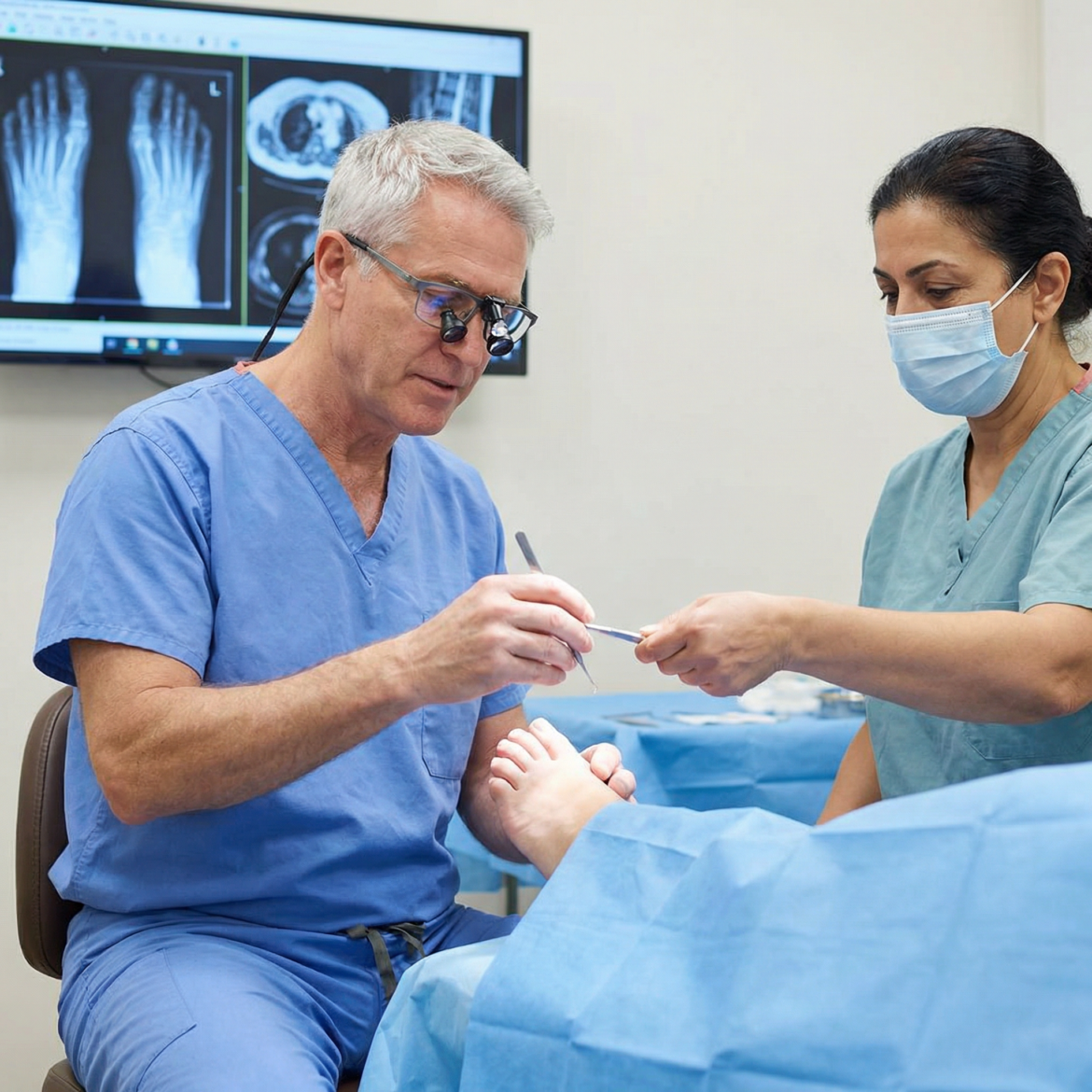
Diagnostic technology plays a role in podiatry by helping providers evaluate pain and identify conditions affecting the feet and ankles. Imaging provides detailed information about internal structures, while a physical examination offers additional insight into symptoms. Together, these findings help podiatrists determine which treatment approaches may fit each patient’s needs.

Gait analysis examines how the feet, ankles, and lower limbs move while a patient walks. During the assessment, specialized technology is able to record movement patterns that place added stress on certain areas. Providers can use these observations alongside other findings to develop an individualized treatment plan.

Correcting With Custom Orthotics

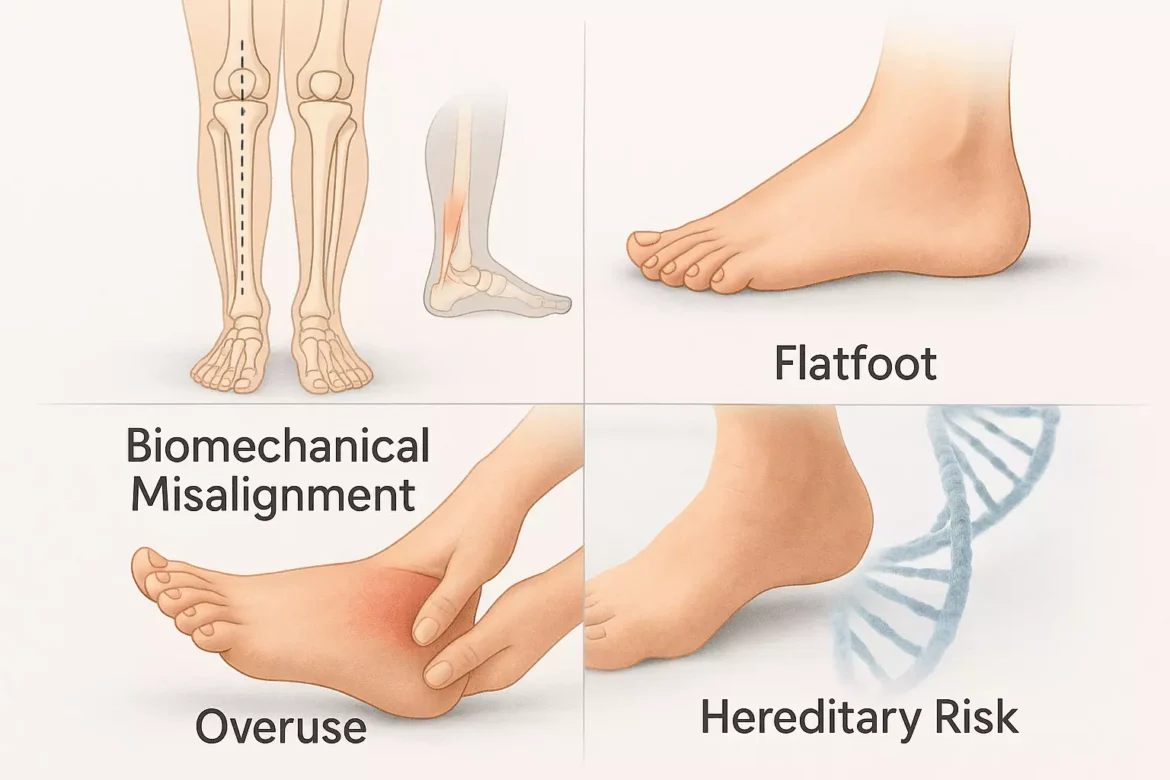
Custom orthotics provide personalized support based on the shape, structure, and movement of an individual’s feet. Providers may use detailed measurements to create devices that distribute pressure and support alignment during walking. Orthotics help manage conditions such as flat feet, plantar fasciitis, and heel spurs by reducing strain on affected areas. Patients can wear these devices inside compatible everyday shoes as part of an ongoing podiatric treatment plan.

Treating With Conservative Methods

Conservative podiatric care may provide a nonsurgical starting point for many foot and ankle concerns. Podiatrists are able to recommend these approaches for conditions such as tendonitis, arthritis, and ingrown toenails. Treatment selection depends on the condition, symptoms, activity level, and findings from the patient’s evaluation.

Conservative treatments are able to include supportive care and other methods that allow the body time to recover. Providers can explain available options, expected recovery, and how each approach relates to the patient’s goals. Ongoing communication also allows patients to understand their treatment plan and participate in decisions about their care.

Restoring With Modern Surgery

Surgery are able to become an option when conservative treatments do not adequately address a foot or ankle condition. Podiatric surgeons are able to perform procedures using approaches selected according to the patient’s diagnosis and treatment needs. Surgical planning may also account for symptoms, mobility, and the structures involved.

Minimally invasive techniques use smaller incisions to address certain foot and ankle conditions. Traditional open surgery may remain appropriate when a condition requires greater access to the affected area. The surgical approach varies based on the condition, its severity, and the patient’s individual circumstances.

Conditions such as bunions, hammertoes, and foot or ankle fractures may require surgical treatment in some cases. Surgery is able to address structural problems that affect movement, alignment, or everyday activities. Patients can discuss surgical options, recovery expectations, and activity guidelines with their podiatric surgeon.

Book Your Podiatry Appointment Today

Foot and ankle concerns can affect mobility, comfort, and participation in everyday activities. A podiatry appointment provides an opportunity to evaluate symptoms and identify possible sources of discomfort. Your provider is able to discuss available treatment options based on your condition, needs, and activity goals. Schedule a podiatry appointment today to learn more about your foot and ankle care options.

  • The Effects of Varicose Veins
  • How Primary Care Providers Can Improve Your Health Outcomes
  • The Connection Between Neck Pain and Spinal Stenosis
  • The Role of Allergy Testing in Personalized Treatment Plans
  • The Benefits of Combining Botox with Other Non-Surgical Treatments
August 31, 2026 0 comments
0 FacebookTwitterPinterestEmail
Recognizing the Symptoms of Ankle Sprains
Podiatry

Recognizing the Symptoms of Ankle Sprains

by Richard August 31, 2026
written by Richard

A single misstep or an awkward landing after a jump can stretch or damage the tissues that hold the ankle together. Many sprains heal with proper care at home, but some involve more serious damage that benefits from a professional evaluation. Knowing what an ankle sprain is, as well as how to recognize one, can help you respond wisely if you experience this injury.

What Is an Ankle Sprain?

An ankle sprain occurs when the ligaments that support the joint are stretched beyond their normal limits or torn. Ligaments refer to strong bands of tissue that connect bones, and they keep the joint stable during movement. When the ankle rolls, twists, or bends in an unnatural direction, these bands can suffer partial or complete tears.

Most sprains affect the ligaments on the outer side of the ankle. The severity ranges from mild overstretching to a full tear, which leaves the joint unstable. Certain factors raise the likelihood of a sprain. People who have injured an ankle before face a greater chance of hurting it again; limited strength or flexibility in the joint, footwear that fits poorly or lacks support, and participation in sports that involve jumping or quick direction changes also add to the risk.

What Are the Symptoms?

The signs of an ankle sprain vary with the extent of the damage. A mild injury may cause only slight discomfort; a more serious tear will produce noticeable swelling and difficulty moving the joint. There are some common symptoms associated with sprains, including:

  • Pain
  • Swelling around the joint
  • Bruising or discoloration
  • Popping sensation or sound at the moment the injury happens
  • Sense that the ankle is unstable or may give way
  • Range of motion reduction
  • Tenderness when the area is touched

Some symptoms overlap with those of a fracture, which is one reason a medical assessment can be worthwhile.

How Is One Treated?

Treatment depends on how serious the sprain is. The aim of treatment is to reduce pain and swelling, and restoring movement, strength, and stability to the joint is the goal afterward. For the first few days, people may follow the R.I.C.E. method:

  • Rest: Avoid activities that trigger pain or worsen swelling.
  • Ice: Apply a cold pack for roughly 15 to 20 minutes at a time, with a thin cloth between the ice and the skin.
  • Compression: Wrap the ankle with a bandage to limit swelling.
  • Elevation: Raise the ankle above the level of the heart when possible to help fluid drain away.

Over-the-counter pain relievers can help manage discomfort during early recovery. Depending on the injury, an elastic bandage, brace, or athletic tape may stabilize the joint. A more serious sprain can call for a walking boot or a short period on crutches; these help keep pressure off the ankle while it heals.

Once pain and swelling ease, a healthcare professional or physical therapist may recommend exercises that rebuild strength, flexibility, and balance. Imaging tests can be used to check for fractures or ligament damage. Surgery is rarely needed, and it is generally reserved for cases where the ankle remains unstable after an extended period of rehabilitation.

Seek Professional Sports Medicine Care

A sprain that seems minor at first may develop into a lasting problem when it goes unaddressed. A sports medicine evaluation can identify the true extent of the damage, and it is able to distinguish a simple sprain from a more complex injury that requires targeted care. If your ankle pain, swelling, or instability does not improve with home care, reaching out to a sports medicine provider is a sound next step.

  • The Effects of Varicose Veins
  • How Primary Care Providers Can Improve Your Health Outcomes
  • The Connection Between Neck Pain and Spinal Stenosis
  • The Role of Allergy Testing in Personalized Treatment Plans
  • The Benefits of Combining Botox with Other Non-Surgical Treatments
August 31, 2026 0 comments
0 FacebookTwitterPinterestEmail
Tips for Partnering With a Podiatrist for Foot Health
Podiatry

Tips for Partnering With a Podiatrist for Foot Health

by Richard August 31, 2026
written by Richard

Healthy feet are fundamental to quality of life; they can also indicate overall health. A podiatrist is a physician and surgeon who treats the foot and ankle, and this specialist receives focused medical training. Feet are complex structures that support movement. Because podiatrists treat a wide range of conditions, their role covers many forms of care, and understanding that role can clarify how foot and ankle treatment is provided.

Understanding a Podiatrist’s Training

Podiatrists are Doctors of Podiatric Medicine, or DPMs. They are physicians, surgeons, and specialists, and their training focuses on the foot and ankle. A podiatrist completes four years of undergraduate education, four years of podiatric medical school, and three years of hospital-based surgical residency training; their education is similar to that of other physicians. Podiatrists can also focus on areas such as surgery, sports medicine, wound care, pediatrics, and diabetic care. Although state laws can affect a podiatrist’s scope of practice, all states permit podiatrists to treat the foot; the scope can vary by state.

Knowing What Podiatrists Treat

A podiatrist treats foot and ankle conditions across every stage of life. Common concerns include bunions, ingrown toenails, foot fungus, plantar fasciitis, hammertoe, corns, calluses, bone deformities, and diabetic foot problems; the practice also treats sports injuries and pediatric foot problems. Podiatrists treat arthritis, Achilles tendinitis, fractures, strains, and sprains, and they also address other foot and ankle injuries while treating patients across areas such as sports medicine and pediatrics. These conditions vary in type. When conditions vary, podiatrists can also treat patients with chronic illnesses such as diabetes, arthritis, obesity, heart disease, and peripheral arterial disease.

They use conservative treatments when possible; surgical care is also available for foot and ankle conditions. Conservative treatments include taping, splinting, bracing, medication, custom-fitted orthotics, physical therapy, and wound care. The practice provides foot and ankle surgery. When surgery is part of care, the practice provides foot and ankle surgery, and in-house X-rays are available. Modern technology supports podiatry care, and the practice uses it as part of its treatment approach.

Recognizing When Pain Signals a Problem

Foot pain is never normal. Persistent pain can indicate a foot or ankle condition, and doctors evaluate the source of leg, heel, foot, and ankle pain. The practice focuses on finding the root cause of foot and ankle problems; it personalizes treatment based on patient needs. Podiatrists treat patients with chronic illnesses. When conditions such as diabetes affect the feet, podiatric care can be part of a broader health-care team, and treatment addresses foot and ankle problems.

Schedule a Podiatry Evaluation

A clinic provides medical and surgical care for the foot and ankle. Foot health relates to overall health; they can treat conditions that affect the foot and ankle. Podiatrists also provide care for people with chronic illnesses, and their role can extend across specialties such as surgery, sports medicine, wound care, pediatrics, and diabetic care. When a foot or ankle concern requires evaluation, scheduling an appointment with a podiatrist provides an opportunity to discuss the condition and available treatment options.

  • The Effects of Varicose Veins
  • How Primary Care Providers Can Improve Your Health Outcomes
  • The Connection Between Neck Pain and Spinal Stenosis
  • The Role of Allergy Testing in Personalized Treatment Plans
  • The Benefits of Combining Botox with Other Non-Surgical Treatments

August 31, 2026 0 comments
0 FacebookTwitterPinterestEmail
Steps To Take Immediately After an Auto Accident
Blog

Steps To Take Immediately After an Auto Accident

by Richard August 31, 2026
written by Richard

An auto accident injury is any physical harm sustained during a vehicle collision, ranging from minor bruises and whiplash to fractures, spinal damage, or internal trauma. After a crash, the body often releases adrenaline, which can temporarily mask pain and discomfort. As a result, some people walk away from an accident feeling fine, only to notice symptoms hours or even days later. Taking the appropriate steps soon after a collision can help protect your health and support your recovery process. Here are the steps to take immediately after an auto accident:

Get a Timely Medical Assessment

A prompt medical assessment is an invaluable step after an auto accident. Even if you seem uninjured, a healthcare provider can identify problems that aren’t immediately obvious. Certain injuries, such as concussions or soft tissue damage, may not produce noticeable symptoms right away. Seeking evaluation soon after the incident also creates a documented record of your condition; this documentation may help with insurance claims and any legal matters that follow. A timely assessment gives you a clearer picture of your health and helps guide the next steps in your care.

Schedule Necessary Follow-up

After your initial evaluation, follow-up care helps track how your body responds over time. Some symptoms develop gradually, and regular check-ins let your provider monitor your progress and adjust your care as needed. Follow-up appointments give you the opportunity to report new or worsening symptoms, allowing your provider to:

  • Order Imaging Tests
  • Recommend Additional Evaluations
  • Refer You to a Specialist

Keeping these appointments supports a more complete understanding of your recovery and helps address issues before they progress.

Manage Your Condition

To manage your condition effectively, many pain specialists will include a combination of approaches to support your needs. Rest is a key part of early recovery, giving your body time to heal by reducing strain on affected areas. Adequate rest can help you avoid additional stress on injured tissues during this period. Depending on the nature and severity of your injuries, physical therapy may also play a role in your rehabilitation. A structured therapy program can help restore range of motion, rebuild strength, and improve mobility over time. 

For more serious injuries, a pain management specialist may recommend additional interventions. Your care team may discuss surgery when structural damage requires repair, and suggest interventional pain-relieving procedures to address ongoing discomfort. Your care team may explore these options when other approaches haven’t fully resolved the issue, and they will discuss the details with you before proceeding. Following the care plan your provider outlines, attending scheduled sessions, and communicating openly about your symptoms all contribute to a more organized recovery. Managing your condition is an ongoing process that may evolve as your body heals.

Stay Healthy After an Auto Accident

Recovering from an auto accident takes time, attention, and the right medical support. Because some injuries develop gradually, staying attentive to changes in how you feel is fundamental throughout your recovery. Prompt medical assessment, consistent follow-up care, and a personalized management plan all help protect your long-term health. If you continue to experience pain or discomfort after a car accident, contact a pain management specialist for care. A specialist can evaluate your condition and help you develop a plan suited to your specific situation.

  • The Effects of Varicose Veins
  • How Primary Care Providers Can Improve Your Health Outcomes
  • The Connection Between Neck Pain and Spinal Stenosis
  • The Role of Allergy Testing in Personalized Treatment Plans
  • The Benefits of Combining Botox with Other Non-Surgical Treatments
August 31, 2026 0 comments
0 FacebookTwitterPinterestEmail
When To Consult a CPAP Clinic for Equipment Adjustments
Sleep Health

When To Consult a CPAP Clinic for Equipment Adjustments

by Richard August 28, 2026
written by Richard

A CPAP (continuous positive airway pressure) machine delivers a steady stream of pressurized air through a mask to keep the airway open during sleep, helping people manage sleep apnea. A CPAP clinic is a specialized facility where trained staff fit, calibrate, and service this equipment. At these facilities, clinicians can adjust mask size, replace worn parts, and modify air pressure settings so the system works as intended. Knowing when to schedule a visit can help you keep your equipment in good working order. Here’s information on when to contact a CPAP clinic for equipment adjustments:

For General Follow-up Care

Routine follow-up appointments are part of ongoing CPAP use. During these visits, clinic staff review equipment performance and check for signs of wear on the tubing, filters, and mask. Many machines record usage data, and a clinician can review this information to confirm the settings still match your prescription.

Follow-up care also gives you a chance to ask questions about cleaning, storage, and replacement schedules. Filters, cushions, and headgear degrade over time, so periodic checks help you know when parts need to be swapped out. If it has been several months since your last check-in, or if your provider recommends a specific interval, schedule a follow-up appointment at a CPAP clinic.

For Mask Adjustments

The mask is a fundamental component of a CPAP system; a poor fit can cause air leaks, skin irritation, or discomfort. If your current style no longer feels right, a clinician can recommend an alternative and fit it properly. Weight changes, facial hair, or new dental work can all affect how a mask sits, so a professional adjustment helps restore a comfortable seal. Clinic staff can measure your face and adjust the headgear tension, and CPAP masks come in several styles for versatility. If you notice red marks on your face, hear whistling from the mask edges, or feel air escaping near your eyes, a clinic can help.

For Machine and Air Pressure Adjustments

For a CPAP machine to operate optimally, a physician prescribes air pressure settings, and the machine programs them. Your therapy needs may change with time, and a sleep clinic can update these settings when appropriate. Never adjust pressure settings on your own unless told otherwise; a trained clinician should handle any changes.

Certain situations may benefit from a conversation with your clinic. These include ongoing snoring, waking frequently, or feeling that the airflow is too strong or too weak. Report these observations to your provider, who can determine whether you need a pressure evaluation. Beyond pressure, the machine itself also requires occasional servicing.

Motors, humidifier chambers, and heated tubing can wear down with regular use, which is why follow-up is a necessary part of CPAP therapy plans. A clinic can inspect these parts, clean internal components, and confirm the device runs correctly. If your machine displays error messages or makes unusual sounds, staff can diagnose the issue and arrange repairs or a replacement.

Find a CPAP Clinic Today

Regular contact with a CPAP clinic helps you maintain equipment that fits well and functions as prescribed. Staying in touch with professionals helps address small problems before they become bigger ones. To locate an appropriate clinic near you, start by asking your primary care physician or sleep specialist for a referral. You can also search online directories or contact your insurance provider for a list of covered facilities in your area. When you find a clinic, ask about their services, hours, and appointment process so you know what to expect.

  • The Effects of Varicose Veins
  • How Primary Care Providers Can Improve Your Health Outcomes
  • The Connection Between Neck Pain and Spinal Stenosis
  • The Role of Allergy Testing in Personalized Treatment Plans
  • The Benefits of Combining Botox with Other Non-Surgical Treatments
August 28, 2026 0 comments
0 FacebookTwitterPinterestEmail
Newer Posts
Older Posts

Recent Posts

  • The Effects of Varicose Veins
  • How Primary Care Providers Can Improve Your Health Outcomes
  • The Connection Between Neck Pain and Spinal Stenosis
  • The Role of Allergy Testing in Personalized Treatment Plans
  • The Benefits of Combining Botox with Other Non-Surgical Treatments

Recent Comments

No comments to show.

Keep in touch

Facebook Twitter Instagram Pinterest Linkedin Youtube

Recent Posts

  • The Effects of Varicose Veins

  • How Primary Care Providers Can Improve Your Health Outcomes

  • The Connection Between Neck Pain and Spinal Stenosis

  • The Role of Allergy Testing in Personalized Treatment Plans

  • The Benefits of Combining Botox with Other Non-Surgical Treatments

  • Exploring Innovative Treatments in Podiatry

Newsletter

Categories

  • Allergy & Immunology (1)
  • Blog (6)
  • Cardiology (2)
  • Dentistry (2)
  • Elderly Care (2)
  • Gynecology (2)
  • Podiatry (3)
  • Primary Care (1)
  • Sleep Health (1)
  • Urology (2)
Gizmocrunch.com
  • Gizmocrunch.com
  • About Us
  • Privacy Policy
  • Contact Us
Ryantylerofficial91@gmail.com
  • Categories
    • Cardiology
    • Dentistry
    • Elderly Care
    • Gynecology
    • Urology
    • Blog HOT
    • Podiatry hot
Editors' Picks
The Effects of Varicose Veins
How Primary Care Providers Can Improve Your Health Outcomes

@2026 – All Right Reserved. Gizmocrunchs.com

Facebook-f Twitter Youtube Tiktok Linkedin-in
gizmocrunchs.com
  • Cardiology
  • Dentistry
  • Elderly Care
gizmocrunchs.com
  • Gynecology
  • Urology
  • Blog
    • Pain Management
    • Podiatry
    • Nutrition
    • Women’s Health
    • Internal Medicine
    • Primary Care