• Cardiology
  • Dentistry
  • Elderly Care
gizmocrunchs.com
  • Gynecology
  • Urology
  • Blog
    • Pain Management
    • Podiatry
    • Nutrition
    • Women’s Health
    • Internal Medicine
    • Primary Care
Category:

Blog

The Effects of Varicose Veins
Blog

The Effects of Varicose Veins

by Richard September 1, 2026
written by Richard

Varicose veins are a common condition that adults may notice at some point in their lives. These enlarged, twisted veins often appear on the legs and feet, and they can range from a minor cosmetic concern to a source of physical discomfort. Because they develop gradually, people may live with them for years before seeking guidance.

What Are Varicose Veins?

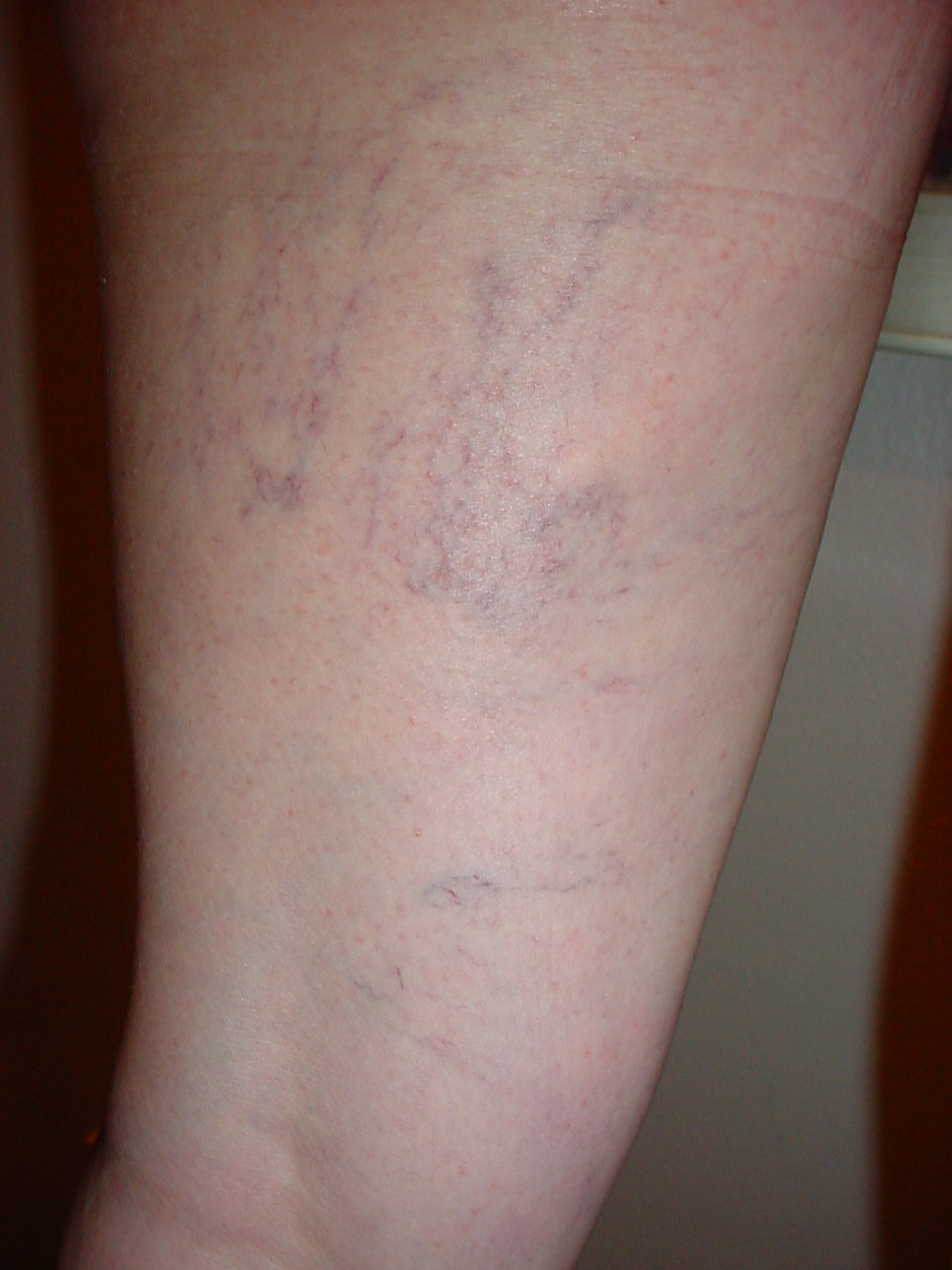
Veins carry blood back toward the heart, and they rely on small one-way valves to keep blood moving in the correct direction. When these valves weaken or stop working properly, blood can pool inside the vein rather than flowing upward. This pooling causes the vein to stretch and bulge. This produces the swollen, rope-like appearance associated with varicose veins.

They most often develop in the legs because standing and walking place added pressure on the lower body. The veins may look blue, purple, or dark red, and they protrude visibly beneath the skin. Smaller clusters called spider veins can appear nearby, though these are typically flatter and thinner.

Several factors are linked to their development. Vein walls and valves naturally lose some elasticity over time, so age plays a role. Family history is another common factor, as the tendency toward weakened valves can be inherited. Pregnancy, prolonged periods of standing, and increased body weight may also contribute.

What Effects Do They Cause?

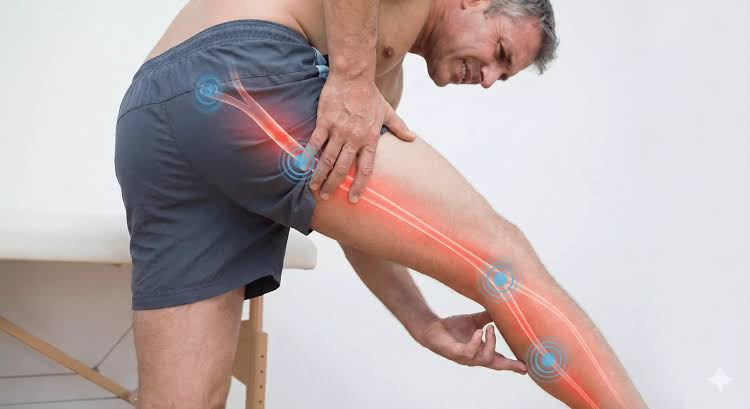
For some people, varicose veins remain primarily a visible change with little physical sensation. For others, the veins produce noticeable discomfort that affects daily activities. Common experiences reported by those with the condition include aching or heaviness in the legs. Swelling around the ankles and lower legs is another effect that people may describe; some notice throbbing, cramping, or a burning sensation near the affected veins. 

The skin surrounding a varicose vein can change in appearance or texture in certain cases. It may become dry, itchy, or discolored. When the condition progresses without attention, more pronounced changes can occur, and this is why monitoring any shifts in comfort or appearance is worthwhile. Keeping track of these signs allows you to share details with a medical professional, helping them evaluate your situation.

How Are They Treated?

A range of approaches exists for managing varicose veins, and the right path depends on the severity of the condition and the goals of the individual. People may begin with conservative measures. Lifestyle adjustments, such as regular movement, weight management, and elevating the legs during rest, are often suggested as supportive steps.

When further intervention is appropriate, several minimally invasive options are available. Sclerotherapy involves injecting a solution into the vein. This causes it to close and gradually fade. Laser and radiofrequency techniques use targeted energy to seal the affected vein, redirecting blood flow to healthier vessels nearby. These procedures are commonly performed on an outpatient basis, and they generally allow a relatively quick return to daily routines.

Consult a Vein Specialist

Varicose veins are a manageable condition, and understanding your options allows you to address them with clarity. A vein specialist can examine the affected area, identify the underlying cause, and outline suitable treatment paths based on your circumstances. Taking the step to speak with a specialist supports long-term leg health, facilitating care that allows you to move toward the results you seek.

  • The Effects of Varicose Veins
  • How Primary Care Providers Can Improve Your Health Outcomes
  • The Connection Between Neck Pain and Spinal Stenosis
  • The Role of Allergy Testing in Personalized Treatment Plans
  • The Benefits of Combining Botox with Other Non-Surgical Treatments
September 1, 2026 0 comments
0 FacebookTwitterPinterestEmail
The Connection Between Neck Pain and Spinal Stenosis
Blog

The Connection Between Neck Pain and Spinal Stenosis

by Richard September 1, 2026
written by Richard

Neck pain results from several conditions, including spinal stenosis, which occurs when spaces within the spine narrow and press on nearby nerves. When spinal stenosis affects the cervical spine, it may cause stiffness, discomfort, numbness, or weakness. Here is a closer look at the connection between neck pain and spinal stenosis:

Understanding Spinal Narrowing

The cervical spine has seven bones stacked in the neck, and each one surrounds a central canal that protects the spinal cord. When this canal narrows, the surrounding tissues have less room, and pressure can build against sensitive structures. This pressure often shows up as neck pain, stiffness, or a general sense of tightness that does not resolve with rest.

Narrowing can develop slowly as the spine changes with age, though it may also occur after an injury or an existing spinal condition. Changes in the discs, joints, or ligaments reduce the open space, and the nerves that travel through the neck respond to that crowding. The result is discomfort that some people first notice as a dull neck pain.

Recognizing Symptoms Beyond Neck Discomfort

Spinal stenosis in the neck rarely stays contained to one area. The nerves affected by narrowing branch out to the shoulders, arms, and hands, so symptoms can travel far from their source. Here are some of the symptoms that may accompany neck pain:

  • Tingling or numbness: Compressed nerves can send pins-and-needles sensations into the arms, hands, or fingers.
  • Weakness in the arms or hands: Reduced nerve signals may make it harder to grip objects, and tasks like buttoning a shirt can become clumsy.
  • Balance changes: Pressure on the spinal cord can affect coordination, so walking may become unsteady.
  • Radiating pain: Discomfort may spread from the neck into the shoulder blades or down one arm, following the path of an irritated nerve.
  • Stiffness after rest: The neck may feel especially tight in the morning or after long periods of stillness.

Identifying Triggers

Certain daily habits can add strain to an already narrowed neck, and posture is one of them. Long hours spent looking down at a phone or leaning toward a screen keep the cervical spine bent, increasing pressure on the joints. Posture corrections can ease some of that daily load.

Past injuries also play a role in how neck pain develops. A car accident, a fall, or a sports collision can damage neck structures, and the effects surface after some time. People with earlier spinal conditions may find that these old injuries make current symptoms harder to manage.

Reviewing Treatments and Warning Signs

Care for neck pain linked to spinal stenosis ranges from gentle at-home strategies to hands-on medical support. The right approach depends on symptom severity and how long they have lasted. The following areas outline what to expect.

Treatment Approaches

Some people begin with conservative options that focus on movement and support. Physical therapy, targeted exercises, and posture adjustments often form the first stage of care. These methods aim to reduce pressure on the nerves. A provider may also suggest activity changes that align with your daily routine.

Signs That Require Prompt Attention

Some symptoms suggest a need for immediate action. Sudden weakness in the arms or legs, loss of coordination, or changes in bladder or bowel control are signals to take seriously. These signs may point to greater pressure on the spinal cord, and a professional evaluation becomes key at that stage.

Schedule Your Neck Pain Evaluation

Neck discomfort can arise from various causes, including muscle strain and serious underlying conditions. Recognizing common symptoms and monitoring warning signs is fundamental for addressing the problem early. If discomfort persists or you experience sudden weakness or loss of coordination, seek a professional evaluation. Contact a qualified orthopedic surgeon in your area to schedule your neck pain evaluation today.

  • The Effects of Varicose Veins
  • How Primary Care Providers Can Improve Your Health Outcomes
  • The Connection Between Neck Pain and Spinal Stenosis
  • The Role of Allergy Testing in Personalized Treatment Plans
  • The Benefits of Combining Botox with Other Non-Surgical Treatments

September 1, 2026 0 comments
0 FacebookTwitterPinterestEmail
The Benefits of Combining Botox with Other Non-Surgical Treatments
Blog

The Benefits of Combining Botox with Other Non-Surgical Treatments

by Richard September 1, 2026
written by Richard

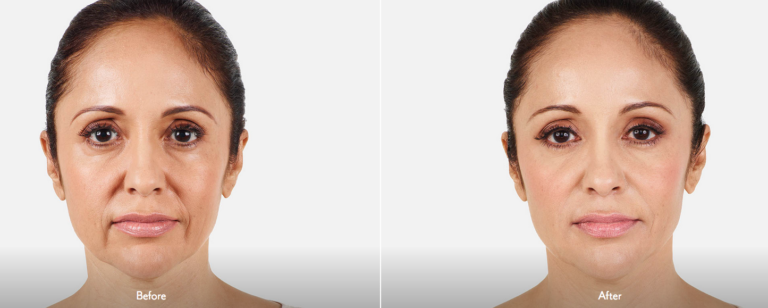
Botox can reduce the appearance of dynamic wrinkles by relaxing targeted facial muscles. When combined with other non-surgical treatments, it may address added concerns such as volume loss and uneven skin texture for more comprehensive results. Here are several benefits of combining Botox with other non-surgical treatments:

Addressing Multiple Concerns

Facial aging rarely shows up in one place; a single treatment usually targets one type of change. Botox works on dynamic lines caused by muscle movement, but other concerns require different tools. Combining approaches lets a provider handle several issues in a coordinated way.

Softening Dynamic Lines

Dynamic lines appear when you smile, squint, or raise your eyebrows, and Botox reduces the muscle activity that creates them. As the movement softens, the skin has less reason to fold, so those lines look gentler over time. This effect is focused, and it works best on expression-related creases rather than lines that stay visible at rest.

Restoring Volume and Contour

Volume loss can flatten the cheeks or deepen folds around the mouth, and Botox alone does not address that change. Dermal fillers add structure to these areas, so the face regains its shape while Botox handles movement above it. When a provider pairs the two, one treatment smooths motion and the other supports contour, and together they address a broad range of concerns.

Creating Balanced Results

Balance matters because overtreating one area can draw attention to another, and a coordinated plan helps avoid that outcome. When Botox reduces movement in the upper face, fillers or skin treatments can restore harmony elsewhere, so no single feature stands out. Providers who combine treatments watch how each one affects the whole face, and they adjust amounts to keep proportions even. This measured method supports a refreshed look that still reads as your own.

Personalizing the Treatment Plan

A helpful plan starts with your goals and your current features. A provider reviews your skin, muscle movement, and areas of concern before recommending any combination. This assessment influences the treatments you receive, how much, and in what order. The following elements often guide a personalized plan:

  • Botox placement: The provider targets specific muscles that create the lines you want to soften, and dosing stays measured for a natural finish.
  • Filler selection: Different fillers suit different areas, so the choice depends on whether the goal is added volume, smoother folds, or refined contour.
  • Skin treatments: Options such as chemical peels or laser resurfacing can improve texture and tone, and they complement injectables.
  • Treatment timing: Some procedures pair well in one visit, while others work better spaced apart, so scheduling reflects your comfort and results.
  • Follow-up review: A provider checks your progress and fine-tunes the plan, keeping outcomes aligned with your original goals.

Achieving Results With Minimal Downtime

One appeal of combining non-surgical treatments is the limited recovery time; adults often return to daily activities soon after a session. Botox injections take only minutes, and side effects are usually mild. When treatments are grouped thoughtfully, you can address several concerns in fewer visits, which saves time while keeping recovery manageable. A provider will explain what to expect after each treatment and provide aftercare guidance so you know how to care for your skin.

Book Your Botox Consultation Today

Combining Botox with other non-surgical treatments gives adults a flexible way to address expression lines, volume loss, and skin texture in one coordinated plan. Botox softens the movement behind dynamic lines, fillers restore contour, and skin treatments can refine the surface. A personalized approach keeps results balanced and natural. Contact a modern medical spa near you to book your Botox consultation today. 

  • The Effects of Varicose Veins
  • How Primary Care Providers Can Improve Your Health Outcomes
  • The Connection Between Neck Pain and Spinal Stenosis
  • The Role of Allergy Testing in Personalized Treatment Plans
  • The Benefits of Combining Botox with Other Non-Surgical Treatments
September 1, 2026 0 comments
0 FacebookTwitterPinterestEmail
Steps To Take Immediately After an Auto Accident
Blog

Steps To Take Immediately After an Auto Accident

by Richard August 31, 2026
written by Richard

An auto accident injury is any physical harm sustained during a vehicle collision, ranging from minor bruises and whiplash to fractures, spinal damage, or internal trauma. After a crash, the body often releases adrenaline, which can temporarily mask pain and discomfort. As a result, some people walk away from an accident feeling fine, only to notice symptoms hours or even days later. Taking the appropriate steps soon after a collision can help protect your health and support your recovery process. Here are the steps to take immediately after an auto accident:

Get a Timely Medical Assessment

A prompt medical assessment is an invaluable step after an auto accident. Even if you seem uninjured, a healthcare provider can identify problems that aren’t immediately obvious. Certain injuries, such as concussions or soft tissue damage, may not produce noticeable symptoms right away. Seeking evaluation soon after the incident also creates a documented record of your condition; this documentation may help with insurance claims and any legal matters that follow. A timely assessment gives you a clearer picture of your health and helps guide the next steps in your care.

Schedule Necessary Follow-up

After your initial evaluation, follow-up care helps track how your body responds over time. Some symptoms develop gradually, and regular check-ins let your provider monitor your progress and adjust your care as needed. Follow-up appointments give you the opportunity to report new or worsening symptoms, allowing your provider to:

  • Order Imaging Tests
  • Recommend Additional Evaluations
  • Refer You to a Specialist

Keeping these appointments supports a more complete understanding of your recovery and helps address issues before they progress.

Manage Your Condition

To manage your condition effectively, many pain specialists will include a combination of approaches to support your needs. Rest is a key part of early recovery, giving your body time to heal by reducing strain on affected areas. Adequate rest can help you avoid additional stress on injured tissues during this period. Depending on the nature and severity of your injuries, physical therapy may also play a role in your rehabilitation. A structured therapy program can help restore range of motion, rebuild strength, and improve mobility over time. 

For more serious injuries, a pain management specialist may recommend additional interventions. Your care team may discuss surgery when structural damage requires repair, and suggest interventional pain-relieving procedures to address ongoing discomfort. Your care team may explore these options when other approaches haven’t fully resolved the issue, and they will discuss the details with you before proceeding. Following the care plan your provider outlines, attending scheduled sessions, and communicating openly about your symptoms all contribute to a more organized recovery. Managing your condition is an ongoing process that may evolve as your body heals.

Stay Healthy After an Auto Accident

Recovering from an auto accident takes time, attention, and the right medical support. Because some injuries develop gradually, staying attentive to changes in how you feel is fundamental throughout your recovery. Prompt medical assessment, consistent follow-up care, and a personalized management plan all help protect your long-term health. If you continue to experience pain or discomfort after a car accident, contact a pain management specialist for care. A specialist can evaluate your condition and help you develop a plan suited to your specific situation.

  • The Effects of Varicose Veins
  • How Primary Care Providers Can Improve Your Health Outcomes
  • The Connection Between Neck Pain and Spinal Stenosis
  • The Role of Allergy Testing in Personalized Treatment Plans
  • The Benefits of Combining Botox with Other Non-Surgical Treatments
August 31, 2026 0 comments
0 FacebookTwitterPinterestEmail
Blog

How to Improve Overall Health Naturally

by Richard March 26, 2026
written by Richard

Improving your overall health naturally is one of the best ways to achieve long-term well-being. Instead of relying only on medications, natural methods focus on lifestyle changes that support the body’s natural healing process.

What Does Natural Health Mean?

Natural health means taking care of your body using healthy habits, proper nutrition, and a balanced lifestyle. It focuses on prevention rather than treatment.

Natural Ways to Improve Health

1. Eat Whole Foods

Choose natural, unprocessed foods such as fruits, vegetables, nuts, and whole grains. These foods are rich in vitamins and minerals.

2. Stay Physically Active

Regular exercise improves heart health, strengthens muscles, and boosts mood. Even light activities like walking can have great benefits.

3. Drink Plenty of Water

Hydration supports digestion, detoxification, and overall body function.

4. Get Quality Sleep

Sleep allows your body to repair and recover. Poor sleep can weaken your immune system and affect mental health.

5. Reduce Stress Naturally

Stress affects both physical and mental health. Natural ways to reduce stress include:

  • Meditation
  • Yoga
  • Spending time in nature

6. Maintain a Healthy Weight

Balanced diet and regular exercise help maintain a healthy weight, reducing the risk of chronic diseases.

7. Strengthen Your Immune System

Boost immunity by:

  • Eating nutrient-rich foods
  • Getting enough sleep
  • Staying active

8. Limit Toxins

Avoid exposure to harmful substances such as smoking, pollution, and processed foods.

9. Practice Mindfulness

Being mindful helps you stay present and reduces anxiety. It improves emotional well-being.

10. Build Healthy Relationships

Strong social connections improve mental health and overall happiness.

Benefits of Natural Health Improvement

  • Fewer side effects
  • Long-term health benefits
  • Better physical and mental balance
  • Improved energy and productivity

Common Natural Remedies

  • Herbal teas
  • Natural supplements
  • Home remedies

However, always consult a professional before trying new treatments.

Conclusion

Improving your health naturally is about making simple and consistent lifestyle changes. By focusing on diet, exercise, sleep, and stress management, you can achieve better health without relying heavily on medications. Start today and take small steps toward a healthier and happier life.

March 26, 2026 0 comments
0 FacebookTwitterPinterestEmail
Blog

What Are the Best Health Tips for Daily Life

by Richard March 26, 2026
written by Richard

Why Daily Health Habits Matter

Your daily routine directly affects your physical and mental health. Small changes in lifestyle can prevent serious diseases and improve energy levels. Consistency is the key to long-term health.

Top Health Tips for Daily Life

1. Eat a Balanced Diet

A healthy diet provides essential nutrients your body needs. Include:

  • Fruits and vegetables
  • Whole grains
  • Lean proteins
  • Healthy fats

Avoid processed foods and excess sugar.

2. Stay Hydrated

Drinking enough water is essential for proper body function. It helps with digestion, circulation, and temperature control. Aim for 6–8 glasses of water daily.

3. Exercise Regularly

Physical activity keeps your body strong and active. You don’t need intense workouts—simple activities like walking, jogging, or cycling are enough.

4. Get Enough Sleep

Sleep is important for recovery and mental health. Lack of sleep can lead to fatigue, stress, and health problems. Aim for 7–8 hours of sleep each night.

5. Manage Stress

Stress can negatively affect your health. Practice stress management techniques such as:

  • Meditation
  • Deep breathing
  • Spending time with loved ones

6. Maintain Hygiene

Good hygiene helps prevent infections and diseases. Wash your hands regularly and maintain personal cleanliness.

7. Avoid Harmful Habits

Avoid smoking, excessive alcohol consumption, and unhealthy eating habits. These can increase the risk of serious diseases.

8. Take Regular Breaks

If you work long hours, take short breaks to relax your mind and body. This improves productivity and reduces stress.

9. Stay Mentally Active

Keep your brain active by reading, learning new skills, or solving puzzles.

10. Regular Health Checkups

Routine checkups help detect health problems early and keep you informed about your condition.

Benefits of Healthy Living

Following daily health tips can:

  • Boost energy levels
  • Improve mood
  • Strengthen the immune system
  • Reduce the risk of diseases

Common Mistakes to Avoid

  • Skipping meals
  • Ignoring sleep
  • Overeating junk food
  • Not exercising

Avoiding these mistakes is essential for maintaining good health.

Conclusion

Living a healthy life is all about making smart daily choices. By following simple health tips consistently, you can improve your quality of life and prevent many health problems. Start small, stay consistent, and enjoy the benefits of a healthier lifestyle.

March 26, 2026 0 comments
0 FacebookTwitterPinterestEmail

Recent Posts

  • The Effects of Varicose Veins
  • How Primary Care Providers Can Improve Your Health Outcomes
  • The Connection Between Neck Pain and Spinal Stenosis
  • The Role of Allergy Testing in Personalized Treatment Plans
  • The Benefits of Combining Botox with Other Non-Surgical Treatments

Recent Comments

No comments to show.

Keep in touch

Facebook Twitter Instagram Pinterest Linkedin Youtube

Recent Posts

  • The Effects of Varicose Veins

  • How Primary Care Providers Can Improve Your Health Outcomes

  • The Connection Between Neck Pain and Spinal Stenosis

  • The Role of Allergy Testing in Personalized Treatment Plans

  • The Benefits of Combining Botox with Other Non-Surgical Treatments

  • Exploring Innovative Treatments in Podiatry

Newsletter

Categories

  • Allergy & Immunology (1)
  • Blog (6)
  • Cardiology (2)
  • Dentistry (2)
  • Elderly Care (2)
  • Gynecology (2)
  • Podiatry (3)
  • Primary Care (1)
  • Sleep Health (1)
  • Urology (2)
Gizmocrunch.com
  • Gizmocrunch.com
  • About Us
  • Privacy Policy
  • Contact Us
Ryantylerofficial91@gmail.com
  • Categories
    • Cardiology
    • Dentistry
    • Elderly Care
    • Gynecology
    • Urology
    • Blog HOT
    • Podiatry hot
Editors' Picks
The Effects of Varicose Veins
How Primary Care Providers Can Improve Your Health Outcomes

@2026 – All Right Reserved. Gizmocrunchs.com

Facebook-f Twitter Youtube Tiktok Linkedin-in
gizmocrunchs.com
  • Cardiology
  • Dentistry
  • Elderly Care
gizmocrunchs.com
  • Gynecology
  • Urology
  • Blog
    • Pain Management
    • Podiatry
    • Nutrition
    • Women’s Health
    • Internal Medicine
    • Primary Care