• Cardiology
  • Dentistry
  • Elderly Care
gizmocrunchs.com
  • Gynecology
  • Urology
  • Blog
    • Pain Management
    • Podiatry
    • Nutrition
    • Women’s Health
    • Internal Medicine
    • Primary Care
Category:

Dentistry

Exploring the Types of Dental Implants Available
Dentistry

Exploring the Types of Dental Implants Available

by Richard October 8, 2026
written by Richard

Dental implants replace missing teeth with artificial roots that support a crown, bridge, or denture. Several types of implants exist. Each type works differently, and your provider chooses one based on your jawbone and oral health. Before your provider recommends a type, they review your digital X-rays and check how much bone remains.

Bone-Based Implants Explained

Endosteal dental implants are small titanium posts placed directly into the jawbone; they are the most commonly used implant type and a reliable option for patients with healthy, dense bone.

Placement and Healing Process

If a damaged tooth is still in place, your provider will extract it first and let the site heal before placing the implant. Your provider numbs your mouth with a local anesthetic. Sedation dentistry is available if needed. If bone density is low, your provider may suggest a bone graft beforehand. Most patients return to normal daily activity, and your provider will give you specific aftercare instructions to support healing.

Restoration Attachment and Fitting

Once healing is complete, your provider attaches a small connector called an abutment, which links the post to your restoration. A single post can hold one crown. Several posts can anchor a bridge or a fixed denture for a full arch. Crowns and bridges are secured with dental cement or small screws, depending on the restoration type. In some cases, a temporary crown or bridge is placed while the permanent one is being made. Your provider checks your bite, and they make any needed small adjustments. With regular brushing, flossing, and routine dental visits, your restoration can last many years.

Subperiosteal Implants Options

Providers use digital X-rays and scans to map your jaw, and they design the frame so it fits your bone shape precisely. The fitting process usually takes two appointments, and your provider explains each step before moving forward. At the first appointment, your provider takes detailed scans of your jaw, and a dental lab uses those to fabricate the custom frame. At the second appointment, your provider places the frame directly on the bone under the gum tissue. Your provider numbs the area with a local anesthetic before the procedure, and sedation dentistry is available if you prefer it. Your provider reviews your scans to confirm the frame design fits your anatomy. They check that your gum tissue is healthy enough to support healing.

Zygomatic Implant Options

Because the posts bypass the jawbone, you avoid bone grafting, and treatment could take less time overall. Before placement, your provider takes scans to plan the path of each post. This helps confirm that your cheekbone has enough density to support the implants. The procedure is more involved than standard implant placement, and your provider will walk you through what to expect. Most providers perform this procedure under sedation to keep you comfortable throughout. 

Recovery takes time, and your provider gives you specific aftercare instructions to follow during healing. Swelling and mild discomfort are normal shortly after surgery. Your provider will tell you what to watch for, since you need to know the signs. Keeping follow-up appointments matters with zygomatic implants, and your provider uses those visits to monitor healing and check the stability of each post.

Discuss Dental Implants Today

The right implant type depends on your bone, your gums, and the number of missing teeth. A consultation gives your provider the information needed to plan treatment. Your provider takes digital X-rays, and they discuss crowns, bridges, or dentures with you. If you have questions about sedation or extractions, bring them to your visit. Contact your office to schedule your dental implant consultation.
  • Common Questions To Ask About Cataract Surgery
  • Discovering Unique Omegle Alternatives for Diverse Interactions
  • Exploring the Benefits of Plastic Surgery
  • The Comprehensive Care Model at a Bone and Joint Clinic
  • The Evolution of Dermal Fillers
October 8, 2026 0 comments
0 FacebookTwitterPinterestEmail
Key Tips When Learning How To Care for Your Dentures
Dentistry

Key Tips When Learning How To Care for Your Dentures

by Richard October 6, 2026
written by Richard

Dentures are custom prosthetics that replace missing teeth, and traditional dentures rest directly on the gums. Their acrylic base is shaped to fit the ridges of your mouth, and suction or a small amount of adhesive holds them in place. Snap-on dentures, also called implant-retained overdentures, attach to dental implants placed in the jawbone. Small connectors on the underside of the denture clip onto these implants for a more secure fit. Both types help you chew, speak clearly, and maintain the appearance of your smile. Here are some tips on how to care for your dentures:

Brush and Clean Them Daily

Dentures collect food particles and plaque throughout the day, much like natural teeth. This is why dental professionals recommend cleaning them at least once daily. To care for them, use a soft-bristled denture brush instead of a standard toothbrush. Regular toothpaste often contains abrasive ingredients that scratch acrylic surfaces; these scratches may allow stains and debris to build up in your prosthetic. Choose a nonabrasive denture paste or a cleanser labeled specifically for dentures.

When cleaning your prosthetic, hold it over a folded towel or a sink filled with water. This precaution reduces the chance of damage if they slip from your hands. Follow these steps for daily cleaning:

  1. Rinse Them: Remove your dentures and rinse them under lukewarm water to loosen food particles.
  2. Use a Denture Brush: Apply a denture cleanser to the brush.
  3. Clean the Prosthetic: Gently brush all surfaces, including the side that rests against your gums.
  4. Clean the Prosthetic: Clean carefully around any clasps or attachments.
  5. Rinse Thoroughly: Rinse the dentures thoroughly before wearing or soaking them.

Avoid hot water, as it can warp the base and change the fit of your oral appliance. If you wear snap-on dentures, pay close attention to the attachment housings on the underside. Your dentist can show you how to clean these areas without loosening the components.

Brush and Clean Your Gums

Denture care also includes the tissues that support them, so after removing your appliance, gently brush your gums with a soft-bristled toothbrush. A clean, damp cloth works well if a brush is too firm. Brush your tongue and the roof of your mouth to remove residue. If you still have natural teeth, brush them twice a day with fluoride toothpaste. Clean between them with floss or interdental brushes.

Give extra attention to teeth that hold partial denture clasps. For snap-on dentures, clean around each implant abutment. Your dentist may recommend a specific brush or water flosser designed for implants. Many dentists suggest removing dentures for several hours each day, and overnight is often the most convenient time.

Use Denture-cleansing Solution

Acrylic dentures can lose their shape when they dry out. A dry base may become brittle or warp slightly, which affects fit. For this reason, store your dentures in a moist environment whenever you are not wearing them.

Soak them overnight in a denture-cleansing solution or plain water, as your dentist advises. Cleansing solutions come in tablet, powder, or liquid form. They help loosen stains and residue that brushing may miss. Follow the manufacturer’s instructions for soaking time and water temperature.

Some solutions aren’t suitable for dentures with metal parts, so confirm with your dentist which product suits your denture type before use. Always rinse your dentures with water after soaking. Rinse your appliance thoroughly after using cleansing solutions, as they aren’t meant for your mouth, and leftover residue may taste unpleasant.

Learn More About Dentures

Brushing, cleaning your mouth, and storing dentures in solution take only a few minutes each day. This consistent daily care helps your oral appliance stay clean and fit properly. Regular dental checkups also let your dentist evaluate your dentures’ fit and the condition of your gums and jawbone. When needed, your dentist can adjust, reline, or replace your prosthesis. If you have questions about traditional or snap-on options, contact a dental practice that specializes in these oral prosthetics.

  • Common Questions To Ask About Cataract Surgery
  • Discovering Unique Omegle Alternatives for Diverse Interactions
  • Exploring the Benefits of Plastic Surgery
  • The Comprehensive Care Model at a Bone and Joint Clinic
  • The Evolution of Dermal Fillers
October 6, 2026 0 comments
0 FacebookTwitterPinterestEmail
The Impact of Gum Disease on Your Smile
Dentistry

The Impact of Gum Disease on Your Smile

by Richard October 4, 2026
written by Richard

Gum disease is a common condition that affects the tissues surrounding and supporting the teeth. The early stages often develop without pain, so people may be unaware of the condition until it has progressed. Understanding how this disease forms, as well as how it impacts one’s oral health, can help you make informed decisions about your oral health.

What Is Gum Disease?

Gum disease, also called periodontal disease, is an infection and inflammation of the gums, ligaments, and bone that hold the teeth in place. It typically begins with plaque, a sticky film of bacteria that forms on the teeth throughout the day. When brushing and flossing do not remove plaque, it can harden into tartar; this generally requires a professional cleaning to remove.

Gum disease usually progresses in two main stages. Gingivitis involves inflammation of the gum tissue without damage to the supporting bone. If left unaddressed, gingivitis may advance to periodontitis. The gums can pull away from the teeth in this stage and form spaces called pockets. These pockets collect bacteria, and this may lead to the gradual breakdown of bone and tissue. Factors that can raise the risk of periodontal disease include tobacco use, diabetes, hormonal changes, and inconsistent oral hygiene.

What Are the Symptoms?

Gum disease does not always produce noticeable symptoms, particularly in its early stages. Bleeding gums are one of the most frequently reported early signs. Some people assume bleeding results from brushing too firmly, but it can indicate inflammation of the gum tissue. Other symptoms include:

  • Gums that are red or swollen
  • Gums that bleed during brushing or flossing
  • Breath that is bad
  • Gums that appear to be pulling away from the teeth
  • Teeth that are loose
  • Discomfort when chewing

Routine dental visits also allow a professional to identify changes that may not be visible at home.

How Is It Treated?

Treatment for gum disease depends on the stage of the condition and the health of the supporting tissue and bone. The general goal is to control inflammation, and it aims to support the health of the gums. For gingivitis, treatment can begin with a professional cleaning to remove plaque and tartar from above and below the gumline. A dental professional may also recommend adjustments to your daily routine, such as improved brushing technique, daily flossing, or an antimicrobial mouth rinse.

For periodontitis, a common nonsurgical approach is scaling and root planing. Scaling removes tartar and bacteria from the tooth surfaces and from within the gum pockets. Root planing smooths the root surfaces, and this can help reduce gum recession. Providers may use a local anesthetic during the procedure. When gum disease has advanced further, a provider can recommend surgical options.  Some practices also offer laser-assisted periodontal therapy, which uses focused light energy to remove diseased tissue and bacteria.

Meet With a Periodontist

A periodontist is a dentist who focuses on the prevention, diagnosis, and treatment of gum disease. During a periodontal evaluation, the periodontist may measure the depth of the spaces between the teeth and gums. After active treatment is complete, patients can move to a periodontal maintenance schedule. Ongoing maintenance may help support long-term gum health, and a periodontist will evaluate your condition and discuss the options available to you.

  • Common Questions To Ask About Cataract Surgery
  • Discovering Unique Omegle Alternatives for Diverse Interactions
  • Exploring the Benefits of Plastic Surgery
  • The Comprehensive Care Model at a Bone and Joint Clinic
  • The Evolution of Dermal Fillers
October 4, 2026 0 comments
0 FacebookTwitterPinterestEmail
How to Choose the Right Color for Your Veneers
Dentistry

How to Choose the Right Color for Your Veneers

by Richard October 3, 2026
written by Richard

Choosing the right veneer color can create a natural-looking smile that complements your skin tone, facial features, and surrounding teeth. Factors such as tooth brightness and overall shade should be reviewed before treatment. Here is more information on how to choose the right color for your veneers:

Match Your Natural Coloring

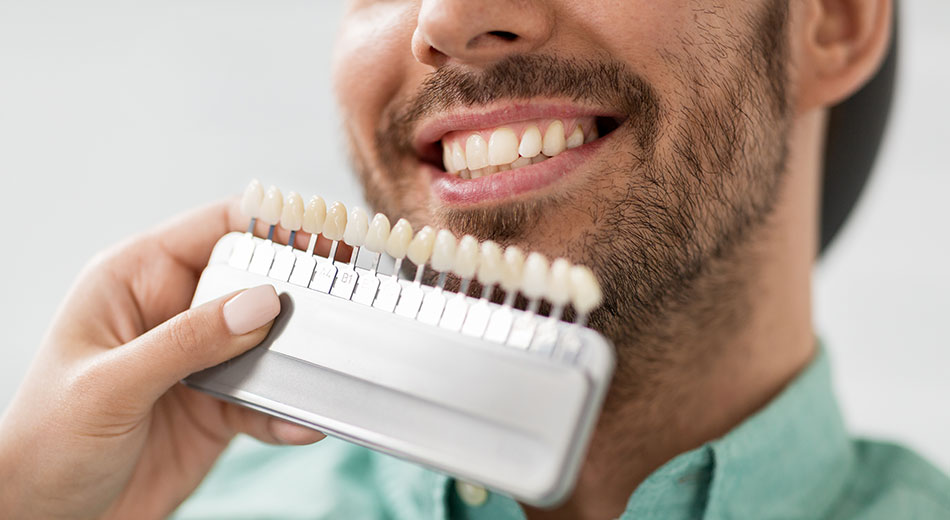
Your skin tone, hair color, and eye color all influence how veneers appear in everyday light. A shade that complements your features tends to blend in, while a mismatched tone can stand out against your face. Warmer skin tones often pair well with slightly warmer shades, while cooler tones may suit a lighter color. When you review these elements together, you build a strong foundation for a natural-looking result. Lighting also affects how color reads, and the same shade can look different in diverse settings. A dentist typically checks the shade under several light sources so you can see how it performs in varied settings.

Evaluate Smile Goals

Your goals guide your color choice, and defining them early makes the decision easier. Some people want a subtle correction that brings their smile closer to its natural state, while others prefer a brighter and more noticeable change. Knowing your priorities helps your dentist match the right shade to the right outcome. Contemplate the following goals when planning color for your veneers:

  • Natural enhancement: A shade close to your existing tooth color corrects minor flaws without a dramatic shift, keeping the result understated and believable.
  • Uniform smile: A more consistent shade creates a polished appearance across all visible teeth, while still looking proportionate to your features.
  • Correction of discoloration: Veneers can mask deep staining that whitening cannot address, and the chosen shade supports even and natural coverage.
  • Closing gaps or reshaping: When veneers correct gaps or uneven shapes, the color selection works alongside the form to produce a seamless overall look.

Review Shade and Translucency

Shade and translucency work together to produce a realistic appearance, and both deserve careful attention. Shade refers to the base color of veneers, while translucency describes how light passes through the material. Natural teeth allow some light to filter through, which gives them depth. When these two elements are balanced well, veneers can closely mimic that quality.

Before finalizing a shade, ask your dentist about a sample or mock-up. Some practices offer a trial stage where you can preview the proposed color against your lips and gums. This preview is a key step, and it gives you a clear picture of the result before you commit.

Plan for Long-Term Appearance

Veneers hold their color well over time, but the surrounding teeth can change shade. Planning for these changes early helps keep your smile consistent over time.

Assess Daily Habits

Coffee, tea, wine, and tobacco can gradually stain your natural teeth, which may create a contrast with your veneers. Regular professional cleanings help slow this process and maintain an even appearance across your smile. It is helpful to contemplate these habits before you settle on a final shade.

Choose Lasting Shades

A conservative shade often ages more gracefully than a very bright one, though the best option depends on your goals. Discuss long-term maintenance with your dentist and set realistic expectations for how your smile may change. This planning is a fundamental part of making a choice you will be satisfied with over time.

Schedule Your Veneers Appointment Today

Choosing the right color for your veneers comes down to a few fundamental decisions. Match the shade to your natural coloring, define your smile goals, and review shade and translucency before you commit. You should also plan for long-term changes so your veneer color stays consistent with your surrounding teeth. Contact a qualified dentist near you to schedule your veneers appointment today.

  • Common Questions To Ask About Cataract Surgery
  • Discovering Unique Omegle Alternatives for Diverse Interactions
  • Exploring the Benefits of Plastic Surgery
  • The Comprehensive Care Model at a Bone and Joint Clinic
  • The Evolution of Dermal Fillers

October 3, 2026 0 comments
0 FacebookTwitterPinterestEmail
Exploring General Dentist Services Beyond Routine Cleanings
Dentistry

Exploring General Dentist Services Beyond Routine Cleanings

by Richard October 2, 2026
written by Richard

A dentist provides a wide range of services that extend beyond routine cleanings and preventive exams. Depending on a patient’s needs, care may include restorative procedures and support for common dental concerns. Here are some of the services a general dentist provides beyond routine cleanings:

Restoring Damaged Teeth

Teeth wear down daily, and accidents or decay can leave them cracked, chipped, or weakened. A general dentist repairs this damage through fillings, crowns, bonding, and other restorative treatments. Fillings rebuild teeth affected by small cavities, while crowns cover and strengthen teeth that have lost significant structure. These procedures restore both function and appearance, so you can chew and speak with comfort.

Treating Dental Problems

Minor issues often worsen into larger ones when left unchecked. A general dentist identifies and treats a wide range of everyday concerns, and early action keeps small problems from spreading. Here are some dental problems your dentist commonly addresses:

  • Cavities: The dentist removes decay and fills the space to stop it from deepening.
  • Gum irritation: Treatment targets early inflammation before it affects the tissue that supports your teeth.
  • Tooth sensitivity: The dentist identifies the cause and applies solutions that reduce discomfort from hot or cold items.
  • Toothaches: An exam can locate the source of pain, and the dentist recommends the right repair or follow-up.
  • Worn or ground teeth: Custom guards and other options help protect surfaces from further wear.

Protecting Oral Health

Prevention is a key component of dependable dental care. A general dentist monitors your mouth over time, and this ongoing view helps detect changes before they become serious. Regular exams include checks for decay, gum concerns, and changes in your bite, so you receive guidance tailored to your needs. The dentist also teaches practical habits for brushing, flossing, and diet that support your daily routine. This consistent oversight gives families a reliable way to prevent dental problems.

Coordinating Dental Care

Some situations require specialized attention or urgent response. A general dentist serves as the hub of your care, which makes managing treatment simpler. When a concern falls outside routine services, your dentist arranges the next step and keeps your records consistent.

Managing Dental Emergencies

Dental emergencies rarely occur at convenient times, and quick action matters. A dentist handles urgent cases such as knocked-out teeth, sudden pain, and broken restorations. The provider assesses the situation, delivers immediate care, and advises on any follow-up you may need.

Coordinating Specialist Referrals

Certain treatments require expertise beyond general practice. A dentist recognizes when a case calls for an orthodontist, oral surgeon, or other specialist, and the referral keeps your care on track. The dentist shares your history with the specialist to make your treatment consistent. 

Visit a General Dentist Today

A dentist offers services that extend beyond routine cleanings. Their role covers restoring damaged teeth, treating common problems, protecting long-term oral health, and coordinating broader care. These services give individuals and families a dependable resource for nearly every dental need. Contact a qualified general dentist near you to schedule your appointment today.

  • Common Questions To Ask About Cataract Surgery
  • Discovering Unique Omegle Alternatives for Diverse Interactions
  • Exploring the Benefits of Plastic Surgery
  • The Comprehensive Care Model at a Bone and Joint Clinic
  • The Evolution of Dermal Fillers
October 2, 2026 0 comments
0 FacebookTwitterPinterestEmail
Choosing the Right Dentist for Cosmetic Procedures
Dentistry

Choosing the Right Dentist for Cosmetic Procedures

by Richard October 2, 2026
written by Richard

A dentist experienced in cosmetic procedures can improve your teeth’s appearance while also evaluating overall oral health and function. Choosing the right provider may involve reviewing qualifications and the approach used to plan care. Here is more information on choosing the right dentist for cosmetic procedures:

Check Cosmetic Experience

A dentist’s cosmetic experience gives you a clear sense of their skill with appearance-focused treatments. Ask how long the dentist has offered cosmetic services, and request examples of past work when available. Before-and-after photos show real outcomes, so reviewing them helps you measure whether a dentist delivers the natural-looking results you want. A practice that regularly performs cosmetic procedures often stays current with modern techniques, and that familiarity can benefit your treatment.

Review Treatment Options

A strong cosmetic dentist offers several treatment approaches, and the range of options tells you how flexible the practice is. Some concerns require simple fixes, while others need more involved work, so variety matters. Ask which treatments the dentist provides, and make sure the options align with your specific goals. The following are common cosmetic treatments you may encounter:

  • Teeth whitening: A professional process that lightens stains and discoloration for a brighter smile.
  • Veneers: Thin custom shells that cover the front of teeth to adjust shape, color, or spacing.
  • Crowns: Caps that restore the shape and look of damaged or worn teeth.
  • Smile makeover: A comprehensive approach combining multiple treatments to enhance the overall appearance of your smile.

Assess Treatment Planning

Treatment planning reveals how a dentist approaches your care. A thoughtful plan maps out each step, and it accounts for your preferences and timeline. Treatment plans often include the following key parts.

Thorough Oral Evaluation

A comprehensive oral health evaluation is the foundation of effective dental care. This process generally includes a detailed examination of your teeth, gums, and overall oral cavity to identify any existing or potential issues. The dentist may use diagnostic tools, such as X-rays or intraoral cameras, to better understand your oral health.

Personalized Treatment Recommendations

Following the oral health evaluation, the dentist will provide tailored cosmetic treatment recommendations based on the specific needs identified during the examination. These may include veneers, teeth whitening, or dental crowns. The goal is to address your immediate concerns effectively while also supporting long-term oral health outcomes.

Evaluate Communication and Care

Communication affects how comfortable you feel throughout your treatment. A good dentist listens to your questions, explains procedures in plain language, and respects your concerns. You want a practice that values comfort, and details like a calm environment or modern equipment can make visits easier. Care extends beyond the procedure itself, so pay attention to how the team treats you before and after your visit. Friendly staff, clear follow-up instructions, and prompt responses all point to a practice that prioritizes patients.

Visit a Local Dentist Today

Choosing the right dentist involves reviewing factors such as the dentist’s qualifications, the range of services offered, and the quality of patient care. Practices that combine professional expertise with a focus on comfort and clear communication create an environment where patients are supported. Contact a qualified dentist in your locality to schedule your appointment today.

  • Common Questions To Ask About Cataract Surgery
  • Discovering Unique Omegle Alternatives for Diverse Interactions
  • Exploring the Benefits of Plastic Surgery
  • The Comprehensive Care Model at a Bone and Joint Clinic
  • The Evolution of Dermal Fillers
October 2, 2026 0 comments
0 FacebookTwitterPinterestEmail
How to Differentiate Between Toothache and Sinus Pain
Dentistry

How to Differentiate Between Toothache and Sinus Pain

by Richard October 1, 2026
written by Richard

Toothache and sinus pressure can feel almost identical. Both affect your upper jaw, and both can throb near the same teeth. You may struggle to find the source, but knowing a few key differences helps you respond correctly. Use the guidance below to narrow down the cause before you seek care.

Location of the Pain

Toothache often centers on one specific tooth. You can usually point to the exact spot that hurts. Sinus pain spreads across your upper teeth, and it may affect both sides at once. A simple test can help you narrow it down. Gently press your cheeks and see what happens. If the pain sharpens under one tooth, a dental cause is more likely. If it spreads across your face, your sinuses may be the source. Use the key differences below to help you identify the source of your pain. Signs the pain may be dental:

  • Pain is focused on one specific tooth.
  • The area around the tooth is tender to the touch.
  • Pain at the gum line may point to a different issue than pain deep within the tooth.
  • Pressing on a specific tooth sharpens the discomfort.

Signs the pain may be sinus-related:

  • Pain spreads across multiple upper teeth, often on both sides.
  • Discomfort can diffuse and shift when you move your head.
  • Pressure extends across your cheekbones and the bridge of your nose.
  • Pain does not isolate to a single point.

Triggers of the Discomfort

Temperature changes often reveal the cause. A tooth problem reacts sharply to hot or cold food, and the pain often lingers after the source is gone. Sinus pain changes when you bend over or lie down and worsens with congestion or a cold. If chewing triggers sharp pain, the source is likely a tooth. If pressure builds when you tilt forward, your sinuses are the probable culprit. Physical activity can also help you tell the difference. Dental pain stays consistent during movement but flares with direct stimulation. A cracked tooth or infected root canal will not respond to sinus medication at all. If cold water or sweet foods cause sharp pain, a dental source is likely. Tracking what sets off the pain gives you a reliable clue about where it begins.

Symptoms Alongside the Pain

Extra symptoms often confirm the difference. Sinus pain usually comes with nasal congestion. You may notice a runny nose, facial pressure, or a reduced sense of smell, so note what you experience. These signs rarely accompany a toothache, so they point toward a sinus origin. A dental problem has its own markers. These physical signs do not appear with sinus problems, so they are useful clues. 

Watch for fever, bad taste, or drainage, because these can mean infection that needs prompt attention. Pay attention to whether your pain responds to over-the-counter pain relievers. Dental pain from an infected root canal often persists despite medication, so sinus discomfort will ease for a short time. When several dental symptoms appear together, the source is likely your tooth and not your sinuses.

Treat Your Toothache Today

Self-assessment helps, but a professional exam confirms the cause. A dentist reviews your symptoms and history, then examines the affected area. Digital X-rays reveal hidden damage, and tools show structures a basic exam cannot. These screenings help pinpoint whether the problem is dental or sinus-related. They guide the next steps. If an infection is found, options may include root canal treatment to save the affected tooth.

  • Common Questions To Ask About Cataract Surgery
  • Discovering Unique Omegle Alternatives for Diverse Interactions
  • Exploring the Benefits of Plastic Surgery
  • The Comprehensive Care Model at a Bone and Joint Clinic
  • The Evolution of Dermal Fillers
October 1, 2026 0 comments
0 FacebookTwitterPinterestEmail
The Future Of Endodontic Implants In Minimally Invasive Dentistry
Dentistry

The Future Of Endodontic Implants In Minimally Invasive Dentistry

by Richard October 1, 2026
written by Richard

Endodontic implants support tooth replacement or stabilization while preserving as much surrounding oral tissue as possible. Advances in imaging, implant materials, and surgical techniques are making treatment more precise and less invasive. Here is more information on the future of endodontic implants in minimally invasive dentistry:

Reducing Surgical Trauma

Minimally invasive methods focus on treating the problem while limiting disruption to surrounding tissue. Endodontic implants support this goal; specialists can often place them through smaller access points than traditional surgery requires. The result is a procedure that preserves more of your natural structure, which patients may find helpful during recovery. Precise planning plays a key role in reducing surgical trauma. Specialists map the treatment area before any work begins, and this helps them target only the regions that need attention.

Improving Implant Placement

Accurate placement determines how well an endodontic implant functions over time. Modern tools guide specialists through each step, and this precision lets them position the implant along the tooth’s natural path. When placement follows the existing root channel, the device integrates with the surrounding bone in a controlled manner.

Implant Positioning

Guided positioning relies on detailed imaging to direct each movement. Specialists review these images, and they build a plan that matches your specific anatomy. The approach keeps the implant aligned with the tooth it supports.

Material Selection

Material choice influences how an endodontic implant performs in the mouth. Specialists select biocompatible options that work with natural tissue and can withstand daily use. Careful selection supports the implant’s stability.

Expanding Treatment Options

Endodontic implants widen the range of cases specialists can address. Teeth that may once have been removed can sometimes be preserved, and this shift gives patients more options to review. Several factors influence whether this treatment suits a particular situation. Here are some common concerns that specialists review before recommending endodontic dental implants:

  • Remaining tooth structure: Teeth with enough healthy structure anchor better, and specialists assess this first.
  • Bone condition: Adequate bone supports the implant, so clinicians evaluate density and volume.
  • Overall oral health: Healthy gums and surrounding teeth contribute to a stable outcome.
  • Treatment goals: Your priorities for function, comfort, and appearance guide the final plan.

Advancing Digital Implant Care

Digital technology continues to influence how specialists plan and deliver endodontic implants. Scanners capture detailed views of the mouth, and software translates these views into precise treatment maps. This workflow lets clinicians rehearse each step before they begin, supporting consistent results.

Digital records also improve communication across a care team. Specialists share files instantly, keeping everyone aligned on the plan. Follow-up appointments benefit too, as clinicians compare current scans against earlier ones to track progress. Visual models also show the proposed outcome, and this preview helps patients understand what the procedure involves.

Learn More About Endodontic Implants

Endodontic dental implants offer adults with failing or missing teeth a minimally invasive option. A minimally invasive approach aims to reduce surgical trauma, improve placement, expand treatment possibilities, and benefit from digital care. Each element reflects a move toward preserving natural structure while restoring function and appearance. Contact a qualified periodontist near you to schedule your appointment and learn more about endodontic implants today.

  • Common Questions To Ask About Cataract Surgery
  • Discovering Unique Omegle Alternatives for Diverse Interactions
  • Exploring the Benefits of Plastic Surgery
  • The Comprehensive Care Model at a Bone and Joint Clinic
  • The Evolution of Dermal Fillers
October 1, 2026 0 comments
0 FacebookTwitterPinterestEmail
Steps Involved in the KOR Whitening Process
Dentistry

Steps Involved in the KOR Whitening Process

by Richard September 30, 2026
written by Richard

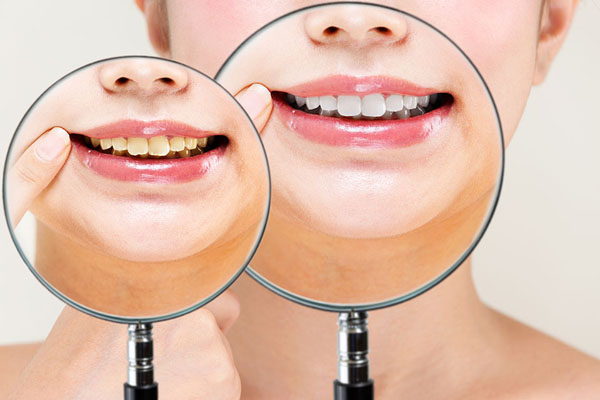
Teeth can become stained over time for several reasons, especially from highly pigmented foods like coffee, tea, red wine, and tobacco. Aging also affects tooth color, as enamel gradually thins and reveals the yellower dentin beneath it. Some stains sit on the tooth’s surface, while others develop within its inner layers. Professional teeth whitening involves a treatment that a dentist performs to lighten the color of natural teeth. Here’s information on the KOR whitening system and how dentists use this treatment option to effectively brighten smiles:

Utilizing Proprietary Whitening Gel

Proprietary whitening gel is a formula developed and produced by the manufacturer of KOR gel. KOR whitening gel uses controlled ingredients, and this teeth whitening system works because oxygen molecules from the gel enter the tooth and break apart stain compounds. The tiny channels in your teeth, called dentinal tubules, can become clogged with proteins and debris over time. This buildup may limit how much oxygen the tooth can absorb.

The KOR system prepares the tooth so oxygen molecules can move more freely into the enamel and dentin, helping brighten and whiten the color. Many whitening gels lose strength quickly after application, but KOR’s formula can stay active longer. This longer activity window gives the whitening agent more time to get absorbed by teeth and reach discolored areas.

Getting Quick Results

The in-office portion of KOR Whitening typically takes place during one appointment lasting about an hour, though timing varies by patient. Your dentist first examines your teeth and records your starting shade before proceeding with treatment steps like:

  1. Adding Protection: They cover your gums and soft tissues with a protective barrier.
  2. Applying the Gel: The dentist then applies the whitening gel directly to your teeth in several timed intervals.
  3. Refreshing the Application: Between intervals, the dentist removes the used gel and applies a fresh layer.

Results depend on your teeth’s starting color and the type of stains present. With KOR whitening, teeth can potentially become up to 16 shades lighter. This range reflects the system’s ability to reach deeper, long-standing discoloration that surface products may not affect. At the end of the appointment, your dentist will compare your final shade to your starting shade.

Maintaining the Results

Food, drinks, and daily habits can cause tooth stains to gradually return after whitening. To help prevent this, your dentist will provide a take-home teeth whitening maintenance kit when you use the KOR system. This kit contains two removable mouthpieces and a bottle of whitening gel, and your dentist will explain how often to wear the mouthpieces and for how long. To use the kit, you place a small amount of gel into each mouthpiece before wearing it. Limiting stain-causing foods and drinks can also help you get longer-lasting results.

Benefit From KOR Whitening

KOR whitening treatment follows a few key steps, leaving your teeth whiter afterward. Because a dentist oversees the process, they can adjust your treatment to suit your teeth and your goals. If you want professional teeth whitening, schedule a consultation with a dentist who offers the KOR system. During this visit, the dentist can examine your teeth, review your whitening goals, and determine whether the system is an appropriate fit.

  • Common Questions To Ask About Cataract Surgery
  • Discovering Unique Omegle Alternatives for Diverse Interactions
  • Exploring the Benefits of Plastic Surgery
  • The Comprehensive Care Model at a Bone and Joint Clinic
  • The Evolution of Dermal Fillers
September 30, 2026 0 comments
0 FacebookTwitterPinterestEmail
Exploring the Various Types of Dental Crowns and Their Uses
Dentistry

Exploring the Various Types of Dental Crowns and Their Uses

by Richard September 23, 2026
written by Richard

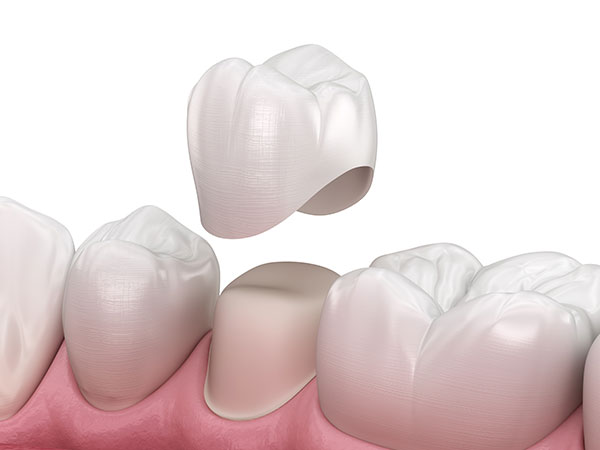
A dental crown is a custom-made cap that fits over a damaged, weakened, or reshaped tooth. It covers the visible portion of the tooth to restore its size and appearance. Dentists use crowns in many situations, from protecting a cracked tooth to completing a dental implant. Because every mouth is different, several types of dental crowns exist, and each one suits specific needs. Here’s information about the various types of dental crowns available and their uses:

Porcelain and Composite Resin Crowns

Porcelain and composite resin dental crowns are popular choices when appearance matters most. Dentists often recommend them for front teeth or other visible areas because these materials can closely match the color of surrounding teeth. This makes them a common option for people who want a natural-looking result. Porcelain crowns are known for their tooth-like shine and smooth texture, while composite resin crowns can be shaped in a single visit. Both materials are metal-free, so they may appeal to people who prefer a metal-free restoration.

Porcelain-fused-to-metal Crowns

Porcelain-fused-to-metal crowns, or PFM crowns, combine two materials to balance appearance and strength; these crowns feature a metal base covered by a layer of tooth-colored porcelain. The metal core provides a sturdy foundation, and the porcelain exterior gives the crown a more natural, tooth-like look. This design lets PFM crowns work well on both front and back teeth. The metal supports the crown against chewing forces, while the porcelain shell blends with nearby teeth.

A thin dark line may become visible near the gum where the metal base meets the porcelain over time. Dentists think about this factor when placing PFM crowns, especially in areas that show when you smile. For many patients, this crown material combination offers a practical middle ground between porcelain looks and metal durability.

Cast Gold and Silver Amalgam Crowns

Gold crowns are made from a blend of gold and other metals, which gives them a distinctive color. Because they resist wear and rarely chip, dentists frequently place them on back teeth that handle heavy chewing. Their metallic appearance makes them less common for front teeth, where a natural look is often preferred. Cast gold and silver amalgam crowns are among the oldest crown types still in use today.

Silver amalgam crowns are also built for strength, but they tend to be more affordable than gold. These metal crowns hold up well against the daily pressure of biting and grinding. Their visible color is the main reason patients choose them for back teeth rather than front teeth. When a dentist recommends a metal crown, the choice usually comes down to durability and the tooth’s position in the mouth.

Choosing the appropriate crown material depends on many factors, including:

  • The Tooth’s Location
  • The Level of Bite Pressure
  • Your Personal Preferences

If you think you may need a crown, a dentist can examine your teeth and explain which materials suit your needs. They can review the condition of the affected tooth, discuss your options, and answer any questions you have about the process.

Learn More About Dental Crowns

Porcelain and composite resin crowns focus on a natural appearance, porcelain-fused-to-metal crowns offer a mix of strength and looks, and cast gold and silver amalgam crowns prioritize durability. Each type has its own place in modern dentistry, and the appropriate fit varies from person to person. The best way to understand which crown material fits your situation is to talk with a dental professional, so schedule a consultation today. A dentist can explain the benefits of each crown type and how their recommended treatment works for your oral health needs.

  • Common Questions To Ask About Cataract Surgery
  • Discovering Unique Omegle Alternatives for Diverse Interactions
  • Exploring the Benefits of Plastic Surgery
  • The Comprehensive Care Model at a Bone and Joint Clinic
  • The Evolution of Dermal Fillers
September 23, 2026 0 comments
0 FacebookTwitterPinterestEmail
Newer Posts
Older Posts

Recent Posts

  • Common Questions To Ask About Cataract Surgery
  • Discovering Unique Omegle Alternatives for Diverse Interactions
  • Exploring the Benefits of Plastic Surgery
  • The Comprehensive Care Model at a Bone and Joint Clinic
  • The Evolution of Dermal Fillers

Recent Comments

No comments to show.

Keep in touch

Facebook Twitter Instagram Pinterest Linkedin Youtube

Recent Posts

  • Common Questions To Ask About Cataract Surgery

  • Discovering Unique Omegle Alternatives for Diverse Interactions

  • Exploring the Benefits of Plastic Surgery

  • The Comprehensive Care Model at a Bone and Joint Clinic

  • The Evolution of Dermal Fillers

  • Navigating Sinus Infection Management

Newsletter

Categories

  • Allergy & Immunology (3)
  • Blog (75)
  • Cardiology (4)
  • Chiropractic Care (1)
  • Dentistry (14)
  • Elderly Care (2)
  • ENT (1)
  • Gynecology (9)
  • Ophthalmology (2)
  • Pain Management (5)
  • Pediatric Care (1)
  • Physical Therapy (2)
  • Podiatry (10)
  • Primary Care (2)
  • Sexual Health (1)
  • Sleep Health (1)
  • Urgent Care (2)
  • Urology (3)
  • Weight Management (1)
  • Women's Health (3)
Gizmocrunch.com
  • Gizmocrunch.com
  • About Us
  • Privacy Policy
  • Contact Us
Ryantylerofficial91@gmail.com
  • Categories
    • Cardiology
    • Dentistry
    • Elderly Care
    • Gynecology
    • Urology
    • Blog HOT
    • Podiatry hot
Editors' Picks
Common Questions To Ask About Cataract Surgery
Discovering Unique Omegle Alternatives for Diverse Interactions

@2026 – All Right Reserved. Gizmocrunchs.com

Facebook-f Twitter Youtube Tiktok Linkedin-in
gizmocrunchs.com
  • Cardiology
  • Dentistry
  • Elderly Care
gizmocrunchs.com
  • Gynecology
  • Urology
  • Blog
    • Pain Management
    • Podiatry
    • Nutrition
    • Women’s Health
    • Internal Medicine
    • Primary Care