• Cardiology
  • Dentistry
  • Elderly Care
gizmocrunchs.com
  • Gynecology
  • Urology
  • Blog
    • Pain Management
    • Podiatry
    • Nutrition
    • Women’s Health
    • Internal Medicine
    • Primary Care
Category:

Urology

Recognizing Symptoms That Require a Urologist’s Expertise
Urology

Recognizing Symptoms That Require a Urologist’s Expertise

by Richard September 8, 2026
written by Richard

Your urinary and reproductive health can change quietly. Some symptoms fade on their own, but others signal conditions that need specialized care. A urologist evaluates the urinary tract in both men and women, and they also manage the male reproductive tract. Recognizing warning signs early helps you seek treatment sooner, while supporting better outcomes.

Urinary Health Symptoms

Urination patterns often reveal information about your health, and they should not be overlooked. A urologist assesses these symptoms, orders needed tests, and your provider will tailor a treatment plan for your needs. Addressing these issues early enhances comfort and long-term outcomes.

  • Urinary urgency or frequency: May disrupt daily life and signal conditions such as overactive bladder or urinary tract infections.
  • Painful urination or burning sensation: Often indicates a urinary tract infection, especially if recurrent.
  • Blood in the urine: Visible or detected through testing, it could signal kidney stones, bladder cancer, or another issue.
  • Nighttime trips to urinate: A common symptom of nocturia, potentially caused by overactive bladder or prostate-related conditions.
  • Slow or interrupted urine flow in men over 50: Often linked to benign prostatic hyperplasia (BPH), treatable with medications or procedures like UroLift.
  • Sudden or persistent leakage: Could result from weakened muscles or nerve dysfunction requiring specialized care.

Reproductive Health Symptoms

Reproductive symptoms affect men across many age groups and can manifest in various ways. Testicular or scrotal pain, for instance, may occur suddenly as a sharp, intense sensation or develop gradually as a dull, persistent ache. Whether pain is from injury, infection, or another cause, it should never be ignored. Timely evaluation can prevent complications. Men may also face difficulties with performance, arousal, or satisfaction, and this sometimes impacts quality of life. 

Low testosterone, often identified by symptoms like fatigue, reduced libido, or mood changes, is another concern. This condition can affect physical and emotional wellness, but hormonal evaluations and targeted therapies offer effective options. Peyronie’s disease comes with curvature of the penis and discomfort. It may lead to intimacy challenges.

Preventive Health Evaluations

Some situations call for a urologist even without obvious pain or discomfort. Family history and age play a key role in assessing your risk for various urologic conditions. If you have a family history of prostate or kidney cancer, regular evaluations can help detect problems early. PSA screening is a valuable tool for monitoring prostate health. It can identify subtle changes, and they flag concerns before they become issues. Persistent flank pain, often a sharp or cramping discomfort on one side of your lower back, often signals kidney stones. If untreated, these stones can lead to infection or kidney damage. Unexplained abnormalities found in imaging or blood work could indicate conditions like kidney cancer, and this would need further investigation to confirm a diagnosis.

Schedule Your Urologist Consultation

You do not need to manage these symptoms alone. Your urologist provides in-office consultation, and they perform many procedures in-office. They also offer inpatient and outpatient surgeries at the hospital or surgery center when needed. If you notice urinary changes, reproductive concerns, or risk factors, contact your team to schedule an evaluation. Early attention supports informed choices, and it connects you with focused urologic care.


  • Common Questions To Ask About Cataract Surgery
  • Discovering Unique Omegle Alternatives for Diverse Interactions
  • Exploring the Benefits of Plastic Surgery
  • The Comprehensive Care Model at a Bone and Joint Clinic
  • The Evolution of Dermal Fillers
September 8, 2026 0 comments
0 FacebookTwitterPinterestEmail
Urology

When to See a Urologist

by Richard March 26, 2026
written by Richard

A urologist is a medical specialist who diagnoses and treats conditions related to the urinary tract and male reproductive system. Knowing when to see a urologist is important for maintaining your health and preventing serious complications.

Who Is a Urologist?

A urologist is trained to treat problems related to:

  • Kidneys
  • Bladder
  • Ureters
  • Urethra
  • Male reproductive organs

They provide both medical and surgical treatments.

Why You May Need a Urologist

Many urinary and reproductive issues require specialized care. A urologist has the expertise to diagnose and treat these conditions effectively.

Signs You Should See a Urologist

1. Pain During Urination

Burning or pain while urinating may indicate an infection or other condition.

2. Frequent Urination

If you feel the need to urinate often, especially at night, it could be a sign of a problem.

3. Blood in Urine

This is a serious symptom that requires immediate medical attention.

4. Difficulty Urinating

Weak urine flow or difficulty starting urination may indicate prostate or bladder issues.

5. Kidney Stones

Severe pain in the lower back or side may be caused by kidney stones.

6. Urinary Incontinence

Loss of bladder control should be evaluated by a specialist.

7. Male Health Issues

Problems such as erectile dysfunction or infertility may require a urologist’s care.

Conditions Treated by Urologists

  • Urinary tract infections
  • Kidney stones
  • Bladder problems
  • Prostate disorders
  • Male reproductive issues

Importance of Early Consultation

Visiting a urologist early can:

  • Prevent complications
  • Improve treatment outcomes
  • Provide accurate diagnosis

What to Expect During a Visit

A urologist may:

  • Review your medical history
  • Perform a physical exam
  • Recommend tests such as urine analysis or imaging

Tips Before Visiting a Urologist

  • Note your symptoms
  • Bring medical records
  • Stay hydrated
  • Be honest about your condition

Preventive Measures

  • Drink enough water
  • Maintain hygiene
  • Avoid holding urine
  • Follow a healthy lifestyle

Conclusion

Knowing when to see a urologist can help you take control of your health. If you notice unusual urinary symptoms or discomfort, do not ignore them. Early consultation can lead to better treatment and improved quality of life.

March 26, 2026 0 comments
0 FacebookTwitterPinterestEmail
Urology

What Are Common Urinary Problems

by Richard March 26, 2026
written by Richard

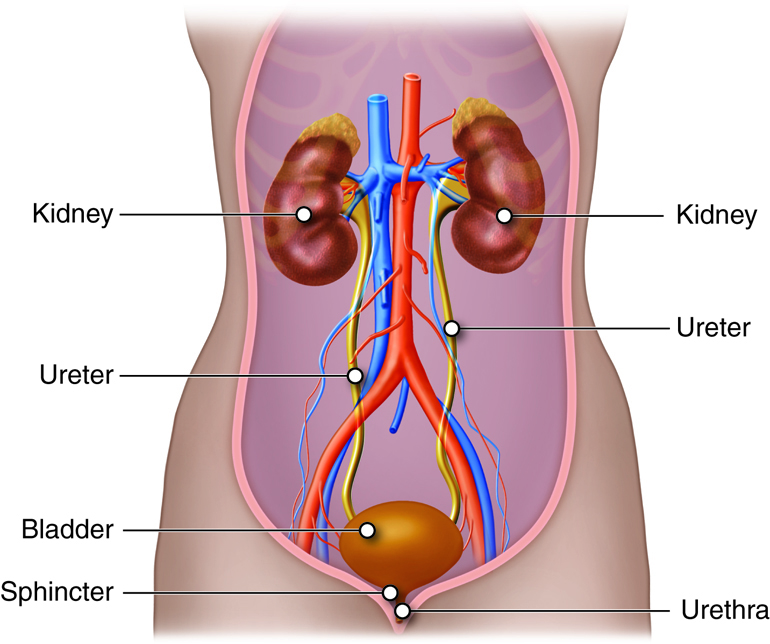
Urinary problems are common health issues that can affect people of all ages. These problems involve the urinary system, which includes the kidneys, bladder, ureters, and urethra. Understanding common urinary problems can help in early detection and proper treatment.

What Is the Urinary System?

The urinary system is responsible for removing waste and excess fluids from the body through urine. When any part of this system does not function properly, it can lead to urinary problems.

Common Urinary Problems

1. Urinary Tract Infection (UTI)

UTIs are one of the most common urinary problems. They occur when bacteria enter the urinary tract and cause infection.

Symptoms:

  • Burning sensation during urination
  • Frequent urge to urinate
  • Cloudy or strong-smelling urine

2. Kidney Stones

Kidney stones are hard deposits formed from minerals in the urine. They can cause severe pain when passing through the urinary tract.

Symptoms:

  • Sharp pain in the back or side
  • Blood in urine
  • Nausea or vomiting

3. Urinary Incontinence

This condition involves the loss of bladder control, leading to accidental urine leakage.

Types:

  • Stress incontinence
  • Urge incontinence

4. Overactive Bladder

An overactive bladder causes a sudden and frequent urge to urinate, even when the bladder is not full.

5. Enlarged Prostate (in Men)

An enlarged prostate can block urine flow and cause difficulty in urination.

6. Interstitial Cystitis

A chronic condition that causes bladder pressure and pelvic pain.

Causes of Urinary Problems

Urinary issues can be caused by:

  • Bacterial infections
  • Poor hygiene
  • Dehydration
  • Kidney disorders
  • Hormonal changes
  • Aging

Risk Factors

Certain factors increase the risk of urinary problems:

  • Being female (higher risk of UTIs)
  • Older age
  • Diabetes
  • Weak immune system
  • Poor fluid intake

Symptoms to Watch For

  • Pain or burning during urination
  • Frequent urination
  • Blood in urine
  • Lower abdominal pain
  • Difficulty urinating

If these symptoms persist, medical attention is necessary.

Prevention Tips

You can reduce the risk of urinary problems by:

  • Drinking plenty of water
  • Maintaining proper hygiene
  • Avoiding holding urine for long periods
  • Eating a healthy diet
  • Practicing safe habits

When to See a Doctor

Seek medical help if you experience:

  • Severe pain
  • Blood in urine
  • Fever with urinary symptoms
  • Frequent infections

Early diagnosis helps prevent complications.

Treatment Options

Treatment depends on the condition and may include:

  • Antibiotics (for infections)
  • Medications
  • Lifestyle changes
  • Surgery (in severe cases)

Conclusion

Urinary problems are common but manageable with proper care and awareness. Understanding symptoms and seeking timely treatment can help maintain a healthy urinary system. Staying hydrated and maintaining good hygiene are simple yet effective ways to prevent many urinary issues.

March 26, 2026 0 comments
0 FacebookTwitterPinterestEmail

Recent Posts

  • Common Questions To Ask About Cataract Surgery
  • Discovering Unique Omegle Alternatives for Diverse Interactions
  • Exploring the Benefits of Plastic Surgery
  • The Comprehensive Care Model at a Bone and Joint Clinic
  • The Evolution of Dermal Fillers

Recent Comments

No comments to show.

Keep in touch

Facebook Twitter Instagram Pinterest Linkedin Youtube

Recent Posts

  • Common Questions To Ask About Cataract Surgery

  • Discovering Unique Omegle Alternatives for Diverse Interactions

  • Exploring the Benefits of Plastic Surgery

  • The Comprehensive Care Model at a Bone and Joint Clinic

  • The Evolution of Dermal Fillers

  • Navigating Sinus Infection Management

Newsletter

Categories

  • Allergy & Immunology (3)
  • Blog (75)
  • Cardiology (4)
  • Chiropractic Care (1)
  • Dentistry (14)
  • Elderly Care (2)
  • ENT (1)
  • Gynecology (9)
  • Ophthalmology (2)
  • Pain Management (5)
  • Pediatric Care (1)
  • Physical Therapy (2)
  • Podiatry (10)
  • Primary Care (2)
  • Sexual Health (1)
  • Sleep Health (1)
  • Urgent Care (2)
  • Urology (3)
  • Weight Management (1)
  • Women's Health (3)
Gizmocrunch.com
  • Gizmocrunch.com
  • About Us
  • Privacy Policy
  • Contact Us
Ryantylerofficial91@gmail.com
  • Categories
    • Cardiology
    • Dentistry
    • Elderly Care
    • Gynecology
    • Urology
    • Blog HOT
    • Podiatry hot
Editors' Picks
Common Questions To Ask About Cataract Surgery
Discovering Unique Omegle Alternatives for Diverse Interactions

@2026 – All Right Reserved. Gizmocrunchs.com

Facebook-f Twitter Youtube Tiktok Linkedin-in
gizmocrunchs.com
  • Cardiology
  • Dentistry
  • Elderly Care
gizmocrunchs.com
  • Gynecology
  • Urology
  • Blog
    • Pain Management
    • Podiatry
    • Nutrition
    • Women’s Health
    • Internal Medicine
    • Primary Care
