
• Cardiology
  • Dentistry
  • Elderly Care
gizmocrunchs.com
  • Gynecology
  • Urology
  • Blog
    • Pain Management
    • Podiatry
    • Nutrition
    • Women’s Health
    • Internal Medicine
    • Primary Care
Category:

Gynecology

How To Prepare for Your First OBGYN Appointment
Gynecology

How To Prepare for Your First OBGYN Appointment

by Richard October 13, 2026
written by Richard

Preparing for a first obstetrician/gynecologist (OBGYN) appointment involves gathering personal and family medical history, writing down questions, and knowing what to expect during the exam. Patients should review their menstrual history and current medications before arriving, as this information helps the physician evaluate them thoroughly. The visit usually includes a discussion and physical exam, and the physician may also order lab work depending on the patient’s age and health needs. Here is more information on the basics of OBGYN care:

What Is an OBGYN?

An OBGYN, short for obstetrician/gynecologist, is a physician who specializes in women’s reproductive health. Obstetrics focuses on pregnancy, childbirth, and postpartum care; gynecology addresses the reproductive system more broadly. Gynecology includes menstrual health, fertility, and hormonal conditions. OBGYNs complete both areas of training, which allows them to treat patients across different life stages.

What Services Do They Offer?

OBGYNs provide a wide range of services that extend beyond pregnancy care, covering routine screenings, reproductive health management, pregnancy support, and menopause care. Common services include:

  • Routine exams, including pelvic exams, Pap smears, and breast exams, which help detect early signs of cervical or breast abnormalities
  • Birth control counseling, fertility evaluations, and treatment of conditions such as endometriosis and polycystic ovary syndrome
  • Menopause management, which addresses symptoms through hormone therapy or lifestyle guidance

What Do First Appointments Entail?

A first appointment generally begins with a conversation rather than a physical exam. The doctor will ask about menstrual history, sexual activity, family medical background, and any current symptoms; this helps the provider assess the patient’s overall health. An initial discussion determines which exams or tests are appropriate for the patient’s specific situation.

Depending on age and health history, the visit may include a pelvic exam, breast exam, or Pap smear. Younger patients or those without specific concerns may have only a discussion-based visit. General health markers such as blood pressure and weight are also recorded, since these provide a baseline for ongoing care. Patients can ask questions at any point during the visit; open communication supports accurate diagnosis and personalized care.

What Does Proper Preparation Involve?

Preparing for a first visit begins with gathering relevant health information. Patients should record the date of their last menstrual period and note any cycle irregularities, as this information helps the provider assess reproductive health accurately. A complete list of current medications and supplements is also helpful. Family history of reproductive cancers, fertility issues, or genetic conditions is worth documenting, and this context supports more personalized care.

Compiling questions before the appointment helps make the visit more productive, and common topics include birth control options, menstrual irregularities, and routine reproductive health screening schedules. Preparing these in advance makes sure the appointment addresses the patient’s most pressing needs, which allows the provider to allocate time to each concern efficiently. Arriving a few minutes early to complete any required paperwork further supports an efficient visit.

Prepare for Your Appointment Today

A first OBGYN appointment sets the foundation for ongoing reproductive health care; knowing the role of an OBGYN and the range of services they provide helps you know what to expect. Preparation, from reviewing personal health history to jotting down questions, allows you to make the most of your time with the provider. Reproductive health plays a central role in overall wellness at every stage of life. If you are due for a visit, contact a local OBGYN clinic.

  • Common Questions To Ask About Cataract Surgery
  • Discovering Unique Omegle Alternatives for Diverse Interactions
  • Exploring the Benefits of Plastic Surgery
  • The Comprehensive Care Model at a Bone and Joint Clinic
  • The Evolution of Dermal Fillers
October 13, 2026 0 comments
0 FacebookTwitterPinterestEmail
How To Assess the Best Obstetrics Care Providers
Gynecology

How To Assess the Best Obstetrics Care Providers

by Richard October 2, 2026
written by Richard

The best obstetrics providers offer a comprehensive range of services. While communication style matters, patients should also assess a provider’s approach to prenatal screening, as these elements influence care outcomes. Credentials matter, and so does accessibility. Key areas of obstetric care include prenatal monitoring, management of pregnancy-related conditions such as gestational diabetes or preeclampsia, labor and delivery support, and postpartum care. Here is more information on how to assess an obstetrics provider:

What Is the Best Obstetrics?

The best obstetrics care centers on a provider’s clinical expertise paired with a patient’s specific needs. While some patients may prioritize providers who support natural birth plans, others seek specialists experienced in high-risk pregnancies, and these differences highlight the value of aligning care with individual circumstances. When patients consult an obstetrician, they can determine what care the provider offers and how those services meet their needs. 

What Does Obstetric Care Involve?

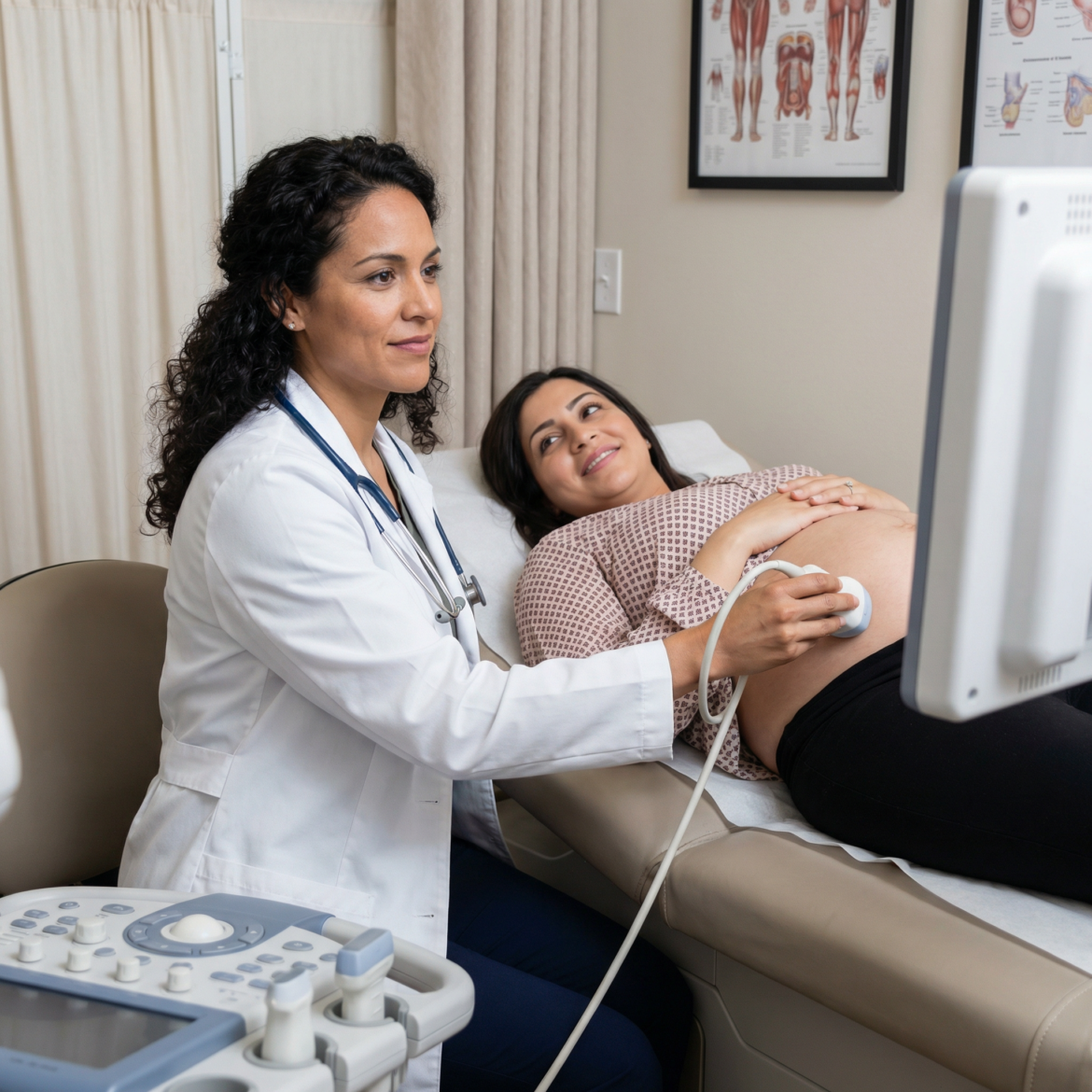
Because obstetric care addresses different stages of pregnancy and childbirth, it spans three distinct phases: prenatal, delivery, and postpartum care. During the prenatal phase, providers monitor fetal development through regular checkups, bloodwork, and ultrasounds; these visits allow providers to identify potential complications early. Gestational diabetes and preeclampsia are two conditions that can be detected and managed before they progress.

The delivery phase involves direct medical supervision during labor. Providers oversee pain management options and administer emergency interventions if complications arise, which helps the patient and fetus receive appropriate clinical attention. Postpartum care addresses physical recovery in the weeks following birth, and patients should confirm that a provider manages care consistently across all three stages.

What Services Do Obstetricians Offer?

Obstetricians offer a defined range of services that extend beyond delivery day. These typically include the following:

  • Routine prenatal checkups
  • Diagnostic testing
  • Labor and delivery management
  • Postpartum checkups
  • Family planning counseling

How an obstetrician delivers these services influences overall health outcomes during and after pregnancy.

How Are Providers Assessed?

Assessing an obstetrics provider begins with credentials and clinical history, which form the foundation of an informed decision. Patients can confirm training and experience on a provider’s website. A provider’s delivery volume or cesarean section rate can offer additional insight into practice patterns, and it will help a patient know what to expect.

Communication style matters, and patients should evaluate how clearly a provider explains procedures. A provider who answers questions directly and responds promptly to issues builds rapport, which supports a smoother pregnancy experience. Patients may also ask about after-hours availability. Credential checks give patients a well-rounded view of a provider’s overall quality.

Schedule a Consultation Today

Choosing an obstetrics provider involves reviewing the services they offer and their training and experience in managing pregnancies. Patients benefit from reviewing credentials, understanding the full scope of services offered, and assessing how well a provider communicates throughout pregnancy; each factor contributes to a care experience that supports overall health. If you are evaluating your options, schedule a consultation with an obstetrician to discuss your specific needs. This conversation helps evaluate compatibility before committing to months of ongoing care.

  • Common Questions To Ask About Cataract Surgery
  • Discovering Unique Omegle Alternatives for Diverse Interactions
  • Exploring the Benefits of Plastic Surgery
  • The Comprehensive Care Model at a Bone and Joint Clinic
  • The Evolution of Dermal Fillers
October 2, 2026 0 comments
0 FacebookTwitterPinterestEmail
Tips for Addressing Infertility
Gynecology

Tips for Addressing Infertility

by Richard October 1, 2026
written by Richard

Infertility can result from a range of factors that affect one or both partners, including ovulation problems and reproductive health conditions. Identifying possible causes and seeking appropriate medical guidance can help individuals understand their options and make informed decisions about care. Here are some practical tips for addressing infertility:

Tracking Reproductive Patterns

Tracking your reproductive patterns gives you useful data that can guide you and your infertility specialist. Record your menstrual cycle length, note any irregularities, and watch for signs that mark your fertile window. Keeping consistent records builds a clear picture of your reproductive health over time. Here are several patterns that are helpful to monitor as you move forward:

  • Cycle length: Count the days from the first day of one period to the first day of the next.
  • Ovulation signs: Track changes in cervical fluid or basal body temperature, which may point to your fertile days.
  • Symptom changes: Note spotting, cramping, or missed periods, as these details can inform a future evaluation.
  • Lifestyle factors: Log sleep, stress, and activity levels because these elements may influence your cycle.

Addressing Modifiable Factors

Some factors that affect fertility are within your control; adjustments may support your reproductive health. Nutrition, weight, sleep, and stress play a role, so consistent habits can create a more stable foundation. A balanced diet supplies nutrients that the body uses in reproductive processes, and regular meals help maintain steady energy. Moderate physical activity supports overall health, though extreme routines may work against your goals, so balance matters. Limiting alcohol and avoiding tobacco are helpful choices; they remove known stressors from the body.

Rest and stress management also deserve attention because chronic strain can disrupt hormonal balance. Aim for consistent sleep, build short breaks into your day, and contemplate relaxation techniques that fit your routine. These steps do not guarantee results, but they can create conditions that support your efforts.

Seeking Medical Evaluation

A timely evaluation helps you understand infertility and what may be affecting conception. Prompt and accessible care matters here because early insight influences your options. The following subsections explain when to act and what an evaluation may involve.

Timely Medical Evaluation

Timing guidelines vary by age and history, and they offer a reasonable starting point. Women under 35 should seek evaluation for infertility after one year of trying, while women 35 and older may act sooner. If you have irregular cycles or known conditions, an earlier visit is a key choice.

Comprehensive Assessment

An evaluation generally begins with a health history and a physical assessment, and your provider may order specific tests. These steps aim to identify factors that influence fertility, and they build a foundation for any plan. Your provider will explain each stage, so you stay informed throughout the process.

Exploring Available Treatment Options

Treatment options for infertility depend on your evaluation findings and range from minor adjustments to more involved procedures. Your provider may suggest lifestyle guidance, medication, or referral to a specialist, and the choice reflects your specific situation. Some approaches focus on regulating cycles, while others address structural or hormonal factors directly. Your provider will outline the purpose of each option, and you can review the details together. Make sure you discuss timelines, follow-up, and what each step requires.

Schedule Your Infertility Care Appointment

Addressing infertility starts with tracking your patterns, adjusting what you can, seeking a timely evaluation, and reviewing treatment options with a provider. It also involves exploring various approaches tailored to your unique needs, including lifestyle guidance or referrals to specialists. Contact a qualified healthcare provider near you to schedule your infertility care appointment today.

  • Common Questions To Ask About Cataract Surgery
  • Discovering Unique Omegle Alternatives for Diverse Interactions
  • Exploring the Benefits of Plastic Surgery
  • The Comprehensive Care Model at a Bone and Joint Clinic
  • The Evolution of Dermal Fillers
October 1, 2026 0 comments
0 FacebookTwitterPinterestEmail
The Role of Regular Gynecological Exams for Women's Health
GynecologyWomen's Health

The Role of Regular Gynecological Exams for Women’s Health

by Richard September 15, 2026
written by Richard

Gynecological exams evaluate the reproductive system to detect abnormalities, screen for infections and cancers, and support reproductive planning. These exams typically involve a pelvic exam, a Pap smear, and a discussion of menstrual, sexual, and reproductive health; each component serves a distinct clinical purpose. Because these exams assess multiple aspects of reproductive function, they provide a comprehensive profile of a patient’s health. Here is more information on gynecology and women’s health:

What Is Gynecology?

Gynecology is the branch of medicine focused on the female reproductive system; this field encompasses the uterus, ovaries, fallopian tubes, cervix, and vagina. It addresses conditions that range from menstrual irregularities to structural abnormalities. Some gynecologists also provide obstetric care to guide patients through pregnancy and childbirth, which helps simplify medical care.

What Are Gynecological Exams?

A gynecological exam is a physical evaluation of the reproductive organs performed by a gynecologist. The exam begins with a medical history review, and after this review, the provider performs a breast exam. A pelvic exam follows, during which the provider assesses the external genitalia. A speculum is used to view the vagina and cervix.

Some exams also include a Pap smear, which collects cervical cells to screen for abnormal changes. These changes may indicate cancer or precancerous conditions. Early detection is a key goal. Depending on the patient’s age, sexual history, and risk factors, providers may also test for sexually transmitted infections, and they tailor the exam to the patient’s overall health profile.

Why Are They Conducted?

Gynecological exams are conducted to monitor reproductive health and identify potential problems before they become serious. Cervical cancer often develops slowly and produces no early symptoms, but a Pap smear can detect abnormal cells long before cancer forms. Because early detection is beneficial, healthcare providers recommend that most patients begin cervical cancer screening at age 21, regardless of sexual activity status.

These exams give patients a structured opportunity to ask questions about menstrual cycles, contraception, fertility, or menopause. Providers can check for signs of infection, fibroids, cysts, or hormonal imbalances, and they will address any concerns the patient raises during the visit. Regular visits build a health record over time, which makes it easier for providers to spot patterns and changes that may indicate an underlying condition requiring further evaluation.

What Are the Benefits?

Routine gynecological exams offer several benefits that extend beyond a single visit, including:

  • Early detection: Identifying cervical changes, infections, or hormonal irregularities early may lead to more effective treatment.
  • Consistent reproductive health support: Regular exams provide a reliable point of contact for reproductive health questions.
  • Long-term wellness tracking: Providers can monitor changes across key life stages, including puberty, pregnancy, and menopause.

Routine gynecological exams support early intervention and informed health management across all stages of a patient’s reproductive life.

Learn More About Women’s Health

Gynecological exams serve as a structured, recurring checkpoint for reproductive health. They combine a physical exam, cancer screening, and open dialogue between patient and provider; they give each patient a better understanding of her health over time. Skipping these visits removes the early-detection advantage that makes many gynecological conditions more manageable. If you are due for a check-up, reach out to a licensed gynecologist.

  • Common Questions To Ask About Cataract Surgery
  • Discovering Unique Omegle Alternatives for Diverse Interactions
  • Exploring the Benefits of Plastic Surgery
  • The Comprehensive Care Model at a Bone and Joint Clinic
  • The Evolution of Dermal Fillers
September 15, 2026 0 comments
0 FacebookTwitterPinterestEmail
Comparing Fertility Treatment Pathways Involving Insemination
Gynecology

Comparing Fertility Treatment Pathways Involving Insemination

by Richard September 4, 2026
written by Richard

Insemination gives you several pathways toward pregnancy. Each option uses a different source of sperm or embryos, and your choice depends on your medical needs and goals. Some pathways rely on a partner’s sample, while others use donor material, and understanding each one helps you plan your next steps.

Insemination With a Partner’s Sperm

Intrauterine insemination (IUI) places sperm directly into your uterus. Your provider collects a sample, then washes it before the procedure. The provider inserts a thin catheter through your cervix. Timing matters, and your provider schedules IUI around ovulation to raise your chances. Because it mimics natural conception closely, many providers suggest it as a first step, though results vary from person to person. IUI is a good fit when the following conditions apply:

  • Sperm quality is adequate for natural fertilization.
  • Both fallopian tubes are open and functioning.
  • Fewer medications and a less invasive process are preferred.
  • A shorter in-office procedure fits your schedule.

Insemination With Donor Sperm

Donor sperm supports people without a viable sperm source, so this pathway helps single individuals, same-sex couples, and those with severe male-factor infertility. Frozen donor samples come from screened banks. Your provider thaws the sample before the procedure. The steps then mirror standard IUI, so the process is familiar. You choose a donor based on traits, medical history, and availability. The clinic guides you through the selection. Many banks also offer detailed donor profiles, which can include information such as education, personal interests, and physical characteristics. These details help you be more informed and at ease with your decision. Donor sperm pairs easily with IUI. You may also combine it with in vitro fertilization if needed. You can plan cycles around your own timeline. If you are uncertain at any stage, your care team is there to walk you through each step. They will answer any questions you may have.

Insemination Involving Donor Embryos

Donor embryos offer a pathway when both egg and sperm sources are unavailable, giving you another option on your journey to parenthood.

How Donor Embryos Work

These embryos come from other people’s completed fertility treatments. Donors give consent, and clinics screen embryos before transfer. This pathway uses a frozen embryo transfer rather than sperm placement alone. Your provider prepares your uterine lining, then transfers a thawed embryo through a catheter.

What to Expect

Donor embryos skip the fertilization step you would face with donor sperm. The embryo already exists, so timing centers on your body’s readiness. Because the process avoids egg retrieval, it often costs less than a full IVF cycle, though availability can limit your options.

Choose a Pathway Today

Each pathway serves a different situation. IUI works when sperm quality allows, donor sperm expands your options, and donor embryos help when neither egg nor sperm is available. Your provider reviews your history, then recommends a plan built around your circumstances. Talk with a fertility specialist to compare these pathways in detail. Schedule a consultation today, and take the next step toward building your family.

  • Common Questions To Ask About Cataract Surgery
  • Discovering Unique Omegle Alternatives for Diverse Interactions
  • Exploring the Benefits of Plastic Surgery
  • The Comprehensive Care Model at a Bone and Joint Clinic
  • The Evolution of Dermal Fillers
September 4, 2026 0 comments
0 FacebookTwitterPinterestEmail
The Role of Regular Gynecological Exams for Women's Health
Gynecology

The Role of a Gynecologist in Managing Menstrual Health

by Richard September 4, 2026
written by Richard

Menstrual health can affect a woman’s physical comfort, emotional well-being, and daily activities. A gynecologist helps patients understand changes in their menstrual cycles and identify possible causes of irregularities. Here is a closer look at the role of a gynecologist in managing menstrual health:

Evaluating Menstrual Symptoms

Evaluating symptoms is the starting point of menstrual care, and it gives the doctor a clear picture of your cycle. During a visit, the gynecologist asks about timing, duration, and any changes you have experienced. The following are key symptoms doctors review:

  • Irregular cycles: Periods that arrive too early or too late may point to hormonal changes.
  • Heavy bleeding: Flow that soaks through protection quickly can signal an underlying issue.
  • Painful periods: Cramps that limit movement or require rest deserve attention.
  • Missed periods: Absent cycles may relate to pregnancy, stress, or other factors, though only an exam can clarify the cause.
  • Spotting between periods: Unexpected bleeding warrants review, and the gynecologist weighs it against your full history.

Diagnosing Underlying Conditions

Once symptoms are documented, the gynecologist works to identify what triggers them, and this stage relies on examination and testing. A physical exam offers early clues, while lab work and imaging add detail that observation alone cannot provide. The doctor may order blood tests to check hormone levels, and an ultrasound can reveal structural details inside the pelvis. Several conditions can affect menstruation, and a gynecologist knows how to distinguish among them. The gynecologist combines your health history with test results to reach a diagnosis.

Providing Personalized Treatment

Treatment plans differ from person to person, and a gynecologist tailors each plan to your diagnosis and goals. The doctor explains your options, discusses how each works, and answers your questions before any decision. You take part in the process, and that shared discussion helps the plan fit your life.

Medication-Based Approaches

Medication can regulate cycles or manage symptoms, and a gynecologist selects options based on your specific needs. Hormonal therapies may steady an irregular cycle, while other prescriptions target pain or heavy flow. You review the choices with the doctor, and together you weigh benefits against your health history. Regular follow-up lets the gynecologist adjust the plan as your body responds.

Lifestyle and Ongoing Support

Beyond medication, a gynecologist may suggest changes that support menstrual health. These recommendations complement clinical care. Balanced nutrition, regular movement, and stress management can affect how you feel throughout your cycle. You apply these habits at home, and the doctor tracks progress at each visit. This combined approach gives you practical tools while keeping medical guidance close.

Monitoring Long-Term Health

Menstrual care does not end after a single visit, and a gynecologist monitors your health over time. Regular checkups let the doctor track how your cycle changes through different life stages. You return for scheduled reviews, and the gynecologist updates your care as new needs arise. Long-term monitoring also helps the doctor detect changes early to support broader well-being. A gynecologist may track bone health during menopause, and the doctor can adjust care when patterns change.

See a Gynecologist Today

A gynecologist plays a central role in menstrual health, and this care spans symptom evaluation, diagnosis, treatment, and long-term monitoring. The doctor listens to your concerns, runs the right tests, and builds a plan that suits your stage of life. Regular visits also keep your medical history up to date while providing proactive and tailored support. Contact a qualified gynecologist near you to schedule your appointment today.

  • Common Questions To Ask About Cataract Surgery
  • Discovering Unique Omegle Alternatives for Diverse Interactions
  • Exploring the Benefits of Plastic Surgery
  • The Comprehensive Care Model at a Bone and Joint Clinic
  • The Evolution of Dermal Fillers

September 4, 2026 0 comments
0 FacebookTwitterPinterestEmail
What To Expect During a Pap Smear at Your Gynecologist
Gynecology

What To Expect During a Pap Smear at Your Gynecologist

by Richard September 3, 2026
written by Richard

A Pap smear is a reproductive health screening procedure that collects cells from the cervix, which connects the uterus to the top of the vaginal canal. During this test, a gynecologist gathers a small sample of cervical cells and sends it to a laboratory for examination. Gynecologists recommend Pap smears as part of routine preventive care because the test helps monitor for changes in cervical cells over time. Knowing what happens before, during, and after the appointment can help you be prepared for the process. Here’s information on what to expect during this beneficial preventive test:

Why Pap Smears Are Effective

The Pap smear focuses on the cervix, examining cells for abnormalities that may develop without noticeable symptoms. By collecting a sample directly from the cervical surface, the test allows a laboratory to review the cells under a microscope. This approach gives your gynecologist detailed information about cervical cell health and can confirm the presence of cervical cancers.

The procedure itself is brief, so the overall appointment is also short. For a Pap smear, a gynecologist inserts a speculum to gently open the vaginal walls, then uses a small brush to collect the cell sample. The sample is then placed in a container or on a slide before it is sent to a lab.

Why Preventive Care Is Valuable

Preventive care centers on monitoring your health before concerns become more complex to address. Regular medical screenings create a health record that helps your gynecologist track changes across appointments, and this history supports informed conversations about your care. Attending appointments on a consistent schedule also helps you stay engaged with your health. Your gynecologist can explain how often you may need a Pap smear based on your age, history, and other factors. These recommendations vary from person to person, so a direct discussion with your provider is best for personalized health advice.

What To Expect Before and After Results

To prepare for your preventive test, schedule your appointment for when you are not menstruating. This allows your provider to get an accurate sample of cervical cells. Most gynecologists will ask you to avoid intercourse, douching, or vaginal products for a day or two beforehand. Ask your gynecologist for specific instructions when you book the visit, since preferences may differ between practices.

During the Procedure

You will lie on the exam table with your feet supported, and the gynecologist will position the speculum before collecting the sample. They will talk through the procedure, to keep you informed about each step of the process. You may experience pressure or mild discomfort during this test, but it doesn’t last long. Communicating with your provider throughout the exam helps you stay comfortable and informed, and you can ask questions at any point.

Receiving Your Results

After the laboratory reviews your sample, your gynecologist will share the findings with you via phone call. Results may take several days to a couple of weeks, depending on the practice and laboratory. If the results indicate a need for further review, your provider will explain the next steps and discuss any additional appointments. A follow-up conversation gives you the chance to ask questions and understand what the findings mean for your healthcare needs.

Work Regularly With a Gynecologist

When you attend healthcare appointments consistently, you and your gynecologist can detect and discuss your needs in a timely manner. Regular visits allow your provider to maintain a record of your screenings and to offer personalized recommendations. If you are unsure how often to schedule preventive screenings, contact a gynecology practice near you for more information.

  • Common Questions To Ask About Cataract Surgery
  • Discovering Unique Omegle Alternatives for Diverse Interactions
  • Exploring the Benefits of Plastic Surgery
  • The Comprehensive Care Model at a Bone and Joint Clinic
  • The Evolution of Dermal Fillers
September 3, 2026 0 comments
0 FacebookTwitterPinterestEmail
Helping Women Through Comprehensive Services at Women's Clinics
Gynecology

What Does a Gynecologist Treat & When Should You Visit a Gynecologist

by Richard March 26, 2026
written by Richard

A gynecologist is a medical specialist who focuses on women’s reproductive health. Regular visits to a gynecologist are important for maintaining overall health and detecting potential issues early.

What Does a Gynecologist Treat?

Gynecologists diagnose and treat a wide range of conditions related to the female reproductive system.

Common Conditions Treated:

1. Menstrual Problems

Irregular periods, heavy bleeding, or painful cycles are common issues treated by gynecologists.

2. Pregnancy and Prenatal Care

Gynecologists provide care during pregnancy, ensuring the health of both mother and baby.

3. Hormonal Imbalances

They help manage conditions caused by hormonal changes, such as PCOS.

4. Infections

Treatment of vaginal infections, urinary infections, and sexually transmitted infections.

5. Fertility Issues

Gynecologists assist women who are facing difficulty in conceiving.

6. Menopause Management

They help manage symptoms like hot flashes, mood changes, and hormonal shifts.

When Should You Visit a Gynecologist?

Regular checkups are important, but certain situations require immediate attention.

Recommended Visits:

  • Annual health checkups
  • Routine screenings (Pap smear)

Visit Immediately If You Experience:

  • Severe abdominal or pelvic pain
  • Irregular or missed periods
  • Unusual discharge
  • Pain during intercourse
  • Signs of infection

Importance of Regular Visits

1. Early Detection

Helps identify health issues before they become serious.

2. Preventive Care

Screenings and tests can prevent diseases like cervical cancer.

3. Better Reproductive Health

Regular monitoring ensures proper reproductive function.

Tips for Women’s Health

  • Maintain a healthy diet
  • Exercise regularly
  • Practice safe hygiene
  • Manage stress
  • Follow medical advice

Overcoming Hesitation

Many women feel uncomfortable visiting a gynecologist, but it is an important step for long-term health. Professional doctors ensure privacy and comfort during consultations.

Conclusion

Gynecologists play a vital role in women’s health by diagnosing, treating, and preventing various conditions. Regular visits and awareness can help women stay healthy and confident at every stage of life.

March 26, 2026 0 comments
0 FacebookTwitterPinterestEmail
Gynecology

What Are Gynecologist Services?

by Richard March 26, 2026
written by Richard

Gynecologist services include medical care, diagnosis, and treatment of conditions affecting women’s reproductive health. These services also focus on preventive care and regular health screenings.

Importance of Gynecologist Services

Regular gynecological care helps detect health issues early and ensures proper treatment. It also supports overall physical and emotional well-being.

Key Benefits:

  • Early detection of diseases
  • Preventive health care
  • Improved reproductive health
  • Better pregnancy outcomes

Common Gynecologist Services

1. Routine Checkups

Regular visits help monitor reproductive health and detect potential problems.

2. Pap Smear Tests

Used to screen for cervical cancer and other abnormalities.

3. Pregnancy Care

Gynecologists provide prenatal and postnatal care for mothers and babies.

4. Treatment of Infections

They diagnose and treat infections such as UTIs and vaginal infections.

5. Hormonal Treatments

Help manage conditions like PCOS and menopause symptoms.

6. Family Planning

Advice on contraception and fertility options.

When Should You Use Gynecologist Services?

You should consider visiting a gynecologist if you experience:

  • Irregular periods
  • Severe menstrual pain
  • Unusual discharge
  • Fertility issues
  • Symptoms of infection

Regular visits are recommended even if no symptoms are present.

Preventive Care Tips

  • Maintain proper hygiene
  • Eat a balanced diet
  • Exercise regularly
  • Avoid stress
  • Follow medical advice

Modern Advancements in Gynecology

Today, gynecological services have become more advanced with improved diagnostic tools and minimally invasive procedures. This ensures faster recovery and better outcomes.

Overcoming Common Concerns

Many women hesitate to seek gynecological care due to discomfort or lack of awareness. However, professional doctors ensure privacy, comfort, and proper guidance.

Conclusion

Gynecologist services are essential for maintaining women’s health and well-being. Regular checkups, early diagnosis, and proper treatment can help prevent serious conditions and ensure a healthy life.

March 26, 2026 0 comments
0 FacebookTwitterPinterestEmail

Recent Posts

  • Common Questions To Ask About Cataract Surgery
  • Discovering Unique Omegle Alternatives for Diverse Interactions
  • Exploring the Benefits of Plastic Surgery
  • The Comprehensive Care Model at a Bone and Joint Clinic
  • The Evolution of Dermal Fillers

Recent Comments

No comments to show.

Keep in touch

Facebook Twitter Instagram Pinterest Linkedin Youtube

Recent Posts

  • Common Questions To Ask About Cataract Surgery

  • Discovering Unique Omegle Alternatives for Diverse Interactions

  • Exploring the Benefits of Plastic Surgery

  • The Comprehensive Care Model at a Bone and Joint Clinic

  • The Evolution of Dermal Fillers

  • Navigating Sinus Infection Management

Newsletter

Categories

  • Allergy & Immunology (3)
  • Blog (75)
  • Cardiology (4)
  • Chiropractic Care (1)
  • Dentistry (14)
  • Elderly Care (2)
  • ENT (1)
  • Gynecology (9)
  • Ophthalmology (2)
  • Pain Management (5)
  • Pediatric Care (1)
  • Physical Therapy (2)
  • Podiatry (10)
  • Primary Care (2)
  • Sexual Health (1)
  • Sleep Health (1)
  • Urgent Care (2)
  • Urology (3)
  • Weight Management (1)
  • Women's Health (3)
Gizmocrunch.com
  • Gizmocrunch.com
  • About Us
  • Privacy Policy
  • Contact Us
Ryantylerofficial91@gmail.com
  • Categories
    • Cardiology
    • Dentistry
    • Elderly Care
    • Gynecology
    • Urology
    • Blog HOT
    • Podiatry hot
Editors' Picks
Common Questions To Ask About Cataract Surgery
Discovering Unique Omegle Alternatives for Diverse Interactions

@2026 – All Right Reserved. Gizmocrunchs.com

Facebook-f Twitter Youtube Tiktok Linkedin-in
gizmocrunchs.com
  • Cardiology
  • Dentistry
  • Elderly Care
gizmocrunchs.com
  • Gynecology
  • Urology
  • Blog
    • Pain Management
    • Podiatry
    • Nutrition
    • Women’s Health
    • Internal Medicine
    • Primary Care