
• Cardiology
  • Dentistry
  • Elderly Care
gizmocrunchs.com
  • Gynecology
  • Urology
  • Blog
    • Pain Management
    • Podiatry
    • Nutrition
    • Women’s Health
    • Internal Medicine
    • Primary Care
Author

Richard

Richard

Cardiology

How to Keep Your Heart Healthy

by Richard March 26, 2026
written by Richard

Keeping your heart healthy is essential for overall well-being. A healthy heart ensures that oxygen and nutrients are properly delivered throughout your body. Fortunately, simple lifestyle changes can significantly improve heart health.

Why Heart Health Matters

The heart is one of the most important organs in the body. When it does not function properly, it can affect the entire system. Heart-related problems can lead to serious conditions such as heart attacks and strokes.

Healthy Eating Habits

Diet plays a major role in heart health. Eating the right foods can reduce the risk of heart disease.

What to Eat:

  • Fruits and vegetables
  • Whole grains
  • Lean proteins like fish and chicken
  • Nuts and seeds

What to Avoid:

  • Processed foods
  • Excess sugar
  • High salt intake
  • Trans fats

A balanced diet helps maintain healthy cholesterol and blood pressure levels.

Regular Physical Activity

Exercise strengthens the heart and improves blood circulation. Aim for at least 30 minutes of moderate exercise most days of the week.

Good activities include:

  • Walking
  • Jogging
  • Cycling
  • Swimming

Even simple activities like taking the stairs can make a difference.

Maintain a Healthy Weight

Being overweight increases the risk of heart disease. Maintaining a healthy weight reduces strain on the heart and improves overall health.

Avoid Smoking

Smoking damages blood vessels and increases the risk of heart disease. Quitting smoking can significantly improve heart health, even if you have smoked for years.

Manage Stress

Stress can negatively impact heart health. Long-term stress may lead to high blood pressure and unhealthy habits.

Ways to manage stress:

  • Meditation
  • Deep breathing exercises
  • Spending time with family
  • Engaging in hobbies

Regular Health Checkups

Routine checkups help monitor important health indicators like blood pressure, cholesterol, and blood sugar levels. Early detection of problems allows for timely treatment.

Get Enough Sleep

Sleep is essential for heart health. Poor sleep can increase the risk of high blood pressure and heart disease. Aim for 7–8 hours of quality sleep each night.

Stay Hydrated

Drinking enough water supports overall body functions, including heart health. Proper hydration helps maintain blood volume and circulation.

Conclusion

Keeping your heart healthy does not require drastic changes. Small, consistent steps like eating well, staying active, and managing stress can make a big difference. A healthy heart leads to a longer, more active, and fulfilling life.

March 26, 2026 0 comments
0 FacebookTwitterPinterestEmail
Cardiology

What Are Common Heart Diseases

by Richard March 26, 2026
written by Richard

Heart diseases are among the leading causes of death worldwide. Understanding the most common types of heart diseases can help people take preventive steps and seek early treatment. Heart disease is not just one condition but a group of disorders that affect the heart’s structure and function.

What Is Heart Disease?

Heart disease refers to various conditions that impact how the heart works. These conditions can affect blood flow, heart rhythm, or the heart muscles themselves. Many heart diseases develop over time and may not show symptoms in the early stages.

Common Types of Heart Diseases

1. Coronary Artery Disease (CAD)

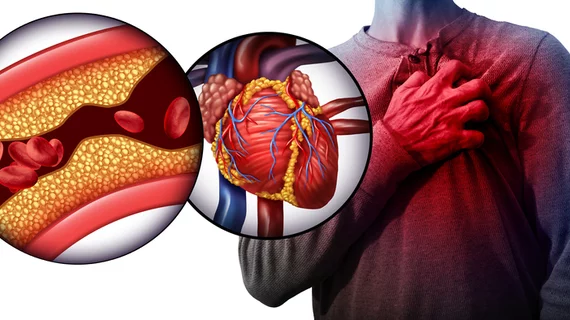
This is the most common type of heart disease. It happens when the arteries that supply blood to the heart become narrow due to plaque buildup. This reduces blood flow and can lead to chest pain or heart attacks.

2. Heart Attack

A heart attack occurs when blood flow to part of the heart is blocked. This can damage or destroy heart muscle. Symptoms include chest pain, shortness of breath, and discomfort in the upper body.

3. Heart Failure

Heart failure does not mean the heart has stopped working. It means the heart cannot pump blood effectively. This can cause fatigue, swelling, and breathing problems.

4. Arrhythmia

Arrhythmia is an irregular heartbeat. The heart may beat too fast, too slow, or unevenly. This can affect how well blood is pumped throughout the body.

5. Valvular Heart Disease

This condition affects the heart valves, which control blood flow inside the heart. Damaged valves can cause blood to leak or flow incorrectly.

6. Congenital Heart Disease

These are heart defects present at birth. Some may be mild, while others require surgery or long-term treatment.

Causes of Heart Disease

Several factors can increase the risk of heart disease, including:

  • High blood pressure
  • High cholesterol
  • Smoking
  • Obesity
  • Diabetes
  • Lack of physical activity
  • Unhealthy diet

Genetics can also play a role in heart disease.

Symptoms to Watch For

Common symptoms of heart disease include:

  • Chest pain or discomfort
  • Shortness of breath
  • Fatigue
  • Dizziness
  • Swelling in legs or ankles

However, some people may not experience noticeable symptoms until the condition becomes serious.

Prevention Tips

Preventing heart disease involves making healthy lifestyle choices:

  • Eat a balanced diet rich in fruits and vegetables
  • Exercise regularly
  • Avoid smoking
  • Manage stress
  • Keep blood pressure and cholesterol under control

Regular health checkups can also help detect problems early.

When to See a Doctor

You should consult a doctor if you experience:

  • Persistent chest pain
  • Difficulty breathing
  • Irregular heartbeat
  • Unusual fatigue

Early diagnosis can save lives and prevent complications.

Conclusion

Heart disease is a serious health issue, but many types are preventable and manageable. By understanding common heart diseases and their risk factors, individuals can take proactive steps toward a healthier life. Awareness, early detection, and lifestyle changes are key to maintaining heart health.

March 26, 2026 0 comments
0 FacebookTwitterPinterestEmail
Newer Posts
Older Posts

Recent Posts

  • How to Improve Overall Health Naturally
  • What Are the Best Health Tips for Daily Life
  • When to See a Urologist
  • What Are Common Urinary Problems
  • What Does a Gynecologist Treat & When Should You Visit a Gynecologist

Recent Comments

No comments to show.

Keep in touch

Facebook Twitter Instagram Pinterest Linkedin Youtube

Recent Posts

  • How to Improve Overall Health Naturally

  • What Are the Best Health Tips for Daily Life

  • When to See a Urologist

  • What Are Common Urinary Problems

  • What Does a Gynecologist Treat & When Should You Visit a Gynecologist

  • What Are Gynecologist Services?

Newsletter

Categories

  • Blog (2)
  • Cardiology (2)
  • Dentistry (2)
  • Elderly Care (2)
  • Gynecology (2)
  • Urology (2)
Gizmocrunch.com
  • Gizmocrunch.com
  • About Us
  • Privacy Policy
  • Contact Us
Ryantylerofficial91@gmail.com
  • Categories
    • Cardiology
    • Dentistry
    • Elderly Care
    • Gynecology
    • Urology
    • Blog HOT
    • Podiatry hot
Editors' Picks
How to Improve Overall Health Naturally
What Are the Best Health Tips for Daily Life

@2026 – All Right Reserved. Gizmocrunchs.com

Facebook-f Twitter Youtube Tiktok Linkedin-in
gizmocrunchs.com
  • Cardiology
  • Dentistry
  • Elderly Care
gizmocrunchs.com
  • Gynecology
  • Urology
  • Blog
    • Pain Management
    • Podiatry
    • Nutrition
    • Women’s Health
    • Internal Medicine
    • Primary Care