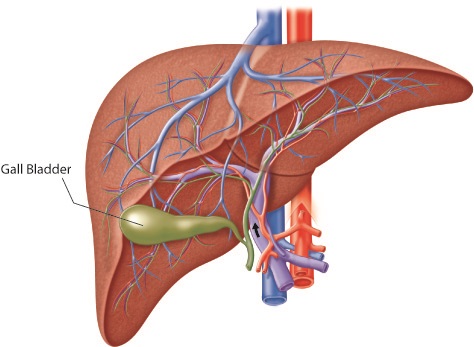
Gallbladder surgery addresses problems caused by gallstones, inflammation, or blocked bile ducts. The gallbladder is a small organ that stores bile, a fluid that helps the body break down fats. When stones form or the organ becomes inflamed, symptoms like abdominal pain, nausea, and digestive discomfort can follow. For many people, complete removal of the gallbladder is the most common treatment, and surgeons recommend it when gallstones cause repeated problems. Other surgical options are also available, depending on where the stones are and how severe the condition is. Here’s information about gallbladder removal and the possible alternatives to this procedure:
When Is Gallbladder Removal Necessary?
Surgeons recommend gallbladder removal, or cholecystectomy, when the organ causes recurring, serious problems. Removal may also be discussed when stones lead to complications that alternative procedures alone cannot resolve. A cholecystectomy procedure is typically performed laparoscopically, using small incisions and a camera to guide the surgeon. Some common reasons to remove the gallbladder include:
- Gallstone Attacks That Recur
- Gallbladder Inflammation
- Gallbladder Infection
In some situations, an open surgery with a larger incision may be required, such as when scarring or severe inflammation makes the laparoscopic approach difficult. The body adapts to functioning without a gallbladder, since bile continues to flow directly from the liver to the small intestine. This is why removal is a widely used option for chronic gallbladder conditions.
What Is an Endoscopic Cholangiopancreatography?
Endoscopic retrograde cholangiopancreatography (ERCP) combines endoscopy and imaging to examine and treat the bile ducts. For an ERCP procedure, a doctor guides a flexible tube with a camera through the mouth and down into the small intestine. From there, they can locate and remove stones that have moved from the gallbladder into the bile ducts.
ERCP is appropriate when gallstones have traveled beyond the gallbladder and lodged in the common bile duct. This blockage can lead to jaundice, infection, or inflammation of the pancreas. In these cases, ERCP clears the duct rather than removing the gallbladder itself. Doctors may perform it before or after gallbladder removal, and it often serves as a targeted step in a larger treatment plan. Because ERCP does not remove the source organ, you may still need additional treatment if stones keep forming. Recovery timelines vary between these two procedures.
How Does Recovery Differ?
After an endoscopic retrograde cholangiopancreatography, many people return home the same day or after a short observation period. Some may experience a sore throat, bloating, or mild discomfort, and these effects usually fade within a day or two. Because ERCP is less invasive and no organ is removed, recovery is usually shorter. Recovery from laparoscopic gallbladder removal generally takes longer than recovery from ERCP, though most people resume normal activities within a couple of weeks. Rest, limited physical strain, and gradual return to regular meals are common parts of the removal process.
Learn About Your Surgical Options
Choosing between ERCP and gallbladder removal depends on your condition, the location of any stones, and your medical team’s advice. Each procedure serves a different purpose, and one may suit your condition better than the other. A thorough evaluation helps determine which approach fits your needs and helps you prepare for what recovery might look like. For personalized advice, contact a general surgery practice near you to schedule a consultation. They can review your symptoms, explain the options in detail, and answer questions about what to expect.
- Innovative Vein Treatment Techniques Revolutionizing Care
- The Potential Benefits of Stem Cell Therapy for Joint Pain Relief
- The Hyperbaric Chamber Treatment Process
- How Orthopedic Surgeons Approach Joint Pain Diagnosis
- Common Causes and Treatments for Erectile Dysfunction