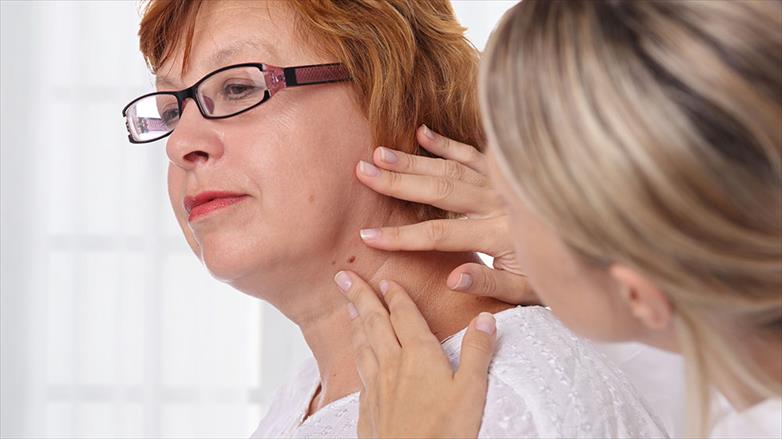
Mohs surgery is a precise surgical technique used to remove skin cancer layer by layer. The surgeon examines each layer under a microscope until no cancer cells remain, which allows them to preserve as much healthy tissue as possible. Patients may choose Mohs surgery because it achieves high cure rates for skin cancers like basal cell carcinoma and squamous cell carcinoma, and it also minimizes scarring. Here is more information on what this surgery entails:
What Is Skin Cancer?
Skin cancer develops when abnormal cells grow uncontrollably in the skin. UV exposure from the sun or tanning beds often triggers this uncontrolled growth, and the condition presents in several distinct forms. The three primary types, basal cell carcinoma, squamous cell carcinoma, and melanoma, each vary in severity and growth pattern. Basal cell carcinoma is common, and while it rarely spreads to other parts of the body, squamous cell carcinoma grows faster and carries a higher risk of spreading if left untreated. Melanoma, though less common, is aggressive and requires prompt medical attention.
Doctors diagnose skin cancer through visual examination and biopsy, where a small tissue sample is tested for cancerous cells. Once the diagnosis is confirmed, the patient and physician collaborate to determine the most appropriate treatment. For basal cell and squamous cell carcinomas on the face or other sensitive areas, doctors may recommend Mohs surgery; this approach removes the cancer precisely while preserving as much healthy tissue as possible.
How Is Skin Cancer Treated?
Treatment depends on the type, size, and location of the tumor, along with the patient’s overall health. Common approaches include:
- Surgical excision
- Radiation therapy
- Topical medications
Each treatment method carries distinct advantages depending on the cancer type.
What Is Mohs Surgery?
Mohs surgery is a specialized surgical procedure for removing skin cancer, and Dr. Frederic Mohs developed it in the 1930s. Surgeons remove thin layers of tissue, which they examine under a microscope before proceeding further. This process continues until no cancer cells remain, sparing as much healthy tissue as possible.
This surgery is typically recommended for cancers located on the face, hands, feet, and genitals. Because these areas require precise tissue preservation, Mohs surgery is particularly effective, and it may also help with recurrent cancers or those with poorly defined borders. Mohs surgery offers a higher cure rate, so patients benefit from smaller scars and a reduced risk of cancer returning.
How Does It Work?
The surgical process numbs the treatment area. This allows the patient to remain awake throughout the procedure, while the surgeon removes a thin layer of tissue containing the visible tumor. The tissue is sent to an on-site lab for immediate examination. If cancer cells remain at the margins, the surgeon removes another layer from the precise location where cancer was detected.
This layer-by-layer approach repeats until lab results confirm clear margins, free of cancerous cells. Since the surgeon and lab technician work together in real time, patients avoid delays with outside facility testing. The process is efficient, and it enables accurate results at each stage of the procedure.
Once the surgery concludes, the surgeon closes the wound. The closure method depends on the wound’s size and location; it may involve stitches or natural healing. The surgeon carefully selects an option based on the patient’s specific needs.
Treat Skin Cancer Now
Skin cancer treatment works best when addressed early, and Mohs surgery gives patients a precise, effective option for many cases. Understanding your diagnosis and treatment options helps you make informed decisions with your healthcare provider. If you notice unusual skin changes, schedule an appointment with a dermatologist.
- Innovative Vein Treatment Techniques Revolutionizing Care
- The Potential Benefits of Stem Cell Therapy for Joint Pain Relief
- The Hyperbaric Chamber Treatment Process
- How Orthopedic Surgeons Approach Joint Pain Diagnosis
- Common Causes and Treatments for Erectile Dysfunction