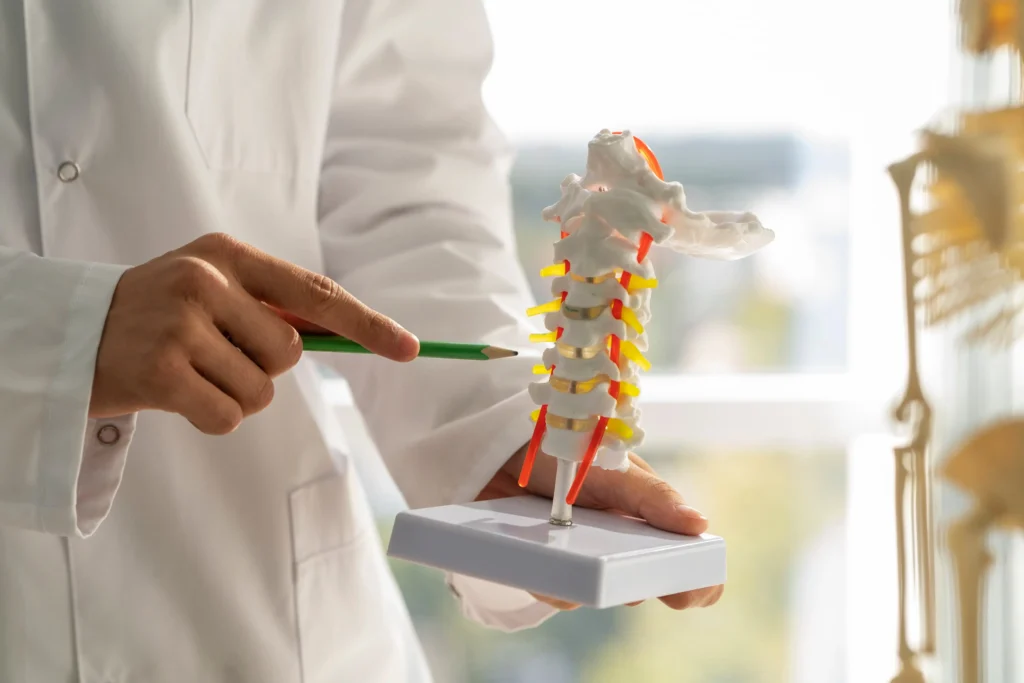
The elbow is a joint that connects the upper arm to the forearm, and it allows you to bend, straighten, and rotate your arm. When injury, wear, or disease affects this joint, everyday tasks like lifting, gripping, or reaching can become difficult. Elbow surgery is one option that healthcare providers may discuss when other treatments no longer bring relief.
What Is Elbow Surgery?
Elbow surgery refers to a group of procedures designed to repair, replace, or improve the function of the elbow joint. The joint is made up of three bones, along with ligaments, tendons, cartilage, and muscles that work together to support movement. Damage to any of these structures can lead to pain, stiffness, weakness, or a limited range of motion. Surgeons may recommend an operation after non-surgical approaches, such as rest, physical therapy, or medication, have been tried. The goal of surgery is generally to reduce discomfort, and it can restore movement so that people are able to return to their regular activities. Each procedure is planned around the specific condition affecting the joint, the person’s overall health, and their daily needs.
What Are the Types?
Elbow surgery covers a range of procedures. The right approach depends on the underlying issue, whether it stems from an injury, a chronic condition, or long-term joint wear. There are several common types of methods, and these include:
- Arthroscopy: Using a thin instrument with a camera, a surgeon can view the inside of the joint and treat problems through small openings.
- Fracture Repair: A broken elbow may need surgery to align the bones and hold them in place.
- Ligament Reconstruction: Ligaments that have been torn or stretched can be repaired or rebuilt via surgical means.
- Joint Replacement: In cases of severe arthritis or extensive damage, part or all of the elbow joint may be replaced with an artificial component.
- Nerve Release: Pressure on nerves near the elbow, such as the ulnar nerve, can cause numbness or tingling, and surgery is able to relieve that pressure.
The type of procedure recommended will typically be based on an examination and imaging tests that give the surgical team a clear picture of the joint.
What Does Rehabilitation Involve?
Recovery is a central part of the surgical process. After an operation, the elbow often needs time to heal before normal use resumes. Rehabilitation is designed to rebuild strength, restore motion, and support the tissues as they recover. In the early stages, the arm may be placed in a sling to protect the joint. Managing swelling and discomfort is typically part of this initial phase, and a care team can provide guidance on how to rest the arm while gradually reintroducing gentle movement.
As healing progresses, physical therapy usually becomes a regular part of the routine. A therapist will guide you through exercises that may improve flexibility, and they aim to slowly rebuild muscle strength. The length of rehabilitation varies from person to person. Following the instructions given by your care team supports a smoother return to daily activities.
Confer With an Orthopedic Surgeon
Elbow surgery covers many procedures, and each is suited to a particular condition or injury. Because the joint plays a role in arm movement, decisions about treatment benefit from professional guidance. An orthopedic surgeon will evaluate the joint, explain the available options, and outline what a personalized recovery might look like.
- Innovative Vein Treatment Techniques Revolutionizing Care
- The Potential Benefits of Stem Cell Therapy for Joint Pain Relief
- The Hyperbaric Chamber Treatment Process
- How Orthopedic Surgeons Approach Joint Pain Diagnosis
- Common Causes and Treatments for Erectile Dysfunction