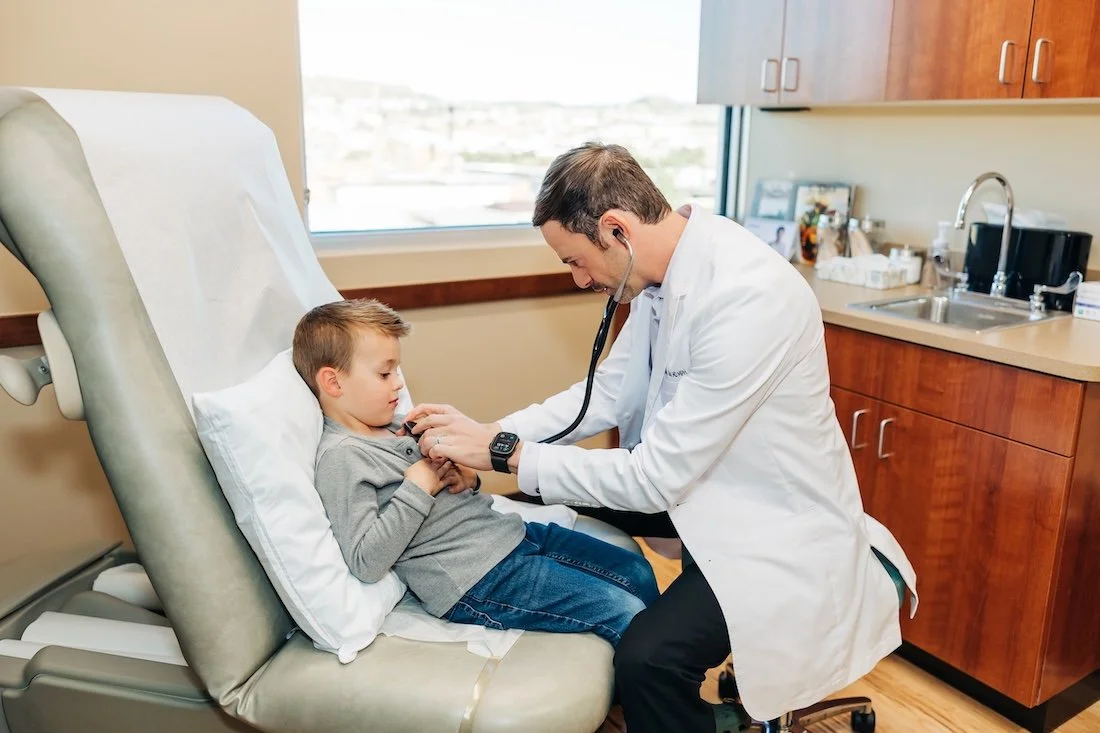
Urgent care centers treat non-life-threatening illnesses and minor injuries, and you can walk in without an appointment, while others offer telehealth services. When your regular doctor is unavailable, urgent care fills the gap. These centers address sudden symptoms, small accidents, and after-hours needs. Here is more information on the urgent care experience:
Virtual Telehealth Visits
Telehealth lets you meet a provider by video. You connect from home, and the visit starts within minutes. When your symptoms feel manageable, a remote consult may be a good first step. This option suits busy schedules and travel-related concerns. Some issues fit remote care well. These are typical reasons people book a video visit:
- Cold, cough, or sore throat
- Minor rashes or skin questions
- Medication refills for stable conditions
- Follow-up on a prior visit
An urgent care provider reviews your symptoms during the call. If you need hands-on care, they refer you to a clinic. You get clear next steps, and the process stays simple.
In-person Care
In-person care addresses problems that need a physical exam. You arrive, check in, and a provider sees you. When an injury needs stitches or a splint, on-site staff treat it directly. Extended and weekend hours give you more options.
Wait times vary by location and time of day. Many centers post estimated waits online, and some send text updates. You receive care based on the severity of your symptoms. If you arrive during a busy stretch, staff triage patients by need.
Details matter to many patients, and some centers accept insurance and out-of-pocket payments. When you call ahead, front desk staff explain pricing before your visit. Ask about policies so you avoid surprises later.
Diagnostic Tests
Diagnostic tests help providers understand your condition. Staff run several tests on-site, and results typically arrive the same day. When a provider needs more detail, they order the right test for your symptoms. Quick results support faster treatment decisions, and on-site tests include a few standard options. Here is what many centers offer:
- Rapid strep and flu tests
- Basic blood panels
- Suspected fracture X-rays
Your provider explains each test in plain language. They walk you through the results, and you ask questions freely. When findings point to a specialist, staff guide you toward the next step.
Coordinated Lab Work
Coordinated lab work connects your visit to outside laboratories. Some samples need analysis beyond the clinic, and staff manage that transfer. When results return, the center notifies you by text or email. This keeps you informed without extra phone calls.
Your records follow you across the process, and staff share findings with your primary doctor when you request it. If you need repeat testing, the center schedules it promptly. Clear communication keeps your care organized from start to finish.
Find Urgent Care Near You
Urgent care gives you a practical option for sudden, non-emergency needs, and you can walk in, connect by video, or schedule a follow-up. When you know what each service offers, choosing the right care gets easier. Telehealth, in-person visits, on-site tests, and lab coordination work together. Find a nearby center, check the current hours, and confirm accepted payment methods.
- Innovative Vein Treatment Techniques Revolutionizing Care
- The Potential Benefits of Stem Cell Therapy for Joint Pain Relief
- The Hyperbaric Chamber Treatment Process
- How Orthopedic Surgeons Approach Joint Pain Diagnosis
- Common Causes and Treatments for Erectile Dysfunction