• Cardiology
  • Dentistry
  • Elderly Care
gizmocrunchs.com
  • Gynecology
  • Urology
  • Blog
    • Pain Management
    • Podiatry
    • Nutrition
    • Women’s Health
    • Internal Medicine
    • Primary Care
Category:

Ophthalmology

The Importance of Regular Eye Exams for Long-Term Eye Health
Ophthalmology

The Importance of Regular Eye Exams for Long-Term Eye Health

by Richard November 6, 2026
written by Richard

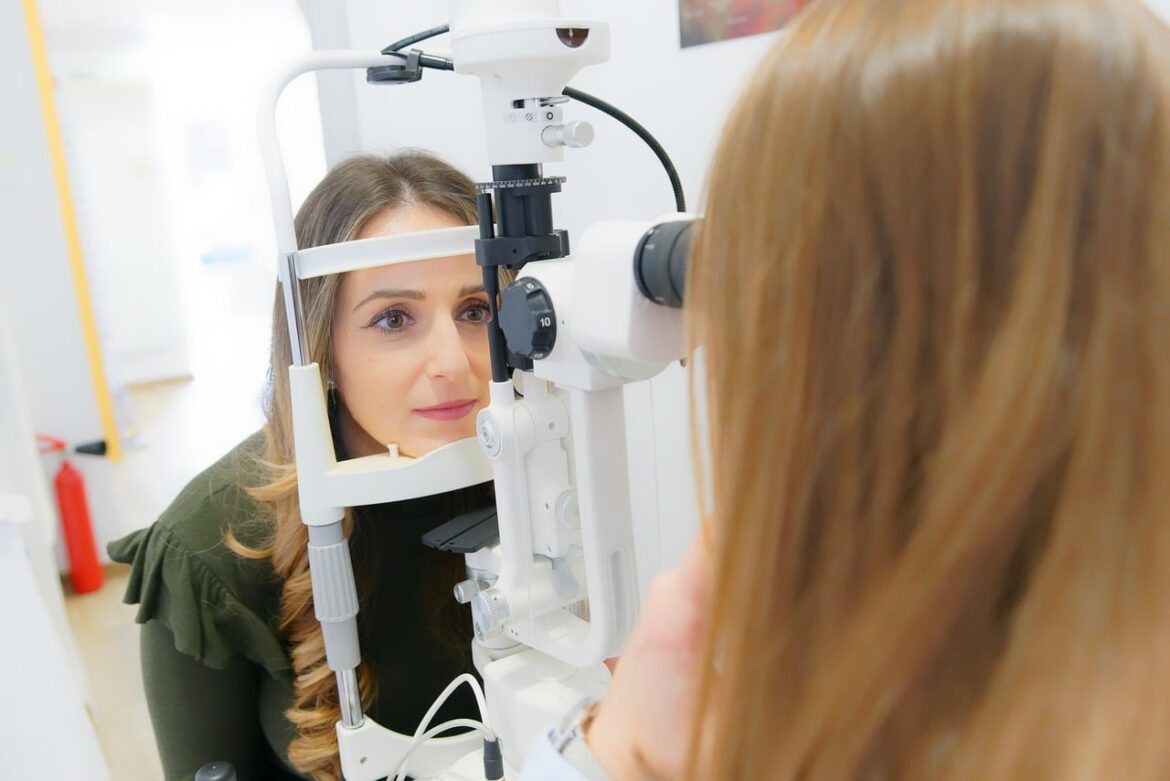
Regular eye exams play a fundamental role in maintaining healthy vision and detecting potential eye problems before they become more serious. A comprehensive exam allows an eye care professional to identify changes in eye health and detect early signs of conditions such as glaucoma, cataracts, and diabetic eye disease. Here is a closer look at the need for regular eye exams for long-term eye health:

Detecting Eye Diseases Early

Several eye conditions develop gradually and produce no noticeable symptoms in their early stages. An eye doctor uses specialized equipment to look for signs that you would not notice on your own. When the doctor finds a concern, they explain the results and outline the next steps. Conditions that an eye exam helps identify include:

  • Glaucoma: A group of conditions linked to damage to the optic nerve, which carries visual information to the brain.
  • Cataracts: A clouding of the eye’s natural lens that progresses slowly and often affects older adults.
  • Macular degeneration: Changes to the macula, which is the part of the retina responsible for sharp central vision.
  • Retinal tears or detachment: Damage to the light-sensitive layer at the back of the eye. 

Identifying Vision Changes

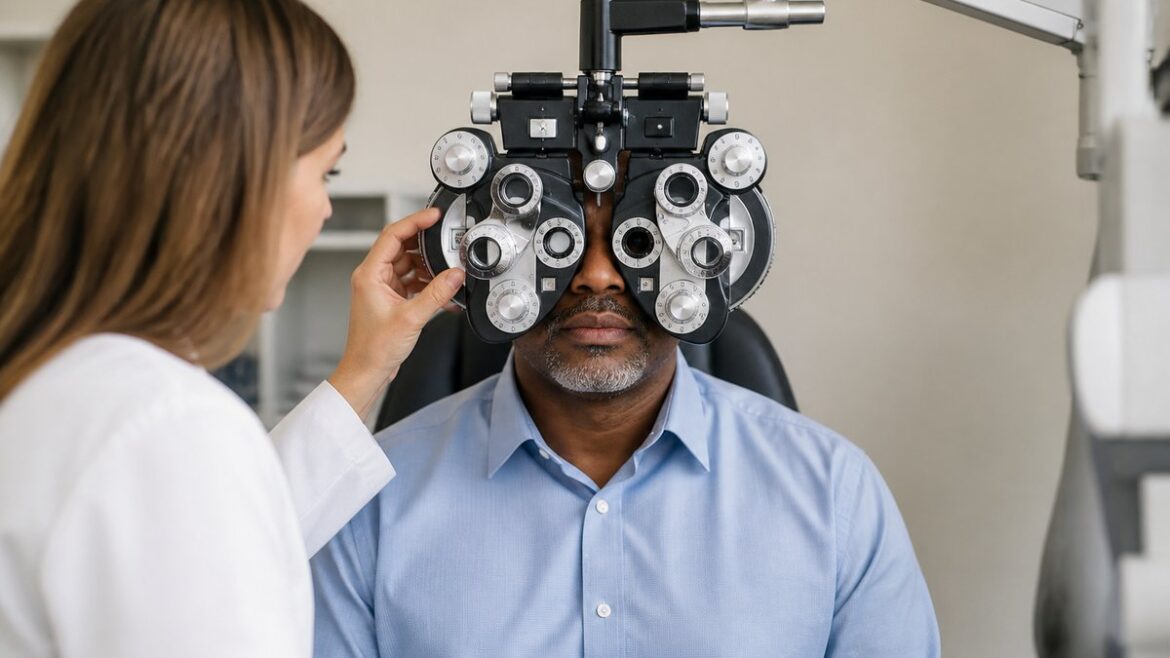
A refractive error occurs when the eye’s shape prevents light from focusing directly on the retina. The most common types are nearsightedness, farsightedness, astigmatism, and presbyopia. During an eye exam, the eye doctor conducts a refraction test. You look through a series of lenses, and the doctor uses your responses to determine your prescription. Vision often changes so gradually that people do not notice the difference. An updated prescription helps you see clearly at school, at work, and while driving.

Monitoring Overall Eye Health

The eye is one of the few places a doctor can directly view blood vessels and nerves without surgery. Changes in these structures sometimes reflect broader health conditions, such as diabetes or high blood pressure. When the doctor notices these signs during an eye exam, they may recommend that you follow up with your primary care provider.

An exam also creates a record of your eye health over time. Some practices use digital imaging, which lets the doctor compare current results with images from previous visits. This comparison helps the doctor notice gradual changes that a single exam may not reveal.

Scheduling Regular Exams

The right frequency for an eye exam depends on your age, health history, and current vision. Eye care professionals often follow general guidelines, but your doctor adjusts these based on your individual needs. People with diabetes, a family history of eye disease, or existing vision problems often need more frequent visits.

Exams for Children and Teens

Professionals recommend a first exam between 6 and 12 months of age. Another exam generally takes place between ages 3 and 5, and children often have one before starting first grade. After that, annual eye exams help track vision as the eyes grow and school demands increase.

Exams for Adults and Seniors

Adults between 18 and 40 should schedule an exam at least every two years. Adults 65 and older usually visit once a year, as the possibility of age-related eye conditions increases. Your doctor may suggest a different schedule if you wear contact lenses or have ongoing health concerns.

Schedule Your Eye Exam Today

Regular exams are fundamental for maintaining vision health at every stage of life, from early childhood to older adulthood. They help identify eye conditions early, keep prescriptions accurate, and track changes linked to broader health concerns. For children, these exams support healthy development and academic readiness. Adults benefit from ongoing eye health monitoring every one to two years, depending on age and risk factors. Contact a qualified optometrist near you to schedule your eye exam today.
  • Stem Cell Therapy for Degenerative Disc Disease
  • Techniques in Spine Surgery That Support Recovery
  • Cognitive Behavioral Therapy Techniques for Improved Mental Health
  • Lifestyle Changes for Effective Weight Loss
  • The Importance of Regular Eye Exams for Long-Term Eye Health
November 6, 2026 0 comments
0 FacebookTwitterPinterestEmail
What To Know About Eye Care
Ophthalmology

What To Know About Eye Care

by Richard October 29, 2026
written by Richard

Many eye conditions develop gradually and may cause no pain or noticeable symptoms in their early stages. As a result, damage can occur before a person realizes anything is wrong. Fortunately, many of these conditions can be managed effectively when they are identified early via an eye exam. Learn more about what you should know about eye care.

Get Regular Eye Exams

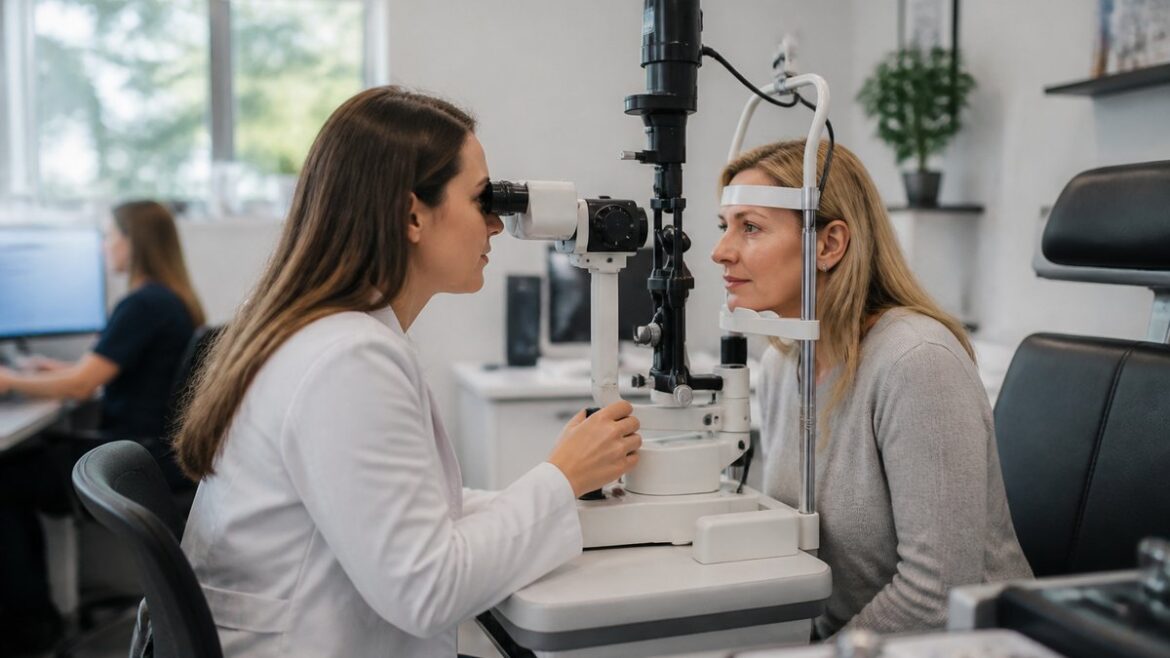
During an eye exam, an optometrist or ophthalmologist evaluates your vision and how clearly you see. They also examine the internal structures of the eye, measure eye pressure, and assess how well your eyes work together. If vision changes or worsens, they can prescribe glasses or perform other corrective measures.

Routine eye care exams are essential because several serious conditions often progress without early warning signs. These include glaucoma and macular degeneration. Early detection allows your eye care provider to begin treatment that may slow or halt the progression of disease.

High blood pressure, diabetes, and certain neurological conditions may produce visible changes in the blood vessels or nerves of the eye. The recommended frequency of exams varies based on overall health and risk factors, along with age. Your provider can help determine an appropriate schedule for you.

Lifestyle Changes Matter

A balanced diet rich in leafy green vegetables, colorful fruits, and fish containing omega-3 fatty acids provides important nutrients for eye health. These include vitamin C and zinc. These nutrients support retinal health and may lower the risk of age-related eye diseases.

Extended periods of focusing on computers, tablets, or phones can lead to digital eye strain. Dryness, headaches, and blurred vision are signs of too much screen time. Adjusting screen brightness and maintaining a comfortable viewing distance can also reduce strain.

Other habits influence eye health as well. Sun exposure can cause damage to the eyes, as does smoking. Wearing protective eyewear during sports or hazardous work, practicing proper contact lens hygiene, and managing chronic conditions such as diabetes all contribute to healthier eyes.

Vision Changes Happen

Vision naturally changes over time. As people age, they may develop presbyopia, a gradual loss of the ability to focus on nearby objects. Reading small print may become more difficult, and you may find yourself holding materials farther away. Other age-related changes can include reduced contrast sensitivity, increased sensitivity to glare, difficulty seeing in low light, and drier eyes.

While many of these changes are a normal part of aging, some symptoms may indicate a more serious problem that requires prompt evaluation. Contact an eye care professional if you experience:

  • Sudden loss of vision in one or both eyes
  • A sudden increase in floaters or flashes of light
  • A shadow or curtain across part of your field of vision
  • Eye pain, redness, or swelling that does not improve
  • Double vision
  • Distorted or wavy central vision
  • Halos around lights or cloudy vision

Some of these symptoms, such as flashes of light accompanied by a shadow in your vision, may signal a retinal detachment. This condition requires emergency care. Seeking help quickly can make a significant difference in preserving your sight.

Receiving Regular Eye Care

Regular eye exams allow your provider to track changes in your vision, update prescriptions, and identify conditions before they cause lasting harm. When paired with healthy lifestyle habits, routine eye care gives you the best opportunity to maintain clear vision. If you have not had a comprehensive eye exam recently, or if you have noticed changes in your vision, schedule an eye appointment.

  • Stem Cell Therapy for Degenerative Disc Disease
  • Techniques in Spine Surgery That Support Recovery
  • Cognitive Behavioral Therapy Techniques for Improved Mental Health
  • Lifestyle Changes for Effective Weight Loss
  • The Importance of Regular Eye Exams for Long-Term Eye Health
October 29, 2026 0 comments
0 FacebookTwitterPinterestEmail
Tips for Recovering from Lasik Surgery
Ophthalmology

Tips for Recovering from Lasik Surgery

by Richard October 28, 2026
written by Richard

LASIK surgery reshapes the cornea to correct common vision problems, including nearsightedness, farsightedness, and astigmatism. Patients can notice clearer vision within a day of the procedure, but the eyes still need time to heal fully. Following proper recovery guidelines helps reduce the risk of complications and protects the long-term results of the surgery. Explore tips for recovering from LASIK surgery.

Eye Rest and Care

Immediately after the procedure, your eyes will be especially sensitive. Surgeons may recommend that patients go home and sleep for several hours immediately after their laser eye procedure. Sleep allows the eyes to begin healing and helps ease mild burning, itching, or watering that are expected during the first day.

The following practices can help protect them while the corneal flap heals:

  • Avoid rubbing your eyes. Rubbing can dislodge the corneal flap created during surgery. If your eyes feel itchy or irritated, use the drops your surgeon recommends instead.
  • Wear protective eye shields while sleeping. Your surgeon will likely provide shields to prevent accidental rubbing or pressure during sleep, typically for about one week.
  • Use prescribed eye drops as directed. Antibiotic and anti-inflammatory drops help prevent infection and reduce swelling. Lubricating drops can relieve dryness, which is common after laser eye surgery.
  • Limit screen time early in recovery. Computers, phones, and televisions can cause eye strain and reduce blinking, which may worsen dryness. Take frequent breaks during the first few days.
  • Wear sunglasses outdoors. Your eyes may be more sensitive to light after surgery, and sunglasses also protect them from wind and debris.

Mild discomfort, halos around lights, and fluctuating vision are normal during the early stages of healing. Contact your surgeon if you experience severe pain, worsening vision, or unusual discharge.

Limiting Activities

Certain activities can place the eyes at risk during recovery. Avoid driving until your surgeon confirms that your vision meets the legal standard, usually at your first follow-up visit. Strenuous exercise should be postponed for at least several days, as sweat can enter the eyes and cause irritation or infection. Light activity, such as walking, is generally acceptable sooner.

Patients should avoid swimming pools, hot tubs, lakes, and oceans until given surgeon permission. When showering, keep water and soap away from your eyes. Contact sports, such as football, basketball, or martial arts, should be avoided temporarily; protective eyewear is advisable when you resume them. You should also avoid dusty or smoky environments, which can irritate healing eyes.

Limiting Makeup

Cosmetics applied near the eyes can introduce bacteria and particles that may lead to infection or irritation. Avoid eye makeup, including mascara, eyeliner, and eyeshadow, until your surgeon allows. When you resume wearing makeup, replace your existing eye products to avoid bacterial infections.

Follow-Up Appointments

Follow-up appointments after LASIK allow your surgeon to monitor healing and identify potential concerns early. The first visit usually takes place shortly after surgery. During this appointment, your surgeon will check your vision, examine the corneal flap, and confirm that your eyes are healing as expected.

Additional appointments are commonly scheduled at different intervals follwing your procedure. Vision may continue to stabilize over several months, and these visits help ensure that your results remain on track. Attend every scheduled appointment, even if your vision seems clear, and share any symptoms or questions with your care team.

Getting LASIK Surgery

LASIK surgery can significantly reduce or eliminate dependence on glasses and contact lenses, and a careful recovery helps you achieve the best possible outcome. By resting your eyes, limiting certain activities, avoiding eye makeup, and attending all follow-up visits, you can support safe and effective healing. If you are considering LASIK, schedule a consultation with an experienced, board-certified eye surgeon to determine whether the procedure is right for you.

  • Stem Cell Therapy for Degenerative Disc Disease
  • Techniques in Spine Surgery That Support Recovery
  • Cognitive Behavioral Therapy Techniques for Improved Mental Health
  • Lifestyle Changes for Effective Weight Loss
  • The Importance of Regular Eye Exams for Long-Term Eye Health
October 28, 2026 0 comments
0 FacebookTwitterPinterestEmail
Choosing the Right Eyeglasses for Your Lifestyle and Vision Needs
Ophthalmology

Choosing the Right Eyeglasses for Your Lifestyle and Vision Needs

by Richard October 14, 2026
written by Richard

An optician is an eyewear professional who fits and adjusts eyeglasses according to a prescription from an optometrist or ophthalmologist. Opticians cannot diagnose vision conditions or write prescriptions, but they interpret prescription details, take facial measurements, and recommend frames and lenses suited to each person’s daily activities. After getting your prescription, working with an optician helps your eyeglasses fit correctly to support your vision. Here’s information on finding an appropriate pair of eyeglasses for your lifestyle and vision needs:

Get an Up-to-date Prescription

Before selecting new eyeglasses, you need a current prescription. Prescriptions are typically valid for one to two years, depending on state regulations and provider recommendations. Vision changes over time, so an older prescription may no longer reflect your current needs. Your prescription includes several values, including:

  • Sphere (SPH): The SPH indicates the lens power for nearsightedness or farsightedness.
  • Cylinder (CYL) and Axis: CYL and axis describe corrections needed for astigmatism.
  • + (Add Value): An add value appears when additional power is needed for reading or close work.

Pupillary distance (PD), the distance between the centers of your pupils, may not appear on your prescription. Opticians measure PD to position the optical center of each lens correctly. If you plan to order glasses elsewhere, ask for both your prescription and your PD measurement. Many opticians work with eye doctors at their clinics, offering you care in one convenient location.

Discuss Your Face Shape

Opticians evaluate your face shape, facial proportions, and personal style when recommending new frames. A general guideline is to choose frames that contrast with your face shape. People with round faces often select rectangular frames, while people with square faces may prefer round or oval styles. Some common face shapes include oval, round, square, heart, and oblong. 

Fit matters as much as appearance, so opticians check that the frame width matches your face and that the bridge rests evenly on your nose. The temple arms should extend over the ears without pressing against the sides of the head. Your eyes should sit near the horizontal center of each lens. Frame material affects the weight and durability of your new eyeglass frames. Acetate frames come in a range of colors and patterns, while titanium and stainless steel frames are thin, lightweight, and corrosion-resistant.

Tell your optician how you plan to wear your glasses. An office worker may have different priorities than someone who needs a durable frame for outdoor work. Share colors, brands, or styles you prefer; the optician can then narrow the selection to frames that suit your face and prescription.

Get Appropriate Lenses

Lens selection depends on your prescription, your daily activities, and your chosen frames, and opticians help you compare:

  • Lens Types
  • Lens Materials
  • Lens Coatings

Single vision lenses have one prescription power across the entire lens, while bifocal lenses contain two distinct power zones, usually separated by a visible line. Progressive lenses provide a gradual transition between distance, intermediate, and near powers without a visible line. Computer lenses are designed for intermediate and near distances, which can suit people who spend long hours at a desk.

Standard plastic lenses are a common, economical option. Polycarbonate lenses are lighter and more impact-resistant than standard plastic, making them a better choice for children and active adults. High-index lenses are thinner and lighter for stronger prescriptions. Coatings also add specific functions to the lens surface, from scratch resistance to photochromic tints. A popular option is an anti-reflective coating that reduces reflections on the front and back of the lens.

Find Your Eyeglasses Today

After updating your prescription, visit an optician to review frame and lens options that match your needs. Choosing eyeglasses involves decisions about prescription accuracy, frame fit, lens type, and lens features. An optician can guide you through each step and adjust your frames after you receive them. To find an optician, ask your eye doctor for a referral or look online for some practitioners near you.

  • Stem Cell Therapy for Degenerative Disc Disease
  • Techniques in Spine Surgery That Support Recovery
  • Cognitive Behavioral Therapy Techniques for Improved Mental Health
  • Lifestyle Changes for Effective Weight Loss
  • The Importance of Regular Eye Exams for Long-Term Eye Health
October 14, 2026 0 comments
0 FacebookTwitterPinterestEmail
The Role of a Retina Specialist in Treating Macular Degeneration
Ophthalmology

The Role of a Retina Specialist in Treating Macular Degeneration

by Richard September 21, 2026
written by Richard

A retina specialist is an ophthalmologist, and they focus on the back of the eye. They typically complete extra training after medical school. When macular degeneration affects your central vision, this doctor becomes your main partner in care, and you get targeted attentio. Here is more information on the role of these specialists when you have macular degeneration:

Diagnosing Macular Degeneration

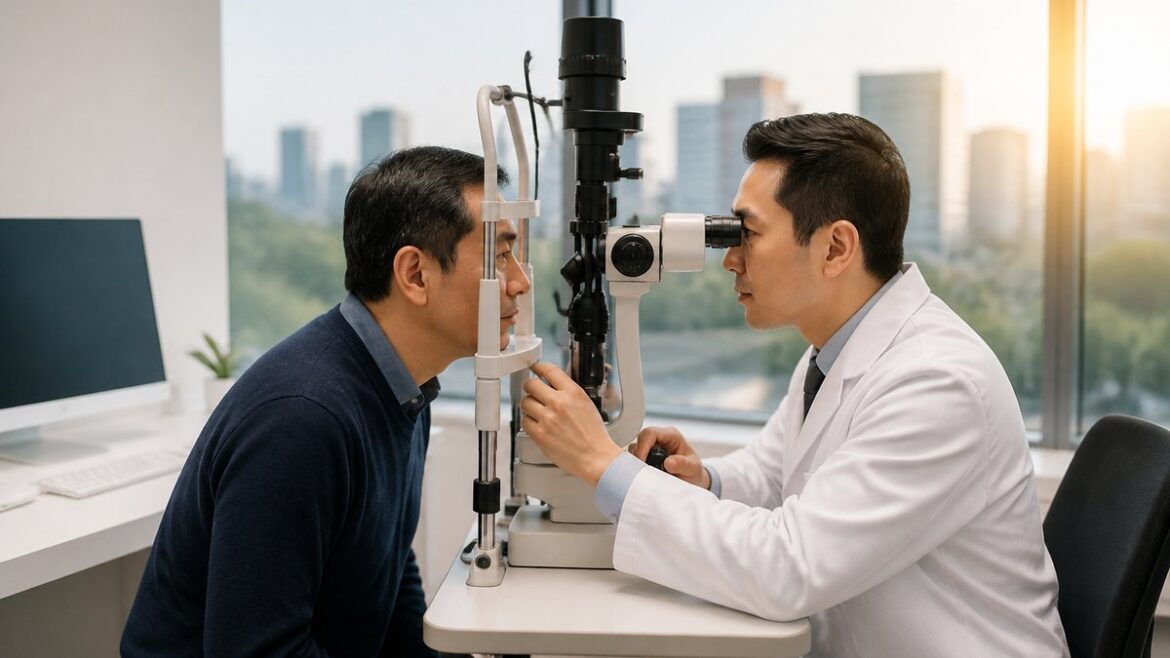
Diagnosis starts with a detailed eye exam. The retina specialist dilates your pupils, and then they view the macula under magnification. Since early changes often stay hidden, imaging tools help reveal what the eye alone misses. This step gives your doctor a clear picture of the disease.

Several tests support an accurate diagnosis. As each one shows a different layer of the retina, your specialist builds a full view. The exam takes time, but the detail matters for your treatment plan. 

Recommending Supplements

Some patients with dry macular degeneration receive supplement guidance. Your individual case shapes these recommendations, and your specialist may reference it. A formula combines specific nutrients that support eye tissue. A standard formula includes:

  • Lutein
  • Zeaxanthin
  • Vitamin C
  • Vitamin E
  • Zinc

Your specialist reviews your current medications first. Some nutrients interact with other drugs, so they check for conflicts before advising you. They tailor the discussion to your health history, and they answer your questions directly.

Performing Laser Treatments

Laser treatment applies to certain cases of wet macular degeneration. The specialist uses focused light to seal leaking blood vessels, and this targets abnormal growth beneath the retina. Since the macula is delicate, the doctor works with careful precision.

Photodynamic therapy is one laser-based option. Your specialist injects a light-sensitive drug, then activates it with a low-energy laser. The two steps work together, and the timing follows a set protocol.

Not every patient qualifies for laser treatment. The specialist weighs the location of the leakage against the risks, and they explain their reasoning. When the vessels sit away from the center, this approach becomes more practical for you.

Injecting Medications

Injections are a standard treatment for wet macular degeneration. These drugs slow the growth of abnormal blood vessels, and the specialist delivers them into the eye. Since the process involves an injection, your doctor numbs the area first.

The injection itself takes only moments. Your specialist cleans the eye, applies anesthetic, and then places the medication with a fine needle. Many patients return on a set schedule, so treatment stays consistent over months. Typical benefits of eye injections include:

  • Slowing the progression of vision loss
  • Reducing fluid and swelling in the retina
  • Preserving and, in some cases, improving your remaining vision

Your specialist monitors your response after each dose. They adjust the interval between visits based on your imaging, and they track any changes closely. As every eye responds differently, this ongoing review shapes your long-term plan.

See a Retina Specialist

Macular degeneration changes over time, and steady monitoring keeps your care on track. A retina specialist brings focused training to each stage of the disease.  If you notice blurred central vision or distorted lines, schedule an appointment soon. Contact a retina specialist near you and ask about a comprehensive retinal exam today.

  • Stem Cell Therapy for Degenerative Disc Disease
  • Techniques in Spine Surgery That Support Recovery
  • Cognitive Behavioral Therapy Techniques for Improved Mental Health
  • Lifestyle Changes for Effective Weight Loss
  • The Importance of Regular Eye Exams for Long-Term Eye Health
September 21, 2026 0 comments
0 FacebookTwitterPinterestEmail

Recent Posts

  • Stem Cell Therapy for Degenerative Disc Disease
  • Techniques in Spine Surgery That Support Recovery
  • Cognitive Behavioral Therapy Techniques for Improved Mental Health
  • Lifestyle Changes for Effective Weight Loss
  • The Importance of Regular Eye Exams for Long-Term Eye Health

Recent Comments

No comments to show.

Keep in touch

Facebook Twitter Instagram Pinterest Linkedin Youtube

Recent Posts

  • Stem Cell Therapy for Degenerative Disc Disease

  • Techniques in Spine Surgery That Support Recovery

  • Cognitive Behavioral Therapy Techniques for Improved Mental Health

  • Lifestyle Changes for Effective Weight Loss

  • The Importance of Regular Eye Exams for Long-Term Eye Health

  • How Endodontists Use Advanced Technology for Better Outcomes

Newsletter

Categories

  • Allergy & Immunology (4)
  • Blog (98)
  • Cardiology (8)
  • Chiropractic Care (1)
  • Dentistry (14)
  • Elderly Care (2)
  • ENT (1)
  • Gynecology (12)
  • Internal Medicine (4)
  • Ophthalmology (5)
  • Pain Management (16)
  • Pediatric Care (3)
  • Physical Therapy (9)
  • Podiatry (11)
  • Primary Care (4)
  • Sexual Health (1)
  • Sleep Health (5)
  • Urgent Care (4)
  • Urology (3)
  • Weight Management (5)
  • Women's Health (5)
Gizmocrunch.com
  • Gizmocrunch.com
  • About Us
  • Privacy Policy
  • Contact Us
Ryantylerofficial91@gmail.com
  • Categories
    • Cardiology
    • Dentistry
    • Elderly Care
    • Gynecology
    • Urology
    • Blog HOT
    • Podiatry hot
Editors' Picks
Stem Cell Therapy for Degenerative Disc Disease
Techniques in Spine Surgery That Support Recovery

@2026 – All Right Reserved. Gizmocrunchs.com

Facebook-f Twitter Youtube Tiktok Linkedin-in
gizmocrunchs.com
  • Cardiology
  • Dentistry
  • Elderly Care
gizmocrunchs.com
  • Gynecology
  • Urology
  • Blog
    • Pain Management
    • Podiatry
    • Nutrition
    • Women’s Health
    • Internal Medicine
    • Primary Care