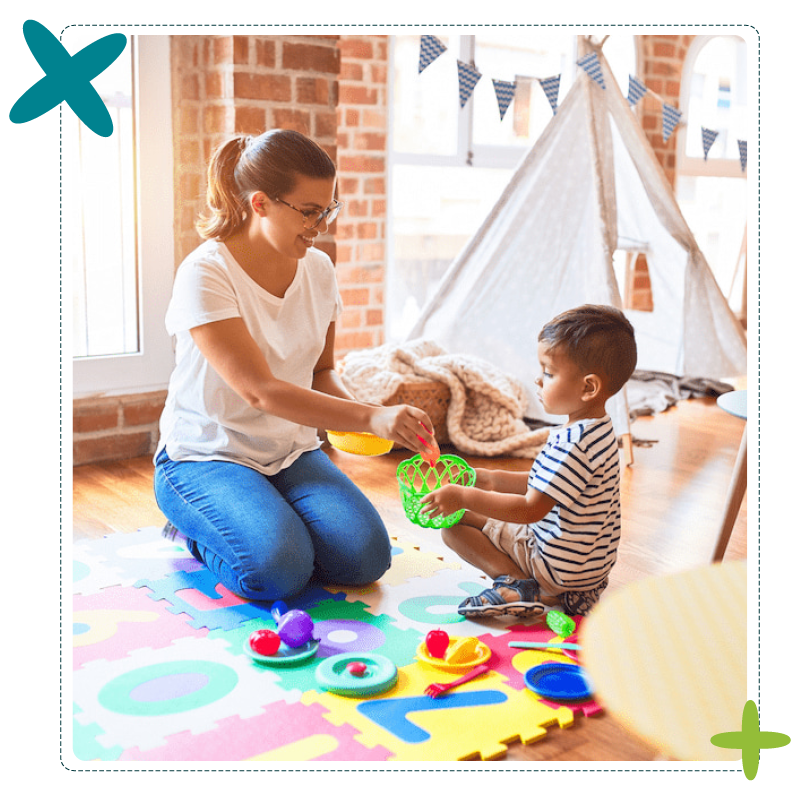
Autism spectrum disorder is a developmental condition that affects communication, behavior, and social interaction. Since autism exists on a spectrum, each person shows a different mix of strengths and challenges. Signs often appear in early childhood, but some people receive a diagnosis as teens or adults. Here are four current treatment approaches and recent updates to each one:
Applied Behavior Analysis Therapy
Applied behavior analysis (ABA) breaks skills into small steps, and therapists track progress with data. Sessions target communication, self-care, and social skills for people with autism. Older ABA models relied on rigid drills, while newer models use play and everyday routines.
When families live far from a clinic, online booking may help streamline the process. Parents practice strategies at home, and the therapist reviews progress during the next call. Some clinics also use apps to log behaviors and share data with the care team.
Weighted Blankets
Weighted blankets apply gentle, even pressure across the body. Results can be mixed, so many families treat them as one tool among several. Some people with autism use them because deep pressure feels calming during rest or stressful moments. Start with short sessions, and watch for signs of discomfort or overheating. Recent designs offer several new features:
- Breathable bamboo or cooling cotton fabrics for warm sleepers
- Weighted lap pads and vests for school or travel
- Removable covers for easier washing
Occupational Therapy
Occupational therapy (OT) helps people build skills for daily living. Therapists work on fine motor tasks like writing, and they also address dressing, eating, and grooming. Many children with autism see an OT because they react strongly to sounds, textures, or lights.
Sensory integration therapy remains a standard OT method, and its structured version follows a set protocol. During sessions, a therapist might use swings, textured materials, or balance equipment that challenge the senses gradually. The goal is a more comfortable response to everyday sensory input.
Some clinics now add virtual tools, which let children practice tasks like crossing a street. Others use video modeling to teach routines step by step. Ask your OT about the methods in use, and request clear goals for each stage.
Individualized Speech Therapy
Individualized speech therapy targets the communication goals that matter most to each person. One child might work on spoken words, and another might learn to use a communication device. Speech therapists may focus on these areas:
- Expressive language, such as naming objects or forming sentences
- Receptive language, such as following directions
- Social communication, such as turn-taking and reading facial cues
Some therapists use practice between sessions. These exercises give feedback on pronunciation while the child repeats words or phrases. Parents typically join sessions too, and therapists teach them strategies for daily conversations. Ask how the therapist measures progress so you know what to expect.
Get Treatment for Autism
If you suspect autism, start with a developmental evaluation from a pediatrician or specialist. A formal diagnosis often opens access to services and insurance coverage. Each approach above has its own focus, and many families combine two or more therapies. Ask providers about their training, methods, and goals before starting treatment.
