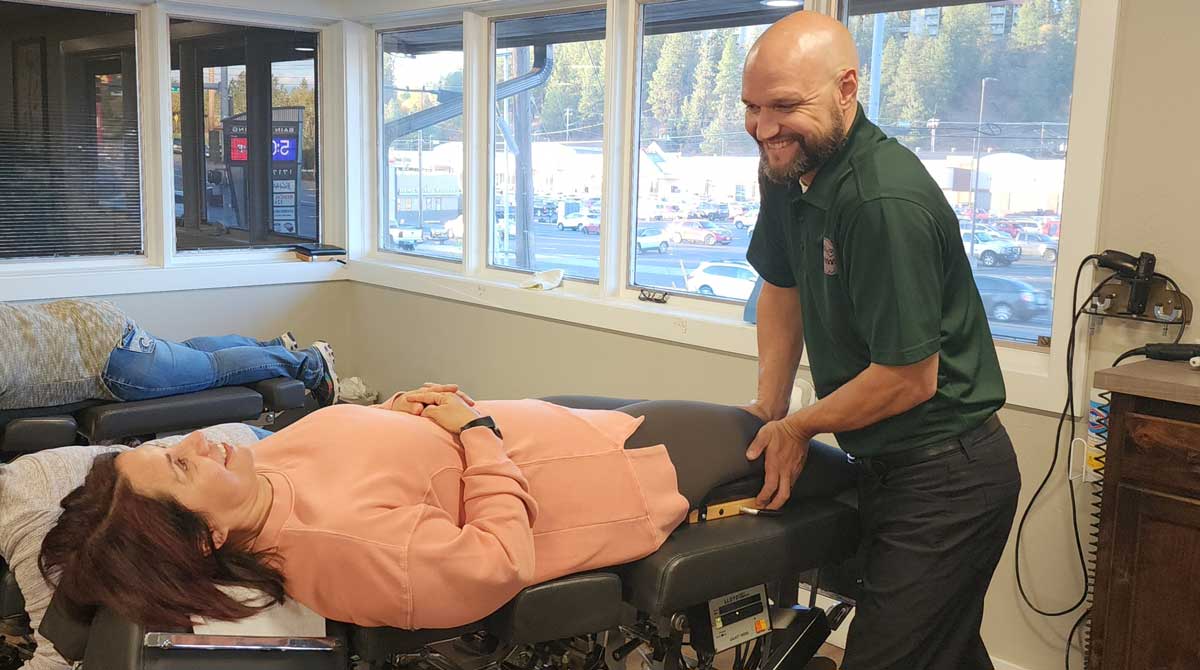
Knee pain is common, and it often limits mobility and disrupts daily routines. Surgery is not always the first option. Advances in interventional radiology offer patients less invasive ways to find relief. Imaging technology pinpoints the exact source of discomfort, which has shifted care toward minimally invasive options that give patients more choices before surgery becomes necessary. Here is more information on non-surgical treatments for pain in the knee:
What Is Knee Pain?
Knee pain refers to discomfort, stiffness, or reduced function within the knee joint. It appears suddenly after an injury, or it develops gradually from years of wear and tear on the joint structures. While some patients may describe a dull ache at rest, others notice sharp pain with movement. Chronic pain lasts longer than three months, and it often stems from inflammation within the joint lining. Imaging studies help clinicians assess the extent of joint damage.
What Causes It?
Pain in the knee arises from a range of underlying conditions and contributing factors. Common causes include:
- Osteoarthritis, resulting from the gradual breakdown of cartilage between the femur and tibia
- Excess body weight, which places added stress on the knee joint and accelerates cartilage wear over time
- Repetitive motion, from occupational tasks or sports activities that strain the surrounding tissue
Understanding the underlying cause helps determine the most appropriate course of treatment for each patient.
How Is It Managed?
Conservative treatments are typically the first line of management for chronic pain, and they aim to reduce symptoms without surgical intervention. Regular low-impact exercise, such as swimming or cycling, strengthens the muscles around the knee, which improves stability and reduces joint strain. Applying ice or heat to the affected area can help manage acute pain and inflammation. Weight management also helps; reducing excess body weight eases stress on the knee joint and slows cartilage deterioration. Additional measures may include modifying activity to avoid repetitive strain, using supportive bracing, and taking over-the-counter anti-inflammatory medications to manage discomfort.
When conservative approaches fail to adequately reduce symptoms, interventional radiologists may recommend image-guided procedures. Genicular artery embolization (GAE) blocks small arteries that supply inflamed tissue within the knee; this limits the blood flow that sustains ongoing inflammation. Genicular radiofrequency ablation (GRFA) uses heat generated by radio waves to disrupt the nerves that transmit pain signals from the joint. Both procedures target the underlying source of pain directly rather than masking symptoms through medication alone, which distinguishes them from standard pharmacological management.
Both GAE and GRFA rely on imaging guidance, and this allows precise targeting without large incisions. Patients may return home the same day. Because each patient has a unique condition, providers conduct a thorough diagnostic evaluation before treatment to determine the most appropriate procedure.
How Is Professional Guidance Beneficial?
Radiologists play a central role in diagnosing and treating knee pain through imaging. Their expertise in interpreting X-rays, MRIs, and ultrasounds enables accurate identification of damaged structures, which keeps treatment planning grounded in objective evidence rather than assumption. During image-guided procedures, radiologists direct instruments to precise locations within the knee using real-time imaging; this precision minimizes damage to surrounding tissue. Patients benefit from a coordinated plan that pairs diagnostic insight with targeted, minimally invasive care.
Learn More From a Radiologist
Knee pain does not have to lead directly to surgery; conservative treatments, combined with advanced procedures like genicular artery embolization and genicular radiofrequency ablation, give patients effective alternatives. Working with a radiologist adds diagnostic precision that supports better treatment outcomes. If you are experiencing persistent pain, consult a radiologist to explore imaging-guided treatment options.
- Innovative Vein Treatment Techniques Revolutionizing Care
- The Potential Benefits of Stem Cell Therapy for Joint Pain Relief
- The Hyperbaric Chamber Treatment Process
- How Orthopedic Surgeons Approach Joint Pain Diagnosis
- Common Causes and Treatments for Erectile Dysfunction