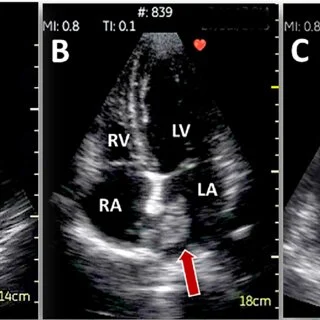
An echocardiogram is a non-invasive ultrasound test. It captures real-time images of the heart’s chambers, valves, and blood flow, and cardiologists order it to diagnose conditions such as valve disease, heart failure, and congenital defects. The procedure requires no needles or sedation, which means patients can resume normal activities immediately afterward. Here is more information on echocardiograms and what to expect from the process:
What Is an Echocardiogram?
An echocardiogram is a diagnostic imaging test that uses sound waves to create moving pictures of the heart. A small device called a transducer sends ultrasound waves toward the heart, and those waves bounce back to form images on a monitor. Because echocardiograms do not use radiation, they are safe for repeated use over time, unlike X-ray-based imaging methods. Cardiologists rely on these images to evaluate the heart’s chambers, valves, and major blood vessels. Several types of echocardiograms exist, including transthoracic, transesophageal, and stress echocardiograms.
Why Is It Conducted?
Doctors order echocardiograms to investigate a range of cardiac symptoms and conditions. Reasons include:
- Chest pain, difficulty breathing, fatigue, or swelling in the legs
- An irregular heart rhythm detected during a physical exam
- Monitoring of known heart conditions, tracking changes in heart function over time
- Signs of heart failure, measured by how efficiently the heart pumps blood
What Does the Process Involve?
Echocardiograms follow a straightforward routine. Patients lie on an exam table while a technician applies gel to the chest, which helps transmit sound waves between the skin and the transducer. The technician then moves the transducer across the chest in different positions to capture multiple angles of the heart, and the gel improves image clarity.
Patients may be asked to change positions so that the technician obtains clearer images. The process is non-invasive. A standard transthoracic echocardiogram involves no needles, incisions, or sedation, and patients remain alert throughout. The procedure typically lasts 40 to 60 minutes, depending on the complexity of the images required.
Some patients undergo a stress echocardiogram, which involves walking on a treadmill or receiving medication that mimics physical exertion. This variation lets cardiologists see how the heart performs under stress. A transesophageal echocardiogram involves a thin probe passed down the throat, and it is more invasive than a standard echocardiogram.
What Happens After?
Once the test concludes, patients can return to normal activities immediately, as there is no recovery period for a standard echocardiogram. A cardiologist reviews the images and generates a report. The timeline for receiving results varies by facility, and patients may discuss findings at a follow-up appointment. At that appointment, the cardiologist explains the results and determines whether additional testing or treatment is necessary.
If the echocardiogram reveals a condition such as valve disease or reduced heart function, the cardiologist will outline the available treatment options. These may include medication, lifestyle modifications, or further monitoring. Since each patient’s condition differs, the recommended course of action will vary, and the cardiologist will tailor the treatment plan accordingly.
Learn More From a Cardiologist
An echocardiogram helps cardiologists assess heart function, and it enables them to diagnose conditions ranging from valve disorders to heart failure. The test requires no needles or recovery time. Patients may return to their day immediately after finishing. If you have an upcoming echocardiogram or questions about heart health, speak with a cardiologist. A cardiologist can explain specific results, recommend next steps, and address any questions about symptoms or test findings.
- Understanding Challenges in Geriatric Care and How To Address Them
- How Sclerotherapy Is an Effective Solution for Treating Spider and Varicose Veins
- Who Benefits From Ankle Replacement Surgery
- Common Questions To Ask About Cataract Surgery
- Discovering Unique Omegle Alternatives for Diverse Interactions

