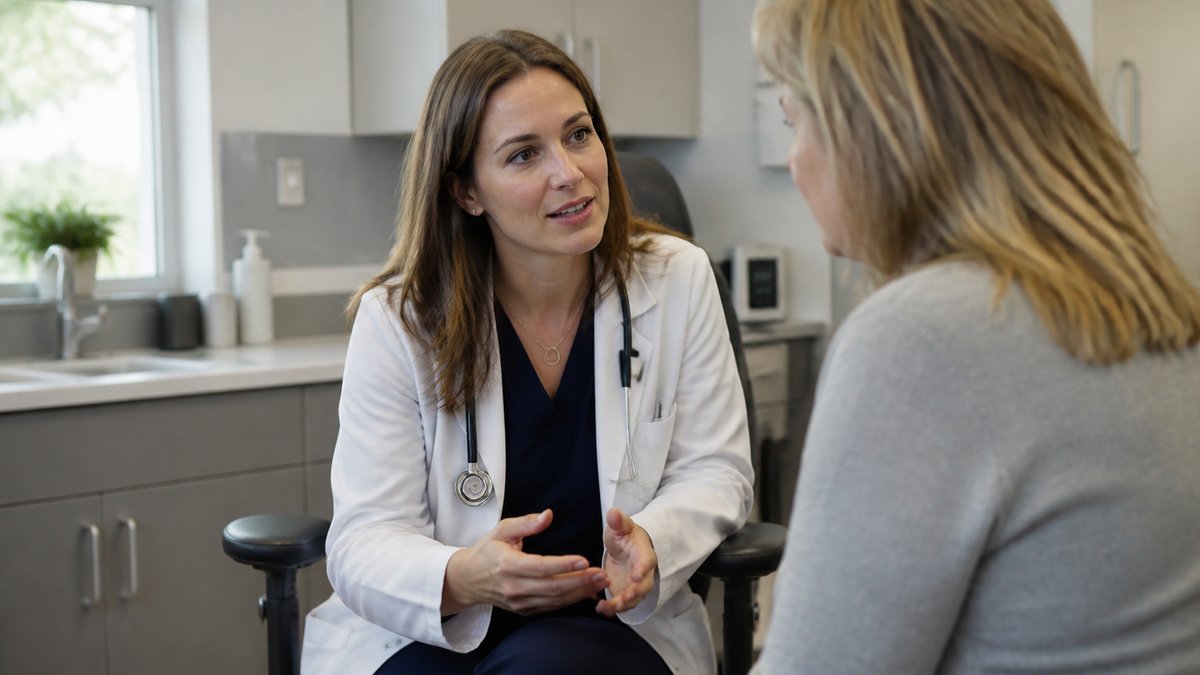
Gynecological conditions such as irregular periods, hot flashes, pelvic floor dysfunction, and ovarian cysts are common, and most respond well to treatment by your gynecology specialist. Understanding the causes and warning signs of these conditions can help you make informed decisions about your health. Learn more about common gynecological issues and how to address them.
Irregular Menstrual Cycles
Menstrual cycles that vary significantly in length, occur too frequently, or stop altogether may signal an underlying concern. Common causes include polycystic ovary syndrome (PCOS) or thyroid disorders. Uterine fibroids and polyps may also cause heavy or unpredictable bleeding.
Addressing irregular cycles begins with identifying the cause. Tracking the duration and heaviness of each period provides valuable information for your provider. A gynecologist may recommend a physical examination, blood tests to evaluate hormone levels, or a pelvic ultrasound. Treatment depends on the diagnosis and may include hormonal birth control or thyroid medications along with lifestyle changes.
Hot Flashes
Hot flashes are sudden sensations of warmth, often accompanied by flushed sweating and a rapid heartbeat. They most commonly occur during perimenopause and menopause, when declining estrogen levels affect the body’s temperature regulation. Hot flashes may also result from certain medications, cancer treatments, or the surgical removal of the ovaries. When they occur at night, they can disrupt sleep and contribute to fatigue and irritability.
Several effective options are available to reduce the frequency and intensity of hot flashes. Menopausal hormone therapy remains one of the most effective treatments for many women, though it is not appropriate for everyone. Nonhormonal medications, including certain antidepressants, gabapentin, and newer prescription therapies, may provide relief for women who cannot use hormones.
Pelvic Floor Issues
The pelvic floor is a group of muscles and connective tissues that supports the bladder, as well as the rectum and uterus. When these structures weaken or fail to function properly, pelvic floor disorders can develop. Pregnancy, childbirth, aging, menopause, chronic coughing, obesity, and repeated heavy lifting all increase the risk. Common signs of pelvic floor dysfunction that require intervention via gynecology specialists include:
- Leaking urine when coughing, sneezing, laughing, or exercising
- A frequent or urgent need to urinate
- A sensation of pressure, heaviness, or bulging in the vagina
- Difficulty emptying the bladder or bowels
- Pain during intercourse or persistent pelvic discomfort
Pelvic floor physical therapy teaches targeted exercises, such as Kegels, to strengthen and coordinate these muscles. Vaginal estrogen may improve tissue health after menopause. For pelvic organ prolapse, a removable device called a pessary can provide support.
Ovarian Cysts
Ovarian cysts are fluid-filled sacs that form on or within the ovaries. Most are functional cysts, which develop as a normal part of the menstrual cycle and typically resolve on their own within a few cycles. Other types, such as dermoid cysts, endometriomas, and cystadenomas, may persist and require monitoring. Cysts may lead to pelvic pain or bloating.
Hormonal birth control may help prevent new functional cysts from forming. Surgical removal may be necessary if a cyst is large or won’t go away on its own. Sudden, severe pelvic pain accompanied by fever, vomiting, or dizziness may requires emergency medical care.
Receive Gynecology Care
Regular wellness visits allow your provider to detect concerns early and recommend appropriate treatment before conditions progress. If you are experiencing irregular periods, hot flashes, pelvic discomfort, or other changes in your reproductive health, schedule an appointment with a qualified gynecologist. A thorough evaluation and personalized care plan can help you feel well and protect your long-term health.
- Risk Factors and Management Strategies for Coronary Artery Disease
- 4 Signs You Need to Consult a Podiatrist for Plantar Fasciitis
- Medication Options for Fibromyalgia Treatment
- Exploring Types of Allergy Testing
- What To Expect Before, During, and After Mohs Surgery

