
• Cardiology
  • Dentistry
  • Elderly Care
gizmocrunchs.com
  • Gynecology
  • Urology
  • Blog
    • Pain Management
    • Podiatry
    • Nutrition
    • Women’s Health
    • Internal Medicine
    • Primary Care
Category:

Dentistry

The Benefits of Invisalign for Busy Professionals
Dentistry

The Benefits of Invisalign for Busy Professionals

by Richard September 15, 2026
written by Richard

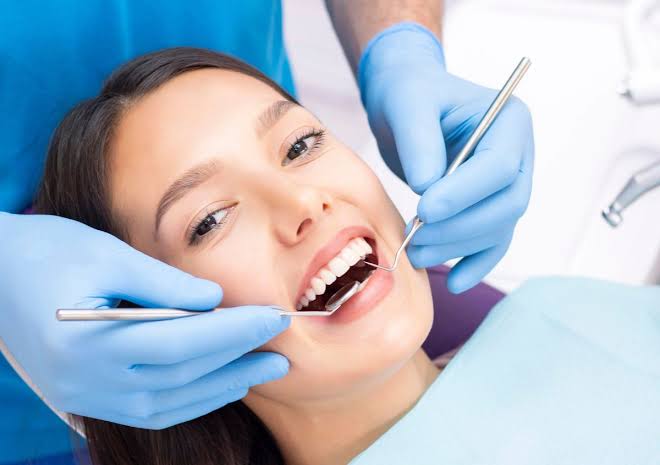
Invisalign offers a discreet and flexible approach to orthodontic treatment that fits well into the demanding schedules of busy professionals. Removable aligners make meetings and social activities easier to manage while gradually improving dental alignment. Here are some of the key benefits of Invisalign for busy professionals:

Maintaining a Professional Appearance

Appearance matters in client meetings, presentations, and networking events, and Invisalign aligners are made from clear plastic that is nearly invisible. You can speak, smile, and lead a room without the visual distraction of metal hardware, which helps you project a polished image. The aligners fit closely against your teeth, so people nearby will not notice them during a conversation. You stay in control of how you present yourself, and the treatment remains a private detail.

Fitting Treatment Into Busy Schedules

Time is a limited resource for working adults, and Invisalign is designed to reduce the number of hours you spend managing your treatment. Your provider gives you several sets of aligners at once; you switch to a new set at home instead of visiting the office for every adjustment. Here are several features that make Invisalign practical for a busy week:

  • Fewer in-office visits: You often check in every few weeks, so you spend less time away from work.
  • At-home aligner changes: You move to the next set on schedule without booking an appointment.
  • Travel-friendly design: The aligners and their case pack easily into a bag for business trips.
  • Predictable timelines: Your provider maps out the full plan, so you can anticipate each stage.

Eating and Cleaning With Ease

Meals and coffee breaks are part of a professional’s day, and Invisalign lets you remove the aligners whenever you eat or drink. Traditional braces come with a list of restricted foods, but you can enjoy your usual lunch and simply take the aligners out first. This freedom helps you stay comfortable during working meals and social events.

Cleaning follows the same pattern, and good hygiene keeps your treatment on track. You brush and floss as you normally would, then rinse and reinsert your aligners. Here are a few habits that keep the process smooth:

  • Rinse aligners regularly: Clear away food particles to keep them looking fresh.
  • Brush before reinserting: This helps protect your teeth while the aligners are in place.
  • Store them in the case: Use the case during meals to keep the aligners safe and clean.

Improving Comfort

Comfort affects your daily experience with any orthodontic treatment; Invisalign aligners have smooth edges that sit gently against the inside of your mouth. There are no sharp brackets to irritate your cheeks, and the gradual movement between sets keeps pressure manageable. You watch your teeth align over time while the aligners stay out of sight, which supports a stable sense of self-assurance.

Schedule Your Invisalign Consultation Today

Invisalign offers busy professionals a discreet, flexible, low-maintenance option for straight teeth and better alignment. The clear aligners support a professional appearance, make eating and cleaning easier, and provide a comfortable experience. These benefits make the system a helpful option for individuals looking for an alternative to metal braces. Contact a qualified dentist near you to schedule your Invisalign consultation today.

  • Understanding Challenges in Geriatric Care and How To Address Them
  • How Sclerotherapy Is an Effective Solution for Treating Spider and Varicose Veins
  • Who Benefits From Ankle Replacement Surgery
  • Common Questions To Ask About Cataract Surgery
  • Discovering Unique Omegle Alternatives for Diverse Interactions
September 15, 2026 0 comments
0 FacebookTwitterPinterestEmail
How To Choose the Right Dental Clinic for Your Family's Needs
Dentistry

How To Choose the Right Dental Clinic for Your Family’s Needs

by Richard September 14, 2026
written by Richard

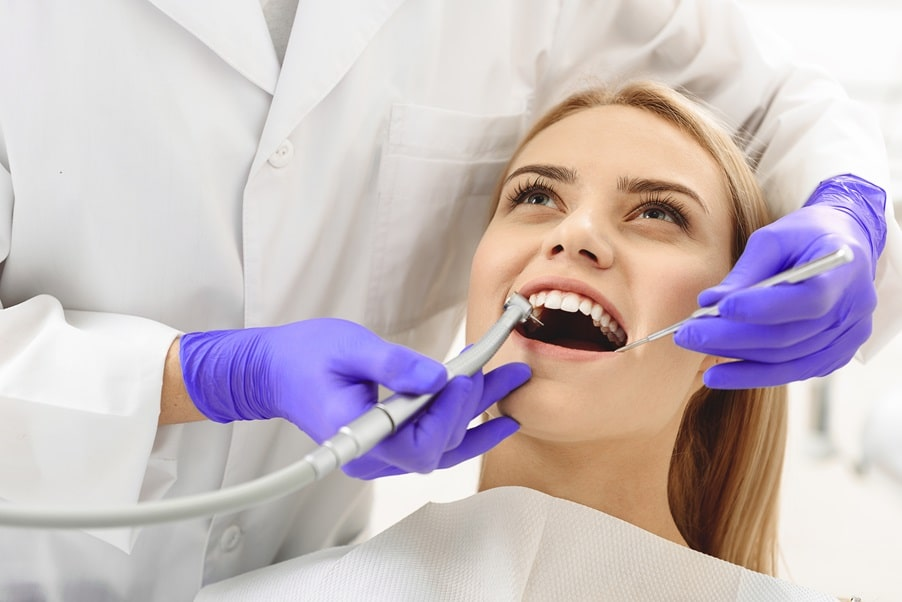
Your family needs a dental clinic that serves every age and situation. The right dental clinic offers general dentistry, and it also handles urgent problems when they arise. Choosing well takes some research, but a short checklist helps, and the payoff is steady care.

Services Your Clinic Offers

A dental clinic should cover the full range of your family’s needs. General dentistry forms the base, but you also want teeth cleaning and periodontal maintenance on a regular schedule. Same-day emergencies matter too, because accidents happen at inconvenient times, and quick access saves you stress. Ask the clinic which treatments they provide in-house, and confirm that staff can handle urgent situations without a referral.

Some clinics also offer sedation dentistry for patients who need extra support during procedures, and that option adds flexibility for the whole family. A single location for most needs saves time and keeps your records in one place, so care stays consistent across visits. When a clinic handles both routine and unexpected needs, you spend less time coordinating between providers. Your family receives more connected care overall.

Comfort Options for Patients

Comfort shapes how well your family accepts routine care. A clinic that prioritizes patient comfort takes practical steps to support every member of your family, from young children to anxious adults. A calm, welcoming setting supports consistent oral hygiene, and it makes regular visits easier for the whole family to keep. When children associate dental visits with comfort and clear guidance, they are more likely to maintain those habits into adulthood. Look for a clinic that offers:

  • Sedation dentistry to help nervous adults and older children are at ease during procedures.
  • Pediatric care from a team trained to work gently with young patients and build positive habits early.
  • First-appointment exams that assess teeth, gums, and developmental habits like thumb-sucking.
  • Oral hygiene instruction for children, along with a suggested check-up schedule for parents.
  • Clear step-by-step explanations so patients of all ages are informed and prepared.
  • Additional comfort options beyond standard sedation for patients who need extra support.

Clinic Location and Availability

Access determines whether your family attends appointments consistently. Location and hours affect your schedule, so choose a clinic near home or work. Confirm the office fits your calendar, and check that evening or weekend slots exist for working parents or school-age children. Online booking and appointment reminders also help, and they reduce the chance of missed visits due to a busy schedule. Same-day emergencies need fast response, so ask how the clinic handles urgent calls outside of regular hours. Find out whether a staff member is reachable after hours, and confirm how quickly the clinic can see a patient in pain. Knowing this in advance gives you a clear plan before a problem occurs. Ask about the clinic’s average wait times for both routine and urgent appointments, because long delays can discourage consistent attendance.

Go to a Dental Clinic

Compare a few local clinics before you decide. List your family’s needs, and match them against each clinic’s services. Review comfort options and access, because both affect long-term attendance and both influence how easily children build habits. Schedule a first appointment to see the team and the setting in person. That visit gives you the details you need, and it lets you confirm the right fit for your family.

  • Understanding Challenges in Geriatric Care and How To Address Them
  • How Sclerotherapy Is an Effective Solution for Treating Spider and Varicose Veins
  • Who Benefits From Ankle Replacement Surgery
  • Common Questions To Ask About Cataract Surgery
  • Discovering Unique Omegle Alternatives for Diverse Interactions
September 14, 2026 0 comments
0 FacebookTwitterPinterestEmail
Dentistry

How Often Should You Visit a Dentist

by Richard March 26, 2026
written by Richard

Regular dental visits are essential for maintaining good oral health. Many people only visit a dentist when they have pain, but routine checkups can prevent serious problems before they start.

Why Dental Visits Are Important

Dentists do more than just fix problems. They help prevent them. Regular checkups allow early detection of cavities, gum disease, and other oral health issues.

General Recommendation

Most dentists recommend visiting every 6 months for a routine checkup and cleaning. However, this may vary depending on individual needs.

When You May Need More Frequent Visits

Some people may need to visit the dentist more often, such as:

  • People with gum disease
  • Smokers
  • Diabetic patients
  • Individuals with weak immune systems

In such cases, visits every 3–4 months may be recommended.

What Happens During a Dental Visit

A typical dental checkup includes:

  • Examination of teeth and gums
  • Professional cleaning
  • X-rays (if needed)
  • Advice on oral hygiene

These steps help maintain healthy teeth and prevent future issues.

Benefits of Regular Dental Visits

1. Early Problem Detection

Cavities and gum disease can be treated early before they become serious.

2. Professional Cleaning

Removes plaque and tartar that cannot be removed by brushing alone.

3. Better Oral Hygiene

Dentists provide guidance on proper brushing and flossing techniques.

4. Fresh Breath

Regular cleaning helps eliminate bad breath caused by bacteria.

Signs You Should Visit a Dentist Immediately

Do not wait for your next appointment if you experience:

  • Tooth pain
  • Bleeding gums
  • Swelling
  • Sensitivity to hot or cold

These may indicate serious dental issues.

Tips to Maintain Oral Health Between Visits

  • Brush twice daily
  • Floss regularly
  • Limit sugary foods
  • Drink plenty of water

These habits help reduce the need for frequent dental treatments.

Overcoming Dental Anxiety

Many people avoid dentists due to fear. However, modern dental clinics use advanced techniques to ensure comfort and minimize pain. Talking to your dentist about your concerns can also help.

Conclusion

Visiting a dentist regularly is one of the best ways to maintain healthy teeth and gums. While a 6-month schedule works for most people, your dentist may recommend a different plan based on your needs. Preventive care is always better than treatment.

March 26, 2026 0 comments
0 FacebookTwitterPinterestEmail
Dentistry

What Is the Best Way to Care for Teeth

by Richard March 26, 2026
written by Richard

Taking care of your teeth is an important part of maintaining overall health. Good oral hygiene not only keeps your smile bright but also prevents serious dental problems such as cavities, gum disease, and infections.

Why Dental Care Is Important

Healthy teeth allow you to eat, speak, and smile confidently. Poor dental care can lead to pain, tooth loss, and even affect your general health. Bacteria from the mouth can spread and cause other health issues if not properly managed.

Daily Oral Hygiene Routine

1. Brush Your Teeth Properly

Brushing your teeth at least twice a day is essential. Use a soft-bristled toothbrush and fluoride toothpaste. Brush for at least two minutes, making sure to clean all surfaces of your teeth.

2. Floss Daily

Flossing removes food particles and plaque between teeth where a toothbrush cannot reach. It helps prevent cavities and gum disease.

3. Use Mouthwash

Mouthwash helps kill bacteria and freshens breath. It also adds an extra layer of protection against plaque buildup.

Healthy Eating for Strong Teeth

What you eat plays a big role in dental health.

Foods That Help:

  • Dairy products like milk and cheese
  • Crunchy fruits and vegetables
  • Foods rich in calcium

Foods to Limit:

  • Sugary snacks and drinks
  • Sticky foods
  • Acidic beverages

Reducing sugar intake helps prevent tooth decay.

Regular Dental Visits

Visiting a dentist regularly is one of the best ways to care for your teeth. Dentists can detect problems early and provide professional cleaning.

Recommended:

  • Visit every 6 months
  • Get professional cleaning
  • Check for cavities or gum issues

Avoid Harmful Habits

Certain habits can damage your teeth:

  • Smoking
  • Nail biting
  • Using teeth to open objects

Avoiding these habits helps protect your teeth from damage.

Replace Your Toothbrush

A worn-out toothbrush is less effective. Replace your toothbrush every 3–4 months or sooner if the bristles are frayed.

Protect Your Teeth

If you play sports, use a mouthguard to prevent injury. Night guards can also help if you grind your teeth while sleeping.

Signs of Dental Problems

Watch for warning signs such as:

  • Tooth pain
  • Bleeding gums
  • Bad breath
  • Sensitivity

If you notice any of these, consult a dentist immediately.

Conclusion

The best way to care for your teeth is by following a consistent daily routine, eating healthy foods, and visiting your dentist regularly. Good dental habits not only protect your teeth but also improve your overall health and confidence.

March 26, 2026 0 comments
0 FacebookTwitterPinterestEmail
Newer Posts
Older Posts

Recent Posts

  • Understanding Challenges in Geriatric Care and How To Address Them
  • How Sclerotherapy Is an Effective Solution for Treating Spider and Varicose Veins
  • Who Benefits From Ankle Replacement Surgery
  • Common Questions To Ask About Cataract Surgery
  • Discovering Unique Omegle Alternatives for Diverse Interactions
Recent Comments

No comments to show.

Keep in touch

Facebook Twitter Instagram Pinterest Linkedin Youtube

Recent Posts

  • Understanding Challenges in Geriatric Care and How To Address Them

  • How Sclerotherapy Is an Effective Solution for Treating Spider and Varicose Veins

  • Who Benefits From Ankle Replacement Surgery

  • Common Questions To Ask About Cataract Surgery

  • Discovering Unique Omegle Alternatives for Diverse Interactions

  • Exploring the Benefits of Plastic Surgery

Newsletter

Categories

  • Allergy & Immunology (3)
  • Blog (78)
  • Cardiology (4)
  • Chiropractic Care (1)
  • Dentistry (14)
  • Elderly Care (2)
  • ENT (1)
  • Gynecology (9)
  • Ophthalmology (2)
  • Pain Management (5)
  • Pediatric Care (1)
  • Physical Therapy (2)
  • Podiatry (10)
  • Primary Care (2)
  • Sexual Health (1)
  • Sleep Health (1)
  • Urgent Care (2)
  • Urology (3)
  • Weight Management (1)
  • Women's Health (3)
Gizmocrunch.com
  • Gizmocrunch.com
  • About Us
  • Privacy Policy
  • Contact Us
Ryantylerofficial91@gmail.com
  • Categories
    • Cardiology
    • Dentistry
    • Elderly Care
    • Gynecology
    • Urology
    • Blog HOT
    • Podiatry hot
Editors' Picks
Understanding Challenges in Geriatric Care and How To Address...
How Sclerotherapy Is an Effective Solution for Treating Spider...

@2026 – All Right Reserved. Gizmocrunchs.com

Facebook-f Twitter Youtube Tiktok Linkedin-in
gizmocrunchs.com
  • Cardiology
  • Dentistry
  • Elderly Care
gizmocrunchs.com
  • Gynecology
  • Urology
  • Blog
    • Pain Management
    • Podiatry
    • Nutrition
    • Women’s Health
    • Internal Medicine
    • Primary Care