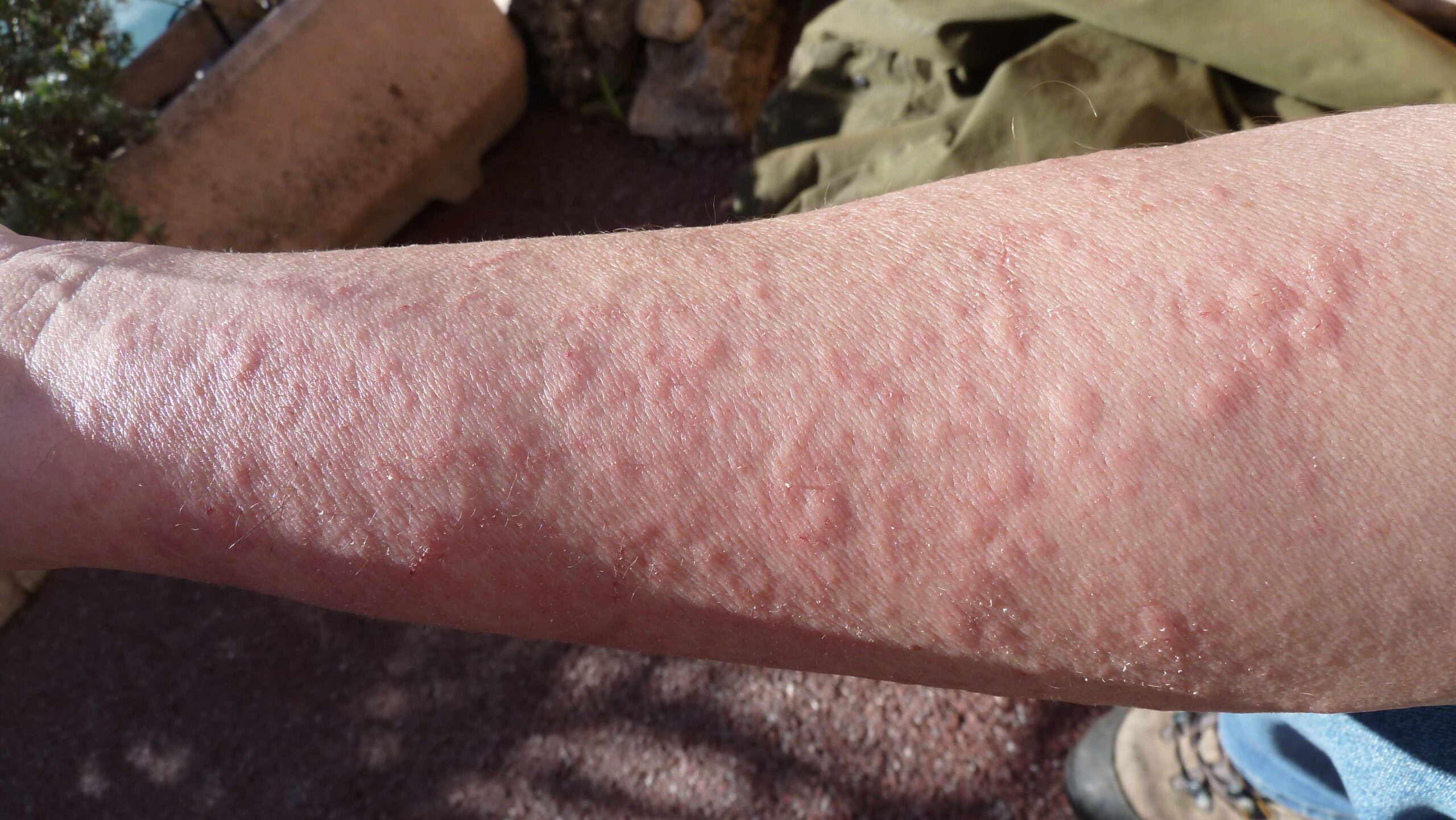
A skin allergy occurs when your immune system reacts to a substance it treats as harmful, even if it poses no real threat. Some common skin reaction triggers include pollen, pet dander, dust mites, certain foods, and specific fabrics or metals. Skin allergies are common and affect people of all ages across many regions. Reactions can look like redness, itching, swelling, hives, or dry patches. Here’s information on home remedies for skin allergy concerns and when to visit an allergist for medical support:
Keep Your Home Clean
Regular vacuuming removes dust mites, pet hair, and pollen from carpets and upholstery, preventing these particles from building up over time. Use a vacuum with a sealed filter to keep fine debris from returning to the air. A clean home limits the allergens that settle on surfaces and in the air. Dust hard surfaces with a damp cloth to trap particles instead of scattering them. Pay attention to shelves, blinds, and electronics, where dust tends to accumulate.
To prevent skin allergy reactions, pay close attention to bedding because you spend many hours in contact with it each night. Wash your sheets, pillowcases, and blankets in hot water at least once a week to reduce allergens like dust mites. Keeping your sleeping area clean supports a more restful environment for sensitive skin.
Use a HEPA Air Filter
Cleaner indoor air may reduce the substances that come into contact with your skin; a high-efficiency particulate air (HEPA) filter helps capture small particles from the air. It works by forcing air through a dense mesh of fibers that traps particles as small as 0.3 microns, including pollen, dust, and pet dander. You can use a HEPA filter in a standalone air purifier or within a compatible HVAC system. Placing a purifier in bedrooms and living areas helps lower airborne allergen concentrations where you spend the most time.
Take Antihistamines
Over-the-counter antihistamines are a common allergy treatment, so many people keep them on hand during peak allergy seasons. When your body encounters an allergen, it releases a chemical called histamine. Histamine causes common reaction symptoms like itching, swelling, and redness. Antihistamine medications block histamine from binding to receptors in the body, which eases allergic reactions.
Different antihistamines come in oral tablets, liquids, and topical creams. Some can cause drowsiness, so review the label and follow the recommended dosage. Speak with a pharmacist or physician before combining products or using them long term. Home measures and general remedies may not address every situation. Consult with an allergy specialist if your symptoms:
- Persist
- Worsen
- Interfere With Daily Activities
A specialist can help you build a plan based on your history and test results.
Manage Your Skin Allergy
Managing a skin allergy often involves a combination of small, consistent steps to support your health. Keeping your home clean reduces the allergens that settle on surfaces and bedding, while a HEPA air filter helps lower the particles circulating in the air. Antihistamines offer another layer of support by targeting the histamine response that drives common symptoms. Together, these approaches can help you create an environment that is easier on sensitive skin. To learn more ways to reduce your allergens, contact an allergy specialist to schedule an appointment.
- Innovative Vein Treatment Techniques Revolutionizing Care
- The Potential Benefits of Stem Cell Therapy for Joint Pain Relief
- The Hyperbaric Chamber Treatment Process
- How Orthopedic Surgeons Approach Joint Pain Diagnosis
- Common Causes and Treatments for Erectile Dysfunction