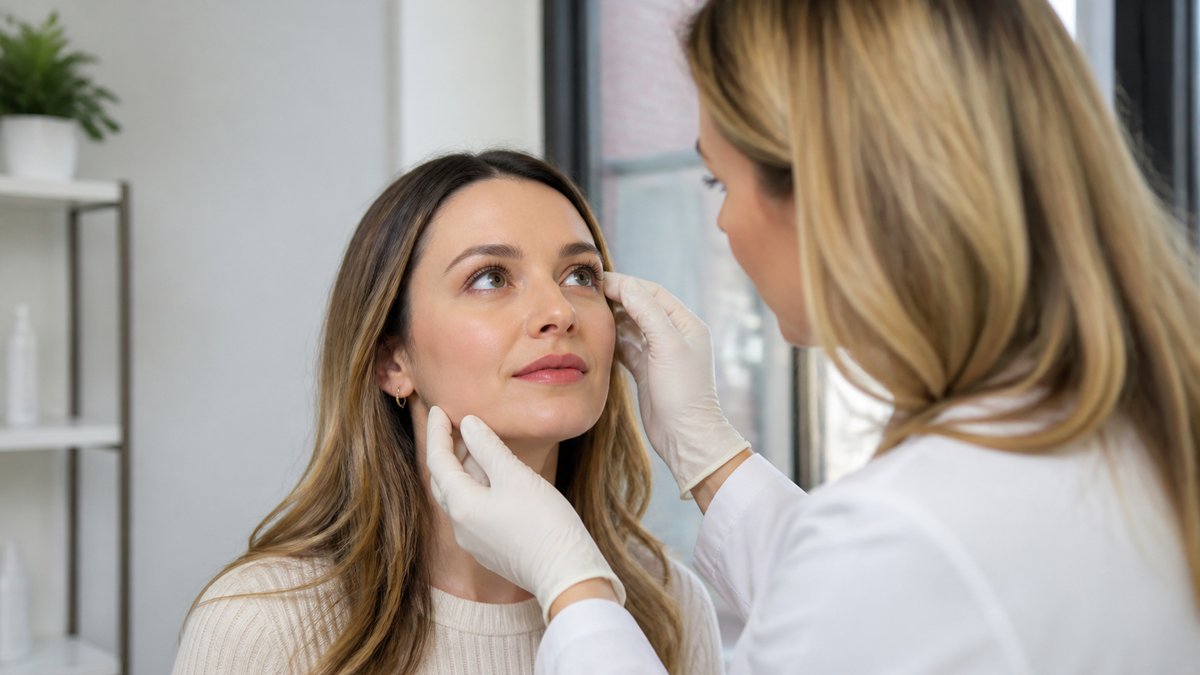
Botox is a purified protein from botulinum toxin type A, and providers inject it in very small doses. While it is a clinical procedure, the treatment itself is quick and comfortable, and people typically return to their usual routines right afterward. Your provider will guide you through each step, so you always know what to expect. Here is more information on each stage of the process:
Relaxing Muscles
In a clinical setting, Botox targets specific facial muscles. Before the first injection, your provider studies how your face moves. You may frown, raise your eyebrows, or squint, and the provider marks the active muscles. This map guides the number of units in each area.
Treated muscles soften their movement, but you keep full feeling in your skin. Doses vary from person to person. If your provider uses a lower dose, you keep more natural expression. Your first appointment typically starts with a conservative amount.
Inhibiting Nerve Signals
Your muscles move in response to signals from your nerves. Nerves release a chemical messenger called acetylcholine, and this chemical tells the muscle to contract. When Botox enters the treatment area, it blocks the release of acetylcholine. Doctors call this connection point the neuromuscular junction.
Sincee the signal never reaches the muscle, the muscle stays still. This effect stays local to the injection site. Your provider places each injection with care, and nearby muscles keep working normally. Precise placement also limits effects on surrounding areas.
The blocking process takes time, and you will not notice changes right away. Most people see early effects within a few days, while full effects may take up to two weeks. Your nerves eventually form new connections over several months. This gradual recovery explains the temporary nature of each treatment.
Reducing Dynamic Wrinkles
Dynamic wrinkles form when repeated movements crease the skin. Static wrinkles stay visible at rest, and Botox has less effect on those lines. Providers often treat dynamic lines in a few common areas. These areas include the following:
- Lines between the eyebrows
- Forehead lines
- Crow’s feet at the outer corners of the eyes
- Bunny lines on the sides of the nose
Less muscle movement means less repeated creasing. Some lines soften over a few weeks, and others need more than one session. If you have deep static lines, your provider may suggest pairing Botox with other treatments. Fillers, microneedling, or chemical peels address different concerns.
Requiring Periodic Sessions
Botox is temporary, and most people need a session every three to four months. As your nerves rebuild connections, muscle movement slowly returns. Some clients notice longer gaps between sessions over time. Your provider may adjust the dose based on how you responded last time. After each session, follow these basic aftercare steps:
- Stay upright for about four hours
- Avoid rubbing or massaging the treated area
- Skip strenuous exercise for 24 hours
- Limit alcohol for the first day
Schedule Botox Sessions Today
A consultation is the first step. Your provider reviews your goals and asks which medications you take. Bring a list of questions, and ask about dosing, timing, and aftercare. Contact our med spa to schedule your first Botox session.
- Risk Factors and Management Strategies for Coronary Artery Disease
- 4 Signs You Need to Consult a Podiatrist for Plantar Fasciitis
- Medication Options for Fibromyalgia Treatment
- Exploring Types of Allergy Testing
- What To Expect Before, During, and After Mohs Surgery

