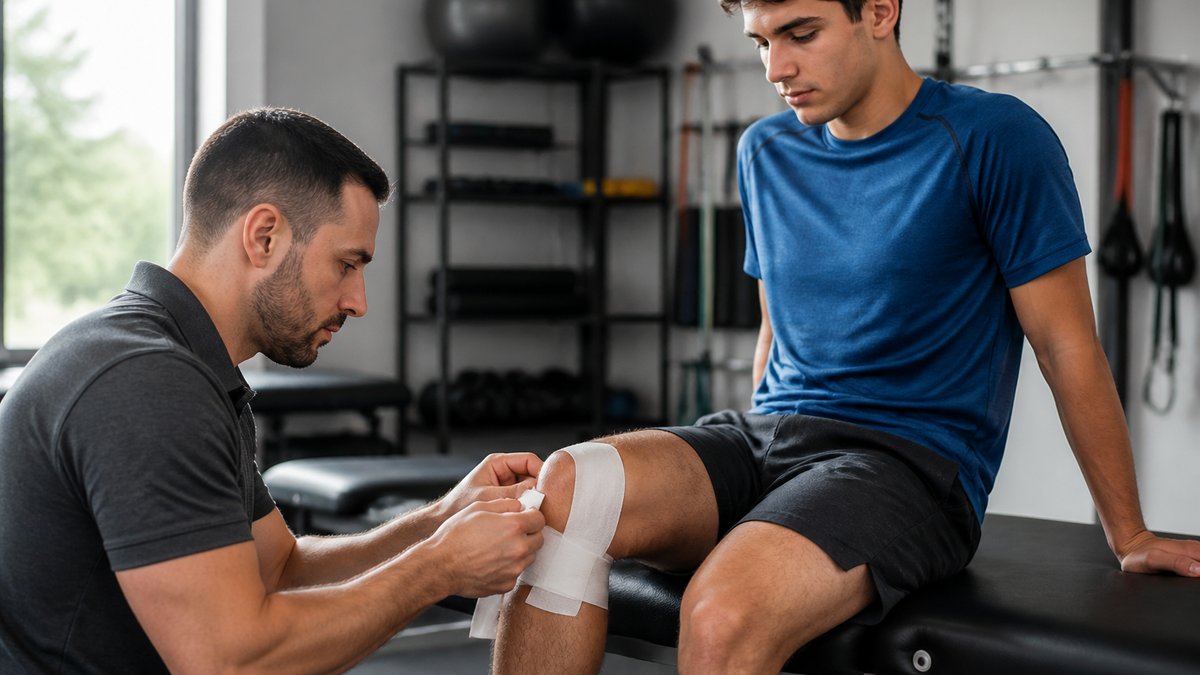
A sports injury can interrupt training, limit movement, and affect athletic performance. Recovery requires attention to the injury type, rehabilitation goals, and readiness to return to activity. Here are some recovery tips for athletes after a sports injury:
Seek Professional Assessment
A professional assessment is the first step after a sports injury. A provider reviews how the injury happened, and they examine the affected area for swelling, range of motion, and strength. If symptoms continue after earlier treatment, the provider looks for factors that previous care did not address.
What Happens During Evaluation?
An evaluation generally begins with a review of your medical history and activity level. The provider then performs physical tests and compares the injured side with the uninjured side. While each clinic follows its own process, most evaluations include movement tests, strength checks, and a discussion of your goals. This information informs a plan that fits your sport and daily routine.
Which Signs Require Evaluation?
Some symptoms signal the need for a professional assessment. Pain that lasts longer than a few weeks requires attention, and so does swelling that returns after activity. If a joint becomes unstable, locks, or gives way, schedule an evaluation before you resume training.
Follow Your Treatment Plan
A treatment plan outlines the specific steps that support recovery from your sports injury. It often includes physical therapy, activity changes, bracing, or pain management, and the provider adjusts each element as you progress. If an exercise causes sharp pain, report it to your provider so they can make sure the plan matches your current condition, and pause that exercise until you receive guidance.
Track your progress with brief notes after each session. Record pain levels, completed exercises, and changes in movement, and you should share these notes at follow-up appointments. When your records stay accurate, your provider can make informed decisions about the next phase.
Support Healing With Daily Habits
Daily routines affect how your body responds during recovery. Consistent habits can support your treatment, and they often fit into most schedules. While each sports injury differs, the following habits can support your recovery plan:
- Sleep: Aim for enough sleep each night to give your body regular rest.
- Nutrition: Eat balanced meals with protein, fruits, vegetables, and whole grains to fuel daily activity and therapy sessions.
- Hydration: Drink water throughout the day, especially before and after exercise.
- Activity modification: Avoid movements that aggravate pain, and stay active in ways your provider approves.
- Posture and ergonomics: Adjust your workstation and sleeping position to reduce strain on the injured area.
Rebuild Fitness
Returning to sport too soon increases the risk of setbacks. Strength, flexibility, and endurance decline during rest, and you need to rebuild them before full activity. A provider or physical therapist can set benchmarks, such as balance tests or strength comparisons between limbs, that indicate readiness. When you meet these benchmarks, you progress to sport-specific drills and can increase intensity in planned stages.
Start with low-impact activities such as swimming, cycling, or brisk walking. Next, add movements that mirror your sport, and track how the injured area responds. If pain or swelling returns, scale back the activity until symptoms settle, and contact your provider if they persist.
Evaluate Your Sports Injury Today
Recovery from a sports injury follows a clear sequence. A professional assessment identifies the problem, a treatment plan addresses it, and daily habits support the process. When you rebuild fitness gradually, you can return to activity with a defined plan. Incorporating proper warm-ups and cool-downs during recovery can further minimize the risk of re-injury. To evaluate your sports injury, contact a qualified pain specialist near you to schedule your appointment today.
- The Importance of Regular Eye Exams for Long-Term Eye Health
- How Endodontists Use Advanced Technology for Better Outcomes
- Tips for Recovering From a Face Lift
- How a Weight Loss Doctor Helps You Manage Your Weight
- Identifying Symptoms and Risks of Varicose Veins

