Your vascular system carries oxygen and nutrients to every organ and tissue in your body. When this network of blood vessels becomes damaged or narrowed, the effects can range from leg pain and swelling to stroke, aneurysm, or limb loss. Learn more about understanding risk factors for vascular disorders to protect your health.
What Vascular Disorders Are
Vascular disorders are conditions that affect the arteries, veins, and lymphatic vessels. Arteries carry oxygen-rich blood away from the heart, while veins return blood to the heart for recirculation. When either system does not function properly, blood flow can become restricted, blocked, or reversed.
Common vascular disorders include:
- Peripheral artery disease (PAD): narrowed arteries, most often in the legs
- Carotid artery disease: narrowing of the arteries that supply the brain
- Aortic aneurysm: a weakened, bulging section of the body’s largest artery
- Deep vein thrombosis (DVT): blood clots that form in deep veins
- Chronic venous insufficiency: damaged vein valves that allow blood to pool in the legs
Many of these conditions develop gradually and may produce few symptoms in the early stages. This is why understanding your personal risk is so important. Vascular disorders can be treated.
High Blood Pressure
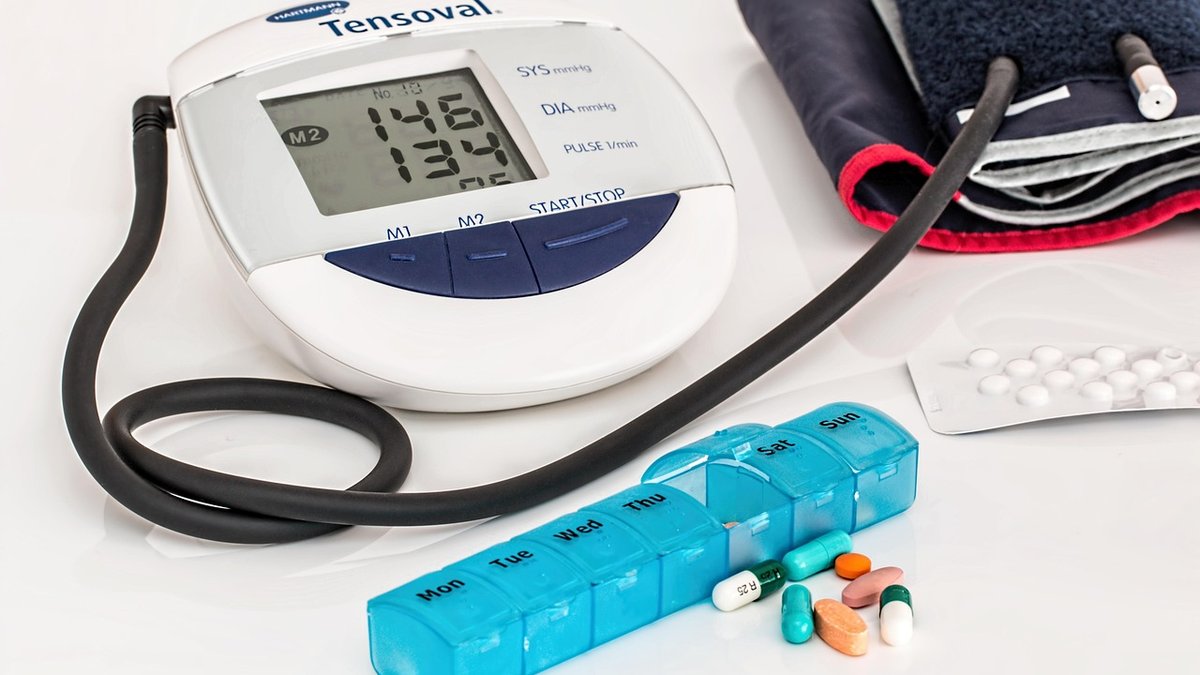
High blood pressure, also called hypertension, can pose risks for vascular disease. When blood pushes against the artery walls with excessive force over time, it can damage the delicate inner lining of the vessels. This damage creates an environment where cholesterol and other substances can accumulate, forming plaque that narrows and stiffens the arteries.
Hypertension also places added strain on weakened areas of the arterial wall, which increases the risk of aneurysm formation and rupture. Because high blood pressure rarely causes noticeable symptoms, many people are unaware they have it until a serious complication occurs. Regular blood pressure screenings allow your physician to identify hypertension early.
Obesity
Obesity may be linked to high blood pressure and diabetes, each of which independently can increase the risk of vascular disease. When these conditions occur together, the combined effect on blood vessel health can be substantial. Additional weight also places increased pressure on the veins in the legs and abdomen.
Even modest weight loss can produce measurable improvements in blood pressure, blood sugar, and cholesterol levels. Your physician can help you develop a realistic, sustainable plan that supports gradual weight reduction and improved circulation. This plan can include both diet changes and exercise.
Lifestyle Choices
Daily habits play a central role in vascular health. Certain choices can accelerate damage to blood vessels, while others can help preserve healthy circulation for years to come. Lifestyle factors that may increase your risk of vascular disorders include:
- Smoking and tobacco use: damages artery walls, promotes plaque buildup, and increases clotting risk
- Physical inactivity: weakens circulation and contributes to weight gain and high blood pressure
- Diets high in saturated fat, sodium, and processed foods: raises cholesterol and blood pressure levels
- Excessive alcohol consumption: can elevate blood pressure and contribute to heart and vessel damage
- Prolonged sitting or standing: slows blood flow in the legs and may increase the risk of clots and venous problems
Smoking deserves particular attention, as it is among the strongest risk factors for peripheral artery disease. Quitting tobacco at any age can slow the progression of vascular disease and reduce the likelihood of serious complications.
Get Treated for Vascular Disorders
Vascular disorders are serious, but they are also highly manageable when identified early. If you experience persistent leg swelling, slow-healing wounds, skin discoloration, or visible varicose veins, consult a vascular specialist. A vascular specialist can recommend a personalized treatment plan including lifestyle guidance, medication, or other procedures.
- 4 Signs You Need to Consult a Podiatrist for Plantar Fasciitis
- Medication Options for Fibromyalgia Treatment
- Exploring Types of Allergy Testing
- What To Expect Before, During, and After Mohs Surgery
- The Role of Physical Therapy in Rehabilitation After Fractures

