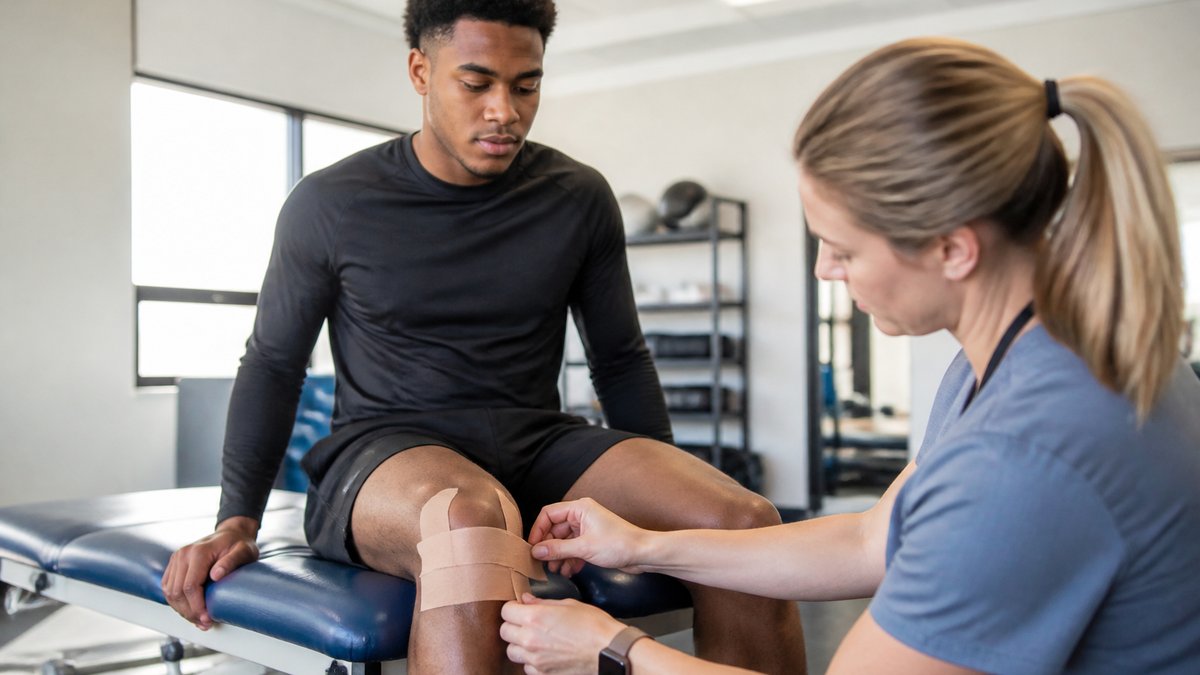
Sports injuries range from mild strains to fractures, and not every issue needs urgent medical attention. Some problems improve with rest. Others signal damage that benefits from prompt evaluation. Knowing the warning signs helps patients decide when home care is reasonable and when a professional assessment supports long-term joint and muscle health. Here is more information on when to seek professional care:
Joint Instability
Joint instability may appear after sports injuries, and the signs include:
- A joint that repeatedly gives way during walking or running
- Sensation that a bone is slipping out of place
- Visible deformity or misalignment after an impact
- Swelling that makes the joint difficult to move or bear weight on
If a joint will not support a patient’s weight without buckling, that sign points toward more than a simple bruise. If bracing, rest, and gentle movement don’t restore stability, a medical visit can help determine whether imaging or structured rehabilitation is appropriate.
Persistent Pain
Pain after a hard workout or game often settles within a few days, and this pattern usually reflects temporary muscle soreness. When pain from sports injuries lingers beyond that window, the underlying issue deserves closer attention. Discomfort that interrupts sleep, limits walking, or changes how a patient moves puts extra strain on other joints. That compensation can trigger new problems.
Pay attention to pain that worsens during specific motions, because that pattern gives clues about the involved tissue. Sharp pain with push-off while running suggests one structure, while aching at rest suggests another. Both patterns matter during an exam. If simple home care fails to ease symptoms over time, persistent pain signals that a more detailed evaluation is needed.
Numbness
Numbness after sports injuries points toward nerve involvement. Loss of normal sensation disrupts balance and coordination, which increases the risk of further injury during basic activities. Some athletes notice tingling at first, and that sensation may progress to areas that feel completely numb.
Numbness that spreads into the toes or fingers may follow swelling, tight taping, or direct impact, yet it also appears when nerves are compressed by nearby structures. When numbness accompanies weakness, such as difficulty lifting the front of the foot or gripping an object, the combination raises concern about nerve function and timing of care. A prompt visit to a medical professional supports appropriate testing and treatment planning.
Episodes of numbness that come and go during activity still deserve attention, since they sometimes indicate pressure on a nerve that worsens with motion. A detailed exam assesses strength, reflexes, and sensory changes; these findings help identify whether the source lies near the spine or around a specific joint. Early evaluation also guides decisions about activity modification and bracing.
Learn More About Sports Injuries
Questions about sports injuries may arise when symptoms do not match a typical bruise or strain. Clear guidance from a medical professional is valuable. A structured exam evaluates joint stability, range of motion, and nerve function; this process supports a safe return to activity. If you have experienced a sports injury in the feet or lower limbs, seek professional care from a podiatrist.
- The Role of Testosterone Replacement in Treating Erectile Dysfunction
- The Long-term Benefits of Root Canal Therapy for Your Smile
- Identifying and Treating Common Warts
- Utilizing Telehealth for Accessible Chiropractic Consultations
- The Role of a Dermatologist in Managing Chronic Skin Conditions

