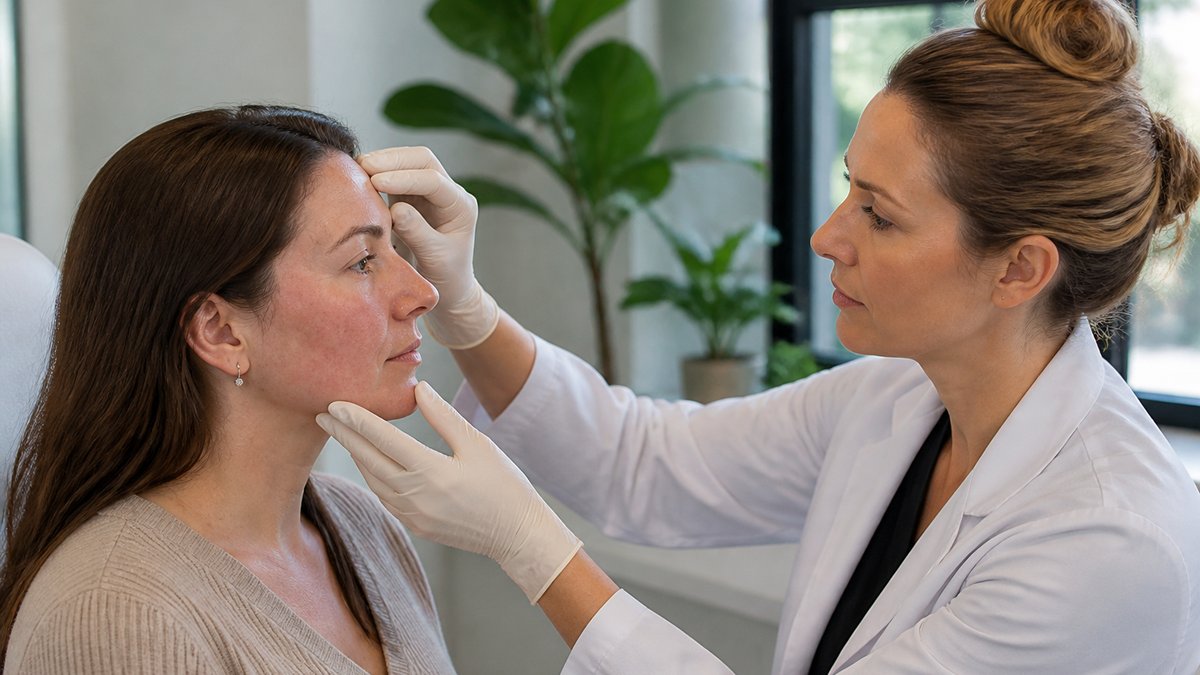
Chronic skin conditions often follow a recurring pattern, so ongoing medical guidance shapes long-term outcomes. A dermatologist evaluates symptoms, monitors changes over time, and adjusts treatment as your skin responds. Some conditions affect daily comfort, while others influence long-term skin health and function. Here is more information on the role of a dermatologist:
Providing a Comprehensive Evaluation
Chronic rashes, scaling, or pigment changes benefit from a structured assessment, and this starts with a full medical history. A dermatologist reviews triggers, past treatments, and related health conditions, and they examine the entire skin surface. This approach helps distinguish between similar conditions, and it also highlights patterns that link to lifestyle or environment. Some cases require additional testing, and results guide the selection of focused therapies. A thorough evaluation reduces trial-and-error, and it establishes a baseline for future comparison.
- Review of symptoms, duration, and previous diagnoses
- Examination of skin, hair, and nails
- Discussion of current medications and allergies
- Assessment of daily routines, such as cleansing and sun exposure
- Test orders when needed, such as cultures or biopsies
Customizing Treatment Plans
Each chronic condition behaves differently in each person. A dermatologist weighs diagnosis, skin type, age, and coexisting health issues, and they outline short-term and long-term goals. Some plans focus on rapid control of flares, while others target maintenance and relapse prevention. Written instructions break down which products to use, when to apply them, and how to adjust during changes in weather.
As treatment progresses, plans evolve, and this process depends on regular feedback. Patients report symptom patterns and side effects, and the dermatologist interprets these details in context. Stepwise changes help identify which element drives improvement, and this approach reduces unnecessary complexity. When adjustments are documented, both patient and clinician track what has been tried and what remains.
Education sits within every tailored plan, and it shapes how daily habits affect chronic disease. A dermatologist explains which triggers to limit and outlines realistic expectations for timelines and outcomes. Some conditions respond quickly to treatment, while others progress in cycles despite steady care.
Prescribing Medications
Medication plays a central role in managing long-standing skin disease. A dermatologist selects topical or oral drugs based on diagnosis, severity, and other health factors. Some prescriptions target inflammation, while others address infection or immune activity. Dosages shift as symptoms improve or flare, and follow-up visits track how your skin responds over time. When medication regimens are reviewed in detail, unnecessary products are removed.
Addressing Cosmetic Concerns
Chronic skin conditions leave visible changes, such as discoloration, scarring, or texture differences, and these raise separate questions. A dermatologist distinguishes between active disease and residual marks, and they sequence treatment accordingly. Active inflammation usually receives priority, while pigment changes or scars are addressed once the condition stabilizes.
Cosmetic goals vary widely, and they intersect with medical needs in different ways. A dermatologist explains which procedures or topical agents are suitable for your diagnosis. Certain cosmetic treatments interact with medications, while others depend on skin type or history of sensitivity. When cosmetic strategies are integrated into the broader plan, they support both function and appearance.
Find a Dermatologist Near You
People looking for structured care often seek practices that offer detailed skin assessments and ongoing management. When you review local options, look for clear descriptions of chronic condition management and follow-up processes. A dermatologist who explains diagnosis, treatment steps, and monitoring schedules supports steady progress over time. Regular visits then turn skin care into a planned process rather than a series of isolated appointments.
- The Role of Testosterone Replacement in Treating Erectile Dysfunction
- The Long-term Benefits of Root Canal Therapy for Your Smile
- Identifying and Treating Common Warts
- Utilizing Telehealth for Accessible Chiropractic Consultations
- The Role of a Dermatologist in Managing Chronic Skin Conditions

