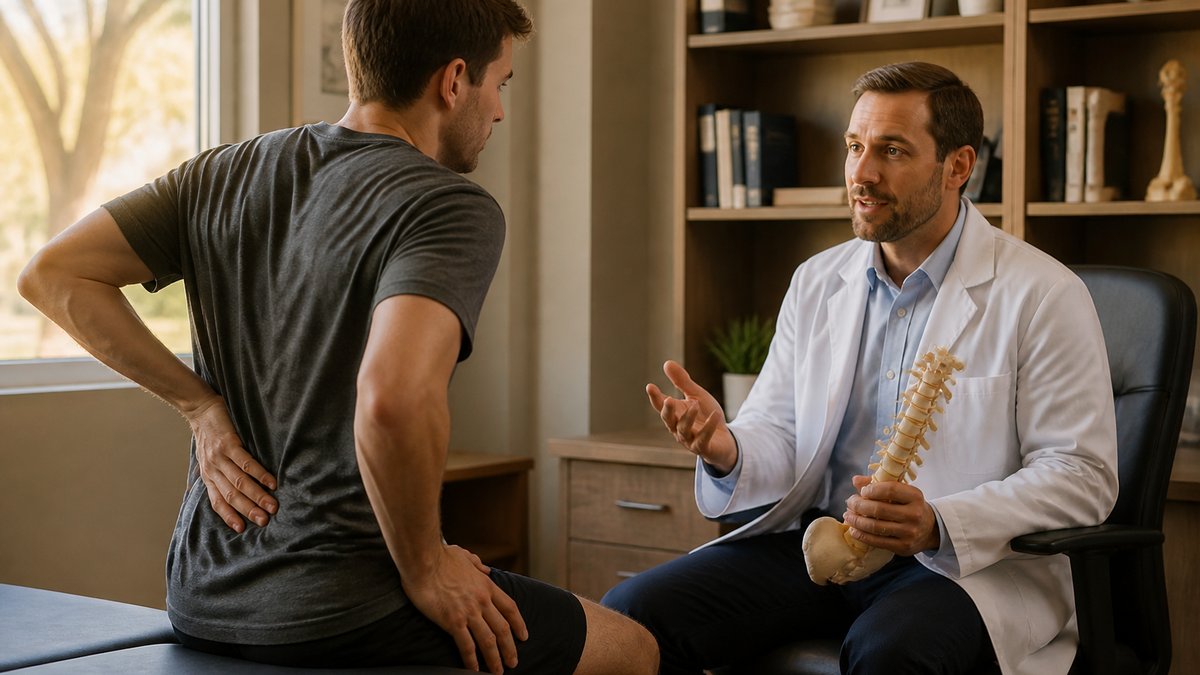
Chronic pain develops from many sources, including arthritis, old sports injuries, repetitive strain, degenerative disc disease, and tendon damage. Some conditions affect a single joint, while others involve the spine or several areas of the body. The effects also vary from person to person. Chronic pain commonly limits mobility, disrupts sleep, and makes daily tasks harder to complete, but an orthopedic surgeon can evaluate the situation to identify a treatment plan to help. Here’s information on how an orthopedic clinic can help you manage chronic pain depending on your condition and activity level:
Bracing and Orthotic Support
Bracing and orthotics are nonsurgical tools that support joints, muscles, and bones. Orthopedic providers often include them in a broader care plan alongside physical therapy or other activity changes. Off-the-shelf braces come in standard sizes and are widely available, while custom devices are made from molds, scans, or precise body measurements. A custom knee brace or foot orthotic can fit people with unique anatomy or specific alignment issues better.
Braces can stabilize a joint, limit harmful movement, and shift pressure away from damaged tissue. Foot orthotics may correct alignment problems that place extra stress on the knees, hips, or lower back. Off-the-shelf braces work well for mild or short-term needs, but custom devices may be more appropriate for long-term pain conditions. A specialist at an orthopedic clinic can determine which option suits your condition. By reducing strain on affected areas, these devices make daily activities more manageable.
Trying Regenerative Options
Regenerative medicine supports the body’s natural healing processes over time, often through injection. Platelet-rich plasma (PRP) therapy is one regenerative option that orthopedic clinics may offer for conditions such as:
- Tendon Injuries
- Ligament Sprains
- Osteoarthritis
During PRP therapy, a provider draws a small blood sample, which is then centrifuged to separate platelets from other blood components. The concentrated platelets are then injected into the affected area or joint, often with ultrasound guidance.
Platelets contain growth factors and cytokines that benefit healing. Growth factors are proteins that signal cells to repair and rebuild tissue, while cytokines are signaling molecules that help regulate inflammation and the immune response. This two-part process helps promote new tissue formation while reducing the inflammatory response. Because this process takes time, PRP results tend to develop gradually rather than immediately. Individual responses vary based on the condition and its severity.
Getting Timely Orthopedic Surgery
Many people manage chronic pain with conservative treatments successfully, but surgery may become necessary when treatments no longer provide relief. Other factors that often require surgery include structural damage visible on imaging, joint instability, nerve compression, or a decline in function that interferes with daily life. For appropriate candidates, surgery can address the underlying source of someone’s pain. It may restore stability, improve range of motion, and help people return to work and exercise. Recovery often involves physical therapy, and following the rehabilitation plan is a fundamental part of the process.
Find an Orthopedic Clinic Today
Some orthopedic providers focus on the spine, while others specialize in sports medicine, joint replacement, or hand and upper extremity care. To find an orthopedic clinic for your needs, start by identifying a practice with specialists who treat your specific condition. Check whether the clinic offers a range of options, from bracing and orthotics to regenerative therapies and surgery. Confirm that the clinic accepts your insurance before scheduling an appointment. Contact an orthopedic provider to create a care plan suited to your needs.
- The Importance of Regular Eye Exams for Long-Term Eye Health
- How Endodontists Use Advanced Technology for Better Outcomes
- Tips for Recovering From a Face Lift
- How a Weight Loss Doctor Helps You Manage Your Weight
- Identifying Symptoms and Risks of Varicose Veins

