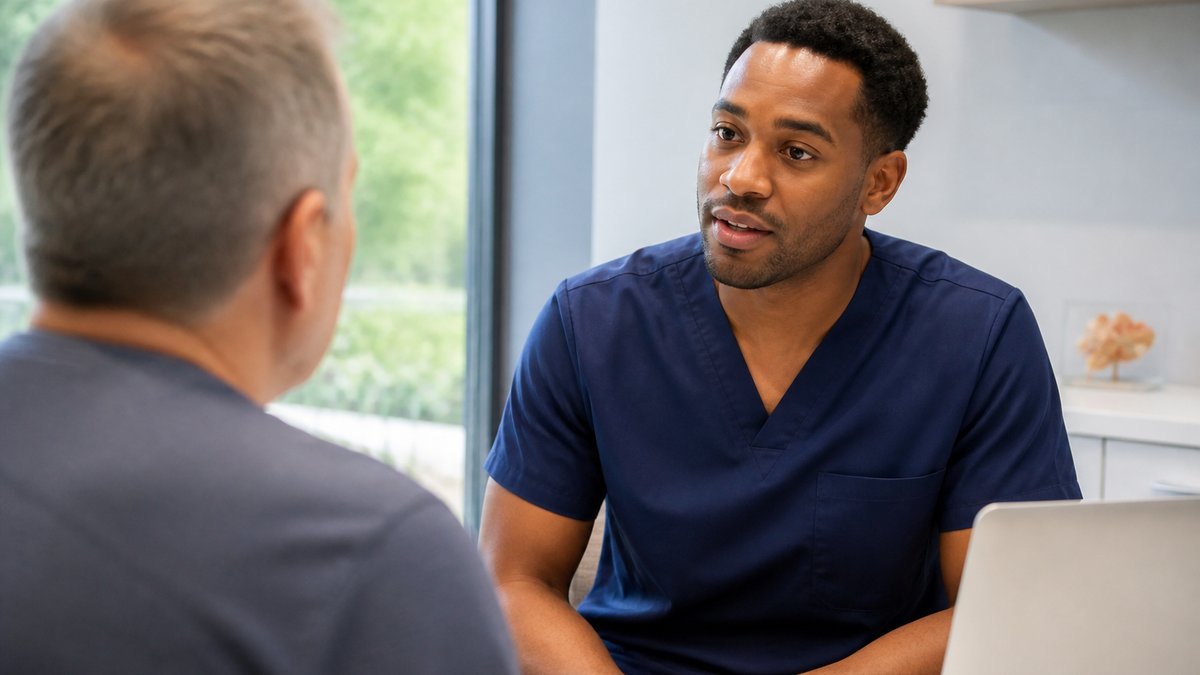
Mohs surgery is a precise treatment for skin cancer, and doctors use it on the face, ears, and hands, including recurring tumors. The surgeon removes the tumor in thin layers that a lab checks under a microscope during your visit. Here is more information on what happens before, during, and after the procedure:
Before Surgery
Your preparation starts at a consultation with your Mohs surgeon. The surgeon reviews your medical history, and you discuss the location and type of your skin cancer. If you take blood thinners, tell your surgeon well before the procedure date. Your surgeon may also ask about smoking, since it slows wound healing.
These procedures typically take place in an outpatient office, so you go home the same day. Since the process may last several hours, plan to clear your schedule for the full day. Use the checklist below to prepare.
- Eat a normal breakfast unless your surgeon gives other instructions
- Take your regular medications unless told otherwise
- Skip makeup and lotion if the site is on your face
- Bring a book, snack, or tablet for the waiting periods
- Arrange a ride home, especially for sites near the eyes
During Surgery
When you arrive for Mohs surgery, a nurse cleans the area and marks the visible tumor. The surgeon injects a local anesthetic, and the area becomes numb within a few minutes. You stay awake for the entire procedure. Most patients feel pressure but little pain.
Next, the surgeon removes a thin layer of tissue from the site. While a technician processes the sample, a bandage covers your wound. The surgeon studies the tissue under a microscope, and this step is typically quick. The resulting map shows the location of any remaining cancer cells.
Some patients need only one layer removed, but others need several rounds. Each round repeats the same steps. Once the margins show no cancer cells, the surgeon discusses options for closing the wound. These options include stitches, a skin graft, or natural healing.
After Surgery
After the surgeon closes the wound, you receive a pressure bandage and written care instructions. Mild pain and swelling are normal for the first few days. Over-the-counter pain relievers often help, but check with your surgeon first. Your surgeon schedules a follow-up visit to check your healing. Follow these general steps during the first few weeks:
- Keep the bandage dry and in place for 24 to 48 hours
- Clean the wound daily with gentle soap and water
- Apply petroleum jelly and a fresh bandage as directed
- Avoid heavy lifting and strenuous exercise for about one week
- Sleep with your head raised if the site is on your face
Book a Mohs Surgery Consultation
Mohs surgery is one of several treatments for skin cancer. If a biopsy shows basal cell or squamous cell carcinoma, your dermatologist may refer you to a Mohs surgeon. A consultation gives you time to ask questions about your diagnosis; your surgeon explains the procedure, and you review the steps for your specific case. Contact a dermatology clinic to schedule your Mohs surgery consultation.
- Risk Factors and Management Strategies for Coronary Artery Disease
- 4 Signs You Need to Consult a Podiatrist for Plantar Fasciitis
- Medication Options for Fibromyalgia Treatment
- Exploring Types of Allergy Testing
- What To Expect Before, During, and After Mohs Surgery

