Orthopedic procedures treat problems in the bones, joints, muscles, ligaments, and spine, which sometimes require surgery. Some patients need surgery after a sudden injury, and others need it for long-term wear and tear. Since surgical tools and imaging technology have improved, many procedures now use much smaller incisions than before. Here are several of these advances and what they involve:
Miniature Camera
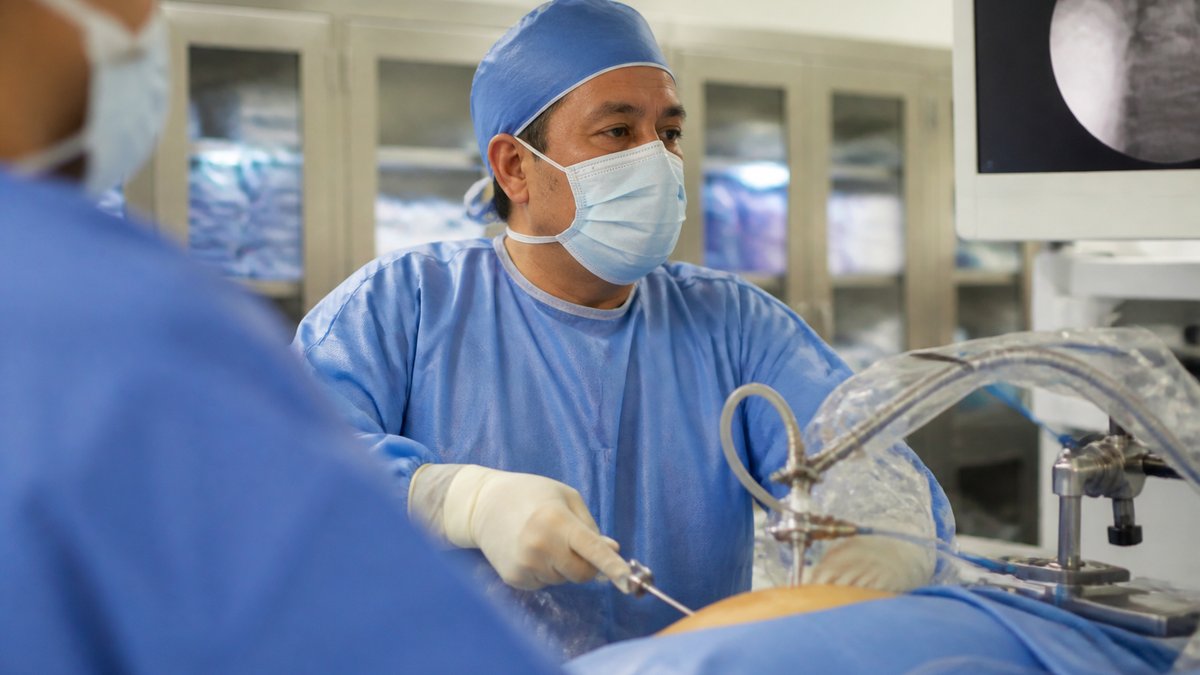
Arthroscopy relies on a pencil-thin camera called an arthroscope. The orthopedic surgeon inserts the camera through a small incision near the joint, and it sends live video to a monitor. While the surgeon watches the screen, they guide thin instruments through one or two other small openings.
Surgeons use arthroscopy when they treat problems in the knee, shoulder, hip, ankle, elbow, or wrist. They may repair a torn meniscus or rotator cuff, or they may remove loose fragments of cartilage. The camera also helps your doctor confirm a diagnosis during the procedure. Arthroscopic procedures typically take place in an outpatient setting.
Minimized Tissue Damage
When surgeons perform traditional open surgery, they typically cut or pull back large muscles to reach the injured area. Minimally invasive techniques take a different approach. The surgeon makes one or more incisions, and specialized instruments pass between muscle fibers.
Muscles and tendons stay mostly intact, so the body has less tissue to heal after surgery. Smaller incisions may also mean less blood loss and smaller scars, although results differ from person to person. Your surgeon can review your personal risk factors with you before any procedure.
Not every patient qualifies for a minimally invasive procedure. If you have a severe deformity, an infection, or a complex fracture, open surgery may suit your situation better. Your orthopedic surgeon studies your imaging and medical history, and then the two of you discuss the options.
Surgical Discectomy and Microdiscectomy
Spinal discs cushion the vertebrae, but a disc may bulge or rupture because of age or injury. A herniated disc sometimes presses on a nearby spinal nerve. When this happens, you may notice symptoms like these:
- Pain that travels down the leg or arm
- Numbness or tingling
- Muscle weakness that persists
- Pain that does not improve with physical therapy
A traditional discectomy removes the portion of the disc that presses on the nerve. To do this, microdiscectomy uses a surgical microscope and an incision about one inch long. The magnified view shows the nerve in fine detail, so the surgeon disturbs less surrounding tissue.
Artificial Disc Replacement
Spinal fusion joins two vertebrae permanently, but disc replacement takes a different approach. The surgeon removes the damaged disc and places an implant that allows motion at that spinal level. Most implants combine metal plates with a medical-grade plastic core. If arthritis affects the facet joints behind the disc, fusion may work better. Doctors review several factors before recommending this procedure:
- The location of the damaged disc
- The health of the nearby facet joints
- The patient’s bone density
Schedule an Orthopedic Procedure Consultation
A consultation with an orthopedic surgeon gives you time to ask questions about your condition. Bring your imaging results and a list of current medications, and write down your symptoms ahead of time. Ask about recovery time, possible risks, and nonsurgical alternatives. When you understand each option, you take an active role in decisions about your care.
- Risk Factors and Management Strategies for Coronary Artery Disease
- 4 Signs You Need to Consult a Podiatrist for Plantar Fasciitis
- Medication Options for Fibromyalgia Treatment
- Exploring Types of Allergy Testing
- What To Expect Before, During, and After Mohs Surgery

