• Cardiology
  • Dentistry
  • Elderly Care
gizmocrunchs.com
  • Gynecology
  • Urology
  • Blog
    • Pain Management
    • Podiatry
    • Nutrition
    • Women’s Health
    • Internal Medicine
    • Primary Care
Category:

Blog

The Role of Medical Spas in Personalized Skincare Plans
Blog

The Role of Medical Spas in Personalized Skincare Plans

by Richard September 30, 2026
written by Richard

A personalized skincare plan is built around your skin type, concerns, and cosmetic goals. Instead of following general routine advice, you receive recommendations based on how your skin looks and behaves. A medical spa combines professional skin assessments with in-office treatments to help you work toward specific goals, such as smoother texture or fewer visible signs of aging. Here’s more information on medical spas and how they personalize their skincare plans:

How Spas Assess Your Skin

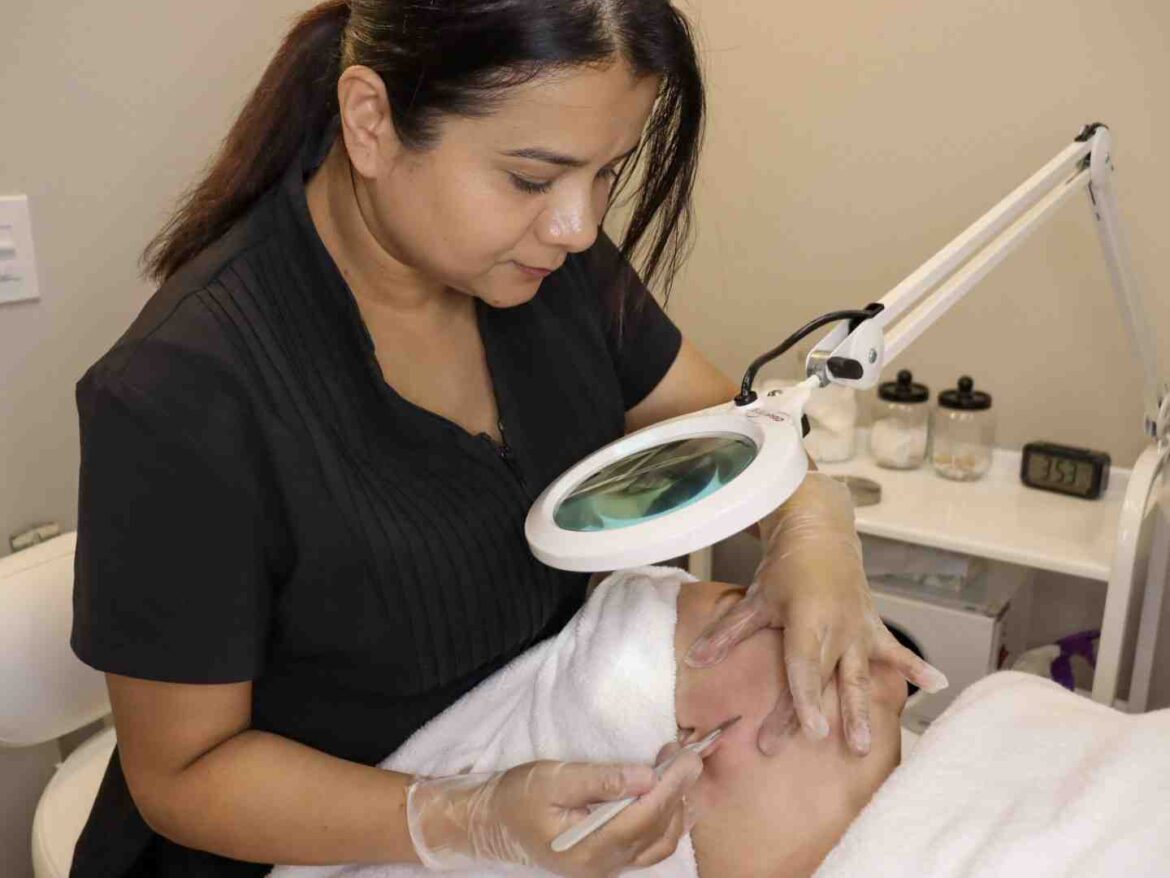
A medical spa skin assessment is the first step in building a personalized skincare plan. During this evaluation, a licensed provider examines your skin’s texture, tone, hydration, and elasticity. The provider will also discuss your visible concerns, from fine lines and enlarged pores to uneven pigmentation and acne scarring. Some med spas use digital imaging tools that capture detailed photos of the skin’s surface.

This information helps your provider understand your skin’s current condition and also creates a baseline for tracking changes over time. A clear baseline allows your provider to adjust your plan as your skin responds to treatment. Your med spa provider will also ask about your current skincare routine, as products you use at home can affect how your skin responds to professional treatments. Sharing this information helps your provider recommend services that fit your routine and skincare goals.

How Spas Support Your Goals

A medical spa consultation is a one-on-one meeting with a provider to discuss your cosmetic goals, typically held before any treatment begins. Your provider will ask about your skin concerns, past treatments, medical history, and lifestyle factors like sun exposure. Use this consultation time to describe the changes you want to see. Your provider will explain which treatments align with these goals and what realistic results may look like. Some skin appearance goals you may want to focus on include:

  • Dullness
  • Visible Texture
  • Signs of Aging 

Your consultation is also a chance to ask questions about treatments, session length, and recovery time. Some clients prefer a single treatment, but others follow a series of sessions over several months. Your provider uses the details from this conversation to outline a treatment plan that fits your schedule and preferences. After discussing your skin, you can decide which treatments you want to commit to.

How Spas Customize Your Plan

After reviewing your skin type and cosmetic goals, your med spa provider can recommend specific services. Each treatment works differently, so your plan may include one option or a combination of several. From facials to injectable treatments, each option can be customized for your aesthetic needs. Here are three key options your med spa specialist may discuss with you:

Chemical Peels

A chemical peel involves applying an acid-based solution to the skin; the solution then removes the outer layers of dead skin cells. Peels come in different strengths, from light surface peels to medium-depth options, offering key customization. Providers often recommend peels for concerns like dullness, uneven tone, or rough texture. Recovery time varies by peel depth, but your provider will explain what to expect from your chosen depth.

Hydrolyzed Salmon DNA Injections

Hydrolyzed salmon DNA injections contain purified DNA fragments called polynucleotides. A provider injects these fragments into targeted areas of the skin to help address skin quality concerns like dryness, fine lines, and thin-looking skin. Your provider can tell you whether this option fits your goals, and results often take two to three weeks to become noticeable.

Microneedling

Microneedling uses a device with fine needles to create tiny channels in the skin’s surface, and these controlled micro-injuries aim to prompt the skin’s natural renewal process. Providers commonly use microneedling for concerns like visible pores, acne scarring, and uneven texture. Some med spas offer microneedling with radiofrequency energy, which delivers heat to deeper skin layers. Your provider may recommend a series of sessions for more serious concerns and explain the timeline between appointments.

Find Your Medical Spa Provider

A personalized skincare plan starts with a thorough assessment and a detailed consultation. Look for a med spa with licensed, experienced staff and a clear consultation process, and ask about provider credentials and the treatments they perform most often. An appropriate medical spa provider will take time to understand your skin before recommending any service. To learn how to personalize your skincare, schedule a consultation with a local med spa today.

  • Understanding Challenges in Geriatric Care and How To Address Them
  • How Sclerotherapy Is an Effective Solution for Treating Spider and Varicose Veins
  • Who Benefits From Ankle Replacement Surgery
  • Common Questions To Ask About Cataract Surgery
  • Discovering Unique Omegle Alternatives for Diverse Interactions

September 30, 2026 0 comments
0 FacebookTwitterPinterestEmail
Aesthetic Procedures That Boost Symmetry
Blog

Aesthetic Procedures That Boost Symmetry

by Richard September 28, 2026
written by Richard

Aesthetics focuses on enhancing appearance while maintaining balance among facial or body features. Differences in shape, proportion, or volume may occur naturally or develop over time due to aging or other changes. Aesthetic procedures can help address these differences to create a more balanced appearance. Here are several aesthetic procedures that may boost symmetry:

Balancing Features With Botox

Botox relaxes specific muscles that pull unevenly on the face. An aesthetics provider injects small amounts into targeted areas, and the treated muscles soften over the following days. This approach can help when one brow sits higher than the other or when a smile pulls to one side. The results are temporary, so people often schedule follow-up sessions to maintain balance.

Restoring Balance With Fillers

Fillers add volume to areas that have lost fullness or that never developed evenly. An aesthetics provider places the gel-like material beneath the skin, and the added support smooths and lifts the treated region. Here are some common ways fillers support a more even appearance:

  • Cheeks: Fillers restore height and roundness to a flatter side, bringing the mid-face into closer alignment.
  • Lips: A provider can even out uneven borders or thickness, creating a more balanced smile.
  • Under-eye area: Filler softens hollows that make one side look more tired, so the eyes appear more matched.
  • Jawline: Placement along the jaw sharpens definition, and this helps correct differences in the lower face.

Refining Contours With Threads

Thread lifting is a minimally invasive procedure designed to refine facial contours and address asymmetry. During the treatment, aesthetics providers place dissolvable threads beneath the skin to provide subtle lifting and restructuring. These threads reposition soft tissue, helping to create a more balanced appearance. The technique works well for areas such as the cheeks, jawline, or neck, creating results that enhance overall facial harmony without surgery.

Beyond the immediate lift, thread treatments stimulate natural collagen production, a key protein that maintains skin elasticity and firmness. Over time, this process further improves skin texture and supports long-term rejuvenation. The procedure is generally brief and requires minimal downtime.

Reshaping Features With Surgery

Surgical aesthetics address structural differences that non-surgical options cannot fully correct. A surgeon evaluates the underlying bone and tissue, and the plan targets the features that create visible imbalance. Recovery takes longer than with injectables, but the changes are lasting.

Rhinoplasty

Rhinoplasty reshapes the nose to better align it with the rest of the face. A surgeon can straighten a deviated bridge, refine the tip, or adjust width on one side. The nose sits at the center of the face, so minor corrections can change how balanced the features look. Full results appear gradually as swelling settles over several months.

Jaw and Chin Surgery

Jaw and chin surgery corrects lower-face differences that affect the overall profile. A surgeon may move or reshape bone to even out a jaw that sits higher on one side, and this adjustment can improve appearance and bite alignment. The chin can also be repositioned to sit more centrally. These procedures suit people whose imbalance results from the bone rather than the skin.

Schedule Your Aesthetics Consultation Today

Facial balancing procedures address asymmetries caused by differences in bone structure, soft tissue, or both. Treatments like injectable fillers offer quick and minimally invasive improvements. Surgical options, such as jaw and chin surgery, provide long-term solutions by reshaping underlying bone. Each approach is tailored to improve both function and appearance, helping individuals achieve a more harmonious profile. Contact a modern med spa near you to schedule your aesthetics consultation today.

  • Understanding Challenges in Geriatric Care and How To Address Them
  • How Sclerotherapy Is an Effective Solution for Treating Spider and Varicose Veins
  • Who Benefits From Ankle Replacement Surgery
  • Common Questions To Ask About Cataract Surgery
  • Discovering Unique Omegle Alternatives for Diverse Interactions

September 28, 2026 0 comments
0 FacebookTwitterPinterestEmail
The Connection Between Squamous Cell Carcinoma and Sun Exposure
Blog

The Connection Between Squamous Cell Carcinoma and Sun Exposure

by Richard September 26, 2026
written by Richard

Squamous cell carcinoma is a common form of skin cancer, and it develops in the outer layer of skin cells. Ultraviolet (UV) radiation from the sun damages skin cell DNA over time, which leads to abnormal cell growth. Consistent sun protection helps lower the risk. Here is more information on what this skin cancer is, what causes it, and how sun exposure factors into its development:

What Is Squamous Cell Carcinoma?

Squamous cell carcinoma originates in the squamous cells of the epidermis, the skin’s outer layer. These cells shed and replace themselves regularly, but abnormal DNA changes can disrupt this process and cause uncontrolled growth. The result is a tumor. It typically appears as a scaly patch, raised bump, or non-healing sore on areas of the skin that receive frequent sun exposure, such as the face, ears, neck, and hands. Although squamous cell carcinoma grows more slowly than some other skin cancers, it can spread to surrounding tissue if left untreated.

Early identification may improve treatment outcomes. Dermatologists stage the condition based on tumor size, depth of skin penetration, and whether it has spread to nearby lymph nodes or other areas of the body, which informs the treatment approach. A dermatologist will examine the affected area, and they may perform a biopsy to confirm the diagnosis. Early detection can make treatment more effective.

What Causes It?

Several factors contribute to skin cancer. These factors include:

  • Cumulative sun exposure
  • Fair skin, a weakened immune system, and a personal or family history of skin cancer
  • Exposure to certain chemicals, prior radiation treatment, and chronic wounds or scars

Understanding these causes is key to identifying higher-risk individuals and determining appropriate preventive or treatment measures.

How Is Sun Exposure Connected?

UV radiation damages DNA in skin cells, which is the central link between sun exposure and skin cancer. When skin absorbs UV rays, cells attempt to repair the resulting damage, but repeated exposure overwhelms this repair process. Mutated cells then multiply without normal restraints. Tanning beds pose a similar risk since they emit concentrated UV radiation. Cumulative outdoor exposure from work or recreation adds to this risk over time.

Protective measures can reduce the likelihood of UV-related skin damage. Broad-spectrum sunscreen with an SPF of 30 or higher limits the amount of UV radiation that reaches the skin when applied consistently. Protective clothing, wide-brimmed hats, and UV-blocking sunglasses provide additional barriers, and seeking shade during peak sun hours further reduces cumulative UV exposure. These measures are especially beneficial for people with established risk factors, such as fair skin or a history of frequent sunburns, because their skin is less equipped to handle repeated UV damage.

How Is Professional Guidance Beneficial?

Dermatologists can identify suspicious growths early, before patients notice symptoms. Routine skin exams let specialists track new spots or changes in existing ones. Because early detection may allow simpler treatment options, intervening before cancer spreads is a major advantage. Dermatologists may also offer guidance on sun-protection habits tailored to skin type, occupation, and medical history; this personalized approach helps reduce the likelihood of future skin damage.

Consult a Dermatologist Today

Squamous cell carcinoma develops gradually, and it is shaped by years of sun exposure and other contributing factors. Recognizing the signs early and understanding your personal risk factors can improve treatment outcomes. Dermatologists offer diagnostic expertise and practical strategies to reduce future risk. If you are seeking additional information, schedule an appointment with a dermatologist.

  • Understanding Challenges in Geriatric Care and How To Address Them
  • How Sclerotherapy Is an Effective Solution for Treating Spider and Varicose Veins
  • Who Benefits From Ankle Replacement Surgery
  • Common Questions To Ask About Cataract Surgery
  • Discovering Unique Omegle Alternatives for Diverse Interactions

September 26, 2026 0 comments
0 FacebookTwitterPinterestEmail
Understanding Triggers for Anxiety Disorders
Blog

Understanding Triggers for Anxiety Disorders

by Richard September 25, 2026
written by Richard

Anxiety disorders involve persistent worry or fear, and symptoms sometimes interfere with everyday activities. While their causes remain unclear, trauma, accumulated stress, inherited traits, mental health conditions, and substance use may influence these disorders. Medical conditions, including thyroid problems and heart disease, can also relate to symptoms, so evaluation sometimes includes possible physical causes. Here is more information about understanding triggers for anxiety disorders: 

Recognizing Emotional and Mental Triggers

Traumatic experiences can influence the development of anxiety disorders in both children and adults. Childhood abuse or trauma may increase risk, while stressful experiences later in life might also contribute. Personality and individual responses to stressful situations sometimes influence how anxiety develops.

Anxiety sometimes occurs alongside other mental health conditions, including depression. When multiple conditions occur together, evaluation might involve discussing thoughts, feelings, behaviors, and other mental health concerns. A healthcare provider might use this information when discussing diagnosis and available treatment approaches.

Facing Physical Health Triggers

Anxiety symptoms can sometimes relate to an underlying physical health condition. A healthcare provider may review medical history and symptoms when evaluating whether another condition contributes to anxious symptoms. Medical conditions associated with anxiety include:

  • Living with heart disease
  • Managing diabetes
  • Experiencing thyroid problems
  • Having respiratory disorders
  • Living with chronic pain
  • Managing irritable bowel syndrome

Anxiety that develops suddenly without a previous history might prompt further medical evaluation. Providers sometimes use physical examinations or testing to investigate possible medical causes. This information might help distinguish a disorder from anxious related to another health condition.

Encountering Major Life Stressors

Stress can build after a major event or through an accumulation of smaller stressful situations. Events such as a death, financial concerns, or serious illness may contribute to anxiety or excessive worry. Some disorders begin during childhood or adolescence, while others develop later in adulthood. Because experiences vary, a healthcare provider might review current stressors and symptom history when evaluating anxiety.

Uncovering Genetic and Family Links

Disorders can occur among multiple members of the same family. Having a blood relative with a disorder may be associated with an increased likelihood of developing one. Inherited traits and individual life experiences might both play roles in how anxiety develops.

A family history does not mean someone will develop a disorder. Some people with affected relatives never experience a disorder, while others develop symptoms under different circumstances. A healthcare provider might ask about family history when evaluating new or persistent symptoms.

Avoiding Substance-Related Triggers

Alcohol or drug use are able to contribute to symptoms, and withdrawal may also cause or worsen them. Certain medications and exposure to toxic substances might produce symptoms in some individuals. Substance-induced anxiety sometimes develops during intoxication or withdrawal, depending on the substance involved. A healthcare provider might review substance use and medications when evaluating possible causes of anxiety symptoms.

Schedule Your Anxiety Treatment Today

Disorders can involve several factors, including genetics, stressful experiences, physical health conditions, and substance use. Because symptoms and possible triggers vary, a healthcare provider may review medical history, family history, and current concerns. Persistent worry, fear, or panic might affect work, relationships, or other areas of everyday life. Schedule an appointment with a healthcare provider to discuss anxiety symptoms and available treatment options.

  • Understanding Challenges in Geriatric Care and How To Address Them
  • How Sclerotherapy Is an Effective Solution for Treating Spider and Varicose Veins
  • Who Benefits From Ankle Replacement Surgery
  • Common Questions To Ask About Cataract Surgery
  • Discovering Unique Omegle Alternatives for Diverse Interactions

September 25, 2026 0 comments
0 FacebookTwitterPinterestEmail
Benefits of Comprehensive Sports Physicals
Blog

Benefits of Comprehensive Sports Physicals

by Richard September 25, 2026
written by Richard

Sports physical exams do more than meet a team or school requirement. These comprehensive exams review an athlete’s health history and check for concerns that may affect participation. Here are the key benefits of comprehensive sports physicals:

Identifying Health Concerns

Sports physicals give a provider the chance to detect health matters that may affect how your child plays. The provider reviews family history, current symptoms, and past conditions, which helps them build a clear picture of your child’s health. A short conversation about breathing, energy levels, or past illnesses often reveals details you may overlook at home. During the exam, the provider often reviews several areas that affect your child’s participation. Here are some of them:

  • Heart and breathing: The provider listens for irregular patterns and asks about dizziness or shortness of breath during activity.
  • Vision and hearing: These checks help confirm your child can respond to coaches and teammates on the field.
  • Growth and development: Height, weight, and physical development offer context for age-appropriate activity.

Assessing Injury History

Reviewing past injuries is a key part of sports physicals. The provider asks about sprains, fractures, or concussions, and this discussion helps them understand how your child’s body has recovered. Old injuries sometimes affect strength, balance, or flexibility, so a careful review supports better planning.

The provider may also test range of motion and stability in areas that carry heavy demands during play. A quick check of joints, muscles, and posture shows how well your child moves. This information helps the provider suggest warm-ups or stretches that fit your child’s needs.

Guiding Safer Participation

Sports physicals help match your child to activities that suit their current health and ability. The provider weighs your child’s fitness against the demands of the chosen sport, and this comparison helps you contemplate options together. The provider may share recommendations that affect how your child trains and competes. Here are some of them:

  • Hydration habits: Drinking enough water before and after activity supports steady performance.
  • Rest and recovery: Scheduled breaks give the body time to adjust to training.
  • Proper equipment: Correct gear and footwear help your child move confidently.

Supporting Overall Wellness

Sports physicals extend beyond the field and impact your child’s broader wellness. The provider may discuss sleep, nutrition, and daily habits, which connect closely to how your child performs. A short conversation about balanced meals or screen time often leads to more helpful changes. The visit also gives your child a chance to ask questions in a comfortable setting. A provider can explain how movement, rest, and food work together, so your child learns to make sound choices. This kind of guidance can build habits that carry value into adulthood. 

Book Your Sports Physicals Today

Physicals play a significant role in supporting your child’s health, development, and athletic performance. These exams make sure your child is physically prepared to participate in sports, identify potential health concerns early, and provide valuable education on maintaining healthy habits. These physicals also contribute to long-term well-being by addressing key elements such as movement, rest, and nutrition. Contact a modern pediatric practice near you to book your sports physicals today.

  • Understanding Challenges in Geriatric Care and How To Address Them
  • How Sclerotherapy Is an Effective Solution for Treating Spider and Varicose Veins
  • Who Benefits From Ankle Replacement Surgery
  • Common Questions To Ask About Cataract Surgery
  • Discovering Unique Omegle Alternatives for Diverse Interactions

September 25, 2026 0 comments
0 FacebookTwitterPinterestEmail
The Benefits of Regular Annual Physicals for All Ages
Blog

The Benefits of Regular Annual Physicals for All Ages

by Richard September 24, 2026
written by Richard

An annual physical is a routine checkup with a provider, and you get one each year to review your overall health. As these visits track changes over time, they help spot issues early. Every age group has reasons to keep this appointment on the calendar. Here is more information about the benefits of an annual physical during different stages of life:

Benefits for Children

Children grow fast, and their needs shift each year. An annual physical measures height, weight, and development milestones. When a provider tracks these numbers over time, patterns typically become clear.

Vaccines stay current during these visits, and providers answer parent questions. A physical also checks vision and hearing early. Since school and sports often require forms, this appointment covers that need too. Providers use the time to talk through diet, sleep, and activity. This proactive care helps catch potential issues early, supporting a child’s overall health and well-being.

Benefits for Adults

Busy schedules push many adults to skip checkups. A yearly physical reviews blood pressure, cholesterol, and weight. Since many conditions show no symptoms early, screening tools help catch them. During your visit, a provider might order these standard tests:

  • Blood pressure reading
  • Cholesterol and blood sugar panels
  • Body weight and BMI measurement

These results give you a clear picture of your health. When you review them with a provider, you get practical next steps. A physical also updates your records, and that history guides future care. Regular check-ups allow you to make informed decisions about your health and address concerns early.

Regular physicals are a key part of preventive care, making sure your health stays on track year after year. They provide valuable insight into your current well-being, and they also provide an opportunity to discuss any new or lingering concerns with a professional. While some results might require further tests or follow-up, many issues can be addressed immediately, giving you information and a clear direction for the future.

Benefits for Seniors

Health needs grow more complex with age. A yearly physical reviews medications, mobility, and memory. Since older adults typically take several prescriptions, a provider checks for conflicts.

Providers watch for changes that affect daily life. Falls, hearing loss, and vision shifts often get flagged here. When these issues surface early, you and your provider can plan sooner. This visit also updates screenings based on your age and history.

Regular check-ins not only address current symptoms but also prevent small problems from becoming larger ones. These visits ensure that seniors stay informed about their health. By catching issues like bone density loss or diabetes indications early, providers help create proactive care plans tailored to individual needs.

Schedule an Annual Physical

Yearly physicals track your health across every stage of life, and they review your history, flag early changes, and keep your records current. Since these visits fit any age, the whole family benefits from them. On-site lab testing gives you quick results in one stop. Stop by a local primary care center or schedule an appointment online today.

  • Understanding Challenges in Geriatric Care and How To Address Them
  • How Sclerotherapy Is an Effective Solution for Treating Spider and Varicose Veins
  • Who Benefits From Ankle Replacement Surgery
  • Common Questions To Ask About Cataract Surgery
  • Discovering Unique Omegle Alternatives for Diverse Interactions

September 24, 2026 0 comments
0 FacebookTwitterPinterestEmail
How Ob/Gyn Care Supports Preventive Screenings and Routine Wellness Visits
Blog

How Ob/Gyn Care Supports Preventive Screenings and Routine Wellness Visits

by Richard September 24, 2026
written by Richard

Routine ob/gyn visits offer an opportunity to review your health, discuss concerns, and identify screenings that are appropriate for your age and medical history. These appointments can support reproductive health and broader preventive care. Here is more information on how ob/gyn care supports preventive screenings and routine wellness visits:

Comprehensive Health Review

A wellness visit with an ob/gyn usually begins with a review of your general health. Your provider checks your weight, blood pressure, and history, and they ask about any symptoms you have noticed. This conversation helps your ob/gyn understand your daily habits, cycle patterns, and any concerns. When you share accurate details, your provider can offer guidance that fits your stage of life.

Recommended Cancer Screenings

Cancer screenings are a core part of routine ob/gyn care. These checks look for early signs of change before symptoms appear, and your provider schedules them based on your age and history. They will explain which screenings apply to you and tell you how often to return.

Routine Cervical Screening

Cervical screening checks cervical cells for changes. Your ob/gyn may collect a small sample during the exam, and the lab reviews it afterward. This screening helps people across a wide age range, though timing depends on your history. Your provider will guide you on the right schedule for your situation.

Regular Breast Health Checks

Breast health checks may include a clinical exam during your visit. Your ob/gyn can also discuss when imaging fits your age and risk factors and explain what to expect. These conversations give you a clear plan; Ii you notice any changes between visits, you can contact your provider.

Sexual and Reproductive Health

Ob/gyn care also covers your sexual and reproductive health across every life stage. Your provider answers questions and helps you plan for the future. This part of the visit gives you room to address topics you are unsure about. The following are common areas your ob/gyn can address:

  • Contraception planning: Your ob/gyn reviews options and helps you choose a method that fits your goals and health history.
  • Pregnancy preparation: If you plan to conceive, your provider discusses timing, habits, and steps that support a healthy start.
  • Menstrual concerns: You can address irregular cycles, heavy bleeding, or pain, and your provider can help identify possible causes.
  • Condition management: For PCOS, fibroids, or endometriosis, your provider outlines monitoring and long-term care.
  • Infection screening: Your ob/gyn tests for common infections and explains results in clear terms.

Clear Next Steps

After your visit, your ob/gyn helps you plan next steps. They may schedule your next screening, order a test, or suggest a follow-up appointment, and they will explain the reason for each step. Writing down these details helps keep your care on track between visits. When you understand your plan, you can prepare questions and stay involved in your own health. Your appointments work best when you arrive ready to share. Bring a list of medications, note the dates of your last cycle, and write down any symptoms you want to address.

Visit an Ob/Gyn Today

Ob/gyn care involves health reviews, cancer screenings, sexual and reproductive support, and a clear plan for the future. Staying proactive in your health starts with understanding your care plan and preparing for each appointment. You help your ob/gyn provide more focused and effective guidance by tracking details like medications, cycles, and symptoms. Contact a qualified ob/gyn near you to schedule your appointment today.

  • Understanding Challenges in Geriatric Care and How To Address Them
  • How Sclerotherapy Is an Effective Solution for Treating Spider and Varicose Veins
  • Who Benefits From Ankle Replacement Surgery
  • Common Questions To Ask About Cataract Surgery
  • Discovering Unique Omegle Alternatives for Diverse Interactions

September 24, 2026 0 comments
0 FacebookTwitterPinterestEmail
Lifestyle Changes to Alleviate Symptoms of Migraines
Blog

Lifestyle Changes to Alleviate Symptoms of Migraines

by Richard September 24, 2026
written by Richard

Migraines can disrupt daily life, but certain habits reduce how often attacks occur and how severe they feel. Consistent sleep, regular meals, hydration, and stress management are useful areas to review. Here are some lifestyle changes that may help you alleviate symptoms of migraines:

Consistent Sleep Schedule

Sleep patterns and migraines are closely linked, so a consistent routine gives your body a predictable rhythm. Go to bed and wake up at the same time each day, and keep that schedule on weekends when your routine tends to change. A dark, cool, quiet room supports rest, and reducing screen time before bed helps your mind settle. When you track how you feel after regular sleep, you gather useful information to share with your provider.

Regular Meals and Hydration

Skipped meals and dehydration are common triggers, and spacing your meals evenly keeps your energy stable. Eat balanced meals at set times, and pair them with regular water intake across the day. Caffeine and alcohol affect people differently, so watch how your body responds and adjust your intake if patterns emerge. Small and consistent habits make it easier to notice which foods or timing changes matter for you.

Active Stress Management

Physical activity and stress management can influence how often migraines appear. The following subsections break this into manageable actions you can build into your week. Start with realistic goals, and expand your routine as your body adapts.

Move More

Regular movement improves circulation and sleep, and it supports overall stability in your daily routine. Choose low-impact activities such as walking, swimming, or gentle cycling, and keep sessions moderate. Sudden and intense exercise can act as a trigger for some people, so a gradual approach helps.

Manage Stress

Stress is a frequent contributor to migraines, and calming techniques can reduce its effect on your day. Practices such as deep breathing, stretching, and brief rest breaks help you reset during busy periods. Set boundaries around your workload and schedule short pauses before pressure builds. A consistent routine gives you a reliable way to respond when tension increases.

Personal Trigger Awareness

Triggers vary from person to person, and a written record helps you detect patterns you may otherwise miss. Note your symptoms, timing, and daily habits, and review the record with your provider to guide adjustments. The following are details worth tracking: 

  • Sleep patterns: Record your bedtime, wake time, and total hours, and note any nights that differ from your routine.
  • Meals and hydration: Track meal timing, skipped meals, and water intake to see how they connect with symptoms.
  • Foods and drinks: Note specific items, including caffeine and alcohol, to identify possible links.
  • Stress and activity: Log stressful events and exercise sessions, and mark how your body responded afterward.
  • Environment: Record bright lights, loud sounds, strong smells, and weather changes that appear alongside symptoms.

Schedule Your Appointment for Migraines

Consistent sleep, regular meals, hydration, gentle movement, stress management, and trigger tracking give you practical ways to support your care. Tracking migraines involves carefully documenting potential triggers and symptom patterns. This detailed record can help identify connections, clarify potential causes, and guide prevention strategies. Contact a qualified healthcare provider near you to schedule your appointment for migraines today.

  • Understanding Challenges in Geriatric Care and How To Address Them
  • How Sclerotherapy Is an Effective Solution for Treating Spider and Varicose Veins
  • Who Benefits From Ankle Replacement Surgery
  • Common Questions To Ask About Cataract Surgery
  • Discovering Unique Omegle Alternatives for Diverse Interactions

September 24, 2026 0 comments
0 FacebookTwitterPinterestEmail
The Key Role of Wellness Spas in Skin Health
Blog

The Key Role of Wellness Spas in Skin Health

by Richard September 23, 2026
written by Richard

Skin health and complexion depend on factors that affect hydration, texture, tone, and elasticity. A wellness spa supports your skincare goals by combining customized treatments with thoughtful follow-up care. By customizing skincare plans, wellness spas can address a range of skin concerns. These medical spas offer targeted services and advice that support your skin’s appearance and overall health. Here’s more information on wellness spas and how they can support your skin goals:

Thorough Consultations

To build an effective skincare plan, you first need a consultation with a specialist. During this session, a trained professional reviews your skin type, discusses your concerns, and identifies the services that align with your goals. Some goals require more than a single visit. You may benefit from multiple skincare sessions when addressing concerns that develop over time, such as sun damage or gradual loss of firmness. 

Whether you want to address fine lines, uneven texture, dryness, or general maintenance, the consultation sets the direction for your care. Regular sessions let professionals monitor progress and adjust your approach as your skin responds. A wellness spa offers key services to:

  • Hydrate and Rejuvenate the Skin
  • Address Sun Damage
  • Reduce Scaring
  • Improve Skin Texture

Custom Treatment Plans

Skin care plans often draw from several service categories, and each targets different aspects of skin health. After the consultation, a wellness spa creates a custom treatment plan for your specific needs. A common starting treatment point includes facials. Facials cleanse, exfoliate, and hydrate the skin, and they can be adjusted for different skin types and concerns. Cosmetic injectable treatments include options that aim to smooth the appearance of lines or restore facial volume, commonly with Botox or dermal fillers. A qualified provider assesses your facial structure before recommending a suitable approach.

PDRN Rejuvenation Treatments

Polydeoxyribonucleotides (PDRN) rejuvenation treatments support skin renewal and are often incorporated into a broader facial med spa routine. PDRN skin injection treatments are a regenerative therapy that supports skin renewal and repair at a cellular level. Extracted from salmon DNA, PDRN is known for stimulating cell growth and tissue regeneration. When injected into the skin, it enhances microcirculation, promotes collagen production, and accelerates the healing of damaged tissue. By boosting collagen synthesis and improving hydration, PDRN injections can help:

  • Reduce Fine Lines
  • Improve Skin Elasticity
  • Restore a Youthful Glow
  • Repair Damaged Skin (From Environmental Stressors and Aging)
  • Reduces Skin Inflammation

Microneedling

Microneedling uses fine needles to create controlled micro-channels in the skin, encouraging a natural response that may improve texture and tone. Microneedling may be recommended if you want to target skin texture while promoting collagen and elastin. Some microneedling treatments use pulsed or continuous radiofrequency energy to provide added benefits, addressing issues ranging from acne scarring to mild skin laxity. Providers often schedule several sessions for gradual, measurable results.

Full Body Benefits

Skin health connects to overall wellness, so some services aim to go beyond the skin’s surface. To support your skin on a deeper level and address other health factors, a wellness spa may recommend IV vitamin therapy or NAD+ IV therapy. IV vitamin therapy delivers a blend of vitamins and minerals directly into the bloodstream. NAD+ IV therapy focuses on cellular support and is often chosen by individuals seeking broader wellness benefits, including daily fatigue or metabolic concerns. Both options complement topical and in-office skincare treatments by addressing internal factors that influence how your skin looks and feels.

Find Your Wellness Spa Today

A wellness spa combines professional expertise with a range of services to support your skin health from the surface inward. From detailed consultations to custom treatment plans and full-body therapies, each element works together to help you improve your skin. Before committing to a treatment, discuss your skincare goals with a licensed medical spa specialist. During the consultation process, ask about the treatments they offer, how they structure multi-session plans, and how they tailor care. To explore wellness spas in your area, schedule a consultation and start building a skincare routine that fits your needs.

  • Understanding Challenges in Geriatric Care and How To Address Them
  • How Sclerotherapy Is an Effective Solution for Treating Spider and Varicose Veins
  • Who Benefits From Ankle Replacement Surgery
  • Common Questions To Ask About Cataract Surgery
  • Discovering Unique Omegle Alternatives for Diverse Interactions
September 23, 2026 0 comments
0 FacebookTwitterPinterestEmail
How Liposuction Can Complement Other Cosmetic Procedures
Blog

How Liposuction Can Complement Other Cosmetic Procedures

by Richard September 22, 2026
written by Richard

Liposuction removes localized fat deposits and refines body contours. Because it targets specific areas of excess fat, it may be an addition to procedures like tummy tucks, breast surgery, and facelifts. Combining liposuction with these procedures lets surgeons address multiple concerns in a single session; this may produce more balanced, natural-looking results. Here is more information on what liposuction is, how it works, and how surgeons pair it with other treatments:

What Is Liposuction?

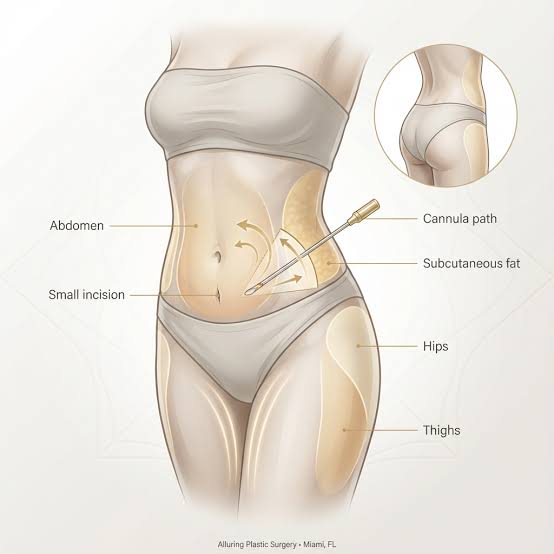
Liposuction is a surgical procedure that removes localized fat deposits; it targets areas resistant to diet and exercise. Surgeons perform it using a thin tube called a cannula, which suctions fat cells from beneath the skin. Common treatment areas include the abdomen, flanks, thighs, arms, and chin. Surgeons typically recommend the procedure for patients who are close to their goal weight and are looking to address localized areas that haven’t responded to diet and exercise.

How Does It Work?

The liposuction process begins with a consultation. During this appointment, the surgeon reviews the patient’s medical history, and they may mark the treatment areas, which makes sure the procedure is tailored to the patient’s specific needs. Once the surgeon and patient identify the treatment areas, they can schedule the operation.

On the day of surgery, the surgeon administers anesthesia, and they make small incisions near the target zone. A cannula, which is a thin tube connected to a vacuum device, is inserted through these incisions. The surgeon moves it in controlled motions to break up fat cells, which are then suctioned out. Techniques vary. Surgeons may use laser-assisted liposuction, depending on the patient’s needs and the treatment area.

How Are Other Procedures Complemented?

Liposuction pairs with body contouring procedures to enhance overall results. A tummy tuck removes excess skin from the abdomen, but it does not always eliminate fat from surrounding areas such as the flanks. Surgeons may add liposuction to sculpt these regions in the same operation, which creates a more uniform silhouette.

Liposuction may also complement breast reduction and breast lift procedures. Because fat may accumulate along the chest wall and beneath the breast crease, surgeons use liposuction to address these areas more precisely. This helps produce more balanced outcomes, and neither procedure alone achieves the same level of refinement.

In facial procedures, surgeons may combine liposuction with a facelift. When fat beneath the chin is removed, the jawline becomes sharper and more defined. Surgeons may also use liposuction to improve definition in the lower face; combining procedures in a single session helps reduce overall recovery time.

What Are the Benefits?

Pairing liposuction with other cosmetic procedures offers several clinical and practical advantages, including:

  • Reduced recovery time: Patients undergo a single recovery period rather than multiple, minimizing time away from work and daily responsibilities.
  • Comprehensive results: Surgeons can address proportions across the body or face at the same time, rather than treating isolated areas.
  • Surgical efficiency: Combining procedures within one session reduces cumulative surgical exposure and consolidates pre- and post-operative care.

A thorough consultation with a plastic surgeon determines whether combined procedures are appropriate based on a patient’s health profile and cosmetic goals.

Learn More About Cosmetic Procedures

Liposuction can complement many cosmetic surgeries, from body contouring to facial rejuvenation. Combining procedures helps streamline recovery and produce more balanced results; the right approach depends on individual health factors and goals. If you are exploring cosmetic procedures, schedule a consultation with a plastic surgeon.

  • Understanding Challenges in Geriatric Care and How To Address Them
  • How Sclerotherapy Is an Effective Solution for Treating Spider and Varicose Veins
  • Who Benefits From Ankle Replacement Surgery
  • Common Questions To Ask About Cataract Surgery
  • Discovering Unique Omegle Alternatives for Diverse Interactions

September 22, 2026 0 comments
0 FacebookTwitterPinterestEmail
Newer Posts
Older Posts

Recent Posts

  • Understanding Challenges in Geriatric Care and How To Address Them
  • How Sclerotherapy Is an Effective Solution for Treating Spider and Varicose Veins
  • Who Benefits From Ankle Replacement Surgery
  • Common Questions To Ask About Cataract Surgery
  • Discovering Unique Omegle Alternatives for Diverse Interactions

Recent Comments

No comments to show.

Keep in touch

Facebook Twitter Instagram Pinterest Linkedin Youtube

Recent Posts

  • Understanding Challenges in Geriatric Care and How To Address Them

  • How Sclerotherapy Is an Effective Solution for Treating Spider and Varicose Veins

  • Who Benefits From Ankle Replacement Surgery

  • Common Questions To Ask About Cataract Surgery

  • Discovering Unique Omegle Alternatives for Diverse Interactions

  • Exploring the Benefits of Plastic Surgery

Newsletter

Categories

  • Allergy & Immunology (3)
  • Blog (78)
  • Cardiology (4)
  • Chiropractic Care (1)
  • Dentistry (14)
  • Elderly Care (2)
  • ENT (1)
  • Gynecology (9)
  • Ophthalmology (2)
  • Pain Management (5)
  • Pediatric Care (1)
  • Physical Therapy (2)
  • Podiatry (10)
  • Primary Care (2)
  • Sexual Health (1)
  • Sleep Health (1)
  • Urgent Care (2)
  • Urology (3)
  • Weight Management (1)
  • Women's Health (3)
Gizmocrunch.com
  • Gizmocrunch.com
  • About Us
  • Privacy Policy
  • Contact Us
Ryantylerofficial91@gmail.com
  • Categories
    • Cardiology
    • Dentistry
    • Elderly Care
    • Gynecology
    • Urology
    • Blog HOT
    • Podiatry hot
Editors' Picks
Understanding Challenges in Geriatric Care and How To Address...
How Sclerotherapy Is an Effective Solution for Treating Spider...

@2026 – All Right Reserved. Gizmocrunchs.com

Facebook-f Twitter Youtube Tiktok Linkedin-in
gizmocrunchs.com
  • Cardiology
  • Dentistry
  • Elderly Care
gizmocrunchs.com
  • Gynecology
  • Urology
  • Blog
    • Pain Management
    • Podiatry
    • Nutrition
    • Women’s Health
    • Internal Medicine
    • Primary Care