• Cardiology
  • Dentistry
  • Elderly Care
gizmocrunchs.com
  • Gynecology
  • Urology
  • Blog
    • Pain Management
    • Podiatry
    • Nutrition
    • Women’s Health
    • Internal Medicine
    • Primary Care
Category:

Blog

Innovative Vein Treatment Techniques Revolutionizing Care
Blog

Innovative Vein Treatment Techniques Revolutionizing Care

by Richard September 19, 2026
written by Richard

Your veins work against gravity, and they carry blood back to your heart. When they weaken or become damaged, symptoms can appear that affect both comfort and appearance. Learning how veins work and how specialists facilitate vein treatment may help you make informed decisions about your health.

What Conditions Affect Veins?

Veins can develop a variety of problems, many of which relate to how blood moves through them. Healthy veins contain small valves that keep blood flowing in one direction. When these valves stop working properly, blood may pool, leading to visible and physical changes. Some of the most frequently discussed vein conditions include:

  • Varicose Veins: Enlarged, twisted veins that often appear on the legs; they may bulge slightly above the skin’s surface and can cause aching or a heavy sensation.
  • Small Spider Veins: Thread-like veins visible just beneath the skin, and they tend to appear red, blue, or purple.
  • Chronic Venous Insufficiency: A condition where veins struggle to return blood to the heart efficiently, which may lead to swelling, skin changes, or discomfort over time.

Several factors can raise the likelihood of developing vein problems. These include family history, age, prolonged periods of standing or sitting, pregnancy, and certain lifestyle habits.

How Are They Diagnosed?

Diagnosing vein conditions may begin with a physical examination. A specialist can ask about your symptoms, medical history, and any patterns you have noticed. Several painless, noninvasive tests may help the specialist see what is happening beneath the surface. The most common is a duplex ultrasound, and this uses sound waves to create images of blood flow and shows how well your veins and valves are functioning. Direct observation can also play a role, as visible swelling, skin discoloration, or prominent veins offer clues that guide further evaluation.

These methods provide accurate, reliable information, and this helps your specialist identify the type of condition present and how severe it may be. With that understanding in place, they can recommend a course of care that is right for you. An accurate diagnosis is the foundation of any effective treatment plan.

What Does Vein Treatment Involve?

Vein treatment depends on the specific condition, its severity, and your overall health. Many approaches are minimally invasive; this means they involve little to no downtime and can often be performed in an outpatient setting. Common treatment options vary, including:

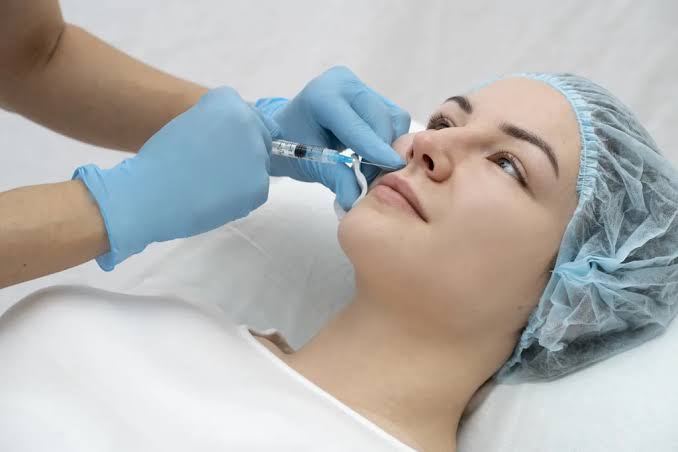
  • Sclerotherapy: A solution is injected into the affected vein, causing varicose and spider veins to close and gradually fade.
  • Laser Ablation: These techniques use targeted heat energy to seal problem veins, redirecting blood flow to healthier vessels.
  • Lifestyle Adjustments: Regular movement, weight management, and elevating the legs can support vein health and complement medical treatments.

For more advanced cases, a specialist may recommend surgical options. Each plan is tailored to the individual, and a specialist will explain what to expect at every stage. Following the recommended aftercare helps support recovery and lasting results.

Confer With a Vein Specialist

Vein conditions range in their severity, from minor cosmetic concerns to issues that affect daily mobility. Understanding the differences among these conditions, the tools used to diagnose them, and the treatments available gives you a solid starting point for taking action. A vein specialist will assess your situation, and they can guide you toward an approach suited to your needs.

  • Understanding Challenges in Geriatric Care and How To Address Them
  • How Sclerotherapy Is an Effective Solution for Treating Spider and Varicose Veins
  • Who Benefits From Ankle Replacement Surgery
  • Common Questions To Ask About Cataract Surgery
  • Discovering Unique Omegle Alternatives for Diverse Interactions

September 19, 2026 0 comments
0 FacebookTwitterPinterestEmail
The Potential Benefits of Stem Cell Therapy for Joint Pain Relief
Blog

The Potential Benefits of Stem Cell Therapy for Joint Pain Relief

by Richard September 18, 2026
written by Richard

Stem cell therapy may be utilized as a treatment option for pain and mobility concerns. It is a part of a field known as regenerative medicine; this approach focuses on the body’s own repair mechanisms. For anyone researching options after new symptoms or a recommendation from a physician, understanding the basics can support clearer conversations with a care provider.

What Is Stem Cell Therapy?

Stem cell therapy is a form of regenerative medicine that uses specialized cells to support the body’s natural healing processes. Stem cells are unique, and they can develop into different types of cells within the body. This ability sets them apart from most other cells, which serve a single fixed function.

These cells are typically sourced from the patient’s own body, often from bone marrow. The material comes from the same person receiving treatment, so the process is described as autologous. Some programs focus on joint discomfort, while others explore soft tissue concerns. The common thread is the use of the body’s own biological resources rather than synthetic replacements.

What Does It Involve?

The process generally follows a series of organized steps, and each provider may adjust the approach based on individual circumstances. Understanding the typical sequence can help set clear expectations. Treatment may begin with an assessment. This step helps determine whether the approach aligns with the person’s situation, and it can help a provider design a realistic treatment plan.

Collection of Cells

If the plan moves forward, the next stage involves collecting the cells. Cells often come from the patient’s own body, and a provider draws them from a source such as adipose (fat) tissue. This step is performed under controlled conditions to maintain safety and consistency.

Preparation and Delivery

After collection, the sample is processed to concentrate the stem cells. The prepared material is then delivered to the targeted area, and it is often administered through an injection guided by imaging technology. This guidance helps place the cells with accuracy.

Recovery and Follow-Up

Following the procedure, people may receive instructions for a short recovery period. Providers can schedule follow-up visits to monitor progress, and this allows them to observe how the individual responds over time. A clear treatment plan and steady communication may help support the experience.

What Are the Benefits?

People explore stem cell therapy for several practical reasons, such as chronic joint or back pain. Outcomes vary from person to person, but there are some general characteristics that may be advantageous for certain individuals. These include:

  • Approach That Is Minimally Invasive: Many stem cell procedures rely on injections rather than open surgery, which can mean a shorter recovery window compared with more extensive operations.
  • Use of the Body’s Own Cells: Autologous treatments use material from the patient, reducing concerns tied to foreign substances.
  • Convenience: A number of these procedures take place in an outpatient setting, allowing people to return home the same day.

A care provider can offer realistic guidance based on a personal evaluation.

Seek Professional Interventional Pain Management

Stem cell therapy sits within the larger discipline of interventional pain management. If you want to learn whether regenerative options fit your circumstances, speak with a medical care provider who practices interventional pain management. A professional is able to explain what each option entails, and they can help you move toward informed decisions about your care.

  • Understanding Challenges in Geriatric Care and How To Address Them
  • How Sclerotherapy Is an Effective Solution for Treating Spider and Varicose Veins
  • Who Benefits From Ankle Replacement Surgery
  • Common Questions To Ask About Cataract Surgery
  • Discovering Unique Omegle Alternatives for Diverse Interactions

September 18, 2026 0 comments
0 FacebookTwitterPinterestEmail
The Hyperbaric Chamber Treatment Process
Blog

The Hyperbaric Chamber Treatment Process

by Richard September 18, 2026
written by Richard

Hyperbaric chamber treatment delivers pure oxygen inside a sealed chamber at higher-than-normal pressure. Doctors use it for wounds, infections, and certain other conditions, and you breathe oxygen while the pressure rises. If you know what happens at each step, you walk in feeling prepared. Here is more information on the process behind this treatment:

Medical Assessment

Your treatment starts with a review of your health history. A clinician checks your symptoms, and they confirm that hyperbaric therapy fits your situation. Since some conditions rule out the chamber, this screening protects your safety. The staff explains each detail clearly, and you get time to ask questions.

You may need a few quick tests before your first hyperbaric chamber treatment session. Staff might check your ears, lungs, and blood pressure, and they note anything that needs attention. When the assessment shows you are ready, the team schedules your visit. Simple prep steps follow next. Before you enter, staff gives you clear instructions, and these may include:

  • Wear cotton clothing without static-prone fabrics
  • Skip lotions, perfumes, and hair products
  • Tell the team about any recent illness

Pressurized Chamber

Once you are ready, you settle into the chamber for your session. The unit seals shut, and the pressure begins to climb slowly. Since your body needs time to adjust, the team raises pressure in careful stages. You might feel a fullness in your ears, similar to a plane taking off.

Staff monitor you the whole time through a window and an intercom. You lie back and relax, and you speak to the team whenever you want. If you feel discomfort, they slow the pace right away. Simple swallowing or yawning eases the pressure in your ears.

Increased Oxygen

At full pressure, you breathe oxygen through a mask or hood. The higher pressure lets your blood carry more oxygen, and the level rises well above normal. Since oxygen reaches tissues more freely, doctors use this stage for specific medical goals. 

You rest quietly during this part of the treatment. Many people read, listen to audio, or simply nap, and the time passes quickly. Staff track your breathing and pressure throughout. You stay in contact with the team the entire time.

Sessions often repeat over several days or weeks. Your clinician sets the schedule based on your condition, and each visit builds on the last. This structure keeps your care consistent, and the team adjusts it when needed. A typical plan includes:

  • Daily or near-daily sessions
  • Fixed number of total treatments
  • Periodic check-ins to review your progress

Post-treatment Decompression

When your session ends, the chamber returns to normal pressure gradually. The team lowers pressure in slow steps, and your body adapts as it drops. Since a slow release prevents discomfort, this stage matters as much as the start. You might notice your ears popping again. After decompression, staff open the chamber and help you out. You rest for a short while, and the team checks how you feel. 

Schedule Hyperbaric Chamber Treatment

Hyperbaric therapy follows clear, measured steps from assessment to decompression. The process is monitored throughout, and trained staff guide you at every stage. Since each step has a purpose, knowing the order helps you stay informed. Contact a neurological clinic today to book an assessment. 

  • Understanding Challenges in Geriatric Care and How To Address Them
  • How Sclerotherapy Is an Effective Solution for Treating Spider and Varicose Veins
  • Who Benefits From Ankle Replacement Surgery
  • Common Questions To Ask About Cataract Surgery
  • Discovering Unique Omegle Alternatives for Diverse Interactions
September 18, 2026 0 comments
0 FacebookTwitterPinterestEmail
How Orthopedic Surgeons Approach Joint Pain Diagnosis
Blog

How Orthopedic Surgeons Approach Joint Pain Diagnosis

by Richard September 18, 2026
written by Richard

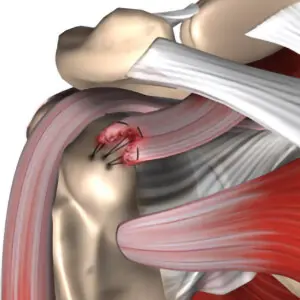
Orthopedic surgeons treat problems in your bones, joints, and muscles, and they diagnose joint pain and use several tools to find its source. When you feel pain in your knee, hip, or shoulder, they follow a clear process to understand it. Here is more information on the main steps they take to approach joint pain:

Physical Examination

A physical examination usually begins the diagnosis. The surgeon looks at the joint, and then presses on it to find tender spots. Since pain shifts during movement, they watch how the joint bends and rotates.

The orthopedic surgeon checks your range of motion. When swelling or stiffness appears, that detail guides the next step of the exam. They may ask you to walk, stand, or lift the limb, and they note where the pain starts. 

Medical History Review

Your medical history gives the surgeon useful background. They ask about past injuries, and they note any surgeries you have had. Since family conditions like arthritis run in some families, the doctor asks about your relatives. During this review, the surgeon asks specific questions:

  • When the pain began and how long it lasts
  • Which activities make it worse
  • How many medications you take now
  • Which treatments you have tried

These answers narrow the possible causes. The surgeon writes down each detail, and the record helps track changes over time. When patterns emerge from your answers, the doctor forms an early idea of the problem.

Selective Imaging Techniques

Imaging shows what the surgeon cannot see from the outside. Since different problems need different views, the doctor picks the right scan for your case. X-rays reveal bone alignment, and they highlight fractures or worn cartilage. 

MRI scans show soft tissue like ligaments and tendons. A CT scan gives detailed cross-sections, and it helps with complex bone shapes. When a joint needs a closer look at fluid or swelling, an ultrasound may be used.

X-rays, MRIs, CT scans, and ultrasounds each play a unique role in providing the most accurate picture of an injury or condition. Doctors rely on these tools to make informed decisions quickly. While X-rays are ideal for assessing bone injuries, an MRI is needed for spotting subtle issues in ligaments or other soft tissues that might not be visible through other methods.

Additional Lab Tests

Lab tests add another layer to the diagnosis. Blood work checks for infection, and it flags markers linked to inflammation. Since certain forms of arthritis may leave clues in your blood, these results help sort one condition from another. Sometimes the surgeon draws fluid from the joint, and this sample goes to a lab, where technicians examine it under a microscope. When crystals or bacteria appear in the fluid, the finding points to a specific cause.

Visit an Orthopedic Surgeon

Each step builds a fuller picture of your joint pain; the exam, history, imaging, and lab work fit together, and the surgeon uses them to name the cause. Since joint pain has many sources, this careful process matters for accurate results. Book an appointment with an orthopedic surgeon, and bring notes about your symptoms. When you take that first step, you give the doctor the details needed to start.

  • Understanding Challenges in Geriatric Care and How To Address Them
  • How Sclerotherapy Is an Effective Solution for Treating Spider and Varicose Veins
  • Who Benefits From Ankle Replacement Surgery
  • Common Questions To Ask About Cataract Surgery
  • Discovering Unique Omegle Alternatives for Diverse Interactions
September 18, 2026 0 comments
0 FacebookTwitterPinterestEmail
Innovative Approaches To Manage Knee Pain Without Surgery
Blog

Innovative Approaches To Manage Knee Pain Without Surgery

by Richard September 17, 2026
written by Richard

Knee pain is common, and it often limits mobility and disrupts daily routines. Surgery is not always the first option. Advances in interventional radiology offer patients less invasive ways to find relief. Imaging technology pinpoints the exact source of discomfort, which has shifted care toward minimally invasive options that give patients more choices before surgery becomes necessary. Here is more information on non-surgical treatments for pain in the knee:

What Is Knee Pain?

Knee pain refers to discomfort, stiffness, or reduced function within the knee joint. It appears suddenly after an injury, or it develops gradually from years of wear and tear on the joint structures. While some patients may describe a dull ache at rest, others notice sharp pain with movement. Chronic pain lasts longer than three months, and it often stems from inflammation within the joint lining. Imaging studies help clinicians assess the extent of joint damage.

What Causes It?

Pain in the knee arises from a range of underlying conditions and contributing factors. Common causes include:

  • Osteoarthritis, resulting from the gradual breakdown of cartilage between the femur and tibia
  • Excess body weight, which places added stress on the knee joint and accelerates cartilage wear over time
  • Repetitive motion, from occupational tasks or sports activities that strain the surrounding tissue

Understanding the underlying cause helps determine the most appropriate course of treatment for each patient.

How Is It Managed?

Conservative treatments are typically the first line of management for chronic pain, and they aim to reduce symptoms without surgical intervention. Regular low-impact exercise, such as swimming or cycling, strengthens the muscles around the knee, which improves stability and reduces joint strain. Applying ice or heat to the affected area can help manage acute pain and inflammation. Weight management also helps; reducing excess body weight eases stress on the knee joint and slows cartilage deterioration. Additional measures may include modifying activity to avoid repetitive strain, using supportive bracing, and taking over-the-counter anti-inflammatory medications to manage discomfort.

When conservative approaches fail to adequately reduce symptoms, interventional radiologists may recommend image-guided procedures. Genicular artery embolization (GAE) blocks small arteries that supply inflamed tissue within the knee; this limits the blood flow that sustains ongoing inflammation. Genicular radiofrequency ablation (GRFA) uses heat generated by radio waves to disrupt the nerves that transmit pain signals from the joint. Both procedures target the underlying source of pain directly rather than masking symptoms through medication alone, which distinguishes them from standard pharmacological management.

Both GAE and GRFA rely on imaging guidance, and this allows precise targeting without large incisions. Patients may return home the same day. Because each patient has a unique condition, providers conduct a thorough diagnostic evaluation before treatment to determine the most appropriate procedure.

How Is Professional Guidance Beneficial?

Radiologists play a central role in diagnosing and treating knee pain through imaging. Their expertise in interpreting X-rays, MRIs, and ultrasounds enables accurate identification of damaged structures, which keeps treatment planning grounded in objective evidence rather than assumption. During image-guided procedures, radiologists direct instruments to precise locations within the knee using real-time imaging; this precision minimizes damage to surrounding tissue. Patients benefit from a coordinated plan that pairs diagnostic insight with targeted, minimally invasive care.

Learn More From a Radiologist

Knee pain does not have to lead directly to surgery; conservative treatments, combined with advanced procedures like genicular artery embolization and genicular radiofrequency ablation, give patients effective alternatives. Working with a radiologist adds diagnostic precision that supports better treatment outcomes. If you are experiencing persistent pain, consult a radiologist to explore imaging-guided treatment options.

  • Understanding Challenges in Geriatric Care and How To Address Them
  • How Sclerotherapy Is an Effective Solution for Treating Spider and Varicose Veins
  • Who Benefits From Ankle Replacement Surgery
  • Common Questions To Ask About Cataract Surgery
  • Discovering Unique Omegle Alternatives for Diverse Interactions

September 17, 2026 0 comments
0 FacebookTwitterPinterestEmail
How to Evaluate the Effectiveness of Your Medication Management Plan
Blog

How to Evaluate the Effectiveness of Your Medication Management Plan

by Richard September 17, 2026
written by Richard

Effective medication management helps patients follow prescribed treatments and identify potential side effects. Regularly evaluating your plan can determine whether your medications are achieving the intended results and whether adjustments are needed. Here is more information on how to assess the effectiveness of your medication management plan:

Tracking Symptoms

Symptom tracking gives you a clear picture of how your medication management plan influences your mood, focus, and energy. When you record symptoms regularly, patterns emerge, and those patterns help your psychiatrist understand what is changing. A daily or weekly log works well, though some people may prefer an app that stores entries automatically.

Focus on measurable details rather than vague impressions, and write them down consistently. You can note sleep quality, anxiety levels, or how often certain thoughts appear. These records turn scattered memories into organized information that supports better decisions. Here are a few specific areas you can monitor:

  • Mood shifts: Note whether your mood feels more stable or more variable throughout the week.
  • Sleep patterns: Record how long you sleep and whether you wake often during the night.
  • Concentration: Track your ability to focus on school, work, or routine tasks.
  • Energy levels: Log periods of fatigue or restlessness that affect your activities.

Assessing Daily Functioning

Functioning refers to how well you handle everyday responsibilities, such as attending class, holding a job, or maintaining relationships. When you assess these areas honestly, you can measure the real-world impact of your medication management plan. Ask yourself whether tasks are more manageable than they were before you started treatment. Some people may complete assignments more easily, while others notice smooth interactions with family and friends. These practical signs often reveal progress. A key sign of improvement is consistency, so pay attention to whether good days now outnumber difficult ones.

Monitoring Side Effects and Adherence

Every psychiatric medication has potential side effects, and monitoring them keeps your treatment safe. Some effects fade within weeks, while others may persist and require a dosage adjustment. Recording what you experience and when it appears gives your psychiatrist the details needed to respond appropriately.

Adherence, meaning how consistently you take your medication as prescribed, plays an equally large role. Missed doses can skew your results, so accurate tracking helps everyone interpret your progress correctly. A pill organizer or a phone reminder can support a consistent routine. Here are key areas to watch as you monitor side effects and adherence:

  • Physical changes: Note headaches, nausea, or appetite changes that begin after starting or adjusting medication.
  • Timing of doses: Record whether you take each dose at the same time daily.
  • Missed doses: Log any skipped doses and the reason behind them.
  • New reactions: Track any unexpected responses and report them promptly.

Reviewing Progress

Your psychiatrist relies on your input to evaluate how well your medication management plan is working. Regular reviews create space to share your logs, and your provider interprets patterns alongside clinical observations. These conversations often affect whether your dosage stays the same, increases, or changes entirely.

Prepare for each visit by organizing your notes on symptoms, functioning, and side effects. When you arrive with specific examples, discussions become focused, and your provider can respond with targeted guidance. Honest reporting, even about missed doses, strengthens the accuracy of your evaluation.

Schedule Your Medication Management Appointment

Effective medication management relies on open communication, thorough evaluations, and ongoing collaboration with your provider. You help your psychiatrist create a personalized plan that aligns with your specific needs by actively discussing your symptoms and treatment response. Regular reviews and honest reporting help you make adjustments to keep the plan effective over time. Contact a qualified psychiatrist near you to schedule your medication management appointment today. 

  • Understanding Challenges in Geriatric Care and How To Address Them
  • How Sclerotherapy Is an Effective Solution for Treating Spider and Varicose Veins
  • Who Benefits From Ankle Replacement Surgery
  • Common Questions To Ask About Cataract Surgery
  • Discovering Unique Omegle Alternatives for Diverse Interactions

September 17, 2026 0 comments
0 FacebookTwitterPinterestEmail
What Patients Can Expect From the IVF Service Timeline
Blog

What Patients Can Expect From the IVF Service Timeline

by Richard September 16, 2026
written by Richard

The IVF service follows a clear sequence of steps. Each phase builds on the last, and your care team guides you throughout. Understanding the timeline helps you plan ahead, and knowing what comes next can ease common concerns as treatment moves forward.

Evaluation: Understanding Your Baseline

Your care team will look for conditions that may affect your fertility outcomes, including:

  • Ovarian reserve: Checks your egg supply to understand how your ovaries may respond to treatment
  • Semen analysis: Reviews sperm health for the male partner
  • Insulin resistance and hyperprolactinemia: Identifies hormonal conditions that can affect fertility outcomes
  • PCOS: Assesses how your ovaries may respond to stimulation medication
  • Recurrent pregnancy loss or uterine fibroids: Factors these findings into your personalized plan
  • Endometriosis or uterine septum: Evaluates conditions that can affect implantation

These evaluations are straightforward, and your IVF service team will explain each test before it begins. Results are reviewed together. Your provider will walk you through what the findings mean for your specific situation. If the HSG reveals a concern, your team may recommend more evaluation before moving forward. Your care team reviews all assessment results together, not in isolation. Each test adds to the overall picture, and your provider weighs every finding when building your plan. Some patients move straight into the stimulation phase, while others complete extra steps first. Your team will communicate each decision clearly, and they will explain how your results shape the path forward.

Stimulation: Preparing Your Eggs

Once your plan is ready, the stimulation phase begins. You will visit the clinic frequently during this time, and close monitoring keeps the process safe and on track. Monitoring appointments are short but matter. These visits usually happen every one to three days, and your provider adjusts the medication dose based on how your body responds. The goal is to support healthy follicle development without overstimulating the ovaries. 

Most patients tolerate stimulation well, and your provider will keep you informed throughout. Once the follicles reach the target size, your team will schedule a trigger injection. This final medication prompts the eggs to mature fully before retrieval. Timing is precise. Your provider will give you clear instructions on when to administer it.

Fertilization: Developing Embryos

After retrieval, the fertilization phase moves the process into the laboratory. Eggs and sperm are combined, and embryologists monitor the results closely. IVF allows the care team to observe embryo development over several days. Retrieved eggs are first assessed for maturity, and only mature eggs move forward to fertilization. In standard IVF, sperm and eggs are placed together in a controlled environment. Your provider will recommend the approach that fits your situation. Your care team will update you on how your embryos are progressing, and they will explain what the grading means for your next steps. Since not all fertilized eggs reach this stage, your provider will walk you through the outcomes clearly and without pressure.

Book IVF Service Today

The IVF timeline includes clear stages, and each one has a specific purpose. You can prepare for treatment by learning what each phase involves. Speak with a fertility specialist to review your options. They will help you build a plan that fits your needs.

  • Understanding Challenges in Geriatric Care and How To Address Them
  • How Sclerotherapy Is an Effective Solution for Treating Spider and Varicose Veins
  • Who Benefits From Ankle Replacement Surgery
  • Common Questions To Ask About Cataract Surgery
  • Discovering Unique Omegle Alternatives for Diverse Interactions

September 16, 2026 0 comments
0 FacebookTwitterPinterestEmail
Comprehensive Diabetes Care Strategies for Better Health
Blog

Comprehensive Diabetes Care Strategies for Better Health

by Richard September 15, 2026
written by Richard

Diabetes is a common long-term health condition that affects adults. It relates to how the body manages blood sugar, also known as glucose; it serves as a main source of energy for the body. When this process does not work adequately, blood sugar levels can rise or fall outside of a healthy range. Learning what diabetes is, what diabetes care involves, and how it affects the body may help you make informed choices about your well-being.

What Is Diabetes?

Diabetes is a condition that affects how the body turns food into energy. After eating, much of the food you consume breaks down into glucose, and it then enters the bloodstream. A hormone called insulin, produced by the pancreas, helps move that glucose into cells to be used for energy. When the body does not make enough insulin or cannot use it effectively, glucose stays in the blood rather than reaching the cells.

There are several recognized types of diabetes. Type 1 diabetes occurs when the body produces little or no insulin, and it often appears earlier in life. Type 2 diabetes, the most common form, develops when the body does not use insulin well over a longer period. Each type has its own characteristics, but all involve the body’s ability to regulate blood sugar.

How Is It Treated?

Diabetes care refers to the ongoing steps and support involved in managing the condition over time. Diabetes is a long-term condition, so care generally focuses on keeping blood sugar within a range recommended by a healthcare provider. This often involves a combination of daily habits, monitoring, and professional guidance tailored to the individual. Common elements of diabetes care vary, including:

  • Consistent Blood Sugar Monitoring: Checking glucose levels helps track how the body responds to food, activity, and daily routines.
  • Balanced Nutrition: A meal plan that supports steady blood sugar levels may be part of a broader care approach.
  • Physical Activity: Regular movement can play a role in how the body uses glucose.
  • Medicated Approaches or Insulin: Some individuals follow a treatment plan involving prescribed medication or insulin, as directed by a healthcare provider.
  • Regular Check-ins: Ongoing appointments allow a provider to review progress and adjust the plan as needed.

Care plans are personalized. What works for one person may differ from another, which is why guidance from a care provider is necessary for effective management.

How Can It Impact Health?

When blood sugar remains outside a healthy range over time, it may affect several parts of the body. Unmanaged blood sugar levels can relate to changes in the heart, blood vessels, eyes, kidneys, and nerves. These effects may develop gradually, and this is why steady management and routine monitoring are often part of a long-term approach.

Blood sugar that is too high or too low can also influence how a person feels. Some people may notice changes in energy, thirst, or the frequency of urination. These signs can vary, so tracking them and discussing them with a provider supports better understanding of the condition. Managing diabetes with professional support helps individuals maintain their daily routines and overall quality of life.

Seek Professional Diabetes Care

Understanding diabetes is a helpful first step toward managing it well. The condition develops and behaves differently from person to person, and working with a healthcare provider offers a personalized path forward. If you have questions about diabetes or how it may relate to your health, reaching out to a healthcare provider is a practical next step.

  • Understanding Challenges in Geriatric Care and How To Address Them
  • How Sclerotherapy Is an Effective Solution for Treating Spider and Varicose Veins
  • Who Benefits From Ankle Replacement Surgery
  • Common Questions To Ask About Cataract Surgery
  • Discovering Unique Omegle Alternatives for Diverse Interactions

September 15, 2026 0 comments
0 FacebookTwitterPinterestEmail
The Role of Mohs Surgery in the Treatment of Skin Cancers
Blog

The Role of Mohs Surgery in the Treatment of Skin Cancers

by Richard September 15, 2026
written by Richard

Mohs surgery is a precise surgical technique used to remove skin cancer layer by layer. The surgeon examines each layer under a microscope until no cancer cells remain, which allows them to preserve as much healthy tissue as possible. Patients may choose Mohs surgery because it achieves high cure rates for skin cancers like basal cell carcinoma and squamous cell carcinoma, and it also minimizes scarring. Here is more information on what this surgery entails:

What Is Skin Cancer?

Skin cancer develops when abnormal cells grow uncontrollably in the skin. UV exposure from the sun or tanning beds often triggers this uncontrolled growth, and the condition presents in several distinct forms. The three primary types, basal cell carcinoma, squamous cell carcinoma, and melanoma, each vary in severity and growth pattern. Basal cell carcinoma is common, and while it rarely spreads to other parts of the body, squamous cell carcinoma grows faster and carries a higher risk of spreading if left untreated. Melanoma, though less common, is aggressive and requires prompt medical attention.

Doctors diagnose skin cancer through visual examination and biopsy, where a small tissue sample is tested for cancerous cells. Once the diagnosis is confirmed, the patient and physician collaborate to determine the most appropriate treatment. For basal cell and squamous cell carcinomas on the face or other sensitive areas, doctors may recommend Mohs surgery; this approach removes the cancer precisely while preserving as much healthy tissue as possible.

How Is Skin Cancer Treated?

Treatment depends on the type, size, and location of the tumor, along with the patient’s overall health. Common approaches include:

  • Surgical excision
  • Radiation therapy
  • Topical medications

Each treatment method carries distinct advantages depending on the cancer type. 

What Is Mohs Surgery?

Mohs surgery is a specialized surgical procedure for removing skin cancer, and Dr. Frederic Mohs developed it in the 1930s. Surgeons remove thin layers of tissue, which they examine under a microscope before proceeding further. This process continues until no cancer cells remain, sparing as much healthy tissue as possible.

This surgery is typically recommended for cancers located on the face, hands, feet, and genitals. Because these areas require precise tissue preservation, Mohs surgery is particularly effective, and it may also help with recurrent cancers or those with poorly defined borders. Mohs surgery offers a higher cure rate, so patients benefit from smaller scars and a reduced risk of cancer returning.

How Does It Work?

The surgical process numbs the treatment area. This allows the patient to remain awake throughout the procedure, while the surgeon removes a thin layer of tissue containing the visible tumor. The tissue is sent to an on-site lab for immediate examination. If cancer cells remain at the margins, the surgeon removes another layer from the precise location where cancer was detected.

This layer-by-layer approach repeats until lab results confirm clear margins, free of cancerous cells. Since the surgeon and lab technician work together in real time, patients avoid delays with outside facility testing. The process is efficient, and it enables accurate results at each stage of the procedure.

Once the surgery concludes, the surgeon closes the wound. The closure method depends on the wound’s size and location; it may involve stitches or natural healing. The surgeon carefully selects an option based on the patient’s specific needs.

Treat Skin Cancer Now

Skin cancer treatment works best when addressed early, and Mohs surgery gives patients a precise, effective option for many cases. Understanding your diagnosis and treatment options helps you make informed decisions with your healthcare provider. If you notice unusual skin changes, schedule an appointment with a dermatologist.

  • Understanding Challenges in Geriatric Care and How To Address Them
  • How Sclerotherapy Is an Effective Solution for Treating Spider and Varicose Veins
  • Who Benefits From Ankle Replacement Surgery
  • Common Questions To Ask About Cataract Surgery
  • Discovering Unique Omegle Alternatives for Diverse Interactions

September 15, 2026 0 comments
0 FacebookTwitterPinterestEmail
How Endocrinologists Help Manage Thyroid Disorders Effectively
Blog

How Endocrinologists Help Manage Thyroid Disorders Effectively

by Richard September 14, 2026
written by Richard

Endocrinologists focus on hormones and the glands that produce them. Your thyroid sits at the front of your neck, and it controls energy, weight, and mood. When this small gland works too fast or too slow, an endocrinologist finds the cause and builds a plan. If you have a thyroid disorder, this is how they may effectively manage and treat it:

Blood Tests and Imaging

Blood tests give the first clear picture of your thyroid. An endocrinologist checks hormone levels, and these numbers show how the gland behaves. Since symptoms can overlap with other conditions, precise testing points the doctor toward the right diagnosis. The results guide every step that follows.

Imaging adds detail that blood work alone misses. When a nodule looks unusual, the doctor may order a fine-needle biopsy. A thyroid ultrasound shows the size and shape of the gland, and it reveals nodules or growths. This test collects a small sample for closer study.

These tools work together, and each one narrows the picture. A complete workup helps the doctor plan care that fits your specific situation. When your endocrinologist requests checks, assessments may include:

  • Hormone levels
  • Thyroid antibody tests
  • Neck ultrasound imaging
  • Aspiration when needed

Thyroid Radiofrequency Ablation

Radiofrequency ablation treats certain thyroid nodules without surgery. The doctor inserts a thin needle, and heat energy shrinks the targeted tissue. Because the procedure uses local anesthesia, you stay awake and comfortable throughout. Most people go home the same day.

This option suits benign nodules that cause pressure or visible swelling. An endocrinologist reviews your imaging first, and then decides whether ablation fits your case. If the nodule meets the criteria, the specialist explains each step before you agree. Follow-up scans track how the treated area responds over time.

Results from radiofrequency ablation are gradual, with noticeable reductions in size over the following months. The process is minimally invasive, requiring only a short recovery period. While the procedure is highly effective, your care team closely monitors progress to promote optimal outcomes.

Hormone Replacement

Hormone replacement helps when the thyroid produces too little hormone. Doctors prescribe a synthetic version, and this medication restores levels to a normal range. As dosing depends on your body, the endocrinologist adjusts it carefully. Regular blood tests confirm the right amount.

You take the medication daily, usually on an empty stomach. The doctor may change your dose after reviewing new lab results, and small shifts happen over months. When you feel steady, appointments spread further apart. Consistency keeps your levels stable. Your care team watches for details that affect treatment, such as:

  • Timing of each dose
  • Other medications you take
  • Changes in weight or pregnancy
  • New symptoms between visits

Antithyroid Drugs

Some patients produce too much thyroid hormone instead. Antithyroid drugs slow this production, and they bring overactive glands back toward balance. Since these medicines act gradually, the doctor monitors your progress with regular tests. Symptoms often ease within weeks.

An endocrinologist explains possible side effects before you start. You report anything unusual, and the specialist adjusts the plan as needed. When medication alone does not settle the condition, the doctor discusses other options. Each choice depends on your test results and health history.

Visit an Endocrinologist Near You

Thyroid conditions respond well to careful, expert-led care. Since early diagnosis simplifies management, an appointment now helps you understand your options. Book a consultation with a qualified endocrinologist today. Bring your questions, and let a trained expert map out a plan built around your health.

  • Understanding Challenges in Geriatric Care and How To Address Them
  • How Sclerotherapy Is an Effective Solution for Treating Spider and Varicose Veins
  • Who Benefits From Ankle Replacement Surgery
  • Common Questions To Ask About Cataract Surgery
  • Discovering Unique Omegle Alternatives for Diverse Interactions

September 14, 2026 0 comments
0 FacebookTwitterPinterestEmail
Newer Posts
Older Posts

Recent Posts

  • Understanding Challenges in Geriatric Care and How To Address Them
  • How Sclerotherapy Is an Effective Solution for Treating Spider and Varicose Veins
  • Who Benefits From Ankle Replacement Surgery
  • Common Questions To Ask About Cataract Surgery
  • Discovering Unique Omegle Alternatives for Diverse Interactions

Recent Comments

No comments to show.

Keep in touch

Facebook Twitter Instagram Pinterest Linkedin Youtube

Recent Posts

  • Understanding Challenges in Geriatric Care and How To Address Them

  • How Sclerotherapy Is an Effective Solution for Treating Spider and Varicose Veins

  • Who Benefits From Ankle Replacement Surgery

  • Common Questions To Ask About Cataract Surgery

  • Discovering Unique Omegle Alternatives for Diverse Interactions

  • Exploring the Benefits of Plastic Surgery

Newsletter

Categories

  • Allergy & Immunology (3)
  • Blog (78)
  • Cardiology (4)
  • Chiropractic Care (1)
  • Dentistry (14)
  • Elderly Care (2)
  • ENT (1)
  • Gynecology (9)
  • Ophthalmology (2)
  • Pain Management (5)
  • Pediatric Care (1)
  • Physical Therapy (2)
  • Podiatry (10)
  • Primary Care (2)
  • Sexual Health (1)
  • Sleep Health (1)
  • Urgent Care (2)
  • Urology (3)
  • Weight Management (1)
  • Women's Health (3)
Gizmocrunch.com
  • Gizmocrunch.com
  • About Us
  • Privacy Policy
  • Contact Us
Ryantylerofficial91@gmail.com
  • Categories
    • Cardiology
    • Dentistry
    • Elderly Care
    • Gynecology
    • Urology
    • Blog HOT
    • Podiatry hot
Editors' Picks
Understanding Challenges in Geriatric Care and How To Address...
How Sclerotherapy Is an Effective Solution for Treating Spider...

@2026 – All Right Reserved. Gizmocrunchs.com

Facebook-f Twitter Youtube Tiktok Linkedin-in
gizmocrunchs.com
  • Cardiology
  • Dentistry
  • Elderly Care
gizmocrunchs.com
  • Gynecology
  • Urology
  • Blog
    • Pain Management
    • Podiatry
    • Nutrition
    • Women’s Health
    • Internal Medicine
    • Primary Care