
• Cardiology
  • Dentistry
  • Elderly Care
gizmocrunchs.com
  • Gynecology
  • Urology
  • Blog
    • Pain Management
    • Podiatry
    • Nutrition
    • Women’s Health
    • Internal Medicine
    • Primary Care
Category:

Blog

Exploring the Benefits of Medication Assisted Treatment for Opioid Use Disorder
Blog

Exploring the Benefits of Medication Assisted Treatment for Opioid Use Disorder

by Richard September 6, 2026
written by Richard

Substance use disorders affect many people, and the toll of opioid-related harm is high across the United States. Synthetic opioids, such as fentanyl, continue to account for a large share of the total. Medication assisted treatment (MAT) is a common method for supporting recovery.

What Is Medication Assisted Treatment?

Medication assisted treatment is an approach to caring for people with substance use disorders. Rather than relying on medication alone, MAT pairs medications with counseling and behavioral therapies. This combination is designed to address both the physical and the psychological aspects of dependency.

The medication side helps manage cravings and withdrawal symptoms, and counseling and behavioral support give patients tools to build lasting habits and coping strategies. Treatment plans are personalized. A provider reviews each person’s medical history, current health, and goals before recommending a specific path. Because no two situations are identical, this individualized structure allows care to match a patient’s needs rather than applying a single formula to everyone.

What Medications Fall Under It?

Several medications are commonly used within MAT programs. Each is administered differently, and a provider selects the option that fits the patient’s history and treatment plan. The choice among these medications depends on certain factors, such as a patient’s medical background, the structure of their treatment plan, and the guidance of their provider. These may include:

  • Suboxone: Taken sublingually, meaning the tablet or film is placed under the tongue to dissolve.
  • Brixadi: Given as an injection on a weekly or monthly schedule, depending on the plan.
  • Sublocade: Delivered as a monthly injection, offering a longer-acting option for those who prefer fewer doses.
  • Vivitrol: Administered as a monthly injection.

As with any medication, side effects are possible. Reported effects can range from mild reactions to more serious concerns, so ongoing communication with a provider remains part of responsible care.

What Are the Benefits?

There are several broadly framed benefits associated with MAT. Medications can lower the risk that accompanies untreated dependency, so a frequently cited outcome is a reduction in overdose deaths. Another is a decrease in the use of illicit drugs, as managed cravings and withdrawal symptoms make it easier for patients to step away from harmful substances.

Beyond these points, MAT can be linked to improved patient outcomes overall. When medication is combined with counseling, patients may find it easier to stay engaged in treatment and work toward stability over time. The behavioral therapy component supports skill-building, and the medication component addresses the physical pull of dependency. These elements form a structured framework that people may find more sustainable than approaches that address only one aspect of recovery.

Consult a Medical Professional

A medical professional will evaluate a person’s specific circumstances; they can explain how the available medications and therapies fit their situation. Having professional guidance helps patients understand what to expect at each stage. Reviewing information, alongside professional advice, gives people an understanding of what treatment entails. Taking that first step to speak with a provider can allow a plan to begin to take shape.

  • Understanding Challenges in Geriatric Care and How To Address Them
  • How Sclerotherapy Is an Effective Solution for Treating Spider and Varicose Veins
  • Who Benefits From Ankle Replacement Surgery
  • Common Questions To Ask About Cataract Surgery
  • Discovering Unique Omegle Alternatives for Diverse Interactions

September 6, 2026 0 comments
0 FacebookTwitterPinterestEmail
Exploring Women's Health Services
Blog

Common Misconceptions About Liver Disease Symptoms

by Richard September 4, 2026
written by Richard

Liver disease often develops quietly. Many people assume clear warning signs will appear early, but symptoms can stay hidden for years. You may notice fatigue or mild abdominal pain, and you might dismiss these as ordinary discomfort. Understanding what these signs mean matters, because early awareness supports better outcomes, and it helps you seek a liver specialist.

Misleading Liver Disease Symptoms

People frequently expect obvious signals from the liver. Early liver disease may cause no symptoms. Some patients are tired or notice swelling, while others experience nausea or discomfort near the ribs. You might attribute abdominal pain to digestion, but liver issues can be similar, making self-diagnosis unreliable. Another misconception is that symptoms always follow a predictable pattern. Liver disease can present differently depending on the underlying cause, and two people with the same condition may be completely different. Some notice changes in appetite or unexpected weight loss.

Others develop itchy skin or a sense of general malaise, and these signs are easy to overlook or attribute to stress. It helps to think of liver symptoms as a range. Some are subtle and easy to dismiss, while others develop gradually over time. Track any persistent changes and share them with a liver specialist during your visit. Early reporting gives your care team the information they need to respond quickly and effectively.

Misjudged Signs of Severity

A common belief holds that mild symptoms mean minor problems. Another misconception is that worsening symptoms happen quickly and noticeably. Some people assume that if they can manage daily tasks, their liver must be fine. That is not a reliable measure of liver health. It is also worth knowing that fatigue and mild abdominal pain are frequently dismissed as stress or poor sleep. These symptoms can reflect real changes in liver function, and they deserve attention when they persist. Not every case presents with dramatic warning signs, and that is precisely why severity is often misjudged. 

Accurate Diagnostic Testing Methods

Common misconceptions about liver disease testing include:

  • Diagnosis always requires a painful biopsy. FibroScan offers a fast, noninvasive alternative.
  • Testing is only needed when symptoms are severe; earlier testing opens more treatment options.
  • Standard blood tests alone can confirm liver disease; additional tools provide a more complete picture.
  • All liver conditions require the same diagnostic approach. Your specialist tailors testing to your symptoms and history.

Many patients fear that diagnosis requires a painful biopsy, since this may be all that they know. That assumption no longer reflects current practice. Your provider uses FibroScan, a noninvasive tool for assessing liver health. The process is fast and painless, and it gives your care team clear information quickly. Another common misconception is that testing is only necessary when symptoms are severe. In reality, earlier testing often leads to more treatment options, and waiting will limit what is possible. Some people believe standard blood tests alone can confirm liver disease.

See a Liver Specialist Today

Liver disease symptoms are easy to misread. You do not have to interpret them alone, and expert help is available. If fatigue, swelling, or abdominal pain persists, contact your provider to schedule an evaluation. The team offers noninvasive diagnostics and a clear treatment plan, so you can take the next step.

  • Understanding Challenges in Geriatric Care and How To Address Them
  • How Sclerotherapy Is an Effective Solution for Treating Spider and Varicose Veins
  • Who Benefits From Ankle Replacement Surgery
  • Common Questions To Ask About Cataract Surgery
  • Discovering Unique Omegle Alternatives for Diverse Interactions

September 4, 2026 0 comments
0 FacebookTwitterPinterestEmail
Choosing the Right Gastroenterologist
Blog

Choosing the Right Gastroenterologist

by Richard September 4, 2026
written by Richard

The digestive system plays a large part in how the body absorbs nutrients, processes food, and removes waste. When something goes wrong within this system, the symptoms can range from temporary, mild discomfort to persistent issues. People typically first speak with a primary care physician about these concerns, and that physician may suggest seeing a specialist. A gastroenterologist is the type of doctor who specializes in the health of the digestive tract.

What Is a Gastroenterologist?

A gastroenterologist is a physician who focuses on the digestive system, also known as the gastrointestinal (GI) tract. This includes the esophagus, stomach, small intestine, large intestine, and rectum; it can encompass related organs such as the liver, pancreas, and gallbladder. Rather than treating the body as a whole, these doctors direct their attention to how food moves through the body and how the organs involved in digestion function.

Patients may be referred to a gastroenterologist when symptoms fall outside the scope of general medical care. Because the digestive system involves several connected organs, a specialist with focused training can look more closely at the source of a problem. This focus allows them to perform specialized examinations, and they may recommend management approaches suited to the digestive tract.

What Conditions Do They Treat?

Gastroenterologists address a wide range of concerns that involve the stomach, intestines, and related organs. Some of these conditions are short-term, and others require ongoing attention over many years. There are many areas these specialists commonly focus on, including:

  • Acid Reflux and Heartburn: This includes gastroesophageal reflux disease (GERD), which involves stomach acid moving back into the esophagus.
  • Bowel Diseases: This includes Crohn’s disease and ulcerative colitis.
  • Gallstones and Pancreatic Concerns: These affect the organs that support digestion.
  • Difficulty Digesting: This includes ongoing constipation or unexplained changes in bowel movements.
  • Colon Concerns: This includes polyps and screening for related diseases.

Symptoms that lead people to seek this type of care may include abdominal pain, rectal bleeding, constipation, or discomfort during digestion. A specialist reviews these signs alongside a person’s medical history to determine the next steps.

What Services Can They Provide?

Beyond evaluating symptoms, gastroenterologists perform a number of procedures and examinations that help identify the cause of digestive concerns. Many of these services rely on specialized tools and techniques designed for the GI tract. One common procedure is the colonoscopy, an examination of the large intestine using a thin, flexible camera. This procedure is often associated with routine screening as well as the review of specific symptoms. A related procedure, the endoscopy, allows the doctor to view the upper digestive tract, including the esophagus and stomach. There are other services a gastroenterologist may provide, and these include:

  • Testing, such as imaging studies and laboratory work that support a clearer understanding of a condition.
  • Biopsies, where small tissue samples are collected during a procedure for closer study.
  • Removal of polyps discovered during a colonoscopy.
  • Management plans for long-term conditions, which may involve dietary guidance, medication oversight, and regular monitoring.

These services allow the specialist to move from identifying a concern to outlining a course of action tailored to the individual.

Choose the Right Specialist

Selecting a gastroenterologist is a step that people may take after noticing digestive symptoms or receiving a referral. When reviewing your options, it helps to think about the specific concern you want addressed, since some specialists specialize in particular areas such as colorectal screening. Taking time to learn what these specialists do can help you make an informed choice, and it allows you to take an active role in managing your digestive well-being.

  • Understanding Challenges in Geriatric Care and How To Address Them
  • How Sclerotherapy Is an Effective Solution for Treating Spider and Varicose Veins
  • Who Benefits From Ankle Replacement Surgery
  • Common Questions To Ask About Cataract Surgery
  • Discovering Unique Omegle Alternatives for Diverse Interactions

September 4, 2026 0 comments
0 FacebookTwitterPinterestEmail
Blog

Neuroradiology’s Role in Evaluating and Managing Brain Tumors

by Richard September 4, 2026
written by Richard

Neuroradiology plays a major role in detecting, evaluating, and monitoring brain tumors through specialized imaging techniques. These images help healthcare professionals determine a tumor’s location, size, and effect on nearby brain structures. Here’s a closer look at the role of neuroradiology in evaluating and managing brain tumors:

Detecting and Locating Tumors

Detection starts with high-resolution neuroradiology imaging that maps the brain in fine detail. Radiologists compare healthy tissue with unusual growths, and they identify the exact location of a mass. The following tools serve different purposes during this stage:

  • Magnetic resonance imaging (MRI): MRI uses magnetic fields to produce sharp soft-tissue images and can show small masses that other methods may miss.
  • Computed tomography (CT): CT combines many X-ray views into cross-sections, and the speed makes it helpful in urgent settings.
  • Contrast agents: A safe dye can highlight blood flow around a growth and make borders easier to see.
  • Functional imaging: Some scans track brain activity, and they reveal which regions control speech or movement.

Characterizing Tumor Features

Once a mass develops, neuroradiology moves beyond location and studies the growth itself. Radiologists measure size and shape, and they note whether edges look smooth or irregular. These details help the medical team understand how a tumor behaves. When imaging shows swelling or pressure on nearby structures, the report captures that effect for the treating physician. This layered view gives doctors a comprehensive picture, and it supports conversations with patients who want to understand their condition.

Guiding Biopsy and Treatment Planning

Imaging directly influences the care plan. Radiologists work alongside surgeons and oncologists, and together they decide how to reach a mass safely. Precise coordinates reduce guesswork during procedures, and they help teams protect healthy tissue.

Targeting the Biopsy

A biopsy removes a small tissue sample for lab examination. Neuroradiology provides the exact coordinates that a surgeon needs, and this guidance keeps the needle on a safe path. When the target sits deep in the brain, image guidance becomes fundamental, lowering the chance of harm to nearby regions.

Mapping the Treatment Route

Treatment planning depends on knowing where a tumor begins and ends. Detailed scans let radiation teams map the treatment area around the mass, and they spare surrounding tissue from unnecessary exposure. Surgeons also study these maps before an operation, and the images help them deliberate on the safest approach.

Monitoring Treatment and Recurrence

Neuroradiology imaging does not end when treatment begins; it continues to track progress over time. Follow-up scans show whether a tumor shrinks, stays stable, or changes, and radiologists compare new images with earlier ones. This comparison reveals patterns and gives the medical team an early signal if something changes. When treatment ends, imaging still plays a role; it is used to watch for a recurrence. Regular checks give patients and their doctors a stream of information, and that data supports timely decisions.

Learn More About Neuroradiology Today

Regular imaging in neuroradiology is a significant tool for diagnosing conditions, guiding treatment, and monitoring outcomes over time. Medical teams can detect subtle changes, evaluate treatment effectiveness, and respond early to any irregularities. It also makes sure patients and their healthcare providers remain informed, enabling precise and timely decisions. To learn more about neuroradiology, contact a modern radiology imaging practice in your area to schedule your appointment today.

  • Understanding Challenges in Geriatric Care and How To Address Them
  • How Sclerotherapy Is an Effective Solution for Treating Spider and Varicose Veins
  • Who Benefits From Ankle Replacement Surgery
  • Common Questions To Ask About Cataract Surgery
  • Discovering Unique Omegle Alternatives for Diverse Interactions

September 4, 2026 0 comments
0 FacebookTwitterPinterestEmail
Choosing the Right Vein Clinic for Your Needs
Blog

Choosing the Right Vein Clinic for Your Needs

by Richard September 4, 2026
written by Richard

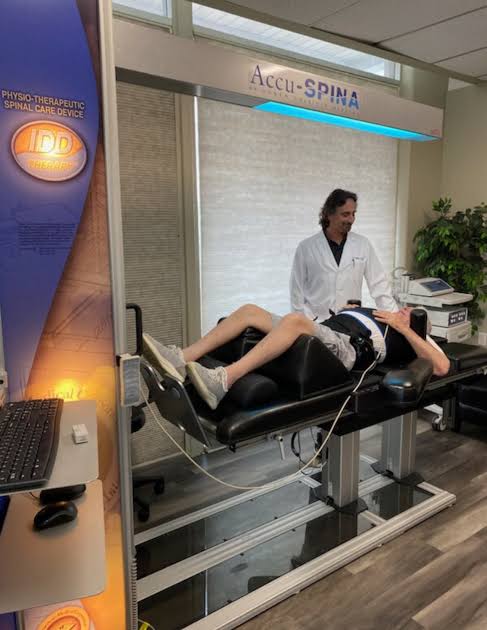
Choosing the right vein clinic is a major step toward safe, effective, and personalized care for vascular concerns. Factors such as provider qualifications and treatment options can influence the quality of care. Here’s a closer look at key factors to evaluate when choosing the right vein care clinic for your needs:

Identify Your Vein Care Needs

Your first step is to define what you want from treatment. Some patients seek relief from aching legs or swelling, while others want to reduce the appearance of bulging varicose veins or fine spider veins. Knowing your goal is key, and it influences the type of vein clinic you approach.

Different needs require different levels of care. Someone with venous ulcers may need a clinic with advanced medical services, while someone focused on cosmetic results may prioritize a place with a strong reputation for appearance-based care. Writing down your concerns gives you a helpful reference during consultations, and it keeps the conversation focused on what you truly need.

Explore Diagnostic and Treatment Options

Once you know your goals, look closely at what the vein clinic offers. Diagnostic tools reveal the source of a problem, and treatment options determine how the clinic addresses it. A clinic that offers a wide range of services can adapt as your situation changes over time. Here are some key factors to explore:

  • Diagnostic imaging: Ultrasound and similar tools help a provider map your veins and understand blood flow.
  • Range of treatments: Some clinics offer several methods for both medical and cosmetic concerns, and a comprehensive menu gives you flexibility.
  • Provider experience: Ask how long the team has treated vein conditions.
  • Follow-up care: A clinic that tracks your progress after treatment shows a commitment to your long-term results.

Review Accessibility and Insurance Coverage

Practical factors influence your experience just as much as clinical ones. A vein clinic near your home or workplace saves you time, and convenient hours make follow-up visits easier. When appointments fit your schedule, you are more likely to complete a full course of care.

Insurance coverage is another fundamental piece of the puzzle. Call your insurer and ask the clinic’s team direct questions. Clear answers upfront help you avoid surprises later. Accessibility also includes the physical space and how easy it is to book. Online scheduling and responsive staff reduce friction, and that convenience adds up over time.

Assess Communication and Patient Support

Strong communication signals a clinic that values its patients. A good team explains your options in plain language, answers your questions, and respects your time. The following signs point to reliable support:

  • Clear explanations: Providers describe conditions and options without heavy jargon, and they check that you understand.
  • Responsive staff: Quick replies to calls or messages suggest a well-run practice.
  • Respectful consultations: A team that welcomes your questions builds trust over time.

Visit a Vein Clinic Today

Choosing the right vein clinic requires reviewing clinical expertise and the quality of patient care. Look for qualified specialists, advanced treatment options, and a multidisciplinary approach to support comprehensive care. Clinics that provide thorough consultations and ongoing support often offer a positive experience. Contact a modern vein clinic in your area to schedule your appointment today.

  • Understanding Challenges in Geriatric Care and How To Address Them
  • How Sclerotherapy Is an Effective Solution for Treating Spider and Varicose Veins
  • Who Benefits From Ankle Replacement Surgery
  • Common Questions To Ask About Cataract Surgery
  • Discovering Unique Omegle Alternatives for Diverse Interactions
September 4, 2026 0 comments
0 FacebookTwitterPinterestEmail
Common Questions To Ask an Infertility Specialist
Blog

Common Questions To Ask an Infertility Specialist

by Richard September 3, 2026
written by Richard

Building a family does not follow the same timeline for everyone. For some people, months or years may pass without a pregnancy, prompting questions about what is happening and where to turn for answers. An infertility specialist is a physician who focuses on the reproductive systems of both men and women, and they help individuals and couples understand why conception has not occurred.

What May Cause Infertility?

Infertility can stem from a wide range of factors, and these factors affect either partner. More than one cause is present in some situations. In others, no single reason is identified. Among women, common contributing factors include:

  • Irregular or absent ovulation, which affects the release of eggs
  • Chronic conditions such as endometriosis, where tissue grows outside the uterus
  • Blocked or damaged fallopian tubes
  • Hormonal imbalances that disrupt the reproductive cycle
  • Age-related changes in egg quantity and quality

Among men, factors often relate to sperm health, including low sperm count, reduced movement, or shape irregularities. Hormonal conditions, past injuries, and certain medical treatments can also play a role. Lifestyle and general health may influence fertility for both partners. The causes vary, so a professional evaluation helps identify what applies to a given situation rather than relying on assumptions.

How Is It Treated?

Treatment depends on the underlying cause, and an infertility specialist tailors the approach to each person. After identifying likely factors, the physician discusses options that match the findings and the goals of the individual or couple. Intrauterine insemination (IUI) places prepared sperm directly into the uterus, while in vitro fertilization (IVF) combines eggs and sperm in a laboratory before transferring an embryo. These methods offer paths forward when simpler treatments have not produced results or when the underlying cause calls for them. The plan can be adjusted over time as new information emerges from testing and monitoring.

What Does It Involve?

The process may begin with a detailed review of medical history for both partners. Your specialist can ask about menstrual cycles, past pregnancies, surgeries, and general health, along with any relevant family history. Testing follows to gather more specific information, and common steps may include:

  • Bloodwork to measure hormone levels and check ovulation
  • Imaging to examine the uterus and ovaries
  • Semen analysis to assess sperm count, movement, and shape

Once results are available, the specialist reviews them with the patient, and they can outline possible next steps. If treatment moves forward, monitoring often continues throughout the process. This may involve follow-up appointments, repeat testing, and adjustments to medication or timing.

The pace of care varies. Some people find answers quickly, and others move through several stages before a clear plan takes shape. Open communication with the specialist helps keep expectations realistic at each point, as methods and outcomes adjust over time.

Speak With an Infertility Specialist

Learning about the possible causes and treatments for infertility can make the path ahead feel more manageable. A specialist brings focused knowledge to a topic that involves many variables, and they work to match care to each person’s circumstances. Early evaluation gives you a fuller understanding of your situation and the range of choices available, allowing you to plan your next steps with better information.

  • Understanding Challenges in Geriatric Care and How To Address Them
  • How Sclerotherapy Is an Effective Solution for Treating Spider and Varicose Veins
  • Who Benefits From Ankle Replacement Surgery
  • Common Questions To Ask About Cataract Surgery
  • Discovering Unique Omegle Alternatives for Diverse Interactions

September 3, 2026 0 comments
0 FacebookTwitterPinterestEmail
Preparation and Recovery Involved in Disc Replacement Surgery
Blog

Preparation and Recovery Involved in Disc Replacement Surgery

by Richard September 3, 2026
written by Richard

Disc replacement surgery replaces a damaged spinal disc with an artificial one, and surgeons use this procedure when a worn disc causes ongoing back or neck pain. The operation aims to restore movement, and it works differently from spinal fusion. If you are weighing this option, you likely want to know what happens before and after the procedure. Here are some preparation steps, the recovery timeline, and factors that shape your experience:

Surgery Preparation

Your team reviews your health history before disc replacement surgery. They may order imaging tests, and they use those scans to map the affected disc. As each spine differs, your surgeon tailors the plan to your anatomy. Blood work and a physical exam round out this early stage.

You will receive instructions in the days leading up to surgery. Arrange a ride home ahead of time. Stopping certain medications matters, and your doctor tells you which ones to pause. Since anesthesia requires an empty stomach, you fast for several hours beforehand. 

To help, a few practical steps make the day smoother. Surgery requires delicate care, so follow your doctor’s instructions closely, and don’t hesitate to ask questions about any concerns you may have. Preparing your home now with these steps reduces problems after you return:

  • Set up a rest area on the ground floor
  • Stock easy meals and clean water
  • Place daily items within arm’s reach
  • Confirm your transportation to the clinic

Surgery Recovery

Recovery starts in the hospital right after the operation. Nurses monitor your vital signs, and they help you stand within a day. Since early movement supports healing, staff encourage short walks. Most patients stay one to three nights.

The first weeks at home call for measured activity. Pain medication helps you stay comfortable during this window. You avoid heavy lifting, and you follow limits on bending or twisting. As tissues need time to settle, your surgeon sets a gradual schedule. 

Physical therapy typically begins a few weeks in. A therapist guides your exercises, and those sessions rebuild strength. Since progress varies, your therapist adjusts each plan to your pace. Full recovery may take several months.

Key Factors

Several elements influence how your body responds. Age plays a role, and overall fitness shapes the pace of healing. Since smoking may slow tissue repair, surgeons may ask patients to quit first, and your commitment to therapy affects the outcome too.

Following medical guidance keeps recovery on track. Watch for warning signs during this period, which may include:

  • Fever that gets high
  • Redness or drainage at the incision
  • Numbness that spreads or worsens
  • Pain that medication does not ease

Report any of these to your care team promptly; steady communication with your surgeon supports a safer process.

Schedule Disc Replacement Surgery

Disc replacement surgery involves careful planning and a structured recovery. You prepare your body and home beforehand, and you follow a paced return to activity afterward. As each spine differs, your surgeon builds a plan around your needs, and understanding these steps helps you approach the process with clear expectations. Contact a neurosurgery clinic today to schedule a consultation and discuss your next steps.

  • Understanding Challenges in Geriatric Care and How To Address Them
  • How Sclerotherapy Is an Effective Solution for Treating Spider and Varicose Veins
  • Who Benefits From Ankle Replacement Surgery
  • Common Questions To Ask About Cataract Surgery
  • Discovering Unique Omegle Alternatives for Diverse Interactions

September 3, 2026 0 comments
0 FacebookTwitterPinterestEmail
Creating Personalized Medication Management Plans
Blog

Creating Personalized Medication Management Plans

by Richard September 3, 2026
written by Richard

Effective psychiatric care requires a treatment approach that reflects each patient’s symptoms, medical history, lifestyle, and response to medication. Personalized medication management helps healthcare providers choose appropriate medications and adjust treatment as needed. Here are the key steps involved in creating a personalized medication management plan:

Assessing Symptoms and History

The first step in medication management is a thorough assessment that lays the groundwork for everything that follows. Your provider asks about your symptoms, how long they have lasted, and how they affect your routine. They also review your medical history, past treatments, and any medications you currently take. Family history matters too; your provider may ask whether relatives have faced similar conditions. Honest answers help your provider avoid choices that may cause problems.

Selecting the Right Medication

Once the assessment is complete, your provider works with you to choose a suitable medication. This decision balances your symptoms, your history, and your personal goals. Here are some areas that deserve close attention during this stage.

Matching Medication to Symptoms

Different medications target different symptoms, and your provider selects one that fits your specific needs. They review how each option may help while keeping your daily life in mind. A medication that suits one condition may not suit another, so precision guides every choice.

Contemplating Dosage

Dosage and timing play a large role in how a medication works for you. Your provider often begins with a lower dose, then adjusts it based on your response. These details are fundamental, and they help make sure the plan supports your routine.

Monitoring Progress and Effects

After you start a medication, your provider closely tracks your progress as part of medication management. This ongoing check helps them decide whether the treatment is working and whether there are any side effects. Regular follow-ups keep the plan on course, and they give you a chance to share updates. Here are key things your provider reviews during check-ins:

  • Tracking symptom changes: Your provider notes whether your symptoms improve, stay the same, or change.
  • Watching for side effects: Some medications cause reactions, so your provider asks about any new effects or changes.
  • Reviewing daily function: Your provider checks how the treatment affects sleep, appetite, focus, and mood.
  • Adjusting as needed: If something is not working, your provider makes changes to keep the treatment aligned with your needs.

Adjusting Treatment as Needed

Your needs can change over time, and a good medication plan adapts with you. Life events, age, and new symptoms may call for adjustments. Your provider reviews your progress and updates the medication management plan to keep it effective. Open communication makes these adjustments smooth, and it helps your provider respond quickly. Your provider may change a dose, switch a medication, or add support based on what you report. Each update aims to keep your treatment safe and well matched to your life.

Schedule Your Medication Management Appointment

Managing medications offers patients a personalized approach to better mental health support. The process involves an assessment, medication selection, and consistent monitoring. Adjustments are an integral part of this process, allowing for ongoing refinement to support your well-being. Contact a qualified psychiatrist near you to schedule your medication management appointment today.

  • Understanding Challenges in Geriatric Care and How To Address Them
  • How Sclerotherapy Is an Effective Solution for Treating Spider and Varicose Veins
  • Who Benefits From Ankle Replacement Surgery
  • Common Questions To Ask About Cataract Surgery
  • Discovering Unique Omegle Alternatives for Diverse Interactions

September 3, 2026 0 comments
0 FacebookTwitterPinterestEmail
Innovative Treatments in Orthopedics for Joint Pain Relief
Blog

Innovative Treatments in Orthopedics for Joint Pain Relief

by Richard September 3, 2026
written by Richard

Orthopedics is the branch of medicine that focuses on your bones, joints, muscles, and connective tissue, and new methods now target pain more precisely. Doctors in this field treat everything from sports injuries to arthritis.  If you live with stiff knees or aching hips, these options might interest you. Here are some innovative pain management treatments in orthopedics:

Platelet-rich Plasma

Platelet-rich plasma (PRP) uses a small sample of your own blood, and it is useful for healing. A technician spins the sample in a machine to separate the platelets, which hold growth factors. This concentrated fluid then goes back into the joint that troubles you.

Doctors in orthopedics may study PRP for knees, shoulders, and elbows. The process is quick, and sessions typically are quick. Since it uses your own blood, PRP carries a low risk of allergic reaction. 

Arthroscopic Techniques

Arthroscopy lets surgeons look inside a joint through tiny cuts, and they use a thin camera to guide the work. The small size of these incisions means less tissue disruption during the procedure. In many cases, you can go home the same day. Surgeons use arthroscopy for several joint problems, including:

  • Torn cartilage in the knee
  • Damaged ligaments
  • Inflamed joint lining
  • Loose bone fragments

Recovery time varies by person, and your care team will explain what to expect. Since the tools are small, the surgeon works with careful precision. Follow-up visits track how your joint heals.

Computer-assisted Robotic Surgery

Robotic systems help surgeons plan and perform joint replacements with detailed imaging. To do this, the computer builds a 3D model of your joint before the operation begins. This model guides each cut, and the surgeon stays in control the whole time.

Robotic assistance is helpful in hip and knee replacements. The technology maps your anatomy, so the implant fits your specific joint. For some patients, your surgeon reviews the plan with you beforehand.

Robotic surgery improves precision and enhances outcomes for many patients. It allows for smaller incisions and less tissue damage, which can lead to quicker recovery times. While the robotic system assists in creating a customized surgical plan, the surgeon remains fully in charge, and this helps to make sure the procedure is tailored to the patient’s unique needs.

Targeted Stem Cell Injections

Stem cell therapy draws cells from your bone marrow or fat tissue. A doctor then injects these cells into the damaged area, and imaging tools guide the needle placement. To learn more, doctors continue to explore how these cells behave in joints.

This approach appeals to people who want to delay or avoid larger surgery. The injection itself takes little time, though preparation adds a few extra steps. Ask your provider whether you qualify for this treatment. Before you choose stem cell injections, gather clear details:

  • The source of the cells used
  • The number of sessions planned
  • The credentials of the treating doctor
  • The recovery guidelines afterward

Find Orthopedics Near You

Joint pain affects how you move, work, and rest each day, but talking with a qualified orthopedic specialist gives you accurate information about your options. A good provider reviews your history, examines the joint, and explains each treatment in plain terms. Search for a local clinic with trained, experienced staff and strong patient reviews. Schedule a consultation today, and bring a list of questions about your symptoms and goals. 

  • Understanding Challenges in Geriatric Care and How To Address Them
  • How Sclerotherapy Is an Effective Solution for Treating Spider and Varicose Veins
  • Who Benefits From Ankle Replacement Surgery
  • Common Questions To Ask About Cataract Surgery
  • Discovering Unique Omegle Alternatives for Diverse Interactions

September 3, 2026 0 comments
0 FacebookTwitterPinterestEmail
Exploring the Benefits of Plastic Surgery
Blog

Exploring the Benefits of Plastic Surgery

by Richard September 3, 2026
written by Richard

Plastic surgery includes cosmetic and reconstructive procedures that address different aspects of appearance, body contouring, and physical function. Available procedures vary according to individual concerns, medical history, anatomy, and personal treatment goals. Understanding the different types of plastic procedures provides useful information for people exploring surgical options and preparing for a consultation. Here are a few of the benefits of plastic surgery: 

Restoring Physical Features

Plastic surgery includes procedures that alter or reshape specific facial and body features according to individual cosmetic goals. Rhinoplasty addresses the size or shape of the nose, while facelift surgery focuses on visible changes associated with facial aging. Breast augmentation and Brazilian butt lift procedures address volume, shape, and body proportions through different surgical techniques.

Body contouring procedures focus on areas affected by localized fat, excess skin, pregnancy, aging, or significant weight changes. A tummy tuck addresses excess abdominal skin and changes in the abdominal wall, while liposuction removes localized fat deposits. Total body lift procedures address excess skin across multiple body areas, particularly following substantial changes in body weight.

Improving Bodily Function

Some plastic surgery procedures address physical concerns in addition to changes in appearance. Breast reduction removes breast tissue and skin to alter breast size and proportions. The procedure is also associated with concerns involving physical discomfort related to breast size.

Blepharoplasty removes or repositions excess tissue around the eyelids as part of eyelid surgery. In some cases, excess upper eyelid skin extends into the visual field and becomes part of the surgical evaluation. Treatment planning depends on eyelid anatomy, symptoms, medical history, and individual goals.

Other procedures address concerns related to previous surgery, tissue development, or structural characteristics. Breast implant revision addresses existing implants, while gynecomastia surgery focuses on excess male breast tissue. Otoplasty alters the shape, position, or proportions of the ears according to the individual treatment plan.

Supporting Overall Wellness

Plastic surgery sometimes forms part of a broader approach that includes services beyond cosmetic procedures. Weight management and hormone replacement therapy are among the additional options associated with individual health and aesthetic goals. Patient education also provides information about surgical procedures, preparation, recovery, and available treatment options. A consultation allows patients to ask questions and discuss how different services relate to their individual goals and circumstances.

Choosing a Skilled Surgeon

Selecting a surgeon involves reviewing professional qualifications, training, communication style, and experience with specific procedures. Board certifications provide information about a surgeon’s education, examinations, and professional standards within designated specialties. During the selection process, patients often review several factors:

  • Board certification for information about professional credentials and specialty training
  • Surgical experience for background with specific cosmetic or reconstructive procedures
  • Patient reviews for perspectives about communication, office interactions, and previous experiences
  • Consultation approach for opportunities to discuss goals, questions, procedures, and recovery expectations

A consultation also provides time to review treatment options and discuss how a surgeon approaches individualized care.

Schedule Your Plastic Surgery Consultation 

Plastic surgery includes a range of cosmetic and reconstructive procedures based on individual needs and aesthetic goals. Treatment planning involves reviewing medical history, anatomy, procedure options, and expectations for recovery. A consultation provides an opportunity to ask questions and learn about available surgical approaches. Schedule a plastic surgery consultation today to discuss your aesthetic goals and available treatment options.

  • Understanding Challenges in Geriatric Care and How To Address Them
  • How Sclerotherapy Is an Effective Solution for Treating Spider and Varicose Veins
  • Who Benefits From Ankle Replacement Surgery
  • Common Questions To Ask About Cataract Surgery
  • Discovering Unique Omegle Alternatives for Diverse Interactions

September 3, 2026 0 comments
0 FacebookTwitterPinterestEmail
Newer Posts
Older Posts

Recent Posts

  • Understanding Challenges in Geriatric Care and How To Address Them
  • How Sclerotherapy Is an Effective Solution for Treating Spider and Varicose Veins
  • Who Benefits From Ankle Replacement Surgery
  • Common Questions To Ask About Cataract Surgery
  • Discovering Unique Omegle Alternatives for Diverse Interactions

Recent Comments

No comments to show.

Keep in touch

Facebook Twitter Instagram Pinterest Linkedin Youtube

Recent Posts

  • Understanding Challenges in Geriatric Care and How To Address Them

  • How Sclerotherapy Is an Effective Solution for Treating Spider and Varicose Veins

  • Who Benefits From Ankle Replacement Surgery

  • Common Questions To Ask About Cataract Surgery

  • Discovering Unique Omegle Alternatives for Diverse Interactions

  • Exploring the Benefits of Plastic Surgery

Newsletter

Categories

  • Allergy & Immunology (3)
  • Blog (78)
  • Cardiology (4)
  • Chiropractic Care (1)
  • Dentistry (14)
  • Elderly Care (2)
  • ENT (1)
  • Gynecology (9)
  • Ophthalmology (2)
  • Pain Management (5)
  • Pediatric Care (1)
  • Physical Therapy (2)
  • Podiatry (10)
  • Primary Care (2)
  • Sexual Health (1)
  • Sleep Health (1)
  • Urgent Care (2)
  • Urology (3)
  • Weight Management (1)
  • Women's Health (3)
Gizmocrunch.com
  • Gizmocrunch.com
  • About Us
  • Privacy Policy
  • Contact Us
Ryantylerofficial91@gmail.com
  • Categories
    • Cardiology
    • Dentistry
    • Elderly Care
    • Gynecology
    • Urology
    • Blog HOT
    • Podiatry hot
Editors' Picks
Understanding Challenges in Geriatric Care and How To Address...
How Sclerotherapy Is an Effective Solution for Treating Spider...

@2026 – All Right Reserved. Gizmocrunchs.com

Facebook-f Twitter Youtube Tiktok Linkedin-in
gizmocrunchs.com
  • Cardiology
  • Dentistry
  • Elderly Care
gizmocrunchs.com
  • Gynecology
  • Urology
  • Blog
    • Pain Management
    • Podiatry
    • Nutrition
    • Women’s Health
    • Internal Medicine
    • Primary Care