
• Cardiology
  • Dentistry
  • Elderly Care
gizmocrunchs.com
  • Gynecology
  • Urology
  • Blog
    • Pain Management
    • Podiatry
    • Nutrition
    • Women’s Health
    • Internal Medicine
    • Primary Care
Category:

Blog

The Rehabilitation Journey Following Elbow Surgery
Blog

The Rehabilitation Journey Following Elbow Surgery

by Richard September 12, 2026
written by Richard

The elbow is a joint that connects the upper arm to the forearm, and it allows you to bend, straighten, and rotate your arm. When injury, wear, or disease affects this joint, everyday tasks like lifting, gripping, or reaching can become difficult. Elbow surgery is one option that healthcare providers may discuss when other treatments no longer bring relief.

What Is Elbow Surgery?

Elbow surgery refers to a group of procedures designed to repair, replace, or improve the function of the elbow joint. The joint is made up of three bones, along with ligaments, tendons, cartilage, and muscles that work together to support movement. Damage to any of these structures can lead to pain, stiffness, weakness, or a limited range of motion. Surgeons may recommend an operation after non-surgical approaches, such as rest, physical therapy, or medication, have been tried. The goal of surgery is generally to reduce discomfort, and it can restore movement so that people are able to return to their regular activities. Each procedure is planned around the specific condition affecting the joint, the person’s overall health, and their daily needs.

What Are the Types?

Elbow surgery covers a range of procedures. The right approach depends on the underlying issue, whether it stems from an injury, a chronic condition, or long-term joint wear. There are several common types of methods, and these include:

  • Arthroscopy: Using a thin instrument with a camera, a surgeon can view the inside of the joint and treat problems through small openings.
  • Fracture Repair: A broken elbow may need surgery to align the bones and hold them in place.
  • Ligament Reconstruction: Ligaments that have been torn or stretched can be repaired or rebuilt via surgical means.
  • Joint Replacement: In cases of severe arthritis or extensive damage, part or all of the elbow joint may be replaced with an artificial component.
  • Nerve Release: Pressure on nerves near the elbow, such as the ulnar nerve, can cause numbness or tingling, and surgery is able to relieve that pressure.

The type of procedure recommended will typically be based on an examination and imaging tests that give the surgical team a clear picture of the joint.

What Does Rehabilitation Involve?

Recovery is a central part of the surgical process. After an operation, the elbow often needs time to heal before normal use resumes. Rehabilitation is designed to rebuild strength, restore motion, and support the tissues as they recover. In the early stages, the arm may be placed in a sling to protect the joint. Managing swelling and discomfort is typically part of this initial phase, and a care team can provide guidance on how to rest the arm while gradually reintroducing gentle movement.

As healing progresses, physical therapy usually becomes a regular part of the routine. A therapist will guide you through exercises that may improve flexibility, and they aim to slowly rebuild muscle strength. The length of rehabilitation varies from person to person. Following the instructions given by your care team supports a smoother return to daily activities.

Confer With an Orthopedic Surgeon

Elbow surgery covers many procedures, and each is suited to a particular condition or injury. Because the joint plays a role in arm movement, decisions about treatment benefit from professional guidance. An orthopedic surgeon will evaluate the joint, explain the available options, and outline what a personalized recovery might look like.

  • Understanding Challenges in Geriatric Care and How To Address Them
  • How Sclerotherapy Is an Effective Solution for Treating Spider and Varicose Veins
  • Who Benefits From Ankle Replacement Surgery
  • Common Questions To Ask About Cataract Surgery
  • Discovering Unique Omegle Alternatives for Diverse Interactions

September 12, 2026 0 comments
0 FacebookTwitterPinterestEmail
Comprehensive Approaches to Knee Pain Treatment
Blog

Comprehensive Approaches to Knee Pain Treatment

by Richard September 11, 2026
written by Richard

Knee pain can slow down your day and disrupt simple routines. Treatment options range from gentle therapy to surgery, and the right choice depends on your diagnosis. When you know what each approach involves, you are more prepared to talk with a provider. Here is more information on some of the comprehensive methods for knee pain treatment:

Physical Therapy

Physical therapy uses guided movement to build strength around the joint. A therapist designs exercises for your needs, and each session targets specific muscles. Since the knee relies on surrounding support, stronger muscles can help reduce strain.

Sessions usually blend stretching, resistance work, and balance drills. You practice these motions with supervision, and your therapist adjusts the plan over time. When you follow the knee pain treatment routine at home, progress tends to build steadily. A typical program might include:

  • Gentle range-of-motion stretches
  • Light resistance exercises
  • Consistent balance and stability training

Your therapist explains each step clearly. Since home exercises reinforce clinic work, many patients stay engaged between visits. Progress varies from person to person, but consistent practice supports recovery. 

Cold Laser Therapy

Cold laser therapy applies low-level light to the affected tissue. The treatment is painless, and sessions are short. Since the light targets inflammation, some patients report less stiffness afterward.

A provider positions the device over your knee for several minutes. When you combine this with other methods, care teams track your response closely. You feel little sensation, and no downtime follows. This non-invasive option is ideal for those seeking relief without the need for medication or surgical intervention. These options are designed to provide targeted relief, helping patients resume daily activities with reduced discomfort.

Injected Medications

Injected medications deliver relief directly into the joint. Corticosteroids are used to reduce inflammation, and other injections target lubrication. Since the medicine works locally, effects typically appear within days. Injection types include:

  • Targeted corticosteroids for inflammation
  • Hyaluronic acid for joint cushioning
  • Platelet-rich plasma in select cases

A clinician reviews your history before recommending an option. When symptoms return, repeat treatment may be discussed. Each injection has specific timing, and your provider schedules follow-ups. 

Reconstructive Surgery

Reconstructive surgery repairs or replaces damaged structures. A surgeon evaluates imaging first, and the procedure depends on the damage found. Since surgery involves recovery time, providers usually explore other options beforehand.

Some patients need ligament repair, while others need partial or full joint replacement. When less invasive methods fall short, this route becomes an option. The surgeon outlines the approach, and you review the recovery timeline together. 

Recovery includes rest, therapy, and gradual return to activity. You follow a structured plan, and your care team monitors healing. Since rehabilitation shapes the outcome, most patients work closely with a physical therapist afterward.

Schedule Knee Pain Treatment

Knee pain has many causes, and each pain management approach suits a different situation. Physical therapy, injections, and surgery all address distinct needs. When you understand the choices, the next conversation with a provider feels clearer. Walk in or book online today, and let a medical team assess your knee pain; you get straightforward answers, and they help you plan the next move.

  • Understanding Challenges in Geriatric Care and How To Address Them
  • How Sclerotherapy Is an Effective Solution for Treating Spider and Varicose Veins
  • Who Benefits From Ankle Replacement Surgery
  • Common Questions To Ask About Cataract Surgery
  • Discovering Unique Omegle Alternatives for Diverse Interactions
September 11, 2026 0 comments
0 FacebookTwitterPinterestEmail
Understanding the Risks and Benefits of Eye Surgery
Blog

Understanding the Risks and Benefits of Eye Surgery

by Richard September 10, 2026
written by Richard

Your eyes support many functions of daily life. When vision changes or eye discomfort appears, people may turn to a specialist for guidance. Eye surgeons are medical doctors who focus on the health of the eyes and the structures around them. They diagnose eye conditions, and they perform procedures when surgery is the right path forward.

What Is Eye Surgery?

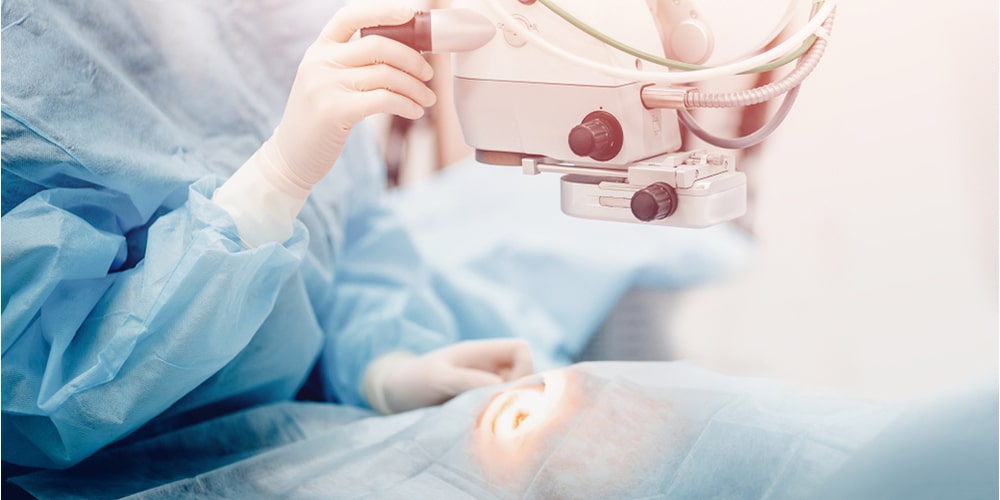
Eye surgery refers to a medical procedure performed on the eye or the tissues surrounding it. These procedures range from brief outpatient treatments to more involved operations, but this depends on the condition being addressed. Many eye surgeries are precise and focused, since the eye is a small and delicate organ.

Surgeons can use specialized microscopes, lasers, and fine instruments to work with accuracy. Some procedures aim to restore clearer vision, and others focus on protecting eye health or repairing damage. Before any procedure, an eye surgeon may perform a detailed examination and discuss the recommended approach. Recovery times vary.

What Can It Treat?

Eye surgeons, often called ophthalmologists, care for a wide range of eye and vision concerns. Some of these conditions develop slowly with age, and others may appear after an injury or as part of another health issue. Common conditions eye surgeons address include cataracts, which cause a clouding of the eye’s natural lens that can blur vision over time, and glaucoma, a group of conditions linked to pressure inside the eye that affects the optic nerve. If you notice changes such as blurred vision, a specialist may help identify the cause and offer guidance.

What Are the Risks and Benefits?

Every medical procedure carries both potential benefits and possible risks, and eye surgery is no exception. Discussing these openly with a specialist helps you understand what to expect. When it comes to potential benefits, eye surgery may lead to clearer, more comfortable vision for certain conditions. For those dealing with specific eye conditions, surgery can bring relief from ongoing symptoms and help protect your long-term eye health when a condition would otherwise progress.

There are also risks to be aware of. During the healing process, it is common to experience some temporary dryness or irritation. As with any surgery, there is a possibility of infection. Vision can require further adjustment after the procedure, and outcomes occasionally differ from initial expectations.

Eye surgeons are trained to help minimize these risks, and they may support you through recovery. Before your procedure, your surgeon can review your eye health in detail to identify any factors that would affect your results. They may provide post-operative care instructions and schedule follow-up appointments to monitor your healing and address any concerns early. If additional adjustments are needed, your surgeon can recommend the appropriate next steps to help you reach the best possible outcome.

Consult With Eye Surgeons

Choosing to explore eye surgery is a decision that benefits from clear information and professional guidance. If you are experiencing vision changes or an ongoing eye concern, meeting with a specialist is a practical first step. A thorough evaluation gives you a clearer picture of your eye health and the treatments that may fit your needs, and this helps you to move forward with clarity.

  • Understanding Challenges in Geriatric Care and How To Address Them
  • How Sclerotherapy Is an Effective Solution for Treating Spider and Varicose Veins
  • Who Benefits From Ankle Replacement Surgery
  • Common Questions To Ask About Cataract Surgery
  • Discovering Unique Omegle Alternatives for Diverse Interactions

September 10, 2026 0 comments
0 FacebookTwitterPinterestEmail
Identifying BV Symptoms and When To Seek Medical Attention
Blog

Identifying BV Symptoms and When To Seek Medical Attention

by Richard September 10, 2026
written by Richard

Bacterial vaginosis (BV) happens when the natural balance of bacteria in the vagina shifts, and it causes several symptoms. Many people notice a few clear signs, and those signs tend to appear together. If you recognize BV symptoms early, you know when a quick visit makes sense. Here are some symptoms of this condition and when to seek help:

Gray Vaginal Discharge

A change in discharge color may be among the first BV symptoms women notice. Gray, white, or thin discharge points to a possible imbalance, and it may coat the vaginal walls. While normal discharge shifts throughout your cycle, track any change that lasts more than a couple of days.

The texture matters as much as the color. BV discharge tends to be thin and watery rather than thick. When the amount increases suddenly, that shift deserves attention, and you may want a professional opinion. Note when the change started so you can describe it clearly.

Strong Fishy Odor

Odor is one of the most recognizable signs of BV. A strong fishy smell typically grows stronger after sex, and it may feel hard to ignore. This smell comes from the bacteria involved. For some people, it’s more noticeable in the morning. Watch for these odor-related patterns:

  • A fishy scent that lingers after washing
  • A smell that intensifies after intercourse
  • An odor paired with unusual discharge

If the smell sticks around despite regular hygiene, that persistence is worth checking. Home washing does not fix the underlying imbalance, and heavily scented products may worsen irritation. A clinician can test a quick sample to confirm the cause.

Vaginal Irritation

Irritation with BV tends to feel mild compared with other infections. You might feel light itching, or you get a general sense of discomfort around the vaginal area. As not everyone with BV feels irritation, some people have discharge and odor without any itch at all.

When irritation shows up, it typically comes with the other signs already listed. Redness or swelling may appear, and these can indicate other conditions. If the itching grows worse or spreads, that change signals a need for evaluation. Track how long the discomfort lasts.

Timing matters when symptoms linger or worsen. If your discomfort lasts more than a few days, a quick evaluation makes sense, and the visit takes little time. Fever, severe pain, or spreading symptoms call for same-day attention; trust what your body tells you.

Burning Feeling During Urination

A burning feeling during urination sometimes accompanies BV. The sensation may feel mild, and it typically overlaps with symptoms of other conditions. Urinary burning also points to infections like a UTI. Since the causes overlap, testing helps sort out the source. Seek medical attention promptly if you notice any of these:

  • Fever alongside urinary discomfort
  • Pain in your lower back or side

Address BV Symptoms Today

BV symptoms typically cluster together, and recognizing the pattern helps you act. Any single sign might mean something else entirely. That overlap is exactly why a professional test gives you clarity. Visit your nearest urgent care center for a walk-in appointment, fast lab testing, and straightforward guidance from caring professionals. 

  • Understanding Challenges in Geriatric Care and How To Address Them
  • How Sclerotherapy Is an Effective Solution for Treating Spider and Varicose Veins
  • Who Benefits From Ankle Replacement Surgery
  • Common Questions To Ask About Cataract Surgery
  • Discovering Unique Omegle Alternatives for Diverse Interactions

September 10, 2026 0 comments
0 FacebookTwitterPinterestEmail
Gut Health and Its Connection to Overall Digestive Wellness
Blog

Gut Health and Its Connection to Overall Digestive Wellness

by Richard September 9, 2026
written by Richard

Your digestive health system processes food from the moment you chew and swallow. Food travels down your esophagus into your stomach, where acids break it down, and then nutrients move into your intestines. Your liver, pancreas, and gallbladder support this process, so gut health depends on many organs working together. When this system functions well, your body absorbs nutrients efficiently.

Foundational Tips for Gut Health

Gut health starts with the structure and function of your digestive health. Each organ has a role, and any disruption can affect how you process food. Consistent daily habits matter. Regular meal schedules synchronize your digestive system and make it more efficient at processing food. Incorporating moderate physical activity into your routine promotes bowel regularity and reduces digestive discomfort. Practices such as mindful eating and taking the time to chew food thoroughly can improve nutrient absorption and reduce bloating. On the other hand, factors like poor sleep, chronic stress, or eating at irregular intervals disrupt digestion, potentially leading to longer-term issues.

Accurate Digestive Health Assessments

These tests can highlight issues in how food moves from your esophagus to your stomach;

  • An upper endoscopy examines the esophagus, stomach, and upper small intestine to detect inflammation, ulcers, or abnormalities.
  • pH monitoring measures acid exposure in the esophagus and identifies acid-related conditions like GERD.
  • Esophageal manometry evaluates muscle contractions to diagnose swallowing or motility disorders.
  • A barium swallow X-ray tracks how food and liquid move, highlighting structural problems or reflux patterns.

Esophageal manometry evaluates muscle contractions within the esophagus, which is often used to identify motility disorders or swallowing difficulties. A barium swallow X-ray offers a different perspective, using imaging to observe how liquid or food travels through your esophagus and into other parts of your digestive system. It’s particularly helpful for identifying structural problems or reflux patterns. These tools not only pinpoint physical concerns but also help health providers establish a tailored care plan. By combining these results, your provider can assess your digestive system’s health and detect potential complications early. Accurate testing lays the groundwork for targeted treatments, so it aids a personalized approach to support your gut health.

Targeted Digestive Health Treatments

Treatment options range from lifestyle adjustments to targeted therapies. Lifestyle changes often begin with adopting a nutrient-rich diet: lean proteins, healthy fats, and fiber-rich fruits and vegetables. Reduce processed foods; prioritize home-cooked meals. This can support healthier digestion while improving overall health. 

Regular exercise promotes bowel regularity, and it can include walking and yoga. This often links to digestive discomfort. Managing stress with practices like meditation, deep breathing, or journaling can further support gut health. Making sure consistent sleep patterns also plays a role in regulating your digestive system. Patients often integrate these holistic approaches with conventional care under medical supervision.

Support Your Digestive Health

Gut health connects directly to your overall digestive wellness. Assessments identify the cause, and your treatments address it. A structured approach gives you the clearest path forward. Speak with a qualified provider soon, since you can review your options. Schedule the right tests, and you can build a plan suited to your needs. Take the first step toward informed digestive care today.

  • Understanding Challenges in Geriatric Care and How To Address Them
  • How Sclerotherapy Is an Effective Solution for Treating Spider and Varicose Veins
  • Who Benefits From Ankle Replacement Surgery
  • Common Questions To Ask About Cataract Surgery
  • Discovering Unique Omegle Alternatives for Diverse Interactions

September 9, 2026 0 comments
0 FacebookTwitterPinterestEmail
Exploring Women's Health Services
Blog

Exploring Women’s Health Services

by Richard September 9, 2026
written by Richard

Women’s health services focus on the reproductive, hormonal, and preventive needs of women and people assigned female at birth (AFAB). These services address reproductive health concerns that span from adolescence through the postmenopausal years. Many primary care facilities offer women’s health services alongside general medical care, so patients can often receive routine checkups, screenings, and specialized support in one location. This integrated approach helps people access consistent care without visiting multiple providers. Here’s more information on women’s healthcare and the benefits of these services:

Women’s Preventive Screenings

Preventive screenings help detect potential health changes before symptoms appear; common screenings in women’s health services include the following: A Pap smear is a quick test that collects cells from the cervix to check for abnormal changes. This test usually happens during a routine exam, and providers typically recommend it at set intervals based on age and previous results. 

Breast Cancer Screening

Breast cancer screening often involves a mammogram, which uses imaging to examine breast tissue. Providers determine the appropriate age to begin screening and how often to repeat it, based on individual risk factors and established guidelines. Some patients may also receive clinical breast exams as part of their routine care to check more regularly for signs of cancer.

Bone Density Scan

A bone density scan measures bone strength and density, which can be impacted during menopause. This screening is often recommended for postmenopausal patients or those with specific risk factors. Results help providers assess bone health over time and make timely management recommendations.

Women’s Annual Exams

Annual exams give women and AFAB individuals a regular opportunity to review their overall health with a doctor. These visits often include a physical assessment, a discussion of medical history, and a review of any new symptoms or concerns. Annual exams also support timely sexually transmitted infection (STI) testing. Regular testing helps providers identify infections early, which often supports more straightforward treatment decisions.

Providers may recommend testing based on age, sexual activity, or specific risk factors. These visits also give patients a chance to discuss urinary tract infections (UTIs) and other common reproductive health concerns. Many people experience recurrent UTIs, and annual exams offer a structured setting to address symptoms and determine management options. Providers can also discuss contraception, menstrual changes, and general reproductive wellness during the same appointment.

Women’s Symptom Management

During perimenopause, hormone levels begin to shift, and this transition can lead to irregular menstrual cycles, changes in sleep, and other physical changes. Menopause marks the point when menstrual cycles stop for twelve consecutive months. Women’s health services provide a setting to discuss these transitions with a provider. Patients can review ways to manage symptoms such as:

  • Hot Flashes
  • Mood Changes
  • Sleep Disruptions

Providers can explain available management approaches and help patients understand what to expect during each stage. Ongoing conversations allow patients to adjust their care as their needs change over time. Regular visits during this period also give providers a chance to monitor related aspects of health, including bone density and cardiovascular factors. This continued support helps patients stay informed throughout different life transitions.

Get Regular Women’s Health Services

From annual exams to preventive screenings, women’s healthcare services give patients a consistent way to monitor their health and address concerns as they arise. Regular visits let providers track changes over time, and this continuity can make it easier to respond to new symptoms. Whether you’re managing reproductive health concerns, scheduling routine screenings, or navigating menopause, a facility offering women’s services can help.

  • Understanding Challenges in Geriatric Care and How To Address Them
  • How Sclerotherapy Is an Effective Solution for Treating Spider and Varicose Veins
  • Who Benefits From Ankle Replacement Surgery
  • Common Questions To Ask About Cataract Surgery
  • Discovering Unique Omegle Alternatives for Diverse Interactions
September 9, 2026 0 comments
0 FacebookTwitterPinterestEmail
Exploring the Benefits of Hip Replacement Surgery
Blog

Exploring the Benefits of Hip Replacement Surgery

by Richard September 9, 2026
written by Richard

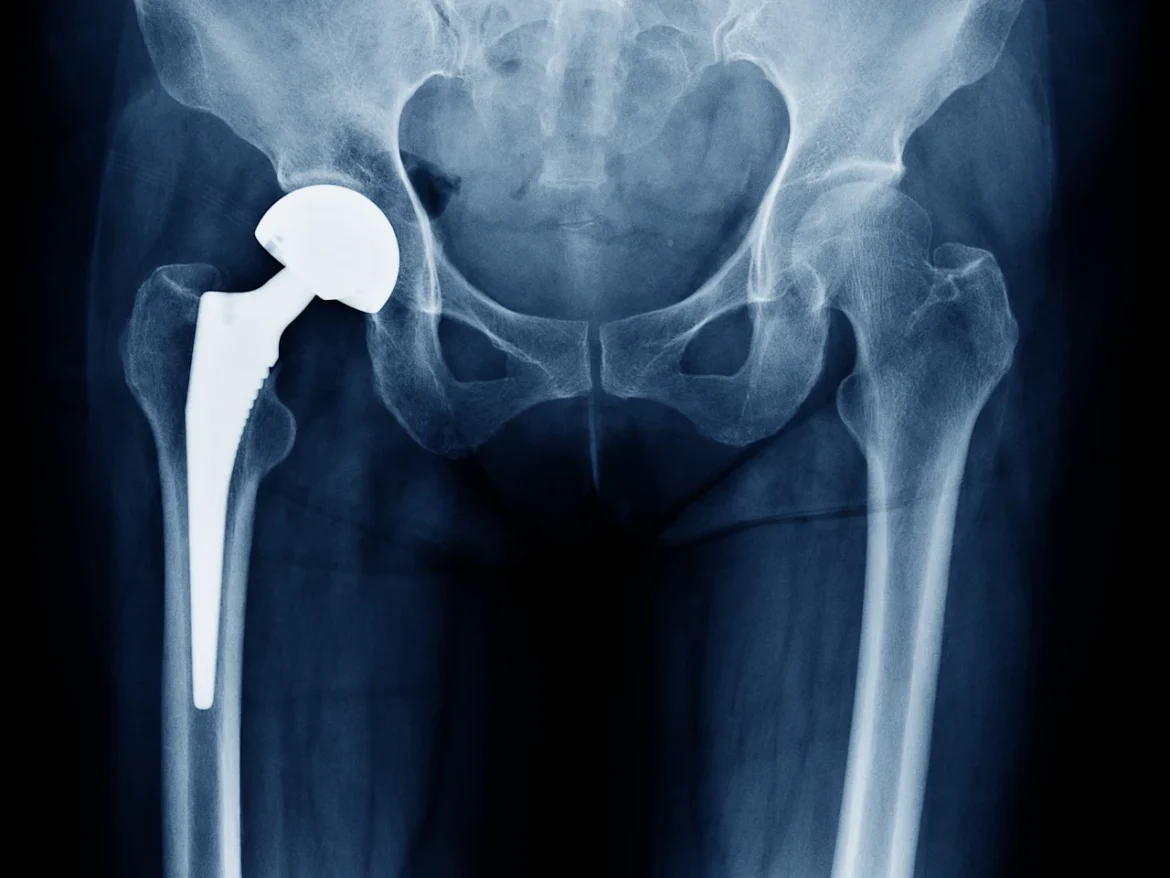
Hip replacement surgery removes a damaged hip joint, and many patients turn to it after other methods stop working. Surgeons replace it with an artificial implant, restoring movement to the joint. When arthritis or injury wears down the hip, this procedure offers a treatment path. Here are some of the benefits of getting hip replacement surgery:

Alleviated Pain

Damaged hip joints often cause daily pain. Bone grinds against bone, and this friction leads to sharp discomfort. Since the hip replacement replaces worn cartilage, the source of the pain goes away. Patients typically find a reduced reliance on pain medication.

The procedure not only restores mobility but also significantly improves the patient’s overall quality of life. Pain relief is immediate for many, and they can return to basic activities like walking within weeks. While recovery does take time and effort, patients typically find the benefits far outweigh the challenges.

Long-term Solution

Modern hip implants last many years. Manufacturers use durable materials, and these materials resist wear over time. When the implant fits well, it functions reliably for a long period, and regular check-ups track its condition. Doctors review your case, and they explain what results the implant may provide. The procedure addresses several joint problems, including:

  • Worn cartilage from years of daily use
  • Advanced bone damage caused by injury or fractures
  • Chronic stiffness that limits movement

Restored Function

A stiff hip limits how you move each day. Surgery replaces the damaged joint, and the new implant restores range of motion. When the joint moves freely again, everyday tasks become easier. You walk, bend, and climb stairs with less strain.

Recovery follows a structured plan. Physical therapy rebuilds the muscles around the hip, and this supports the new joint. Steady effort matters here. Since progress happens in stages, you regain function gradually over weeks. 

Many patients return to activities they had set aside. As the hip supports weight again, walking distances grow longer. Low-impact exercise becomes possible, and this keeps the joint healthy. Your mobility improves step by step.

Effective for Osteoarthritis

Osteoarthritis breaks down cartilage in the hip. The joint becomes painful, and movement becomes restricted over time. As medication only manages symptoms, many patients look toward surgery. Replacement targets the root of the problem. Doctors may recommend this option after weighing several factors:

  • Severity of the joint damage
  • Age and overall health of the patient
  • Response to earlier, non-surgical treatments

When conservative treatments no longer help, surgery becomes a practical choice. The implant replaces the arthritic joint, and this removes the damaged surface entirely. Your surgeon reviews the imaging first. That review guides the plan.

Book a Hip Replacement Consultation

A consultation helps you understand your options, so the surgeon examines your hip, and this exam clarifies the extent of the damage. Since every case differs, the recommendation reflects your specific situation. Bring your questions to the appointment, and the team reviews your medical history and explains the procedure in plain terms. When you are ready, book a consultation to discuss your hip health today, and call the clinic to schedule your visit.

  • Understanding Challenges in Geriatric Care and How To Address Them
  • How Sclerotherapy Is an Effective Solution for Treating Spider and Varicose Veins
  • Who Benefits From Ankle Replacement Surgery
  • Common Questions To Ask About Cataract Surgery
  • Discovering Unique Omegle Alternatives for Diverse Interactions
September 9, 2026 0 comments
0 FacebookTwitterPinterestEmail
Signs of Arthritis and the Available Treatments
Blog

Signs of Arthritis and the Available Treatments

by Richard September 9, 2026
written by Richard

Arthritis causes joint pain, stiffness, swelling, and reduced movement that may interfere with daily activities. Symptoms and severity vary based on the type of arthritis and the joints affected. Here is a closer look at the signs of arthritis and the available treatments:

Common Signs and Symptoms

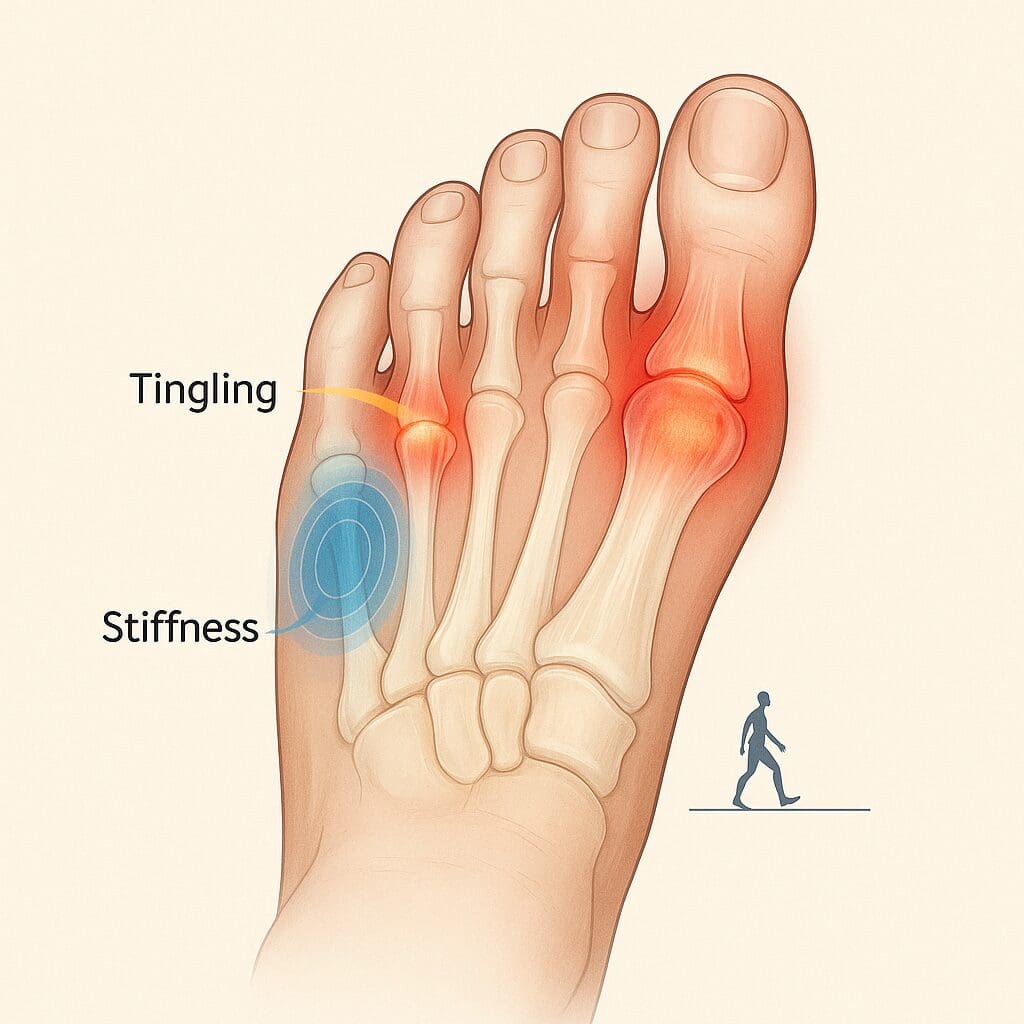
Arthritis in the lower limbs often develops gradually. Some people experience discomfort after activity, though symptoms can also appear at rest. Paying attention to these changes is key, and tracking them helps your provider create an accurate picture. Here are some common signs that adults with foot or ankle arthritis commonly experience:

  • Joint pain: Aching or sharp pain in the toes, foot, or ankle that may worsen with movement.
  • Stiffness: Reduced flexibility, often noticeable in the morning or after sitting for long periods.
  • Swelling: Puffiness around a joint that can make shoes feel tight.
  • Tenderness: Sensitivity when you press on or touch the affected area.
  • Reduced movement: Difficulty bending the toes or ankle, which can change how you walk.

Medical Evaluation and Diagnosis

A thorough diagnosis begins with a conversation about your symptoms; your provider will ask when the pain began. They examine the joint, check your range of motion, and note any swelling or tenderness. This hands-on review is fundamental and often points to the type of arthritis involved. 

Imaging tools add detail to the diagnostic process; X-rays remain a common first step. These scans show joint spacing, bone changes, and alignment, and they help confirm the pattern of wear. Your provider may request blood tests to rule out other conditions. 

Nonsurgical Treatment Options

People often start with nonsurgical care for arthritis, which aims to reduce pain and protect movement. Your provider will tailor the approach to your joints, your activity level, and your goals. Changes often deliver noticeable results, though the timeline varies from person to person.

Lifestyle Adjustments and Support Devices

Daily changes can ease pressure on your joints, and they support long-term comfort. Supportive footwear cushions each step, while custom orthotics redistribute weight across the foot. Braces and shoe inserts add stability, and they can reduce strain during walking. Weight management also reduces the load on your feet and may slow the progression of joint wear.

Medication and Physical Therapy

Your provider may recommend medication, such as topical creams and oral tablets, to manage pain and swelling. Physical therapy strengthens the muscles around the joint, and it improves flexibility over time. A therapist guides you through targeted exercises and adjusts the routine as you progress.

Surgical Treatment Options

Surgery becomes a topic when nonsurgical methods no longer control your symptoms. Your provider will contemplate this approach only after reviewing your daily limitations and imaging results. Several procedures exist, and the right choice depends on which joint is affected and how far the damage has progressed.

A surgeon explains the goals and recovery expectations, and this discussion helps you make an informed decision. Some procedures remove inflamed tissue or bone spurs, targeting specific problem areas. Recovery timelines vary by procedure, and your care team will outline what to expect at each stage.

Schedule Your Arthritis Evaluation Today

Arthritis in the feet, toes, and ankles produces clear signs, and early attention can make a difference. A structured evaluation identifies the type of arthritis, and it guides you toward the right combination of care. Nonsurgical options such as supportive devices, medication, and physical therapy help some people, while surgical procedures address advanced cases. Contact a qualified arthritis near you to schedule your arthritis evaluation today.

  • Understanding Challenges in Geriatric Care and How To Address Them
  • How Sclerotherapy Is an Effective Solution for Treating Spider and Varicose Veins
  • Who Benefits From Ankle Replacement Surgery
  • Common Questions To Ask About Cataract Surgery
  • Discovering Unique Omegle Alternatives for Diverse Interactions

September 9, 2026 0 comments
0 FacebookTwitterPinterestEmail
Advantages of Scheduling With an Endoncrinologist
Blog

Advantages of Scheduling With an Endoncrinologist

by Richard September 8, 2026
written by Richard

The human body relies on a network of chemical messengers to keep several functions running smoothly. These messengers are known as hormones, and they influence everything from how you grow to how you manage energy. When this system falls out of balance, symptoms can appear that affect daily life. Endocrinology is the branch of medicine that focuses on these hormones and the glands that produce them.

What Is Endocrinology?

Endocrinology is the medical study of the endocrine system. This system involves a collection of glands that release hormones directly into the bloodstream, including the thyroid, the adrenal glands, the pituitary gland, and the reproductive organs. Each one produces specific hormones, and they travel throughout the body to regulate different processes.

Hormones act like signals, telling organs and tissues when to speed up, slow down, or make a change. They help control body temperature, mood, sleep, and the way food converts into energy. A physician who specializes in this area is called an endocrinologist. These doctors diagnose and manage conditions that stem from hormone imbalances, whether a gland produces too much or too little of a particular hormone. Because hormones affect so many systems at once, the field connects with many other areas of medicine.

What Does It Address?

Endocrinology covers a wide range of conditions tied to hormonal function. A common one is diabetes, which is a condition that affects how the body manages blood sugar. Endocrinologists help patients understand and monitor their glucose levels, and they can support them in maintaining daily balance.

Thyroid disorders also fall within this specialty. The thyroid gland controls metabolism, and problems may arise when it becomes overactive or underactive. Both situations can lead to noticeable changes, such as in weight, energy, and mood. Specialists evaluate these patterns and guide patients toward appropriate management.

Other areas the field addresses include:

  • Metabolic conditions, such as issues involving body weight
  • Bone-related concerns, including osteoporosis
  • Adrenal disorders, which affect stress hormones and blood pressure
  • Pituitary conditions, since this gland directs many other glands
  • Reproductive and growth-related concerns, including issues linked to fertility

An endocrinologist looks beyond individual symptoms to identify the underlying cause within the hormonal system.

What Are the Benefits?

Working with a specialist offers several practical advantages. The endocrine system is complex, and its conditions can overlap. An endocrinologist brings focused knowledge to these situations, being able to distinguish between conditions that share similar signs.

A specialist may use targeted testing to measure hormone levels accurately. This helps clarify what is happening inside the body, and it can support future treatment. With that information, an endocrinologist may develop a management plan suited to each individual rather than a general approach.

Ongoing care is another benefit. Some hormonal conditions are long-term, and they require regular monitoring. A specialist can track changes over time, allowing them to adjust plans as needed and help patients stay informed about their progress.

Meet With an Endocrinologist

Hormonal health touches many parts of daily life, and its influences range from energy and sleep to metabolism and long-term wellness. When symptoms suggest an imbalance, a specialist can provide the focused attention these conditions call for. Early evaluation gives you an understanding of your body and the factors shaping how you feel.

  • Understanding Challenges in Geriatric Care and How To Address Them
  • How Sclerotherapy Is an Effective Solution for Treating Spider and Varicose Veins
  • Who Benefits From Ankle Replacement Surgery
  • Common Questions To Ask About Cataract Surgery
  • Discovering Unique Omegle Alternatives for Diverse Interactions

September 8, 2026 0 comments
0 FacebookTwitterPinterestEmail
Understanding Depression and the Support Available Through Telehealth
Blog

Understanding Depression and the Support Available Through Telehealth

by Richard September 8, 2026
written by Richard

Depression, which influences a person’s mood, behavior, and daily functioning, affects many people. Traditional barriers, such as location and availability, may prevent people from getting help. Telehealth is a practical solution, and it connects patients with licensed professionals from home. Here is more information on what depression is, how telehealth works, and the benefits it offers to those seeking support:

What Is Depression?

Depression is a clinical mental health disorder, and it is characterized by persistent feelings of sadness, hopelessness, and disinterest in daily activities. It affects how a person thinks, feels, and functions. Because these disruptions are wide-ranging, depression may interfere with work, relationships, and physical health simultaneously. Symptoms range from mild to severe, and they may include changes in sleep, appetite, energy levels, and concentration. Left untreated, depression can significantly reduce a person’s quality of life.

Depression is not a sign of weakness. It is a medical condition with identifiable symptoms and established treatment options; understanding this distinction helps individuals seek care. Although depression can feel isolating, a qualified mental health professional can assess symptoms and recommend an appropriate course of care.

What Is Telehealth?

Telehealth refers to delivering healthcare services through digital communication technologies. These technologies enable patients to connect with licensed therapists without visiting a physical clinic. Telehealth platforms are designed to meet the same clinical standards as in-person care, and they are subject to the same regulatory and professional requirements. Patients can access therapy and psychiatric evaluations remotely, which makes professional care more accessible.

How Does Telehealth Work?

Telehealth works by connecting patients with healthcare providers, and several structured therapeutic approaches are used to treat depression. Commonly utilized methods include interpersonal therapy (IPT), cognitive behavioral therapy (CBT), and mindfulness and relaxation techniques.

  • Interpersonal Therapy (IPT) focuses on improving interpersonal relationships and communication patterns contributing to symptoms.
  • Cognitive Behavioral Therapy (CBT) is a structured, goal-oriented approach that examines the relationship between thoughts, feelings, and behaviors.
  • Mindfulness and Relaxation Techniques may include practices such as guided meditation, deep breathing exercises, and muscle relaxation.

Consulting a telehealth professional helps determine what an appointment will look like.

How Is Telehealth Beneficial?

Telehealth removes some of the practical barriers that may prevent people from seeking mental health care. Patients do not need to travel, take extended time off work, or navigate transportation challenges; appointments can often be scheduled quickly. This helps reduce wait times, which makes care more accessible to those who need it promptly.

Receiving care in a familiar environment supports the therapeutic process, and some patients may find it easier to discuss their experiences from home. This comfort contributes to more productive sessions. Telehealth supports consistent care for those managing ongoing depression. Regular access to a provider helps patients stay on track with treatment plans and monitor progress, while also allowing strategies to be adjusted when needed. Because patients can maintain regular sessions without disruption from travel or relocation, this continuity contributes to more stable and effective treatment outcomes.

Seek Professional Support Now

Depression is a treatable condition, and telehealth has made accessing that treatment more straightforward. Understanding the nature of depression, the structure of telehealth, and the practical benefits it offers are the first steps toward making an informed decision about your care. If you or someone you know is experiencing symptoms of depression, connect with a licensed professional through a telehealth platform.

  • Understanding Challenges in Geriatric Care and How To Address Them
  • How Sclerotherapy Is an Effective Solution for Treating Spider and Varicose Veins
  • Who Benefits From Ankle Replacement Surgery
  • Common Questions To Ask About Cataract Surgery
  • Discovering Unique Omegle Alternatives for Diverse Interactions

September 8, 2026 0 comments
0 FacebookTwitterPinterestEmail
Newer Posts
Older Posts

Recent Posts

  • Understanding Challenges in Geriatric Care and How To Address Them
  • How Sclerotherapy Is an Effective Solution for Treating Spider and Varicose Veins
  • Who Benefits From Ankle Replacement Surgery
  • Common Questions To Ask About Cataract Surgery
  • Discovering Unique Omegle Alternatives for Diverse Interactions

Recent Comments

No comments to show.

Keep in touch

Facebook Twitter Instagram Pinterest Linkedin Youtube

Recent Posts

  • Understanding Challenges in Geriatric Care and How To Address Them

  • How Sclerotherapy Is an Effective Solution for Treating Spider and Varicose Veins

  • Who Benefits From Ankle Replacement Surgery

  • Common Questions To Ask About Cataract Surgery

  • Discovering Unique Omegle Alternatives for Diverse Interactions

  • Exploring the Benefits of Plastic Surgery

Newsletter

Categories

  • Allergy & Immunology (3)
  • Blog (78)
  • Cardiology (4)
  • Chiropractic Care (1)
  • Dentistry (14)
  • Elderly Care (2)
  • ENT (1)
  • Gynecology (9)
  • Ophthalmology (2)
  • Pain Management (5)
  • Pediatric Care (1)
  • Physical Therapy (2)
  • Podiatry (10)
  • Primary Care (2)
  • Sexual Health (1)
  • Sleep Health (1)
  • Urgent Care (2)
  • Urology (3)
  • Weight Management (1)
  • Women's Health (3)
Gizmocrunch.com
  • Gizmocrunch.com
  • About Us
  • Privacy Policy
  • Contact Us
Ryantylerofficial91@gmail.com
  • Categories
    • Cardiology
    • Dentistry
    • Elderly Care
    • Gynecology
    • Urology
    • Blog HOT
    • Podiatry hot
Editors' Picks
Understanding Challenges in Geriatric Care and How To Address...
How Sclerotherapy Is an Effective Solution for Treating Spider...

@2026 – All Right Reserved. Gizmocrunchs.com

Facebook-f Twitter Youtube Tiktok Linkedin-in
gizmocrunchs.com
  • Cardiology
  • Dentistry
  • Elderly Care
gizmocrunchs.com
  • Gynecology
  • Urology
  • Blog
    • Pain Management
    • Podiatry
    • Nutrition
    • Women’s Health
    • Internal Medicine
    • Primary Care