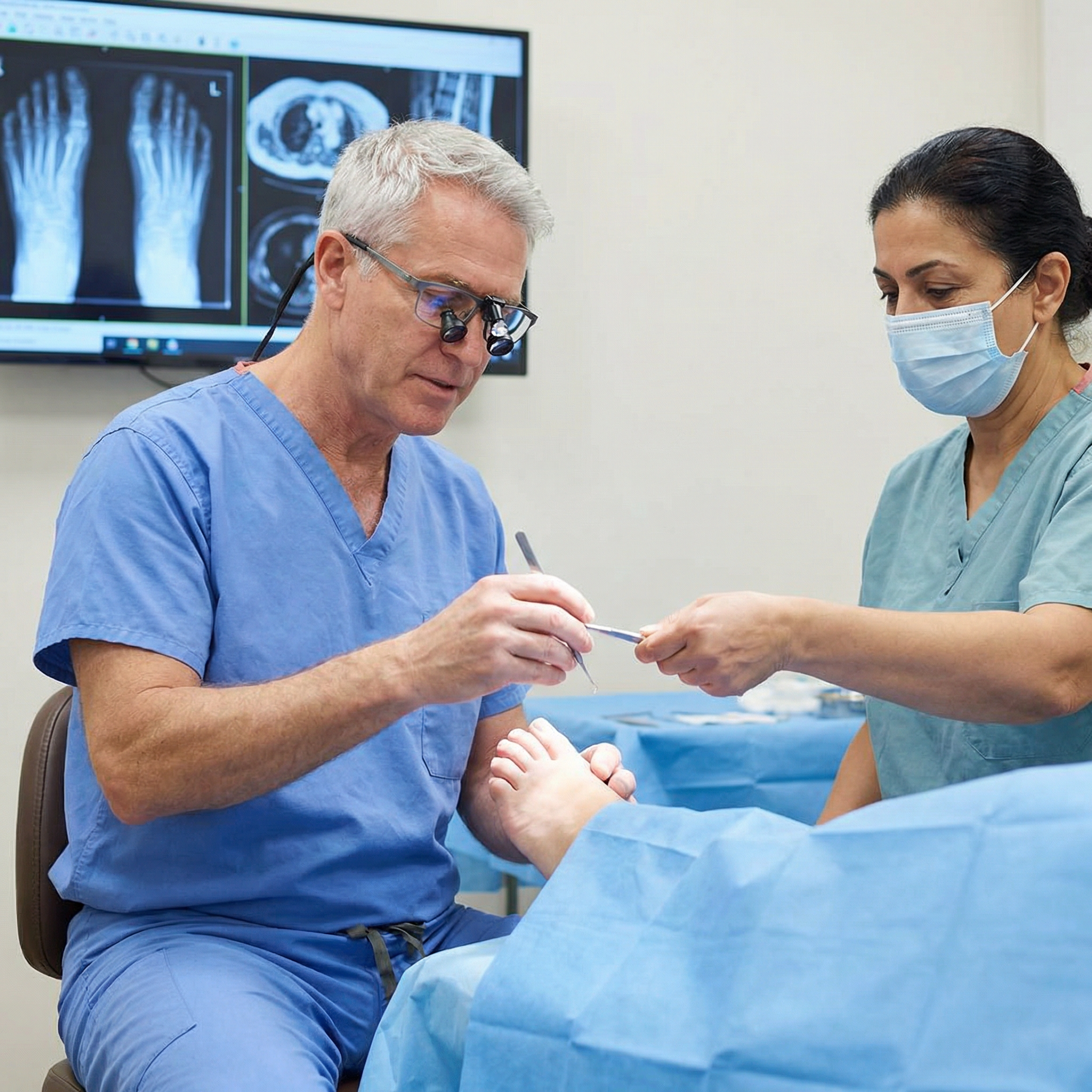
A bone and joint clinic is an orthopedic facility that focuses on the body’s musculoskeletal system, which supports movement and daily activity. Orthopedic clinics evaluate and treat a range of conditions, from arthritis and chronic pain conditions to tendon injuries and joint instability. Many clinics bring evaluation, imaging, treatment, and follow-up care together in one coordinated setting, offering personalized, comprehensive care plans. Here’s more information on getting comprehensive healthcare from an orthopedic clinic:
What Is Comprehensive Orthopedic Care?
Comprehensive orthopedic care addresses each stage of a musculoskeletal condition, from the first appointment through recovery. Rather than treating a single symptom in isolation, a bone and joint clinic evaluates a patient’s medical history, activity level, work demands, and personal goals before recommending treatments. For effective care, many different specialists may be a part of someone’s care team. A comprehensive care team may include orthopedic surgeons, pain management physicians, physical therapists, occupational therapists, and radiologists. Each specialist contributes a different perspective, and the team shares information to coordinate decisions and support consistent communication between providers.
What Is a Comprehensive Exam?
The first visit to a bone and joint clinic typically involves a detailed evaluation. This process helps the orthopedic care team understand the source of an individual’s symptoms before developing a care plan. This exam begins with a review of your medical history, current symptoms, prior injuries, and any previous treatments, and a specialist may ask:
- When the symptoms started
- What activities make them worse
- How they affect daily tasks
The physical exam includes tests of range of motion, strength, reflexes, stability, and sensation so the doctor can observe how the affected joint moves.
Getting a Diagnosis
After the physical exam, the orthopedic specialist may order imaging or other tests to confirm a diagnosis. Some common options include X-rays, MRI, CT scans, ultrasound, and nerve conduction studies. Many orthopedic clinics offer on-site imaging, which helps shorten the time between testing and results. The specialist then explains the condition, its likely cause, and how it may progress over time before discussing treatment options.
Exploring Treatments
Treatment often begins with conservative, nonsurgical options, such as physical therapy, bracing, activity modification, and pain management efforts. Pain management specialists may use targeted procedures, like nerve blocks or radiofrequency ablation, to address ongoing, severe pain. Surgery is discussed when conservative treatments do not provide sufficient improvement or when a condition requires structural repair. Orthopedic surgeons perform key procedures to diagnose and treat many conditions, including:
- Arthroscopy
- Joint Replacement
- Fracture Fixation
- Ligament Reconstruction
- Spinal Surgery
How Are Care Plans Made?
A comprehensive care plan outlines treatment steps and expected milestones. A person’s age, overall health, occupation, and activity goals shape the specialist’s recommendations. An orthopedic specialist also creates this plan based on an individual’s diagnosis and test results. Follow-up visits let the team track progress and adjust the care plan as needed.
A patient who starts with physical therapy may need to have their care plan updated when symptoms persist, often leading to treatment options like pain injections or surgery. Shared decision-making and patient education are central to a comprehensive treatment plan. To keep their patients informed, orthopedic specialists present the available care options along with their benefits and limitations. This helps people make an informed choice about their healthcare needs.
Contact a Bone and Joint Clinic
Finding an orthopedic specialist starts with identifying your specific concern, as some specialists focus on a single area of the body, like the spine, while others focus on many areas. Your primary care provider can recommend a specialist based on your symptoms. You can also search for an orthopedic clinic in your area and review each provider’s training, board certification, and areas of focus. Check whether the clinic accepts your insurance before scheduling to save time. Many clinics let you book an appointment online, or you can call the front desk to schedule a consultation.
- Understanding Challenges in Geriatric Care and How To Address Them
- How Sclerotherapy Is an Effective Solution for Treating Spider and Varicose Veins
- Who Benefits From Ankle Replacement Surgery
- Common Questions To Ask About Cataract Surgery
- Discovering Unique Omegle Alternatives for Diverse Interactions

