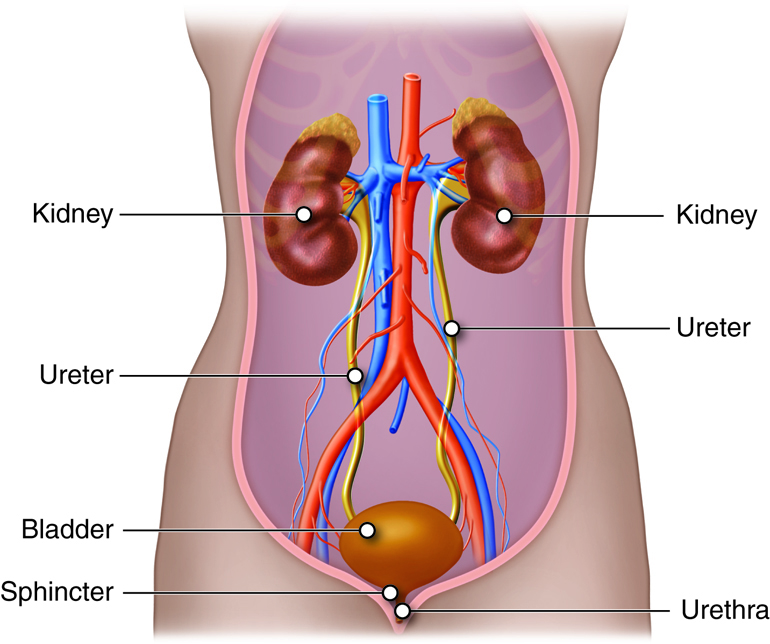
Your urinary and reproductive health can change quietly. Some symptoms fade on their own, but others signal conditions that need specialized care. A urologist evaluates the urinary tract in both men and women, and they also manage the male reproductive tract. Recognizing warning signs early helps you seek treatment sooner, while supporting better outcomes.
Urinary Health Symptoms
Urination patterns often reveal information about your health, and they should not be overlooked. A urologist assesses these symptoms, orders needed tests, and your provider will tailor a treatment plan for your needs. Addressing these issues early enhances comfort and long-term outcomes.
- Urinary urgency or frequency: May disrupt daily life and signal conditions such as overactive bladder or urinary tract infections.
- Painful urination or burning sensation: Often indicates a urinary tract infection, especially if recurrent.
- Blood in the urine: Visible or detected through testing, it could signal kidney stones, bladder cancer, or another issue.
- Nighttime trips to urinate: A common symptom of nocturia, potentially caused by overactive bladder or prostate-related conditions.
- Slow or interrupted urine flow in men over 50: Often linked to benign prostatic hyperplasia (BPH), treatable with medications or procedures like UroLift.
- Sudden or persistent leakage: Could result from weakened muscles or nerve dysfunction requiring specialized care.
Reproductive Health Symptoms
Reproductive symptoms affect men across many age groups and can manifest in various ways. Testicular or scrotal pain, for instance, may occur suddenly as a sharp, intense sensation or develop gradually as a dull, persistent ache. Whether pain is from injury, infection, or another cause, it should never be ignored. Timely evaluation can prevent complications. Men may also face difficulties with performance, arousal, or satisfaction, and this sometimes impacts quality of life.
Low testosterone, often identified by symptoms like fatigue, reduced libido, or mood changes, is another concern. This condition can affect physical and emotional wellness, but hormonal evaluations and targeted therapies offer effective options. Peyronie’s disease comes with curvature of the penis and discomfort. It may lead to intimacy challenges.
Preventive Health Evaluations
Some situations call for a urologist even without obvious pain or discomfort. Family history and age play a key role in assessing your risk for various urologic conditions. If you have a family history of prostate or kidney cancer, regular evaluations can help detect problems early. PSA screening is a valuable tool for monitoring prostate health. It can identify subtle changes, and they flag concerns before they become issues. Persistent flank pain, often a sharp or cramping discomfort on one side of your lower back, often signals kidney stones. If untreated, these stones can lead to infection or kidney damage. Unexplained abnormalities found in imaging or blood work could indicate conditions like kidney cancer, and this would need further investigation to confirm a diagnosis.
Schedule Your Urologist Consultation
You do not need to manage these symptoms alone. Your urologist provides in-office consultation, and they perform many procedures in-office. They also offer inpatient and outpatient surgeries at the hospital or surgery center when needed. If you notice urinary changes, reproductive concerns, or risk factors, contact your team to schedule an evaluation. Early attention supports informed choices, and it connects you with focused urologic care.
- Innovative Vein Treatment Techniques Revolutionizing Care
- The Potential Benefits of Stem Cell Therapy for Joint Pain Relief
- The Hyperbaric Chamber Treatment Process
- How Orthopedic Surgeons Approach Joint Pain Diagnosis
- Common Causes and Treatments for Erectile Dysfunction