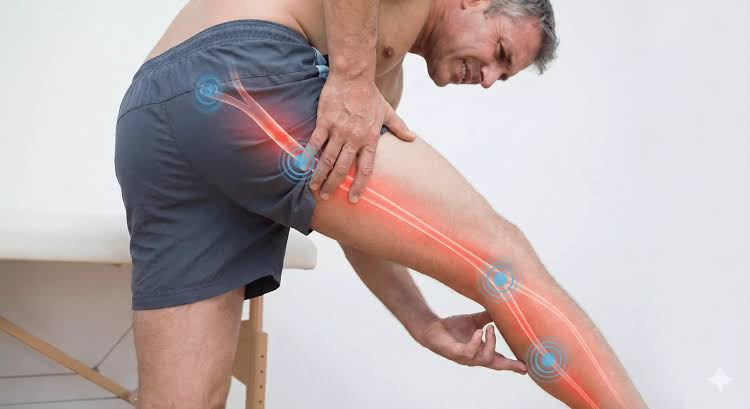
Sciatica occurs when the sciatic nerve becomes irritated or compressed. It causes pain, numbness, or tingling that generally extends from the lower back through the buttocks and down one leg. Everyday activities such as sitting, standing, lifting, and bending can influence the severity of sciatica symptoms and affect an individual’s comfort and mobility. Here is more information on the connection between sciatica and daily activities:
How Does Sciatica Affect Movement?
The sciatic nerve supports sensation and muscle function in much of the leg. When something presses on or irritates the nerve, it struggles to carry signals between the spine and the leg. This disruption often shows up as pain, a pins-and-needles feeling, or leg weakness, and it frequently changes how a person walks, stands, or bends.
People with sciatica often shift their posture to avoid discomfort. They lean to one side, shorten their stride, or keep weight off the affected leg. While these adjustments offer short-term relief, they often strain other muscles and joints.
Which Activities Worsen Sciatica?
Certain movements and positions increase pressure on the lower spine or stretch the sciatic nerve. Symptoms differ from person to person, but some activities appear often in reports of flare-ups. The following activities commonly affect sciatica:
- Prolonged sitting: Sitting for long periods, especially in low or soft chairs, increases pressure on the discs in the lower back.
- Bending and lifting: Bending at the waist to pick up objects strains the lower spine, particularly when the object is heavy.
- Driving: Long drives combine extended sitting with vibration and few chances to change position.
- Standing in one place: Standing without shifting weight often builds tension in the lower back and hips.
- Twisting motions: Sudden turns, such as reaching into a back seat, put rotational stress on the spine.
How Can You Manage Sciatica?
Changing daily habits can help people move through their day with less strain. These strategies do not replace professional care, but they offer a practical starting point for managing sciatica.
Adjust How You Move
Take a short break every few minutes to stand, stretch, or walk. Choose a chair that supports the natural curve of your lower back, and keep both feet flat on the floor. When you stand for long periods, shift your weight between your feet or rest one foot on a low step.
Change How You Lift
Bend at your knees and hips when you lift, and hold objects close to your body. Avoid twisting while carrying a load; instead, turn your whole body by moving your feet. If you drive long distances, adjust the seat so your knees sit level with your hips, and plan regular stops.
When Do You Need Care?
Sciatica sometimes eases with time and self-care, but persistent or worsening symptoms require a professional evaluation. A provider can identify the underlying cause, such as a herniated disc or bone spur, and recommend a treatment plan. Contact a healthcare provider if your symptoms last longer than a few weeks or interfere with sleep, work, or walking.
Some symptoms require prompt medical attention. Seek care right away if you experience loss of bladder or bowel control, numbness in the groin or inner thighs, or sudden weakness in one or both legs. These signs sometimes indicate severe nerve compression, and a provider should evaluate them without delay.
Schedule Your Sciatica Appointment Today
Sciatica often results from irritation or compression of the sciatic nerve, causing pain that radiates from the lower back into the leg. This condition may improve with self-care strategies, including stretching, over-the-counter pain relief, and posture adjustments. Persistent or worsening symptoms, especially those interfering with daily activities, require professional evaluation. Contact a qualified spine surgeon near you to schedule your sciatica appointment today.
- Understanding Challenges in Geriatric Care and How To Address Them
- How Sclerotherapy Is an Effective Solution for Treating Spider and Varicose Veins
- Who Benefits From Ankle Replacement Surgery
- Common Questions To Ask About Cataract Surgery
- Discovering Unique Omegle Alternatives for Diverse Interactions

