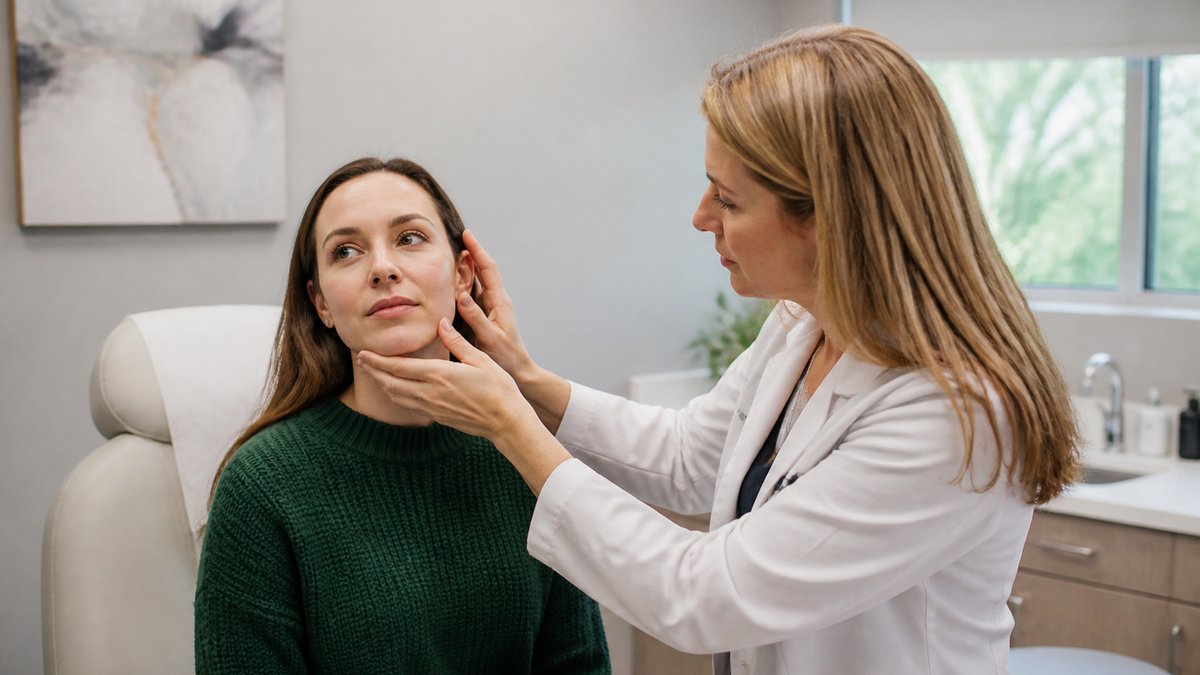
Early detection helps identify skin cancer before it progresses to more advanced stages. Changes in existing moles, unusual skin growths, or sores that do not heal may indicate a need for evaluation. Routine skin screenings and regular self-examinations help monitor changes, while prompt dermatological evaluations support early diagnosis and treatment. Here is more information about the role of early detection in skin cancer prevention:
Performing Comprehensive Skin Cancer Screenings
Comprehensive skin cancer screenings help dermatologists identify suspicious moles, growths, and other skin changes. During an examination, providers assess existing moles, new spots, and areas exposed to prolonged sunlight. They evaluate skin color, texture, symmetry, and mole borders to identify unusual characteristics. Because skin changes vary between individuals, these examinations help determine which areas need additional monitoring or testing.
Dermatologists also review medical history, previous sun exposure, and family history of skin cancer. They may ask about past sunburns, tanning bed use, and previous skin biopsies. Based on these findings, providers recommend appropriate screening schedules and explain which skin changes require further evaluation. Regular screenings support early detection and help guide ongoing cancer prevention efforts.
Examining Suspicious Moles and Lesions
Dermatologists examine suspicious moles and skin lesions to identify changes that may indicate skin cancer. During an evaluation, providers assess the size, shape, color, and texture of unusual spots. They may also use magnification tools to examine skin structures more closely. Based on these findings, dermatologists determine whether a lesion requires monitoring, additional testing, or a biopsy. Common warning signs include:
- Asymmetry: One half of a mole looks different from the other.
- Border Irregularity: The edges appear uneven, blurred, or poorly defined.
- Color Variation: A mole contains multiple shades of brown, black, red, or other colors.
- Diameter Changes: A mole grows larger or develops an unusual size.
- Evolving Appearance: A spot changes in shape, color, size, or texture over time.
Conducting Skin Biopsies for Diagnosis
A skin biopsy provides tissue for microscopic review, which helps clarify whether a lesion is benign, atypical, or malignant. Depending on the lesion’s size, shape, and location, a dermatologist may remove a small sample or the entire spot. The tissue is then evaluated by a pathologist, who examines cell patterns and structures. These findings support decisions about monitoring, treatment options, and future screening needs.
Treating Precancerous Skin Growths
Precancerous skin growths develop when skin cells experience damage, often from prolonged sun exposure. These growths may develop into cancer if left untreated. During an evaluation, dermatologists examine the size, location, and appearance of suspicious areas. Based on these findings, providers recommend treatments to remove abnormal cells and reduce the risk of progression.
Treatment options vary depending on the number and severity of precancerous growths. Dermatologists may prescribe topical medications to treat affected areas or recommend procedures that target individual lesions. Common treatments include cryotherapy, which freezes abnormal cells, and photodynamic therapy, which uses light-activated medication. Follow-up appointments help providers monitor healing and identify additional skin changes.
Preventive care also helps patients manage their risk of developing additional precancerous growths. Dermatologists recommend daily sunscreen use, protective clothing, and limiting prolonged sun exposure. Regular self-examinations help patients recognize unusual spots or changes between professional screenings. Combining treatment with ongoing monitoring supports early detection and long-term skin health.
Schedule Your Skin Cancer Appointment
Changes in existing moles, new skin growths, or persistent sores may indicate a need for professional evaluation. During a skin cancer screening, dermatologists examine suspicious areas, review medical history, and assess potential risk factors. Because early detection supports timely treatment, regular screenings help identify concerning skin changes before they progress. Schedule a skin cancer screening today to address your concerns and take a proactive approach to skin health.
- The Role of Testosterone Replacement in Treating Erectile Dysfunction
- The Long-term Benefits of Root Canal Therapy for Your Smile
- Identifying and Treating Common Warts
- Utilizing Telehealth for Accessible Chiropractic Consultations
- The Role of a Dermatologist in Managing Chronic Skin Conditions