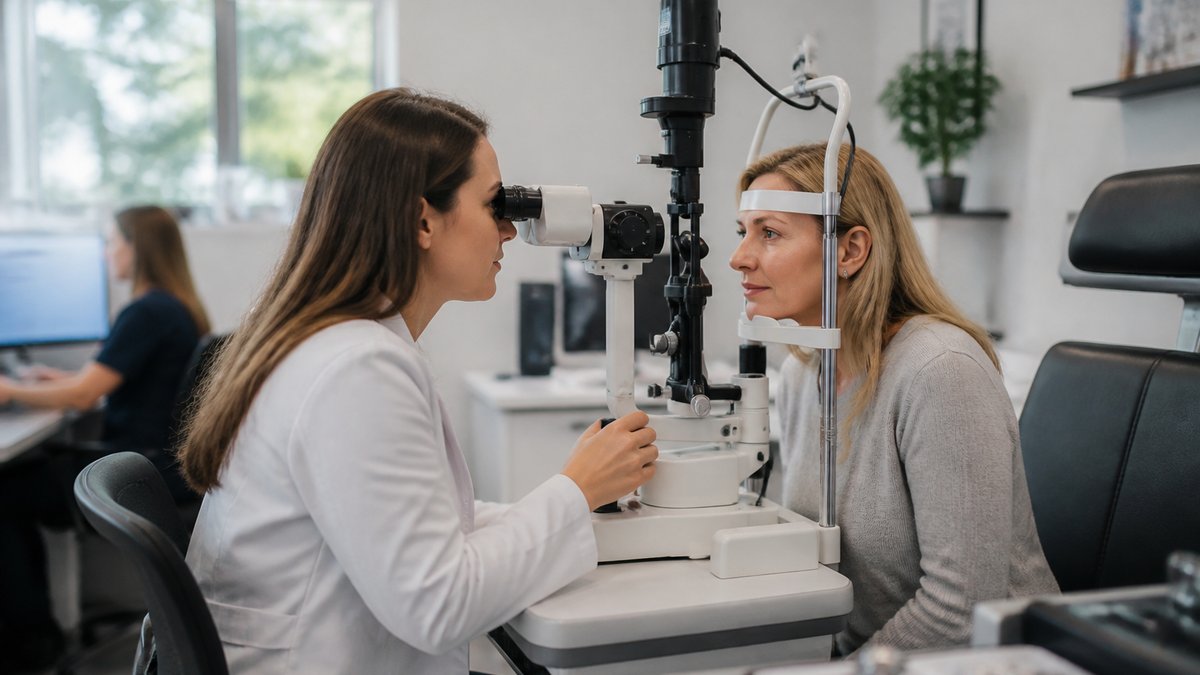
Many eye conditions develop gradually and may cause no pain or noticeable symptoms in their early stages. As a result, damage can occur before a person realizes anything is wrong. Fortunately, many of these conditions can be managed effectively when they are identified early via an eye exam. Learn more about what you should know about eye care.
Get Regular Eye Exams
During an eye exam, an optometrist or ophthalmologist evaluates your vision and how clearly you see. They also examine the internal structures of the eye, measure eye pressure, and assess how well your eyes work together. If vision changes or worsens, they can prescribe glasses or perform other corrective measures.
Routine eye care exams are essential because several serious conditions often progress without early warning signs. These include glaucoma and macular degeneration. Early detection allows your eye care provider to begin treatment that may slow or halt the progression of disease.
High blood pressure, diabetes, and certain neurological conditions may produce visible changes in the blood vessels or nerves of the eye. The recommended frequency of exams varies based on overall health and risk factors, along with age. Your provider can help determine an appropriate schedule for you.
Lifestyle Changes Matter
A balanced diet rich in leafy green vegetables, colorful fruits, and fish containing omega-3 fatty acids provides important nutrients for eye health. These include vitamin C and zinc. These nutrients support retinal health and may lower the risk of age-related eye diseases.
Extended periods of focusing on computers, tablets, or phones can lead to digital eye strain. Dryness, headaches, and blurred vision are signs of too much screen time. Adjusting screen brightness and maintaining a comfortable viewing distance can also reduce strain.
Other habits influence eye health as well. Sun exposure can cause damage to the eyes, as does smoking. Wearing protective eyewear during sports or hazardous work, practicing proper contact lens hygiene, and managing chronic conditions such as diabetes all contribute to healthier eyes.
Vision Changes Happen
Vision naturally changes over time. As people age, they may develop presbyopia, a gradual loss of the ability to focus on nearby objects. Reading small print may become more difficult, and you may find yourself holding materials farther away. Other age-related changes can include reduced contrast sensitivity, increased sensitivity to glare, difficulty seeing in low light, and drier eyes.
While many of these changes are a normal part of aging, some symptoms may indicate a more serious problem that requires prompt evaluation. Contact an eye care professional if you experience:
- Sudden loss of vision in one or both eyes
- A sudden increase in floaters or flashes of light
- A shadow or curtain across part of your field of vision
- Eye pain, redness, or swelling that does not improve
- Double vision
- Distorted or wavy central vision
- Halos around lights or cloudy vision
Some of these symptoms, such as flashes of light accompanied by a shadow in your vision, may signal a retinal detachment. This condition requires emergency care. Seeking help quickly can make a significant difference in preserving your sight.
Receiving Regular Eye Care
Regular eye exams allow your provider to track changes in your vision, update prescriptions, and identify conditions before they cause lasting harm. When paired with healthy lifestyle habits, routine eye care gives you the best opportunity to maintain clear vision. If you have not had a comprehensive eye exam recently, or if you have noticed changes in your vision, schedule an eye appointment.
- Risk Factors and Management Strategies for Coronary Artery Disease
- 4 Signs You Need to Consult a Podiatrist for Plantar Fasciitis
- Medication Options for Fibromyalgia Treatment
- Exploring Types of Allergy Testing
- What To Expect Before, During, and After Mohs Surgery

