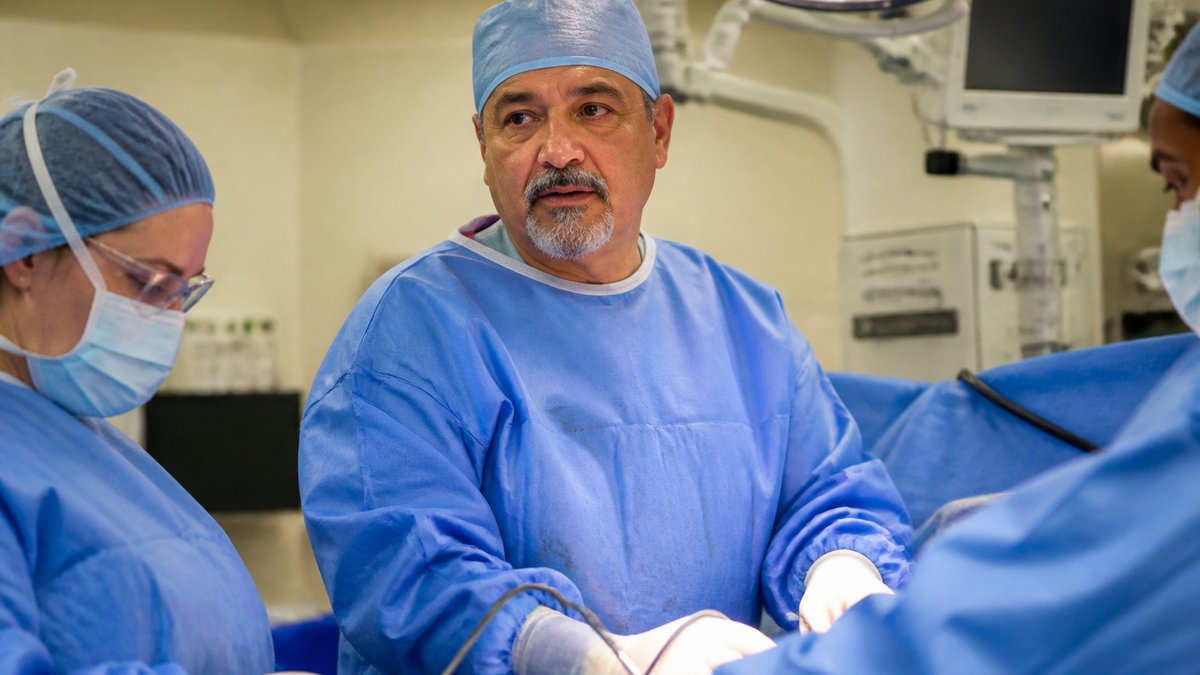
General surgeons treat many conditions, from digestive tract problems to breast and soft tissue growths. They evaluate symptoms, order imaging or lab tests, and coordinate with your primary care provider or other specialists for comprehensive care. Surgery is only one part of what they do. These physicians also guide you through non-surgical options, prepare you for any procedure, and follow your recovery over time so your treatment plan fits your health needs. Here is more information on when you should see a general surgeon and when they may recommend an operation:
Gallbladder Concerns
Gallbladder removal, or cholecystectomy, is recommended when gallstones trigger repeated pain, nausea, or infections. Some people with gallbladder issues experience sudden, sharp discomfort in the upper right abdomen after eating, especially after high-fat meals. Others notice bloating, indigestion, or inflammation that doesn’t settle with medication. When imaging shows stones blocking the bile ducts, or when the gallbladder wall looks inflamed, general surgeons frequently discuss surgery to prevent:
- Worsening Symptoms
- Recurrent Attacks
- Infection Complications
Living without a gallbladder usually changes how your body stores and releases bile, which helps digest fats. Many people return to most of their usual foods, but they need to start with smaller, more frequent meals and limit very greasy dishes while their system adjusts. Some notice looser stools or urgency after removal surgery, followed by gradual improvement. A surgeon reviews your digestive history, medications, and current diet, then offers practical suggestions on meal timing and hydration to support your digestion after surgery.
Breast Lumps
General surgeons evaluate breast lumps, skin changes, nipple discharge, and imaging findings that need closer review. They may discuss procedures like a biopsy or a lumpectomy, depending on your situation. If cancer is confirmed, a mastectomy is discussed when it has spread, but many surgeons are able to focus on skin-sparing or nipple-sparing techniques. During pre-surgery visits, you can discuss personal and family history, previous imaging, and questions about scarring, recovery, and follow-up.
Colon and Gastrointestinal Concerns
Conditions like hernias and diverticulitis often bring people to general surgeons for colon or abdominal surgery consultations. A hernia may cause a visible bulge, pressure, or pain that worsens with lifting, coughing, or standing for long periods. When a hernia grows or becomes more painful, surgeons evaluate whether repair is appropriate to reduce the risk of tissue becoming trapped. With diverticulitis, repeated infections, abscesses, or strictures in the colon sometimes lead a surgeon to remove the affected segment. This helps to reduce flare-ups.
Ulcerative colitis is a condition that involves ongoing inflammation in the colon, which affects bowel habits and energy levels. When medications cannot control bleeding, urgency, or pain, surgery to remove part or all of the colon may become necessary. General surgeons review test results and your response to previous treatments before outlining surgical recommendations. They explain how each option affects stool frequency, long-term bowel function, and follow-up care so you can understand your options.
Discuss Your Needs With General Surgeons
Deciding when to see a surgeon starts with recognizing health patterns, including pain that keeps returning, lingering digestive changes, or imaging that raises questions. A consultation with a surgeon does not mean you will get an operation. It gives you time with a specialist who reviews your history, examines you, and translates tests into a treatment plan. General surgeons also help you think through treatment timing and home support with different approaches. They answer questions about anesthesia, recovery timelines, and follow-up visits so you can plan around work, family, and other responsibilities. If you’re unsure about your symptoms, start with a primary care visit to request a referral to a surgeon.
- The Role of Testosterone Replacement in Treating Erectile Dysfunction
- The Long-term Benefits of Root Canal Therapy for Your Smile
- Identifying and Treating Common Warts
- Utilizing Telehealth for Accessible Chiropractic Consultations
- The Role of a Dermatologist in Managing Chronic Skin Conditions

