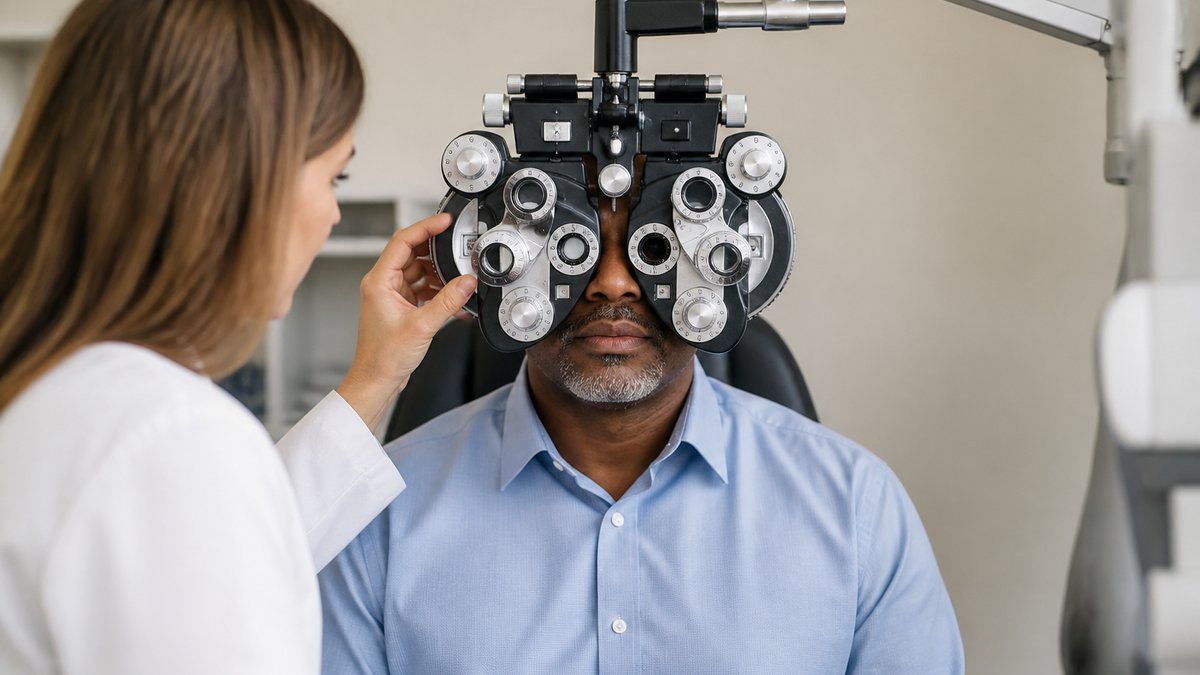
Regular eye exams play a fundamental role in maintaining healthy vision and detecting potential eye problems before they become more serious. A comprehensive exam allows an eye care professional to identify changes in eye health and detect early signs of conditions such as glaucoma, cataracts, and diabetic eye disease. Here is a closer look at the need for regular eye exams for long-term eye health:
Detecting Eye Diseases Early
Several eye conditions develop gradually and produce no noticeable symptoms in their early stages. An eye doctor uses specialized equipment to look for signs that you would not notice on your own. When the doctor finds a concern, they explain the results and outline the next steps. Conditions that an eye exam helps identify include:
- Glaucoma: A group of conditions linked to damage to the optic nerve, which carries visual information to the brain.
- Cataracts: A clouding of the eye’s natural lens that progresses slowly and often affects older adults.
- Macular degeneration: Changes to the macula, which is the part of the retina responsible for sharp central vision.
- Retinal tears or detachment: Damage to the light-sensitive layer at the back of the eye.
Identifying Vision Changes
A refractive error occurs when the eye’s shape prevents light from focusing directly on the retina. The most common types are nearsightedness, farsightedness, astigmatism, and presbyopia. During an eye exam, the eye doctor conducts a refraction test. You look through a series of lenses, and the doctor uses your responses to determine your prescription. Vision often changes so gradually that people do not notice the difference. An updated prescription helps you see clearly at school, at work, and while driving.
Monitoring Overall Eye Health
The eye is one of the few places a doctor can directly view blood vessels and nerves without surgery. Changes in these structures sometimes reflect broader health conditions, such as diabetes or high blood pressure. When the doctor notices these signs during an eye exam, they may recommend that you follow up with your primary care provider.
An exam also creates a record of your eye health over time. Some practices use digital imaging, which lets the doctor compare current results with images from previous visits. This comparison helps the doctor notice gradual changes that a single exam may not reveal.
Scheduling Regular Exams
The right frequency for an eye exam depends on your age, health history, and current vision. Eye care professionals often follow general guidelines, but your doctor adjusts these based on your individual needs. People with diabetes, a family history of eye disease, or existing vision problems often need more frequent visits.
Exams for Children and Teens
Professionals recommend a first exam between 6 and 12 months of age. Another exam generally takes place between ages 3 and 5, and children often have one before starting first grade. After that, annual eye exams help track vision as the eyes grow and school demands increase.
Exams for Adults and Seniors
Adults between 18 and 40 should schedule an exam at least every two years. Adults 65 and older usually visit once a year, as the possibility of age-related eye conditions increases. Your doctor may suggest a different schedule if you wear contact lenses or have ongoing health concerns.
Schedule Your Eye Exam Today
Regular exams are fundamental for maintaining vision health at every stage of life, from early childhood to older adulthood. They help identify eye conditions early, keep prescriptions accurate, and track changes linked to broader health concerns. For children, these exams support healthy development and academic readiness. Adults benefit from ongoing eye health monitoring every one to two years, depending on age and risk factors. Contact a qualified optometrist near you to schedule your eye exam today.
- The Importance of Regular Eye Exams for Long-Term Eye Health
- How Endodontists Use Advanced Technology for Better Outcomes
- Tips for Recovering From a Face Lift
- How a Weight Loss Doctor Helps You Manage Your Weight
- Identifying Symptoms and Risks of Varicose Veins

