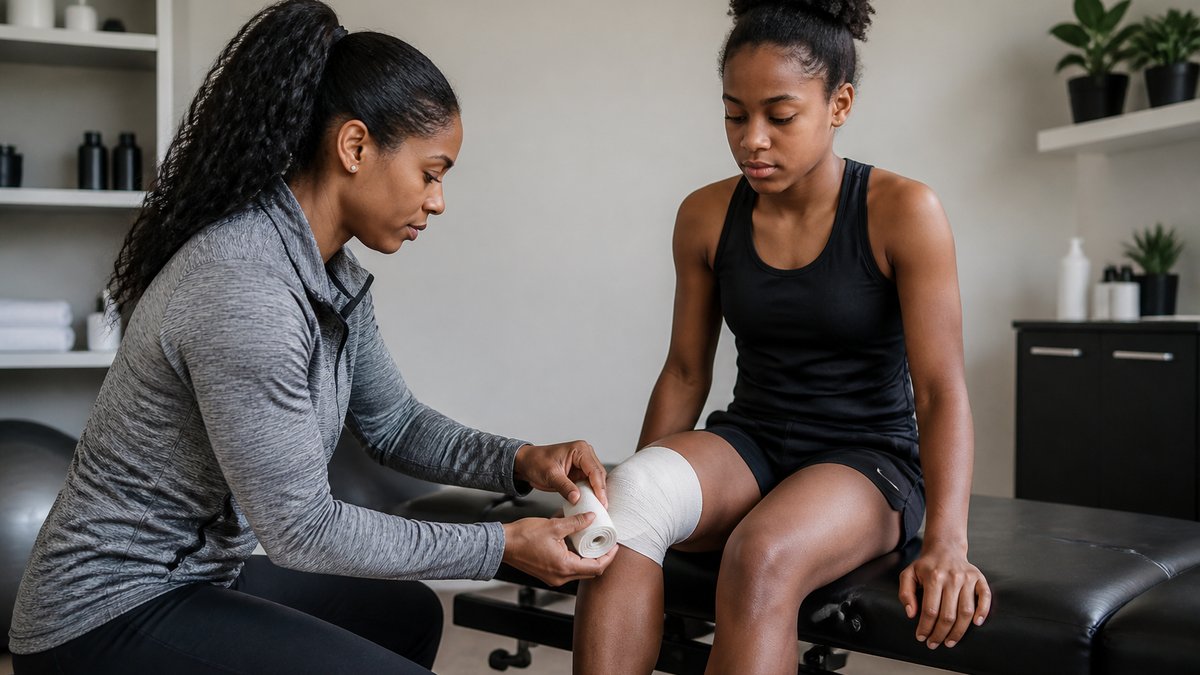
Sports injuries affect many people each year; some injuries happen suddenly, and others develop slowly from repeated stress on the body. Since children’s bones, muscles, and growth plates are still developing, they face unique risks during play. Here are a few steady habits to help lower the chance of sprains, strains, and overuse injuries:
Wearing Supportive Footwear
Shoes that fit poorly change how your child’s feet strike the ground. The wrong shoe adds stress to the ankles, and it may lead to sports injuries. Sport-specific shoes match the movements of each activity. To avoid injury, use these guidelines when you shop:
- Check shoe fit every three to four months during growth spurts.
- Leave about a thumb’s width between the longest toe and the shoe tip.
- Replace running shoes once you start to see visible wear.
- Match cleats to the playing surface, such as grass or turf.
Hand-me-down shoes may look fine, but they may carry another person’s wear patterns. In many cases, worn soles offer less cushioning and support. Shop for shoes when your feet aren’t swollen.
Stretching Before Activity
Tight muscles limit movement, and they pull harder on tendons and joints. When a muscle lacks flexibility, it may strain or tear during quick motions. Stretching helps muscles move through a fuller range of motion. Over time, regular stretching supports better posture and balance.
Before your child starts static stretching, they need a few minutes of light movement. Cold muscles may respond poorly to deep stretches. Gentle jogging raises muscle temperature, and marching in place works well too.
Focus on the muscle groups your child’s sport uses most. While they breathe slowly, have your child hold each stretch. Runners need flexible calves and hamstrings, and this helps improve their performance. Stretching should never cause sharp pain.
Staying Well Hydrated
Dehydration affects muscle function, coordination, and focus. Young athletes lose fluid through sweat, and many wait too long to drink. When fluid levels drop, muscles may cramp and tire more quickly. Hot, humid weather might speed up this fluid loss. Water works for most practices, but sports drinks help during intense sessions over an hour. Follow this simple hydration schedule:
- Drink water one to two hours before activity.
- Take a few gulps periodically during play.
- Drink water shortly after practice or games.
Warming Up
A warm-up is performed to raise heart rate before your child begins hard exercise. Blood flow to the muscles increases. Joints loosen up, and reaction time improves. This short routine prepares the body for sudden starts, stops, and turns.
Try leg swings, high knees, and arm circles, and add lunges or skips for running sports. Dynamic movements prepare muscles for action. A good warm-up helps the body adjust gradually. Finish with a few sport-specific drills at half speed.
Get Evaluated for Sports Injuries
If your child feels pain that lasts more than a few days, schedule an evaluation with a podiatrist. Some injuries look minor at first, but they worsen with continued play. A sports medicine provider examines the injured area and reviews your child’s activity level. Imaging may help when the provider needs a closer look at bones or soft tissue.
- The Role of Testosterone Replacement in Treating Erectile Dysfunction
- The Long-term Benefits of Root Canal Therapy for Your Smile
- Identifying and Treating Common Warts
- Utilizing Telehealth for Accessible Chiropractic Consultations
- The Role of a Dermatologist in Managing Chronic Skin Conditions

