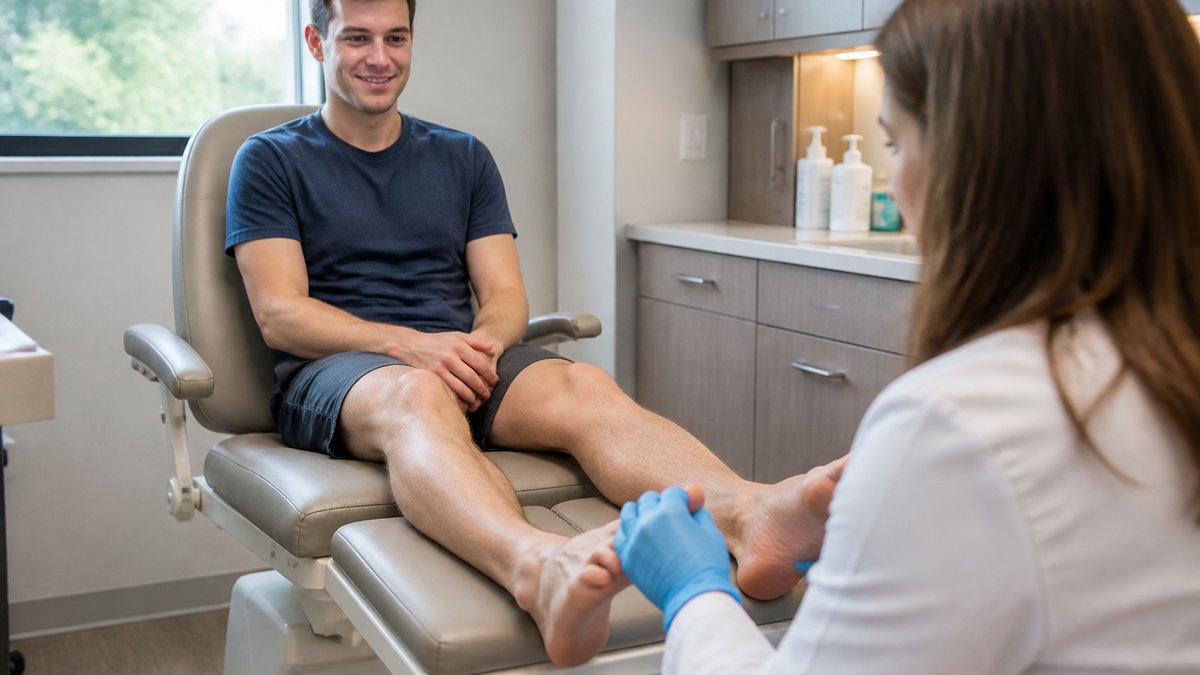
Skin on the feet often experiences pressure, friction, and moisture, and this can contribute to a range of concerns. A foot doctor evaluates skin changes and identifies the cause, which allows them to recommend targeted treatment options. When foot skin stays healthy, walking can be more comfortable, and the risk of infection decreases. Here are some ways a foot doctor helps with common skin conditions:
Understanding Skin Issues
Skin conditions on the feet range from dry, cracked heels to infections between the toes. A foot doctor examines changes in skin pattern, thickness, color, and location, and they ask about footwear and medical history. This approach helps distinguish conditions that have similar appearances but require different treatments. In some areas, seasonal climate changes influence dryness, sweating, and footwear choices, so individuals may experience different skin concerns throughout the year.
Managing Common Diagnoses
Several foot conditions lead patients to seek care from a podiatrist. Athlete’s foot, calluses, corns, and plantar warts require different treatments, so accurate diagnosis is key. Here’s more information about these issues:
- Athlete’s foot (fungal infection): A foot doctor may prescribe topical or oral antifungal medication. They also review habits that keep feet dry and reduce the likelihood of reinfection.
- Calluses and corns: Thickened skin develops where pressure and friction are highest. The doctor may trim this tissue safely and adjust footwear or shoe inserts to help redistribute the load.
- Plantar warts: These growths come from a virus in the skin. Podiatrists use methods such as topical agents or in-office procedures to remove them while protecting surrounding tissue.
Because these conditions have different causes and symptoms, a podiatrist evaluates each concern before recommending treatment. Early evaluation can help patients receive appropriate care and manage symptoms.
Supporting Long-Term Skin Health
Long-term foot skin health depends on daily habits, appropriate footwear, and management of medical conditions. A podiatrist reviews how often you inspect your feet and how you wash and dry them. They may also ask about your skin care products; this lets them recommend changes based on your skin type. Because diabetes and circulation problems increase the risk of complications, even small cracks or sores require attention. Changes in callus patterns may also indicate pressure problems that affect joints and tendons.
Footwear affects how well the skin protects underlying tissues from pressure and friction. Tight shoes compress toes and contribute to corns, while loose shoes cause rubbing that leads to blisters and calluses. Podiatrists assess shoe shape and size, and they may recommend custom or prefabricated inserts to distribute pressure more evenly. When footwear fits properly, it helps reduce friction and protect the skin on the feet. A podiatrist can explain how routine skin care and appropriate footwear help maintain foot health and support daily activities.
Consult a Foot Doctor
Persistent peeling, thickening, itching, or cracking on the feet indicates a need for professional evaluation, especially when home products do not resolve the problem. A foot doctor assesses the skin and nails, and they outline a plan that suits your activities and health status. Because some skin conditions worsen without treatment, early evaluation can help prevent complications and reduce discomfort. Schedule an appointment with a podiatrist today to address your foot health concerns.
- The Role of Testosterone Replacement in Treating Erectile Dysfunction
- The Long-term Benefits of Root Canal Therapy for Your Smile
- Identifying and Treating Common Warts
- Utilizing Telehealth for Accessible Chiropractic Consultations
- The Role of a Dermatologist in Managing Chronic Skin Conditions

