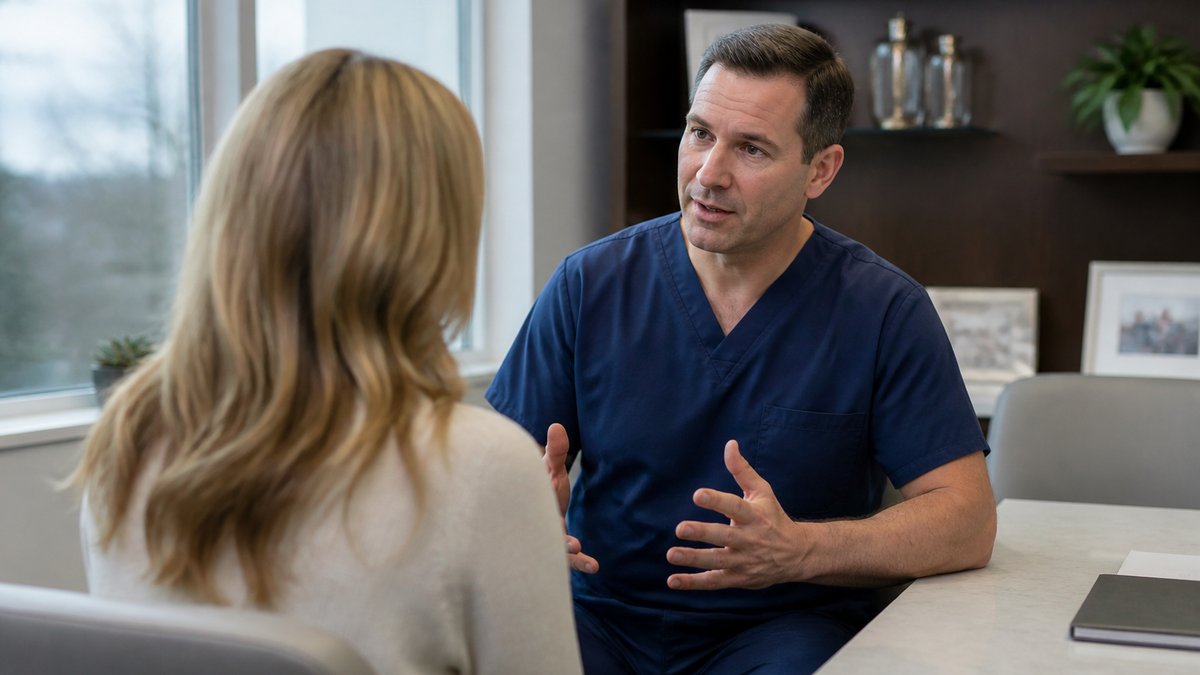
Liposuction removes excess fat deposits from targeted areas of the body, but it also requires recovery time. Swelling, bruising, and soreness are common after surgery, and these effects gradually improve as the body heals. Following your surgeon’s aftercare instructions supports healing and helps you achieve the expected results. Here is some information about the recovery process after liposuction:
Wound Care
Incision care starts as soon as you return home, and it continues until the skin seals and softens. Though incision sites are usually small, they still require consistent care. Your surgeon provides instructions on keeping the wound clean. This may include changing dressings, but sometimes the original dressing must stay in place until the first follow-up visit. Gently cleaning the surrounding skin reduces irritation and helps the tissue settle evenly.
Many recovery plans after liposuction include compression garments to manage swelling around the incisions. The garment applies even pressure, which supports the tissues as fluid shifts and the skin adjusts to the new contours. It also acts as a barrier; incision lines are often irritated by friction from clothing. If you notice new drainage, warmth, or a sudden change in discomfort, contact the practice so a clinician can evaluate the area and update your wound-care plan.
Activity Adjustments
Activity during recovery influences circulation, swelling, and comfort. Many patients follow staged adjustments rather than returning to full routines right away. Early movement usually starts with short indoor walks; these support blood flow while still protecting the treated areas. Over time, your surgeon may approve longer walks or light household tasks. Heavy lifting and high-impact exercise are usually recommended until incisions and deeper tissues progress through healing. When planning for activity adjustments, you should also:
- Ask your surgeon when to resume work and driving based on your procedure details and overall health.
- Incorporate short breaks during the day to elevate treated areas when possible, which may help limit swelling and discomfort.
- Avoid new sports or high-intensity training until your surgeon confirms that deeper tissues have healed.
Attending Follow-Ups
Follow-up visits let your surgeon review incision healing, swelling patterns, and early contour changes. At these appointments, you discuss any changes in sensation, such as tightness or firmness. Your surgeon also compares your progress with the expected outcomes. Some patients receive updates to garment schedules, scar-care routines, or activity levels based on how their tissues respond. Your surgeon can also explain which changes are typical during healing, and this helps you recognize when a concern needs attention.
Learn More About Liposuction
Recovering from liposuction requires consistent aftercare and attention to changes in your body. Proper wound care, gradual activity adjustments, and scheduled follow-up visits support different aspects of the healing process. Your surgeon tailors these recommendations to your procedure and monitors how your body responds over time. Although swelling and changes in sensation take several weeks to resolve, following your recovery plan helps protect the treated areas. Report any unexpected symptoms so your care team can determine whether additional care is needed. Contact a plastic surgeon today to learn more about liposuction.
- The Role of Testosterone Replacement in Treating Erectile Dysfunction
- The Long-term Benefits of Root Canal Therapy for Your Smile
- Identifying and Treating Common Warts
- Utilizing Telehealth for Accessible Chiropractic Consultations
- The Role of a Dermatologist in Managing Chronic Skin Conditions

