Laser resurfacing uses focused light to refresh the skin’s surface, but not all devices work the same way. Halo laser resurfacing combines two wavelengths in a single session, while other treatments rely on a single type of laser energy. People can compare these options when they want a structured plan that addresses skin texture and tone.
What Is Halo Laser Resurfacing?
Halo laser resurfacing is a hybrid treatment that uses both ablative and non-ablative wavelengths in one pass. One wavelength targets the outer layer of skin, and the other may reach deeper layers. Traditional fully ablative lasers can remove the top layer of skin in a uniform sheet. Non-ablative lasers leave the surface intact, heating deeper tissue during the same appointment. These systems may require a series of sessions. Hybrid fractional systems sit between these categories, and halo laser treatment falls into that group. This flexibility supports individualized planning.
What Does It Involve?
A halo session may start with a consultation. The practitioner can examine the skin, and they review any history of previous procedures or pigment changes. People with active infections or certain skin conditions may need to delay treatment. This step helps personalize the procedure, matching the device settings to the person’s skin type and goals.
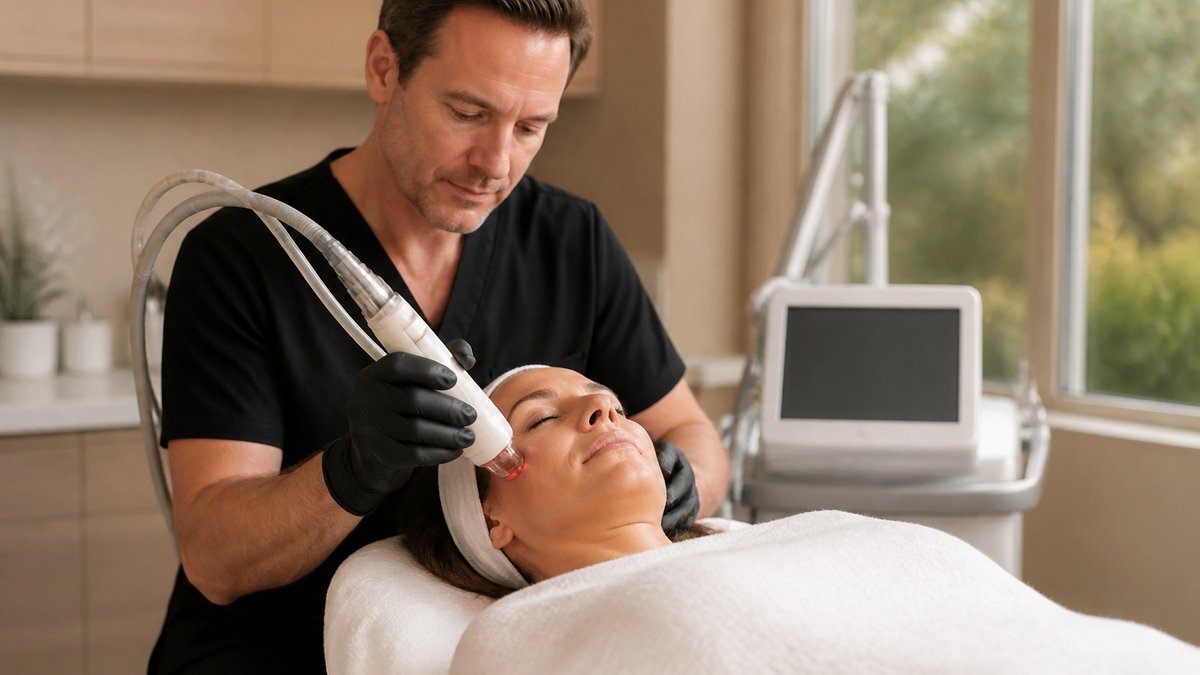
On the treatment day, a topical numbing agent can be applied for comfort. The device is programmed with settings based on the earlier assessment, and the handpiece is passed across the skin in a pattern that tracks coverage. After the session, the skin may look red, and a sensation similar to a sunburn often develops as the numbing wears off. Recovery instructions usually address gentle cleansing and sun protection. These steps support the skin while it sheds and remodels.
What Are the Differences?
Halo laser resurfacing offers a structured middle-ground approach between aggressive resurfacing and gentler non-ablative treatments. Because it uses both wavelengths in one session, it targets surface texture and deeper layers at the same time. People who want noticeable change without extensive recovery periods may choose this option over others for this reason, and they are able to do so after reviewing options with a medical professional.
Different laser platforms suit different goals. Fully ablative lasers focus on more advanced textural concerns, and they can involve more initial disruption to the surface. Non-ablative systems emphasize gradual change, often requiring repeated treatments.
The choice between halo laser treatment and other options can depend on skin type, as well as desired recovery timelines. Some people lean toward staged, lower-disruption procedures, and those with more flexibility may accept a more noticeable short-term recovery in exchange for fewer sessions. A structured evaluation that includes medical history, current skin status, and long-term maintenance plans supports a tailored decision.
Seek Professional Dermatology Services
Laser resurfacing involves medical devices and controlled injury to the skin, so professional oversight keeps the process organized and safe. A dermatologist can review your skin, explain realistic outcomes, and recommend a treatment sequence that fits your schedule and goals. When you discuss halo laser resurfacing alongside other laser and light-based procedures, you may gain an understanding of how each option aligns with your preferred goals.
- The Role of Testosterone Replacement in Treating Erectile Dysfunction
- The Long-term Benefits of Root Canal Therapy for Your Smile
- Identifying and Treating Common Warts
- Utilizing Telehealth for Accessible Chiropractic Consultations
- The Role of a Dermatologist in Managing Chronic Skin Conditions

