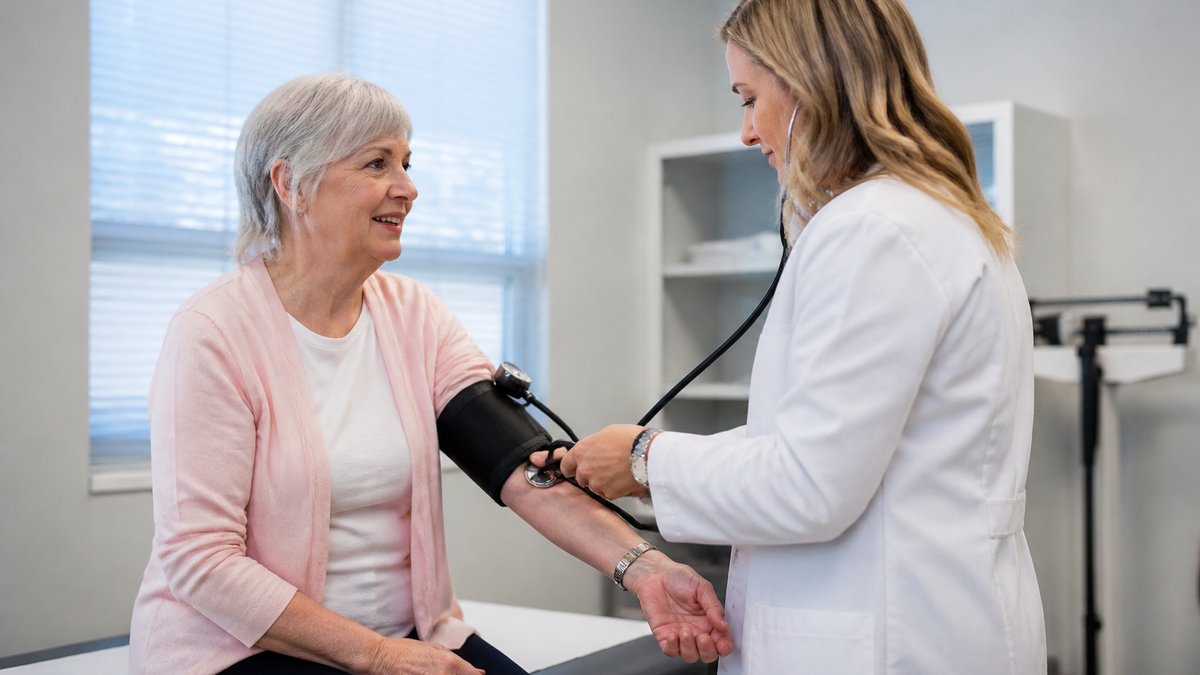
Endoscopic procedures use a thin, flexible tube with a light and camera to examine areas inside the body that are not visible from the outside. A doctor views real-time images on a monitor; this supports diagnosis and treatment without large incisions. You may receive these procedures for digestive symptoms, ongoing monitoring, or follow-up after previous treatment. Here is more information on what to expect from endoscopic procedures:
What Do Endoscopic Procedures Involve?
Before the procedure begins, a healthcare team reviews your medical history, current medications, and allergies so they understand your overall health. You receive instructions about fasting or medication adjustments, and these directions guide how you prepare. Some patients arrive with a driver because sedation affects alertness. Others may arrange time away from work for rest.
During endoscopic procedures, you may lie on an exam table while monitors track your heart rate, breathing, and blood pressure. A healthcare professional gives sedation through an IV. This medication helps reduce your awareness of the procedure. The doctor then gently guides the scope through the mouth or another entry point, and the camera sends images to a screen as the scope advances.
The length of the visit varies because some procedures stay diagnostic while others include treatment steps. Staff members communicate with you as you wake up, and they provide instructions so you have a clear reference at home. Questions about discomfort, diet, or activity restrictions are usually addressed before discharge. Follow-up appointments are scheduled as needed.
What Is Recovery Like?
Recovery starts in a separate area, and nurses monitor you while the sedation wears off. Your vital signs are checked regularly until you are ready to leave. Some patients may feel drowsy or slightly unsteady after standing, so walking slowly and accepting assistance helps reduce the chance of a fall. Short-term effects vary with the type of endoscopy and the amount of air used during the procedure. Mild bloating, gas, or a sore throat can occur, and these symptoms usually fade within several hours.
How Is Professional Guidance Beneficial?
Clear guidance before and after endoscopic procedures supports safe preparation and recovery. It also helps patients know what to expect. When a gastroenterology team explains each step, patients gain a structured plan instead of guessing about fasting, medication timing, or transportation. This clarity helps reduce last-minute schedule changes; it limits the chance that a procedure is postponed because instructions were not followed.
During the consultation phase, specialists review symptoms and previous test results. They then decide whether endoscopy is appropriate or whether another approach is better suited to the situation. They outline potential findings, and they may discuss how biopsy results influence future care. Ongoing communication after the procedure supports long-term management of digestive conditions, because test results are interpreted within the context of your broader health.
Know What To Expect
Understanding the basic steps of endoscopic procedures helps you approach the day with a clear plan. Preparation instructions, sedation, and recovery timelines may follow patterns, yet your healthcare team tailors details to your health status. When you bring questions to your visit and keep the post-procedure instructions accessible at home, you support a smoother experience from check-in through follow-up.
- The Role of Testosterone Replacement in Treating Erectile Dysfunction
- The Long-term Benefits of Root Canal Therapy for Your Smile
- Identifying and Treating Common Warts
- Utilizing Telehealth for Accessible Chiropractic Consultations
- The Role of a Dermatologist in Managing Chronic Skin Conditions

