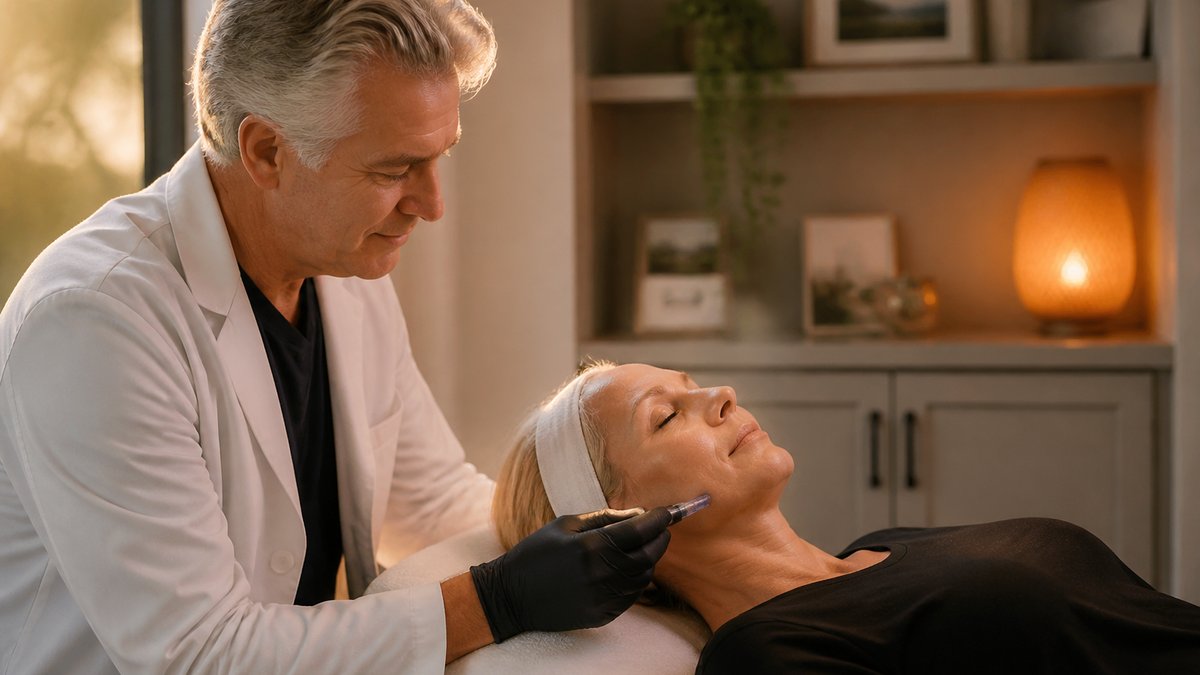
Microneedling uses fine needles to create controlled micro-injuries in the skin, and a consultation helps determine whether this treatment fits your goals. During this visit, you describe your concerns. The provider evaluates your skin and overall health. Your appointment also outlines practical details while clarifying what kind of results you might expect.
Sharing Treatment Goals
The microneedling consultation usually starts with a focused conversation about what you want to address, and the provider listens closely. You might discuss texture changes, fine lines, or areas with previous breakouts, and you describe how long these issues have bothered you. Since the provider asks questions about your current skincare habits, they also ask about any past procedures or treatments. This exchange helps align expectations and available options, and it lays the groundwork for a realistic treatment plan. You also discuss expected results, and the provider explains how microneedling gradually stimulates the skin’s natural repair processes. They outline typical timelines, and they clarify that individual responses vary between patients. Photographs or diagrams sometimes help illustrate changes over time, and they support a realistic view of progress. You leave the consultation with a grounded understanding of what the treatment offers.
Reviewing Health Background
Your health history influences whether microneedling suits you. The provider will ask structured questions about past and current conditions. They look for factors that affect healing, while asking about medications, allergies, and previous reactions to treatments. The provider might ask about lifestyle habits, and will discuss how those habits relate to treatment timing. Some conditions call for extra testing, and others prompt adjustments to the plan or schedule. Clear, accurate information supports safer care, and it also helps the provider explain realistic outcomes.
- Current prescriptions, over-the-counter medications, and supplements
- History of skin conditions or sensitivities
- Past procedures, including cosmetic treatments
- Any tendency toward scarring or delayed healing
- General health concerns that require monitoring
Planning and Skin Assessment
After the discussion, the provider examines your skin and they assess texture, thickness, and overall condition. They look at specific areas you mentioned, and they also evaluate nearby regions that influence treatment choices. This assessment often includes checking for active irritation or infection. It may involve reviewing previous scars or pigment changes. Based on these findings, the provider explains whether microneedling aligns with your goals, and they outline alternative options if needed.
Using the assessment, the provider describes how many sessions you might need, and they explain typical spacing between visits. Since they discuss what you may feel during treatment, they outline common aftereffects like temporary redness or sensitivity. You also talk about basic aftercare, and you review which products to pause before and after each session. The goal is a clear, step-by-step plan that links your current skin condition with a practical treatment schedule.
Schedule a Microneedling Consultation
If you want a structured, medically supervised approach to skin treatments, a consultation offers a clear starting point. Your team focuses on safe, personalized aesthetic care. They respect each patient’s goals. Schedule a consultation to discuss whether microneedling fits your treatment plan, and use the visit to ask direct questions about your options.
- The Role of Testosterone Replacement in Treating Erectile Dysfunction
- The Long-term Benefits of Root Canal Therapy for Your Smile
- Identifying and Treating Common Warts
- Utilizing Telehealth for Accessible Chiropractic Consultations
- The Role of a Dermatologist in Managing Chronic Skin Conditions

