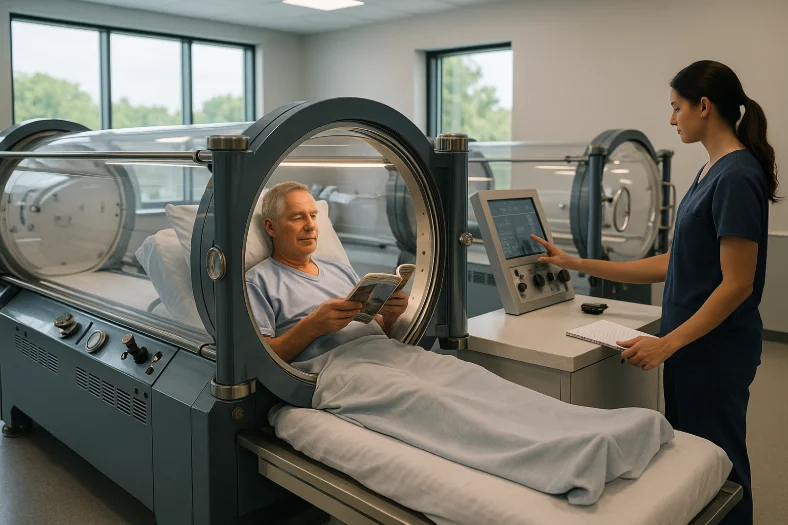
Hyperbaric therapy delivers concentrated oxygen under increased atmospheric pressure. This process reduces inflammation and promotes tissue repair, which makes it a valuable option for patients managing chronic pain. Nerve-related pain may ease, and damaged tissue receives support for healing. Here is more information on how hyperbaric therapy works and the benefits it offers:
What Is Hyperbaric Therapy?
Hyperbaric therapy involves breathing pure oxygen inside a pressurized chamber. The pressure inside the chamber exceeds normal atmospheric pressure, which allows the lungs to absorb more oxygen than they would under typical conditions. Patients lie in the chamber for the duration of each session, and they remain awake throughout. The treatment is non-invasive, and it helps those with chronic conditions who may not be candidates for more intensive interventions.
How Does It Work?
Under normal conditions, oxygen travels through the bloodstream attached to red blood cells. When atmospheric pressure increases inside a hyperbaric chamber, oxygen dissolves directly into the body’s plasma, cerebrospinal fluid, and other tissues, which allows it to reach areas with reduced blood flow. This includes sites of chronic inflammation or nerve damage, and the process supports oxygenation where standard circulation may be insufficient.
Higher oxygen levels trigger several physiological responses; blood vessels initially constrict, which reduces swelling. Oxygen-rich plasma simultaneously reaches damaged tissue. Over multiple sessions, this mechanism can stimulate new blood vessel growth and support collagen production, both of which contribute to long-term healing.
The effects accumulate with repeated sessions. A single treatment may offer short-term benefits, but a full course of therapy produces more sustained change. Since the body responds incrementally, clinicians may recommend a structured series of sessions to achieve the most clinically significant outcomes.
How Is Chronic Pain Managed?
Chronic pain often stems from inflammation, nerve damage, or poor circulation. Conditions such as fibromyalgia, complex regional pain syndrome, and diabetic neuropathy may involve one or more of these underlying issues, and each presents distinct challenges for treatment. Because hyperbaric therapy increases oxygen delivery to affected tissue, it addresses these mechanisms rather than only masking the pain response.
Physicians may use this therapy alongside other treatments rather than as a standalone solution. Patients with chronic pain are monitored closely throughout treatment. Pain levels, mobility, and inflammation markers may be tracked across sessions; this data helps determine whether the therapy is producing results. Clinicians adjust session frequency or duration because each patient responds differently.
What Are the Benefits?
Hyperbaric therapy offers several benefits for chronic pain patients, including:
- Reduced inflammation at the cellular level
- Improved blood flow to damaged or oxygen-deprived tissue
- Support for nerve repair in conditions involving neuropathy
Results vary by patient and condition, and those with circulation-related pain or nerve damage may see more consistent improvement.
Learn More About Managing Pain
Hyperbaric therapy offers a non-invasive approach for patients managing chronic pain, particularly when inflammation or nerve damage plays a role. The therapy works as part of a broader pain management plan rather than a replacement for existing treatment. If you are evaluating this therapy, discuss your specific condition and history with a physician. A medical provider can determine whether hyperbaric therapy fits your current pain management plan, and they will outline what a realistic treatment timeline looks like.
- Recognizing Signs of Low Energy and Its Impact on Daily Life
- The Impact of DEXA Scans on Preventative Health Strategies
- How to Differentiate Between Toothache and Sinus Pain
- Recognizing the Signs of a Serious Neck Injury
- The Connection Between Flat Feet and Other Foot Problems