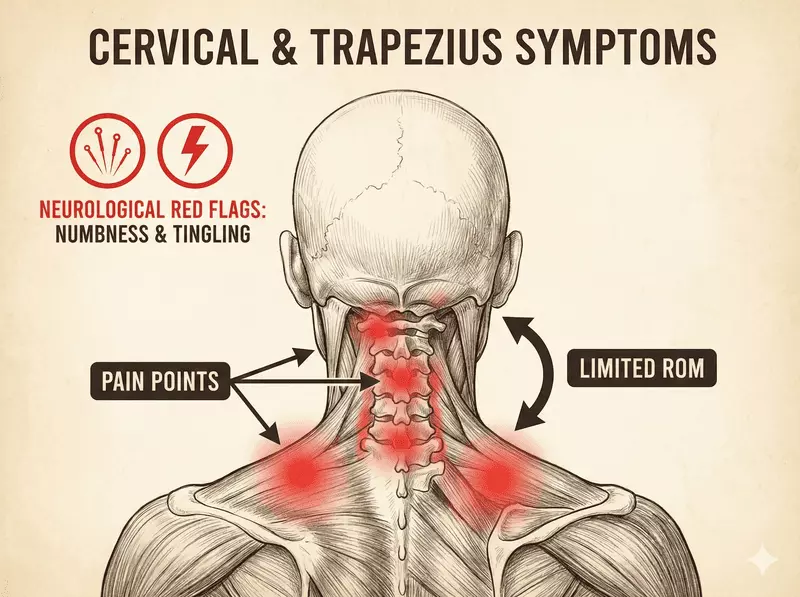
Neck injuries can cause pain, stiffness, numbness, or tingling. Symptoms may also include dizziness, muscle spasms, or arm weakness, while their severity varies between individuals. When neck pain persists or movement becomes limited, a medical evaluation provides information about possible causes and treatment options. Here is more information about recognizing the signs of a serious neck injury:
Common Neck Injury Symptoms
Neck injuries may cause several symptoms that affect movement, sensation, and comfort. Some symptoms involve the neck directly, while others can affect the head, arms, or surrounding muscles. Common symptoms include:
- Experiencing neck pain, stiffness, or limited movement
- Developing numbness or tingling sensations
- Hearing clicking or grating during movement
- Experiencing dizziness, blackouts, or muscle spasms
- Developing tension headaches around the head
- Noticing weakness, pain, or fatigue in the arms
Because several symptoms might occur together, a healthcare provider can evaluate their pattern and possible causes.
Causes of Neck Injuries
Age-related changes may contribute to neck pain and injury. Repeated movement affects spinal structures over time, while osteoarthritis involves changes to cartilage within the joints. Spinal stenosis also narrows spaces within the spine and might contribute to neck symptoms.
Muscle strain can develop from overuse or poor posture. Stress sometimes increases muscle tension, and prolonged positioning can place additional strain on the neck. Because several factors affect neck muscles, symptoms often differ between individuals.
Direct injuries also affect structures within the neck. Whiplash involves sudden neck movement, and it can affect muscles, ligaments, discs, joints, or nerves. Spondylosis develops through age-related spinal changes and involves changes to the vertebrae and facet joints.
Neck Injury Diagnosis Methods
A neck injury evaluation often begins with a physical examination. A doctor may assess alignment, movement, and tenderness, while a medical history provides additional information about symptoms. Because previous injuries and daily activities can influence neck pain, providers also review symptom location, timing, and severity.
Diagnostic testing provides additional information when symptoms require further evaluation. X-rays, MRI scans, and CT scans examine different structures, while electrodiagnostic testing evaluates nerve and muscle function. Lab testing might also identify infections or rheumatological conditions that could contribute to neck symptoms.
Neck Injury Self-Care Tips
Self-care may be appropriate for some minor neck injuries. Heat, cold therapy, and relaxation techniques can address discomfort or muscle tension, while gentle movement might maintain flexibility. Additional approaches include:
- Using acupuncture: Places thin needles at targeted points to stimulate nerves and address neck discomfort.
- Receiving massage therapy: Applies controlled pressure to soft tissues to address muscle tension and spasms.
- Undergoing manual manipulation: Uses hands-on techniques to adjust spinal structures and address joint movement.
Because neck symptoms vary in cause and severity, persistent or worsening discomfort warrants evaluation by a healthcare provider.
Neck Injury Treatment Options
Neck injury treatment depends on the source and severity of symptoms. Cervical epidural injections and facet blocks may target specific nerves or joints, while radiofrequency ablation addresses pain signals from selected nerves. Spinal cord stimulation and intrathecal pain pumps can provide additional options when persistent pain requires a different treatment approach. Because these procedures serve different purposes, a specialist evaluates the condition before discussing an appropriate treatment plan.
Schedule With a Specialist Today
Neck injuries may affect movement, sleep, and daily activities. Symptoms include pain, numbness, or dizziness, while some people also experience a limited range of motion. Because symptoms vary in severity and duration, a specialist can evaluate possible causes and discuss available treatment approaches. Schedule a neck pain evaluation today to discuss persistent symptoms and appropriate treatment options.
- Recognizing Signs of Low Energy and Its Impact on Daily Life
- The Impact of DEXA Scans on Preventative Health Strategies
- How to Differentiate Between Toothache and Sinus Pain
- Recognizing the Signs of a Serious Neck Injury
- The Connection Between Flat Feet and Other Foot Problems