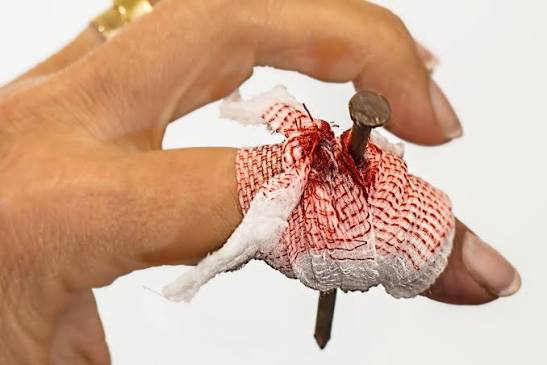
A wound care specialist evaluates and manages wounds that do not heal as expected, and they are often also a foot and ankle specialist. These podiatry specialists assess factors that affect healing, such as circulation, infection, and nutrition. Most minor cuts and scrapes close within a few weeks with basic home care, but other wounds remain open for a month or longer. People with certain health conditions may benefit from regular visits to a wound care specialist, who can monitor progress and adjust treatment plans over time. Here’s information on when to get help from a wound care specialist:
You Have Vascular Disease
Vascular disease affects the blood vessels that carry blood to and from the body’s tissues. Two common forms are chronic venous insufficiency (CVI) and peripheral artery disease (PAD). CVI occurs when the valves in the leg veins do not work properly. Instead of returning to the heart, blood pools in the lower legs. This pressure can gradually cause swelling, skin discoloration, and venous leg ulcers near the ankles.
Peripheral artery disease develops when plaque narrows the arteries that supply blood to the legs and feet. Reduced blood flow means tissues receive less oxygen and fewer nutrients; as a result, small injuries on the feet or lower legs may heal slowly. PAD is also associated with a higher risk of heart attack and stroke because plaque buildup can affect arteries throughout the body. Both vascular diseases can affect overall health beyond the legs by limiting mobility and increasing the risk of recurring skin problems. A wound care specialist can evaluate circulation in the affected limb and recommend management options like:
- Compression Therapy
- Specialized Dressings
- Surgery
You Have Diabetic-related Wounds
Diabetes is another health condition that affects the body’s ability to heal, as high blood sugar levels may damage nerves and blood vessels, particularly in the feet. Diabetic foot ulcers are open sores that commonly form on the bottom of the foot. They often develop in areas that bear weight or experience friction, such as the ball of the foot or the big toe. Nerve damage, known as diabetic neuropathy, can also reduce sensation in the feet. A person with neuropathy may not notice a blister or cut until it becomes a larger wound.
Early evaluation matters, since untreated ulcers can lead to infection or other complications. Specialists who treat diabetic wounds often focus on prevention as well as treatment. During regular visits, a specialist may examine the feet, remove dead tissue, and apply specialized dressings. They often also recommend offloading devices, like custom footwear or casts, to reduce pressure on the wound. Many specialists coordinate with endocrinologists and primary care providers to support blood sugar management.
You Have A Surgical Wound
Most surgical incisions close without complications, but in some cases, an incision may reopen, a condition called wound dehiscence. Obesity, smoking, diabetes, and certain medications can increase the risk of delayed healing after surgery. Signs that a wound may need specialized attention include:
- Redness
- Swelling
- Warmth
- Drainage
- Unusual Odor
- Fever
- Worsening Pain
Some infected wounds respond to standard care from a primary provider, but others require more advanced management. A foot and ankle specialist may perform wound cultures, debridement, or negative pressure wound therapy. They can also determine whether additional testing, such as imaging, is needed.
Find Your Wound Care Specialist
To find a wound care specialist, start by speaking with your primary care provider or surgeon. These specialists can refer you to a local wound care clinic, but your health insurance provider also has a list of in-network specialists. When comparing options, review each specialist’s credentials, including board certification in wound care. You may also ask whether the clinic offers vascular testing or key therapy options on site. Before your first appointment, gather your medication list, relevant medical records, and notes about how long the wound has been present.
- Recognizing Signs of Low Energy and Its Impact on Daily Life
- The Impact of DEXA Scans on Preventative Health Strategies
- How to Differentiate Between Toothache and Sinus Pain
- Recognizing the Signs of a Serious Neck Injury
- The Connection Between Flat Feet and Other Foot Problems