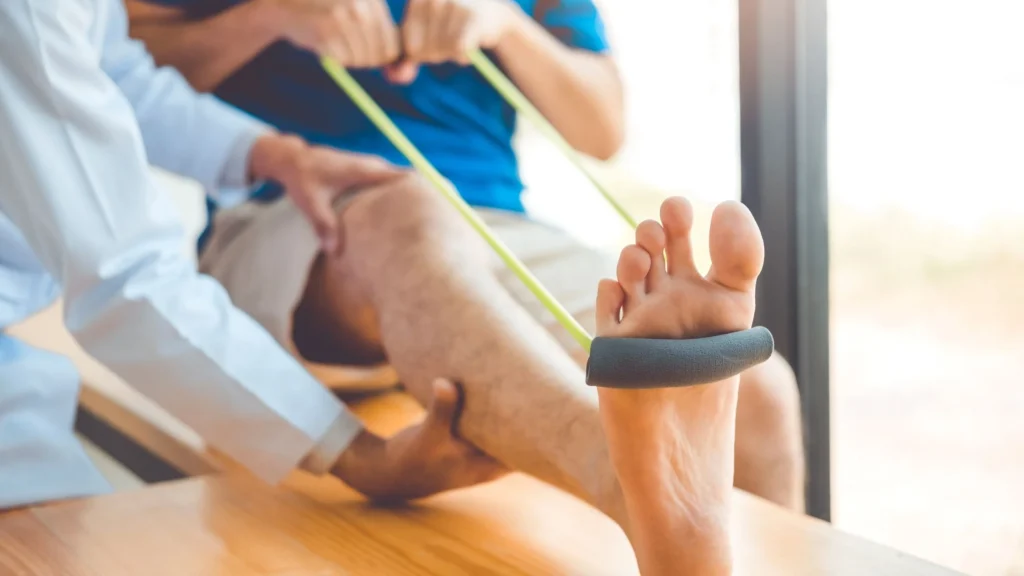
Sports medicine addresses injuries and conditions affecting muscles, joints, movement, and physical activity. Providers can evaluate symptoms and develop treatment plans using rehabilitation, physical therapy, and other approaches based on individual findings. Because injuries and activity goals differ, specialists focus on restoring movement and supporting a safe return to physical activity. Here is more information about the impact of sports medicine on injury recovery:
Diagnosing Sports Injuries Accurately
Sports injury evaluations may begin with a medical history and physical examination focused on symptoms and movement. Providers are able to assess range of motion, strength, pain patterns, and other factors related to the affected area. Because some injuries involve complex movement patterns, additional functional testing provides more information about physical performance.
Run stride and performance evaluations examine movement mechanics during physical activity. VO2 max and lactate testing also provide information about how the body responds during exercise. These findings help providers understand individual performance factors and guide treatment or rehabilitation planning.
Treating Common Sports Injuries
Sports medicine can address joint and muscle injuries affecting different areas of the body. Treatment options vary based on the injury, affected tissue, symptoms, and findings from an evaluation. Because each condition differs, providers may use rest, bracing, rehabilitation, or treatments such as EPAT when appropriate. Common areas treated include:
- Knee pain
- Hip pain
- Foot pain
- Ankle pain
- Elbow pain
Restoring Function Through Rehabilitation
Rehabilitation supports recovery by addressing movement, strength, balance, and coordination after a sports injury. Physical therapy is able to include exercises and activities based on the affected area and individual recovery needs. Because injuries differ, rehabilitation plans vary according to symptoms, function, and activity goals.
Running rehabilitation focuses on movement patterns and stride mechanics that influence physical activity. Providers may evaluate running form and develop exercises that address identified movement concerns. This approach supports a gradual return to running based on individual findings and progress.
Concussion rehabilitation may address physical and cognitive symptoms following a head injury. Vestibular rehabilitation focuses on concerns involving balance, dizziness, and related movement difficulties. Providers track progress throughout rehabilitation and adjust activities based on symptoms and recovery.
Preventing Future Injuries
Sports medicine may include preventive strategies that address movement, strength, and physical activity patterns. Providers are able to work with physical therapists and athletic trainers to evaluate factors associated with injury risk. Strength and conditioning programs focus on supporting movement and physical performance. Because overuse injuries develop gradually, regular evaluations provide information about changes in movement or discomfort. Preventive care also supports training adjustments based on individual activity levels and physical needs.
Schedule Your Sports Medicine Visit
Sports medicine combines evaluation, treatment, and rehabilitation for injuries affecting movement and physical activity. Providers are able to assess symptoms and develop care plans based on individual findings and activity goals. Treatment may include physical therapy, rehabilitation, performance testing, or other available approaches. Because recovery needs differ, follow-up care supports adjustments as movement and symptoms change. Schedule a sports medicine evaluation today to discuss your injury, activity needs, and available treatment options.
- Recognizing Signs of Low Energy and Its Impact on Daily Life
- The Impact of DEXA Scans on Preventative Health Strategies
- How to Differentiate Between Toothache and Sinus Pain
- Recognizing the Signs of a Serious Neck Injury
- The Connection Between Flat Feet and Other Foot Problems