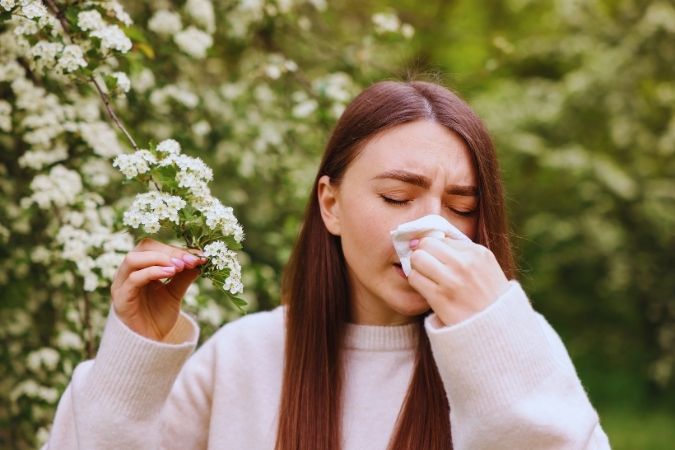
An allergy is an immune system reaction to a substance that is usually harmless, such as pollen, dust, or a certain food. When your body mistakes one of these substances for a threat, it releases chemicals like histamine that lead to symptoms. Learn which triggers affect you and how to limit contact with them, so you can manage symptoms. Here is some information about preventing allergies caused by common triggers:
Avoiding Outdoor Triggers
Spending time outdoors exposes you to common allergens like pollen, which may worsen symptoms for some people. Check the daily pollen count before you plan time outside. Many weather apps and local news sites list pollen levels for trees, grasses, and weeds. Tree pollen typically peaks in early spring, while grass pollen peaks in late spring and early summer. Ragweed is common in late summer through fall. Pollen levels are also typically highest in the morning and on dry, windy days, so afternoon outings or walks after rain may expose you to less.
A few daily habits help limit how much pollen you bring inside:
- Keep car and house windows closed on high-pollen days.
- Wear sunglasses to reduce pollen contact with your eyes.
- Change clothes and shower after spending time outdoors.
- Dry laundry in a dryer instead of on an outdoor line.
Poor air quality may also worsen symptoms for some people. Look up the local Air Quality Index (AQI) each day, and limit outdoor activity when readings reach unhealthy levels. On days with poor air quality, keep windows closed to reduce exposure to airborne irritants.
Reducing Indoor Triggers
Creating an allergen-free environment can help manage symptoms and improve comfort at home. Dust mites are a common trigger; these microscopic creatures live in bedding, upholstered furniture, and carpet. Because they feed on shed skin cells, they gather where people sleep and sit. Wash sheets, pillowcases, and blankets frequently. Zippered, allergen-proof covers for mattresses and pillows add another barrier.
Humidity also matters. Both dust mites and indoor mold thrive in damp air, so aim to keep indoor humidity less than 50%. A hygrometer measures this level, and a dehumidifier helps in basements and other damp areas. Running exhaust fans in bathrooms and kitchens can reduce moisture buildup, which reduces humidity and limits conditions that support mold growth.
Managing Pet and Food Allergies
Managing allergies caused by pets or specific foods requires strategies to reduce exposure and prevent allergic reactions. Pet allergies come from proteins in dander, saliva, and urine, not from fur itself. No breed is fully allergen-free, but some people react less to certain animals. To lower exposure at home, keep pets out of the bedroom and off upholstered furniture. Bathe dogs regularly, brush pets outdoors, and wash your hands after handling them. Running a HEPA air purifier in shared living spaces can also reduce the dander in the air.
Food allergies require a different approach because even small amounts may trigger a reaction. Common foods that trigger allergies include:
- Milk
- Eggs
- Tree nuts
- Peanuts
- Wheat
Read ingredient labels every time you shop, since manufacturers sometimes change recipes. When you eat out, tell your server about your allergy and ask how dishes are prepared; shared fryers, cutting boards, and utensils can cause cross-contact. If a doctor has prescribed an epinephrine auto-injector, carry it with you at all times.
Get Tested for Allergies
Prevention steps are easier to follow when you know which substances cause your symptoms. An allergist may use skin prick tests, blood tests, or supervised food challenges to identify triggers. Schedule an appointment with a board-certified allergist today.
- Recognizing Signs of Low Energy and Its Impact on Daily Life
- The Impact of DEXA Scans on Preventative Health Strategies
- How to Differentiate Between Toothache and Sinus Pain
- Recognizing the Signs of a Serious Neck Injury
- The Connection Between Flat Feet and Other Foot Problems