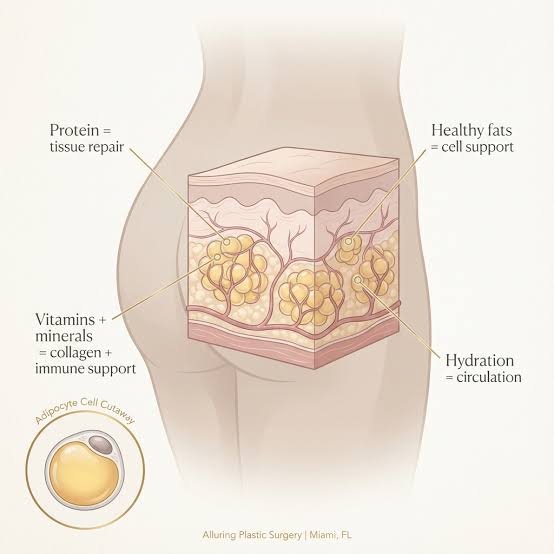
Fat grafting moves fat from one body area to another, and surgeons often use it for breast volume. Some clinics call it fat transfer. Since the fat comes from your own body, the process avoids synthetic implants. This guide walks you through each stage, from anesthesia to the final graft choice.
Administration of General Anesthesia
Fat grafting typically begins with general anesthesia. Before the surgeon makes any incisions, an anesthesiologist or certified nurse anesthetist gives the medication. You will sleep through the procedure, and you will not feel the liposuction or injections. The care team monitors your heart rate, breathing, and oxygen levels throughout.
Before you arrive, your provider reviews your medical history and current medications. You may need to stop certain supplements, and you will likely fast for several hours beforehand. Plan for a responsible adult to drive you home. Your anesthesia provider will answer questions about risks and recovery during this visit.
Fat Removal Using Liposuction
The surgeon removes fat from a donor area, and this area is often the abdomen, thighs, or flanks. Your surgeon picks the donor site after reviewing where your body stores extra fat. In many cases, small incisions limit the size of any scars.
Before suction begins, the surgeon injects a solution into the donor area. The saline is used to loosen the fat, and it is designed to reduce bleeding. This step typically makes the fat easier to remove.
A thin tube called a cannula then removes the fat with gentle suction. The surgeon uses low pressure, and this approach protects the fragile fat cells. After this step, the fat goes into a sterile container so the team can process it. Processing may involve spinning, filtering, or washing the fat to remove fluid and damaged cells.
Reinjection to Breasts
The processed fat is ready for transfer, and the surgeon injects it into the breasts. Sincee fat tissue needs a blood supply to survive, the surgeon places tiny amounts in many layers. This method spreads the fat evenly across the breast tissue. Your body absorbs some of the fat over the next few months, which is a normal part of healing. Steps in this stage include:
- Marking injection points before surgery
- Shaping the breast with small, even deposits
- Checking symmetry between both sides
- Closing incisions with small sutures or adhesive strips
Choice of Multiple Grafts
If you want more volume than one session provides, your surgeon may suggest multiple grafts. Surgeons typically wait several months between sessions, and this gap lets the first grafts settle. Your surgeon then measures the retained volume at a follow-up visit. Factors that shape this decision include:
- The desired breast size
- The amount of donor fat available
- The amount of fat remaining after the first session
- The recovery timeline and work schedule
Schedule a Fat Grafting Consultation
Before you book surgery, a consultation helps you understand your options. Your provider can examine your donor areas and breast tissue, and the visit also covers your health history, goals, and recovery plan. Contact a surgery clinic to schedule your fat grafting consultation. When you call, have a list of your current medications ready.
- Understanding Challenges in Geriatric Care and How To Address Them
- How Sclerotherapy Is an Effective Solution for Treating Spider and Varicose Veins
- Who Benefits From Ankle Replacement Surgery
- Common Questions To Ask About Cataract Surgery
- Discovering Unique Omegle Alternatives for Diverse Interactions

